

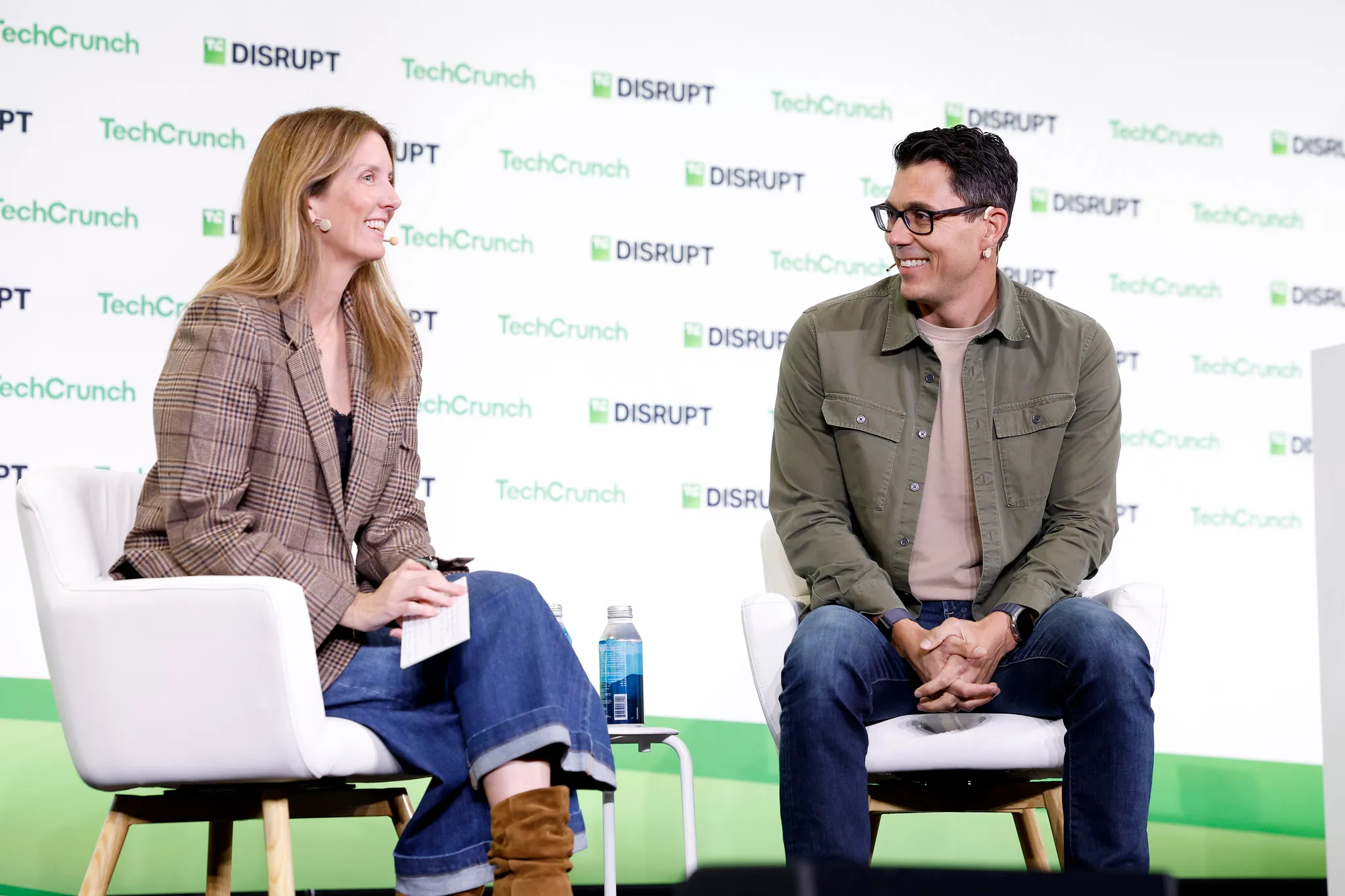
Rivian, the innovative electric vehicle manufacturer, has recently unveiled an in-house developed AI assistant designed to facilitate intuitive voice-based interaction between drivers, passengers, and their vehicles. This move, however, represents only the initial phase of a far more ambitious strategy. At the recent TechCrunch Disrupt conference, Rivian’s founder and CEO, RJ Scaringe, articulated a vision for the future where the company’s vehicles will integrate and host advanced AI agents developed by external companies such as Anthropic, marking a significant shift towards an open, intelligent automotive ecosystem. Scaringe optimistically described this forthcoming integration as the point "where it becomes magical," signaling a profound transformation in how users will engage with their vehicles.
The announcement at TechCrunch Disrupt underscores Rivian’s commitment to pushing the boundaries of in-car technology, positioning itself not merely as an EV manufacturer but as a purveyor of sophisticated, connected mobility platforms. While Scaringe did not provide a definitive timeline for the implementation of third-party AI agents, the company pointed to its forthcoming "AI & Autonomy Day" event in December as the likely occasion for a more detailed roadmap and strategic disclosures. This deliberate pacing suggests a complex developmental process, involving intricate technical challenges and strategic partnerships.
Rivian’s Foundational AI Framework and Current Capabilities
At the core of Rivian’s current AI strategy is an internally developed agentic framework. Unlike many automotive manufacturers that rely on established third-party infotainment systems such as Apple CarPlay or Android Auto, Rivian has built its in-car software from the ground up. This proprietary approach offers a distinct advantage, granting Rivian full control over the user experience and enabling deep integration of AI capabilities directly into the vehicle’s core functionalities. This architectural choice is critical for supporting the kind of advanced AI ecosystem Scaringe envisions.
The in-house agentic framework is designed to intelligently interpret a user’s verbal commands and route them to the appropriate vehicle subsystem or software application. Scaringe elaborated on this sophisticated routing mechanism, likening it to a "traffic light." When a user issues a command, the system dynamically determines which AI model is best suited to process the request. For routine or less complex tasks, such as adjusting the cabin temperature, activating seat warmers, or providing a summary of the news, the system can leverage a local AI model running on the vehicle’s edge computing hardware. This localized processing minimizes latency and ensures responsiveness, even in areas with limited connectivity.
For more intricate queries or tasks requiring extensive data access and computational power, the system can seamlessly offload processing to cloud-based AI models. This hybrid approach, combining edge and cloud computing, allows Rivian’s AI assistant to scale its capabilities and handle a broad spectrum of user requests, from simple environmental controls to more complex information retrieval. As of May of the current year, Rivian’s in-car agent has already demonstrated the ability to access external applications, such as Google Calendar, showcasing its nascent integration with broader digital ecosystems. This foundational capability is a crucial stepping stone towards the more expansive integration of frontier AI agents.
The Vision of Third-Party AI Agents: A New Paradigm
The truly transformative aspect of Scaringe’s announcement lies in the plan to integrate AI products from leading frontier AI companies like Anthropic, OpenAI (with its "Dots" initiative), and Meta (with its "Muse" assistant). This vision extends beyond merely having a smart assistant; it proposes a dynamic platform where users can leverage the diverse intelligence and specialized capabilities of multiple AI agents within their vehicle.
Imagine a scenario where a Rivian driver could, for instance, utilize Anthropic’s Claude for complex conversational tasks, tapping into its advanced reasoning and summarization abilities for business or educational purposes while commuting. Simultaneously, they might engage with Meta’s Muse for personalized recommendations based on their social interactions or preferences, perhaps suggesting a new restaurant or an activity based on a recent conversation had outside the car. OpenAI’s Dots, designed for creative assistance, could help brainstorm ideas or draft messages on the go. This level of integrated, multi-agent intelligence would transform the vehicle into a highly personalized and powerful mobile hub.
However, realizing this "magical" future is fraught with significant technical hurdles. Scaringe candidly acknowledged the extensive "plumbing behind the scenes" required to enable such seamless integration. This involves developing robust Application Programming Interfaces (APIs), ensuring data compatibility, establishing secure communication protocols, and managing computational resources across different AI models and their respective cloud infrastructures. Furthermore, it necessitates substantial "coordination with the labs" – the frontier AI companies – to ensure their agents are compatible with Rivian’s automotive platform and can function effectively within the unique constraints of a vehicle environment.
Prioritizing Safety: A Non-Negotiable Principle
Amidst the excitement of advanced AI integration, Rivian remains acutely aware of the paramount importance of safety in an automotive context. Scaringe emphasized that under no circumstances would vehicle-level controls, particularly those related to safety-critical systems, be handed over to an AI agent. "You wouldn’t want an agent to determine, ‘hey, it’s time to apply the brakes, or time to steer the vehicle.’ So anything that’s vehicle-level controls are not being handed to an agent," he stated unequivocally.
This firm stance reflects industry best practices and regulatory requirements. Automotive safety systems, including braking, steering, and powertrain controls, are governed by stringent software development processes, redundant hardware, and exhaustive validation procedures to ensure reliability and prevent unintended actions. Introducing an external, potentially less predictable AI agent into these critical systems would pose unacceptable risks. Instead, Rivian envisions these agents operating within the infotainment layer, providing enhanced information, entertainment, and productivity features without impinging on the vehicle’s fundamental operational safety. The interface between the AI agents and vehicle functions will be carefully mediated, likely through predefined, permission-based commands that only interact with non-critical systems.
Enhanced User Experience Through Contextual AI
The true power of integrating third-party AI agents, as envisioned by Rivian, lies in their ability to leverage cross-device context, creating a more cohesive and personalized user experience. Scaringe illustrated this with a compelling example: a driver could initiate a simple command, such as asking the Rivian assistant to turn on the ventilated seats. Simultaneously, they could delve into a more complex, multi-contextual request: "We were talking yesterday about this meal. I’m planning to have guests over on Friday. Can you help me think through what we’re going to make?"
In this scenario, the Rivian system, through its integrated third-party agent, would be able to pull the driver’s contextual information from a conversation they had with that same AI assistant on another device—perhaps a smartphone or smart home speaker. This seamless continuity of interaction and memory across different platforms is what defines true contextual AI. The car would no longer be an isolated entity but an extension of the user’s broader digital life, capable of understanding ongoing conversations, preferences, and plans initiated elsewhere. This capability promises to significantly elevate the in-car experience, transforming passive commuting into a productive and personalized environment.
The Competitive Landscape and Industry Trends
Rivian’s ambitious AI strategy places it at the forefront of a rapidly evolving automotive technology landscape. While the integration of third-party AI agents is a bold move, Rivian is not alone in exploring advanced AI in vehicles. Earlier this year, Tesla, a key competitor in the EV space, introduced a feature allowing users to interact with both SpaceX’s Grok chatbot and its Grok Bot assistant within its vehicles. This move by Tesla highlights a broader industry trend towards integrating large language models (LLMs) and conversational AI into the automotive experience.
However, Rivian’s approach appears to lean towards an open ecosystem for AI agents, contrasting with Tesla’s more vertically integrated strategy using its own Grok. This distinction could become a significant differentiator. By opening its platform to external AI labs, Rivian could potentially offer a wider array of specialized AI services and foster innovation, similar to how smartphone operating systems host third-party apps. Other traditional automakers are also heavily investing in AI. Mercedes-Benz, for instance, has developed its highly regarded MBUX infotainment system, which incorporates advanced voice AI and machine learning. BMW’s iDrive system and various partnerships with Google (e.g., Google Built-in) also represent efforts to enhance in-car intelligence.
The global market for automotive AI is projected to grow substantially, with various reports indicating it could reach tens of billions of dollars by the end of the decade. This growth is driven by increasing consumer demand for connected features, enhanced safety systems, and personalized in-car experiences. For a relatively younger company like Rivian, which has carved out a niche in the adventure-focused EV segment, a distinctive and cutting-edge AI strategy is crucial for maintaining competitive edge and attracting a tech-savvy customer base.
Strategic Implications for Rivian
Rivian’s decision to build its in-car software from the ground up, rather than adopting Apple CarPlay or Android Auto universally, is a strategic differentiator. While it demands significant investment in research and development, it provides unparalleled control over the user interface, data flow, and potential for deep AI integration. This control is essential for creating the seamless, multi-agent experience Scaringe envisions. By offering an open platform for frontier AI agents, Rivian could establish its vehicles as sophisticated computing platforms, appealing to early adopters and tech enthusiasts.
This strategy also has implications for data monetization and service expansion. If Rivian can successfully integrate diverse AI agents, it could potentially unlock new revenue streams through partnerships with AI labs, subscription services for premium AI features, or personalized advertising (though privacy considerations would be paramount). The ability to offer a highly personalized, continuously evolving digital experience within the vehicle could significantly enhance customer loyalty and differentiate Rivian from an increasingly crowded EV market.
Challenges and the Road Ahead
Despite the exciting potential, the path to implementing third-party AI agents is fraught with challenges. Beyond the technical "plumbing" and coordination with AI labs, data privacy and security will be critical concerns. Integrating agents that collect user context across multiple devices raises questions about data ownership, consent, and how personal information is protected. Rivian will need to implement robust security measures and transparent data policies to build and maintain user trust.
Regulatory hurdles could also emerge, particularly concerning how AI agents interact with vehicle systems and handle sensitive user data. As AI technology advances, governments worldwide are grappling with establishing frameworks for its ethical and safe deployment, and the automotive sector will undoubtedly face scrutiny.
The anticipated "AI & Autonomy Day" in December will be a pivotal event for Rivian. It is expected to provide more concrete details on the timeline, technical architecture, and partnerships involved in bringing this vision to fruition. The success of this ambitious strategy will depend on Rivian’s ability to execute complex technical integrations, navigate regulatory landscapes, and forge strong collaborations with leading AI innovators, ultimately delivering on Scaringe’s promise of a truly "magical" in-car experience.
