

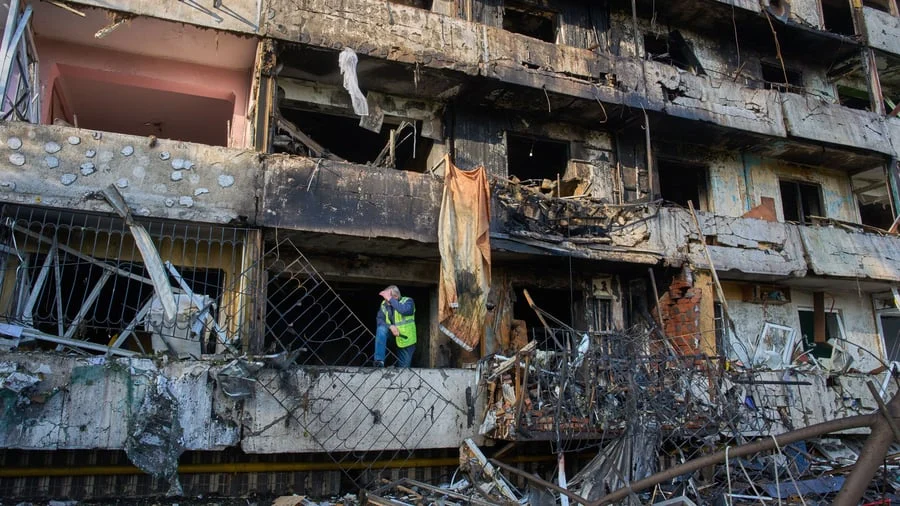
Russia has claimed to have launched a significant assault on targets in and around Kyiv, the Ukrainian capital. The Russian Ministry of Defense stated that the strikes were directed at military-industrial facilities, depots for cruise missiles and drones, and data centers. This claim comes amidst an ongoing conflict that has seen persistent aerial attacks from both sides, impacting civilian infrastructure and raising international concerns.
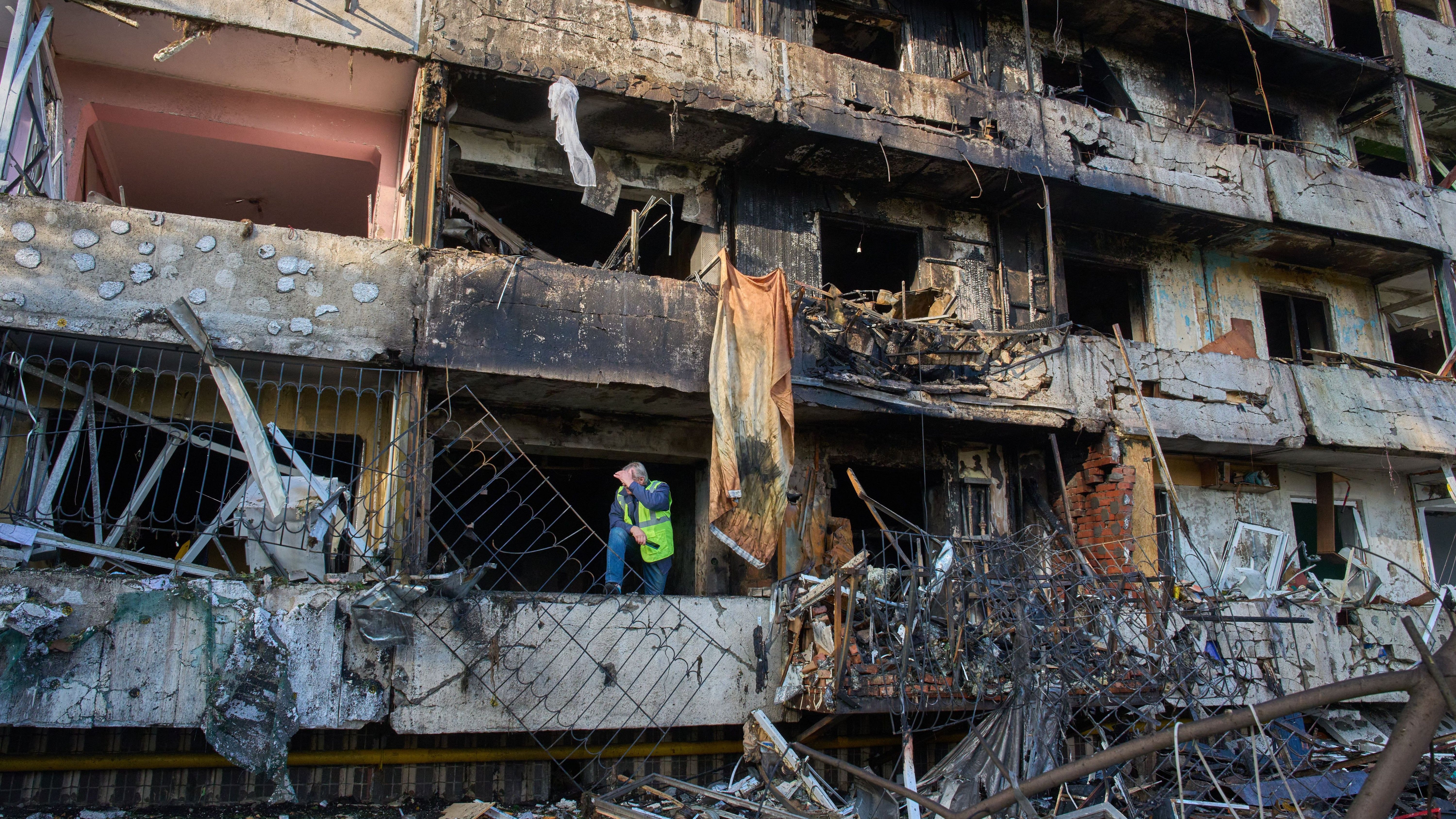
The reported offensive on Kyiv signifies a potential escalation in Russia’s strategy, aiming to cripple Ukraine’s military capabilities and strategic assets. Such attacks, if confirmed to have caused significant damage or civilian casualties, would represent a serious development in the protracted conflict, further intensifying the humanitarian crisis and diplomatic tensions.
Background Context:
The conflict between Russia and Ukraine, which began with Russia’s full-scale invasion in February 2022, has been characterized by a complex and often brutal exchange of military actions. Both sides have employed a range of tactics, including ground offensives, artillery bombardments, and extensive aerial attacks utilizing missiles and drones. The targeting of civilian infrastructure and critical energy facilities has been a recurring feature, leading to widespread disruption and hardship for the Ukrainian population. International observers and governments have repeatedly condemned such actions, calling for adherence to international humanitarian law and the protection of civilians.

Recent Developments in Aerial Warfare:
In recent months, there has been a notable increase in drone warfare and missile strikes across Ukraine. Ukraine has increasingly demonstrated its capability to launch drone attacks targeting Russian territory, including Moscow and other strategic locations, as a means of retaliation and deterrence. Russia, in turn, has continued its barrage of missile and drone strikes against Ukrainian cities and infrastructure, often claiming to target military-related assets. The effectiveness and accuracy of these strikes, as well as the extent of damage caused, are often subjects of conflicting reports from both sides and independent verification remains challenging.
Russia’s Claim of Targeting Military-Industrial Complexes:
The specific mention of targeting "military-industrial facilities, depots for cruise missiles and drones, and data centers" by the Russian Ministry of Defense suggests a strategic intent to degrade Ukraine’s capacity to produce and deploy advanced weaponry. Such targets are critical for sustaining Ukraine’s defense efforts and are often located in or near urban centers, raising concerns about collateral damage and civilian safety. The effectiveness of such strikes in achieving their stated objectives is often debated, with Ukraine frequently reporting successful air defense interceptions.
Timeline of Key Events and Reports:
- Recent Weeks: A discernible increase in drone attacks by both Ukraine and Russia has been observed. Ukraine has targeted Russian territory, including oil terminals and military infrastructure, while Russia has continued its missile and drone campaigns against Ukrainian cities and energy infrastructure.
- Specific to the Reported Kyiv Attack: The Russian Ministry of Defense issued a statement detailing a heavy assault on targets in and around Kyiv. The precise timing and full extent of the damage are yet to be independently verified.
- Previous Attacks on Energy Infrastructure: This reported attack on Kyiv follows a pattern of Russian strikes targeting Ukraine’s energy sector, which has been a primary focus in recent months, aimed at disrupting power supply and impacting civilian life, particularly as winter approaches.
- Ukrainian Drone Attacks: In parallel, Ukraine has continued to conduct drone operations targeting Russian territory, aiming to disrupt logistics and demonstrate its reach. Reports from both sides often present conflicting narratives regarding the success of these operations.
Supporting Data and Observations:
- Air Defense Success Rates: Ukraine has consistently reported high interception rates for incoming Russian missiles and drones, often attributing this success to Western-supplied air defense systems. However, even with high interception rates, some projectiles can penetrate air defenses, leading to damage and casualties.
- Nature of Drone Warfare: The increasing reliance on drones by both sides highlights a shift in modern warfare. Drones offer a cost-effective means of surveillance and attack, and their proliferation poses significant challenges for traditional air defense systems.
- Impact on Civilian Infrastructure: Reports from international organizations and media outlets have frequently documented the severe impact of the conflict on Ukraine’s civilian population and infrastructure, including damage to residential buildings, hospitals, and critical utilities.
Official Responses and Reactions:
- Russian Ministry of Defense: The primary source of the claim, stating the specific targets and nature of the assault.
- Ukrainian Government: Ukraine’s Ministry of Defense and the Air Force are expected to provide details on air defense performance and any damage incurred. President Zelenskyy’s office typically comments on significant attacks, often condemning Russian aggression and calling for increased international support.
- International Community: Governments and international organizations, such as the United Nations and NATO, are likely to issue statements condemning the attacks, urging de-escalation, and reiterating calls for adherence to international law. The European Union and the United States have consistently condemned Russian attacks on civilian infrastructure and have provided substantial military and financial aid to Ukraine.
Analysis of Implications:

- Escalation of Conflict: A successful and damaging attack on Kyiv could be interpreted as a significant escalation, potentially prompting a stronger response from Ukraine and its allies.
- Psychological Impact: Such attacks aim to demoralize the Ukrainian population and undermine their resolve. However, they have historically served to strengthen Ukrainian resistance and galvanize international support.
- Humanitarian Concerns: The potential for civilian casualties and damage to essential services remains a primary concern. The targeting of densely populated areas or critical infrastructure invariably leads to humanitarian consequences.
- Diplomatic Ramifications: Renewed heavy attacks on civilian centers often lead to increased diplomatic pressure on Russia and further isolation on the international stage. Conversely, they can also harden negotiating positions and make a peaceful resolution more elusive.
The reported Russian assault on Kyiv underscores the ongoing intensity of the conflict and the continued reliance on aerial bombardment as a key military tactic. The coming hours and days will be crucial for independent verification of the claims and for assessing the true extent of the damage and any human cost. The international community will be watching closely for further developments and for the responses of both warring parties and their global partners.
Additional Context and Developments:

Reports of Russian Government Reorganization and Personnel Changes:
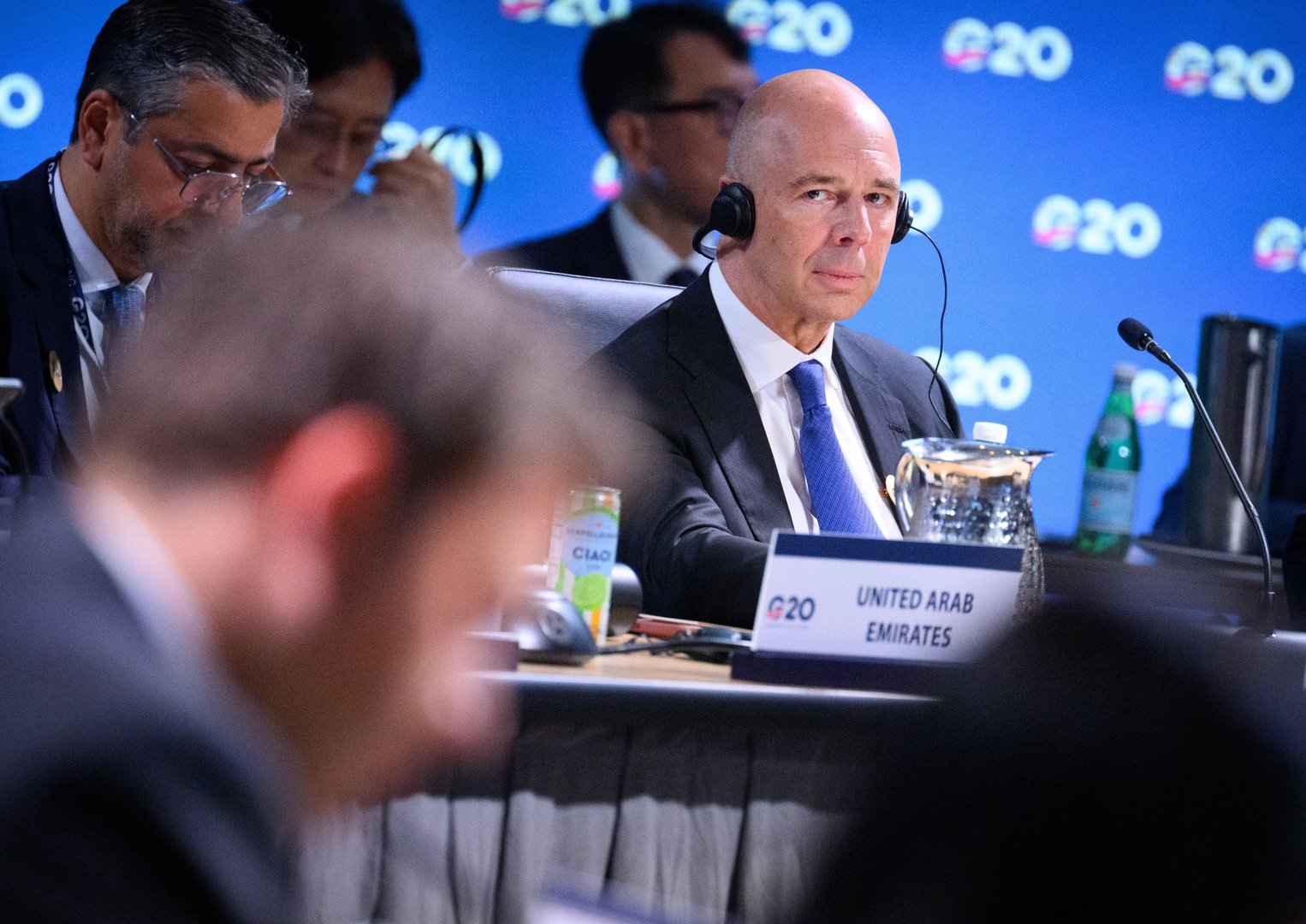
Amidst the ongoing conflict, reports have emerged from Russia concerning a significant government reshuffle. Finance Minister Anton Siluanov is reportedly being promoted to the position of one of several Vice Prime Ministers. This move, reportedly approved by President Vladimir Putin upon the proposal of Prime Minister Mikhail Mishustin, comes at a time when Russia is seeking new revenue streams to address a growing budget deficit. Such internal adjustments within the Russian government can be indicative of shifting priorities, particularly in managing the economic strain of prolonged military engagement. The timing, following parliamentary elections in September, suggests an effort to consolidate power and streamline governance in response to domestic and international pressures.
Maritime Incidents in the Black Sea:
The conflict has also extended to maritime operations. Russia has claimed to have attacked a freighter in the Black Sea, reportedly carrying military cargo. The vessel was allegedly located southwest of the port city of Odesa. Such incidents highlight the continued strategic importance of the Black Sea for both military logistics and international trade. The naval dimension of the conflict poses risks to shipping and further complicates the already precarious global supply chains for crucial commodities like grain.

Allegations of Russian Peace Summit Proposals:
A report in the Wall Street Journal, citing a former Russian intelligence officer, suggests that President Putin proposed a summit to discuss an end to the Ukraine war with U.S. President Donald Trump and Chinese President Xi Jinping. The proposed meeting, allegedly discussed in an October phone call between Putin and Trump, also purportedly included an agreement for the U.S. to purchase Russian diesel fuel and facilitate its sale on the global market. This alleged initiative, if true, would represent a significant diplomatic maneuver, attempting to leverage international relationships to achieve favorable terms for Russia in the conflict. However, such claims require independent verification and have not been officially confirmed by the parties involved.
U.S. Sanctions Policy and Trump’s Stance:
The reported suspension of new sanctions against Russia by U.S. President Donald Trump has drawn considerable attention and criticism. Trump has stated that his decision is intended to keep Russia at the negotiating table, asserting, "I am in the process of negotiating a peace deal between Russia and Ukraine, and I don’t want to do anything that would foolishly drive Russia from the negotiating table." This rationale has been met with skepticism, with analysts suggesting potential political motivations, such as influencing energy prices before midterm elections. The suspension of sanctions, particularly those previously approved by Congress, has sparked bipartisan criticism, with some lawmakers viewing it as a concession to Russia and a potential betrayal of Ukraine. Senator Marco Rubio has defended the administration’s move, citing the need for analysis of the global economic impact of such sanctions.

Ukrainian President Zelenskyy’s Concerns and U.S. Support:
Ukrainian President Volodymyr Zelenskyy has expressed deep concern over potential shifts in U.S. policy towards Russia, warning that a divergence in U.S. and Ukrainian stances could jeopardize Ukraine’s ability to sustain its defense efforts. He has voiced particular worry over the potential reduction of U.S. support, describing it as a "historic mistake" and a "great tragedy." Zelenskyy has also highlighted recent disruptions in the provision of critical U.S. intelligence and access to the Starlink satellite network, suggesting these actions could inadvertently aid Russian aggression. Despite these concerns, the U.S. administration has reportedly resumed sharing intelligence with Ukraine, and Zelenskyy has acknowledged this, while still emphasizing the need for consistent and robust support.
Lituania’s Accusations Against Russia:
Lithuania’s Prime Minister, Mindaugas Sinkevicius, has linked a recent attempted arson at a company storing Starlink equipment to Russia, characterizing it as an act of sabotage and part of Russia’s hybrid warfare. The incident, which was reportedly thwarted due to enhanced security measures, underscores the strategic importance of Starlink for Ukraine’s defense operations and the potential for Russia to target such critical infrastructure. Similar incidents have been reported in Poland and Bulgaria, further suggesting a coordinated effort to disrupt Ukraine’s technological capabilities.

Broader Impact on Global Energy and Food Security:
The ongoing conflict continues to have significant repercussions on global energy and food markets. Russia’s actions, including its alleged targeting of energy infrastructure and its role as a major energy exporter, directly influence global energy prices. Similarly, disruptions to Ukrainian grain exports, a vital component of global food security, have led to price volatility and concerns about shortages, particularly in developing nations.
The complex interplay of military actions, diplomatic maneuvering, and economic consequences continues to shape the trajectory of the Ukraine conflict. The reported attacks on Kyiv, alongside the various diplomatic and strategic developments outlined above, indicate a dynamic and evolving situation with far-reaching implications for regional and global stability.
