

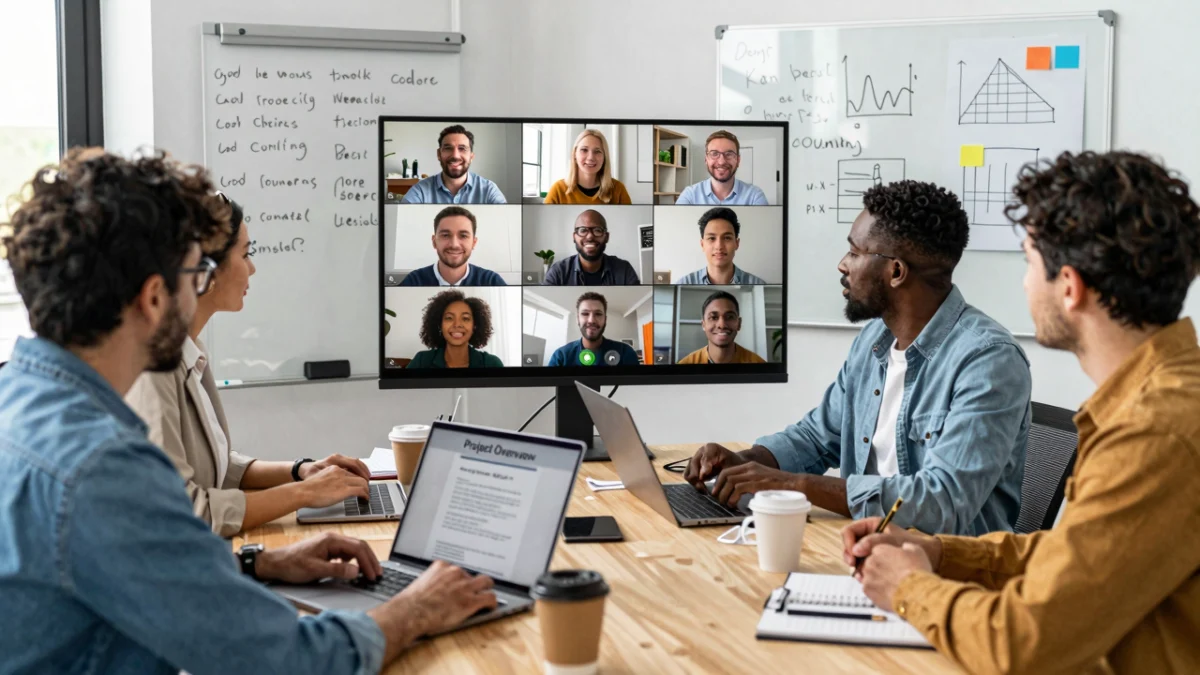
The transition to remote and hybrid work models has transformed the global corporate landscape, moving from a temporary crisis response to a permanent operational standard for millions of organizations. This shift has necessitated a fundamental re-evaluation of how managers oversee productivity, communication, and employee well-being across distributed teams. As the "work from anywhere" culture matures, the reliance on a sophisticated technological stack has become the primary differentiator between high-performing distributed organizations and those struggling with fragmentation. Effective remote employee management now requires a multi-layered approach that integrates real-time communication, structured project tracking, and a proactive focus on digital security and mental health.
The Evolution of Remote Management: A Chronology of Change
To understand the current necessity for management tools, one must look at the rapid evolution of the workplace over the last decade. Prior to 2020, remote work was often viewed as a perk reserved for freelancers or specific tech sectors. The 2020 global pandemic acted as a catalyst, forcing a decade’s worth of digital transformation into a few months. By 2021, the focus shifted from basic connectivity to "zoom fatigue" and the need for asynchronous workflows.

As of 2024, the landscape has entered a phase of optimization. Organizations are no longer just looking for a way to "get by" remotely; they are seeking to maximize efficiency. Recent industry data suggests that companies utilizing a comprehensive suite of management tools report significantly higher levels of employee retention. Furthermore, some organizations have documented productivity increases of up to 76% after streamlining their project management and time-tracking protocols. This chronology demonstrates that the tools of the trade have evolved from optional conveniences to essential infrastructure.
Bridging the Communication Gap
In a physical office, communication is often organic and spontaneous. In a remote setting, communication must be intentional and structured. Fragmented communication is one of the most cited reasons for project failure in distributed teams. To combat this, industry leaders have converged on a tiered communication strategy.
Platforms like Microsoft Teams and Slack serve as the "digital headquarters" for modern enterprises. Microsoft Teams, which integrates video conferencing, instant messaging, and file sharing, has become a staple for larger corporations due to its ability to connect with over 2,000 external applications. Slack, conversely, is favored for its channel-based organization, which allows for real-time messaging that mimics the flow of a natural conversation.

However, the modern communication stack also includes tools for asynchronous interaction. Loom, a video recording platform, allows managers to share screen recordings and updates that employees can watch at their convenience. This reduces the need for synchronous meetings, which is vital for teams operating across multiple time zones. By diversifying communication channels, managers can ensure that everyone stays informed without the burden of constant "meeting bloat."
Enhancing Productivity Through Structured Project Management
Visibility is the cornerstone of trust in a remote environment. Without physical oversight, managers require real-time data on task progress and resource allocation. Project management tools such as Asana, Trello, and Monday.com provide this visibility by creating a centralized "source of truth" for every project.
Trello utilizes a visual Kanban board system, which is particularly effective for teams that need to see the lifecycle of a task from "To-Do" to "Done." Asana offers more robust workflow management features, allowing for complex dependencies and long-term roadmap planning. For highly specialized fields, such as software development, Jira remains the industry standard for agile project management and issue tracking.

The implementation of these tools does more than just track tasks; it builds accountability. When every team member can see who is responsible for a specific deliverable and when it is due, the need for constant status updates is eliminated. This transparency fosters a culture of autonomy, where employees are empowered to manage their own schedules while remaining aligned with organizational goals.
The Role of Time Tracking and Accountability
Accountability remains a sensitive but necessary component of remote work. Rather than serving as a tool for "micromanagement," modern time-tracking software like Harvest or Toggl is used to provide transparency in work performance and project billing. By logging hours spent on specific tasks, teams can identify productivity trends and pinpoint bottlenecks that may be hindering progress.
For many organizations, these tools are essential for financial management. They allow managers to set hour limits for tasks and receive alerts when budgets are nearing their threshold. Furthermore, the data generated by these tools is invaluable during performance reviews, providing objective evidence of an employee’s contributions and effort. When implemented correctly—with a focus on resource management rather than surveillance—time tracking helps maintain a fair and balanced workload across the entire remote workforce.

Document Collaboration and Data Security
In a remote setting, the "paper trail" is entirely digital. Document collaboration tools have become the backbone of team efficiency, allowing multiple users to edit files simultaneously and share information securely. Google Workspace and Microsoft OneDrive are the dominant players in this space, offering real-time editing capabilities that ensure everyone is working from the most current version of a document.
However, the shift to cloud-based collaboration brings significant security responsibilities. Managers must ensure that their remote management tools comply with international regulations such as the General Data Protection Regulation (GDPR) and the Health Insurance Portability and Accountability Act (HIPAA). This includes implementing robust security features such as:
- Two-Factor Authentication (2FA): Adding a mandatory second layer of security for all logins.
- Role-Based Access Control: Limiting access to sensitive data based on the specific needs of an employee’s role.
- Encrypted File Sharing: Ensuring that data is protected both in transit and at rest.
- Regular Security Audits: Training teams to recognize phishing attempts and other cyber threats.
Tools like PandaDoc have also gained prominence for their ability to streamline contract management and electronic signatures, ensuring that legal and administrative workflows remain uninterrupted by physical distance.

Navigating Logistics: Scheduling and Time Zone Coordination
One of the most persistent challenges of global remote work is the coordination of schedules across different geographic regions. Tools like Calendly and Doodle have simplified the process of finding mutually convenient meeting times. Calendly allows individuals to set their availability and sync it with their personal calendars, enabling others to book time without the back-and-forth of multiple emails.
For larger teams, World Time Buddy and the built-in time zone features of Google Calendar provide essential clarity. These tools help prevent the common pitfall of scheduling meetings during an employee’s non-working hours, which is a critical factor in maintaining work-life balance and preventing burnout.
Prioritizing Employee Wellness and Engagement
Perhaps the most overlooked aspect of remote management is the psychological impact of isolation. Without the social fabric of an office, employees can feel disconnected from the company culture. To combat this, forward-thinking organizations are integrating wellness tools into their management strategies.

Employee recognition systems, such as Bonusly or Kudos, allow team members to give "shout-outs" and rewards to their peers, fostering a positive work environment. Mental health apps and virtual team-building activities—such as digital coffee breaks or online wellness challenges—help maintain morale and high job satisfaction. By leveraging a global HR system to monitor these engagement metrics, companies can proactively address signs of burnout and ensure that their remote team feels valued and supported.
Analysis of Implications and Future Trends
The integration of these tools represents more than just a technological upgrade; it signifies a shift toward a results-oriented work environment. In this new paradigm, performance is measured by output and impact rather than "hours at a desk." This shift has profound implications for the future of global hiring. With the right management stack, companies are no longer limited by local talent pools; they can hire the best candidates regardless of their physical location, supported by global payroll and HR software that handles the complexities of international employment law.
Furthermore, as artificial intelligence (AI) continues to integrate with these platforms, we can expect even greater levels of automation in project tracking and administrative tasks. AI-driven insights may soon be able to predict project delays before they happen or suggest optimal meeting times based on a team’s historical productivity patterns.

Conclusion
Effectively managing a remote workforce is a complex endeavor that requires a deliberate blend of technology and human-centric strategy. By integrating communication platforms like Slack, project management tools like Asana, and robust document collaboration systems, organizations can create a seamless digital workspace. However, the success of these tools ultimately depends on a foundation of trust, accountability, and a commitment to employee wellness. As the remote work landscape continues to evolve, those who master these tools will be well-positioned to drive success in an increasingly distributed world.
