

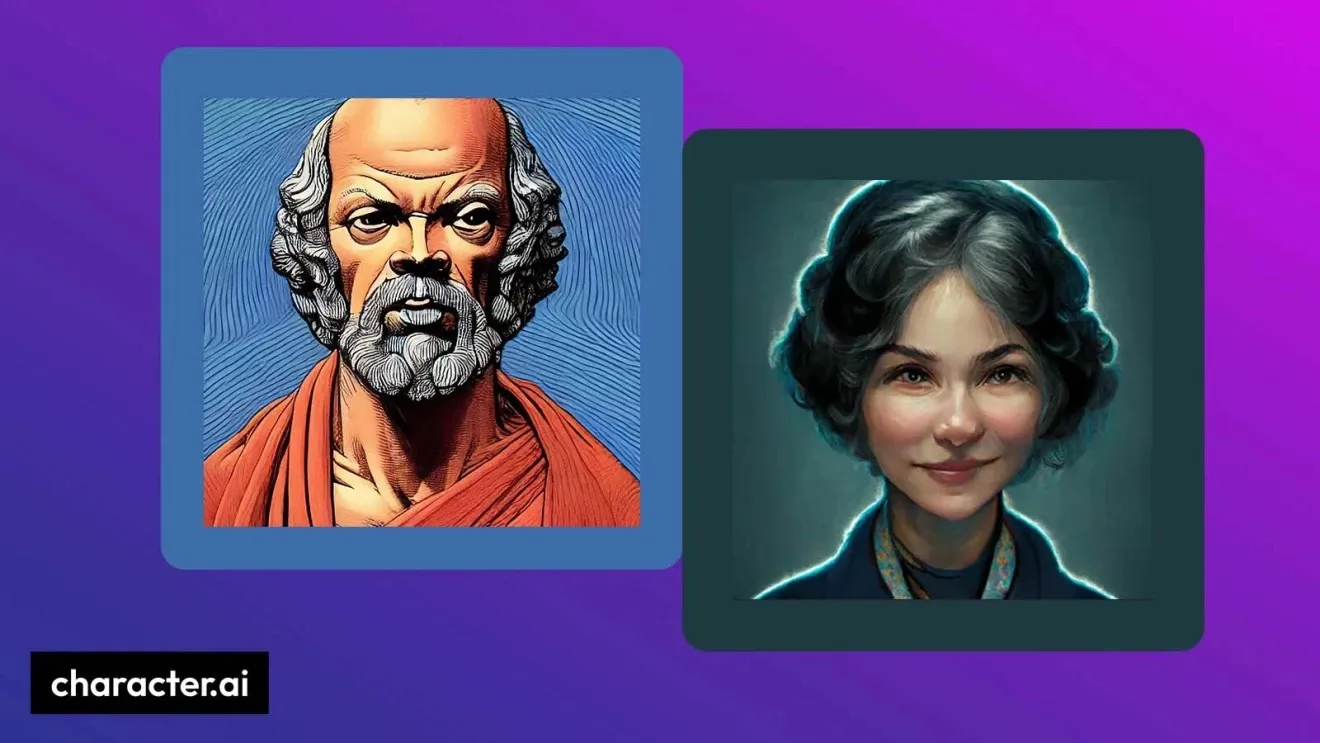
The innovative chatbot startup Character.AI, once lauded for its pioneering advancements in interactive artificial intelligence, has officially filed for bankruptcy, marking a significant turn in its trajectory. This development, which emerged earlier this week, is swiftly followed by news that entertainment behemoth Disney is poised to offer a lifeline to a substantial portion of Character.AI’s workforce, integrating their talent into its own burgeoning technology division. The move underscores both the intense pressures faced by AI startups and the strategic imperative for established giants like Disney to aggressively court AI expertise.
The bankruptcy filing, a stark contrast to Character.AI’s prior image as a rapidly growing AI disruptor, has paved the way for a unique agreement with Disney. A legal document, subsequently spotlighted by Bloomberg, detailed the specifics of this arrangement. Disney has committed to extending employment offers to a minimum of 60 Character.AI employees, representing the vast majority of the company’s remaining workforce. This significant talent acquisition comes with an estimated annual compensation package totaling $60 million, signaling Disney’s serious investment in securing top-tier AI professionals. Furthermore, Disney has agreed to acquire a select portion of Character.AI’s assets for a sum of $20 million, a strategic maneuver that will likely bolster Disney’s internal AI capabilities. The filing also indicated that the "vast majority" of Character.AI employees who received these offers have accepted them, suggesting a relatively smooth transition for the affected individuals. However, it is crucial to note that this agreement functions as a "stalking horse bid" in the bankruptcy proceedings, meaning other entities still have the opportunity to submit higher or more favorable offers for Character.AI’s assets, potentially altering the final outcome.
The Rise and Fall of Character.AI: A Timeline of Innovation and Turmoil
Character.AI emerged onto the scene with considerable fanfare, founded by former Google Brain researchers Noam Shazeer and Daniel De Freitas. Launched in late 2022, the platform quickly gained traction by offering users the ability to create and interact with AI chatbots designed to emulate a wide array of personalities, from historical figures and fictional characters to entirely novel creations. Its intuitive interface and sophisticated underlying large language models (LLMs) allowed for remarkably engaging and often surprisingly nuanced conversations, attracting a "large and engaged user base" drawn to the novelty and personalized nature of the interactions. The company rapidly secured substantial venture capital funding, with early rounds propelling its valuation into the hundreds of millions, reflecting investor confidence in the burgeoning conversational AI market. Its promise was to democratize advanced AI interaction, making complex models accessible and fun for everyday users.
However, beneath the veneer of rapid growth and user engagement, Character.AI faced a confluence of challenges that ultimately proved insurmountable. The company’s legal filings cited "high costs" and "potential litigation-related liabilities and regulatory engagement" as primary drivers for its financial distress and subsequent bankruptcy. These factors highlight systemic issues within the fast-evolving AI sector, where innovation often outpaces profitability and regulatory frameworks.
The financial burden of operating a cutting-edge AI platform is immense. Training and running sophisticated large language models require vast computational resources, including expensive specialized hardware like GPUs, immense data storage, and significant energy consumption. Cloud computing costs alone for a platform serving millions of active users can run into tens of millions annually. Furthermore, the competition for top AI talent is fierce, leading to high salaries and recruitment costs. While Character.AI successfully attracted a significant user base, effectively monetizing that base to offset these astronomical operational expenses proved to be a persistent hurdle, a common challenge for many AI startups navigating the path from viral popularity to sustainable business models.
Compounding these financial pressures were significant legal and ethical controversies that cast a shadow over the company. In late 2024, Character.AI faced a high-profile lawsuit from the mother of a 14-year-old boy who tragically died by suicide. The lawsuit alleged that her son had developed an obsessive relationship with one of Character.AI’s chatbots, which she claimed contributed to his deteriorating mental state. This case ignited a national conversation about the ethical responsibilities of AI developers, the psychological impact of AI interaction on vulnerable users, and the necessity for robust safety protocols and content moderation. The incident underscored the profound societal implications of powerful AI tools, particularly when accessed by minors, and the nascent understanding of how deeply these interactions can affect human psychology.
Simultaneously, Character.AI became the subject of government investigations concerning child safety. The Attorney General of Texas, among other regulatory bodies, reportedly launched inquiries into the platform’s practices regarding the protection of minors, data privacy, and the potential for inappropriate or harmful content generation. These investigations, which gained momentum through 2024, reflected a broader regulatory push to establish guidelines and accountability for AI companies, particularly those whose services are accessible to young users. The lack of clear industry standards and regulatory precedents in the rapidly advancing AI space left companies like Character.AI navigating uncharted waters, vulnerable to legal challenges and public scrutiny.

Disney’s Strategic Embrace of AI Talent
The unfolding drama at Character.AI takes on an intriguing dimension with Disney’s intervention, largely influenced by the recent appointment of Karandeep Anand as the entertainment giant’s first-ever Chief Technology Officer (CTO). Anand, who previously served as CEO of Character.AI, transitioned to Disney in September 2026, bringing with him intimate knowledge of the AI startup’s capabilities and its highly skilled workforce. This move signaled Disney’s aggressive pivot towards integrating advanced technology, particularly AI, into every facet of its sprawling empire.
Disney’s decision to absorb a significant portion of Character.AI’s talent and acquire select assets is a strategic masterstroke, aligning with its broader technological transformation agenda. As its first CTO, Anand is tasked with driving innovation across Disney’s diverse portfolio, from its streaming services and theme parks to its legendary animation studios and consumer products. The integration of Character.AI’s engineers, data scientists, and AI researchers provides Disney with an immediate and substantial boost in its internal AI expertise. This influx of talent is invaluable for a company looking to leverage AI for personalized content recommendations, immersive storytelling experiences, advanced animation techniques, operational efficiencies in its parks, and potentially even new forms of interactive entertainment.
The acquisition of certain Character.AI assets for $20 million likely includes specific technologies, intellectual property, or datasets that Disney deems valuable for its future endeavors. While the exact nature of these assets remains undisclosed, they could range from specialized conversational AI models, proprietary data on user interaction, or tools for character generation and personality mapping. These assets, combined with the acquired human capital, position Disney to accelerate its development of AI-driven solutions across its vast ecosystem. This move is not merely about rescuing a troubled startup; it is a calculated investment in foundational AI capabilities that will shape Disney’s competitive edge in the digital age.
Broader Implications for the AI Industry and Beyond
Character.AI’s bankruptcy and subsequent talent absorption by Disney offer several crucial takeaways for the wider technology and AI industries. Firstly, it underscores the intense economic pressures faced by even highly popular AI startups. The "build fast, break things" ethos of Silicon Valley often clashes with the immense capital requirements of developing and deploying cutting-edge AI, leading to high burn rates and, as seen here, potential insolvency despite significant user engagement. This event serves as a cautionary tale about the challenges of sustainable monetization in the AI space, where the cost of compute often outstrips immediate revenue generation.
Secondly, the incident highlights the escalating importance of ethical AI development and robust regulatory frameworks. The legal battles and government investigations faced by Character.AI are not isolated incidents but rather symptomatic of a growing global concern regarding AI safety, bias, privacy, and its societal impact. Companies operating in the AI domain must now contend with an increasingly complex landscape of legal liabilities and ethical considerations, necessitating proactive measures in content moderation, user protection, and transparent AI design. Regulators, still grappling with the pace of AI innovation, are likely to draw lessons from cases like Character.AI’s to inform future policies and enforcement actions, particularly concerning the interaction of AI with vulnerable populations.
For the employees of Character.AI, Disney’s intervention offers a "soft landing" – a rare opportunity for continuity and stability in the volatile world of tech startups. Their specialized skills in conversational AI, machine learning, and human-computer interaction are highly sought after, and their integration into Disney’s robust structure speaks volumes about the value placed on such expertise. This transfer of talent from a struggling startup to a global entertainment leader exemplifies the ongoing consolidation within the AI sector, where larger, more financially stable entities are acquiring specialized teams and technologies to accelerate their own AI roadmaps.
Ultimately, Character.AI’s story is a microcosm of the current state of the AI revolution: a landscape of breathtaking innovation, immense financial investment, profound ethical dilemmas, and a rapid reordering of corporate strategies. While Character.AI as an independent entity may cease to exist, its legacy will continue through the technology and talent it cultivated, now poised to contribute to the future of entertainment under the vast umbrella of The Walt Disney Company. The industry will undoubtedly watch closely to see how Disney leverages this acquired expertise and navigates the ethical complexities that ultimately contributed to Character.AI’s downfall, as it charts its course in an increasingly AI-driven world.
