

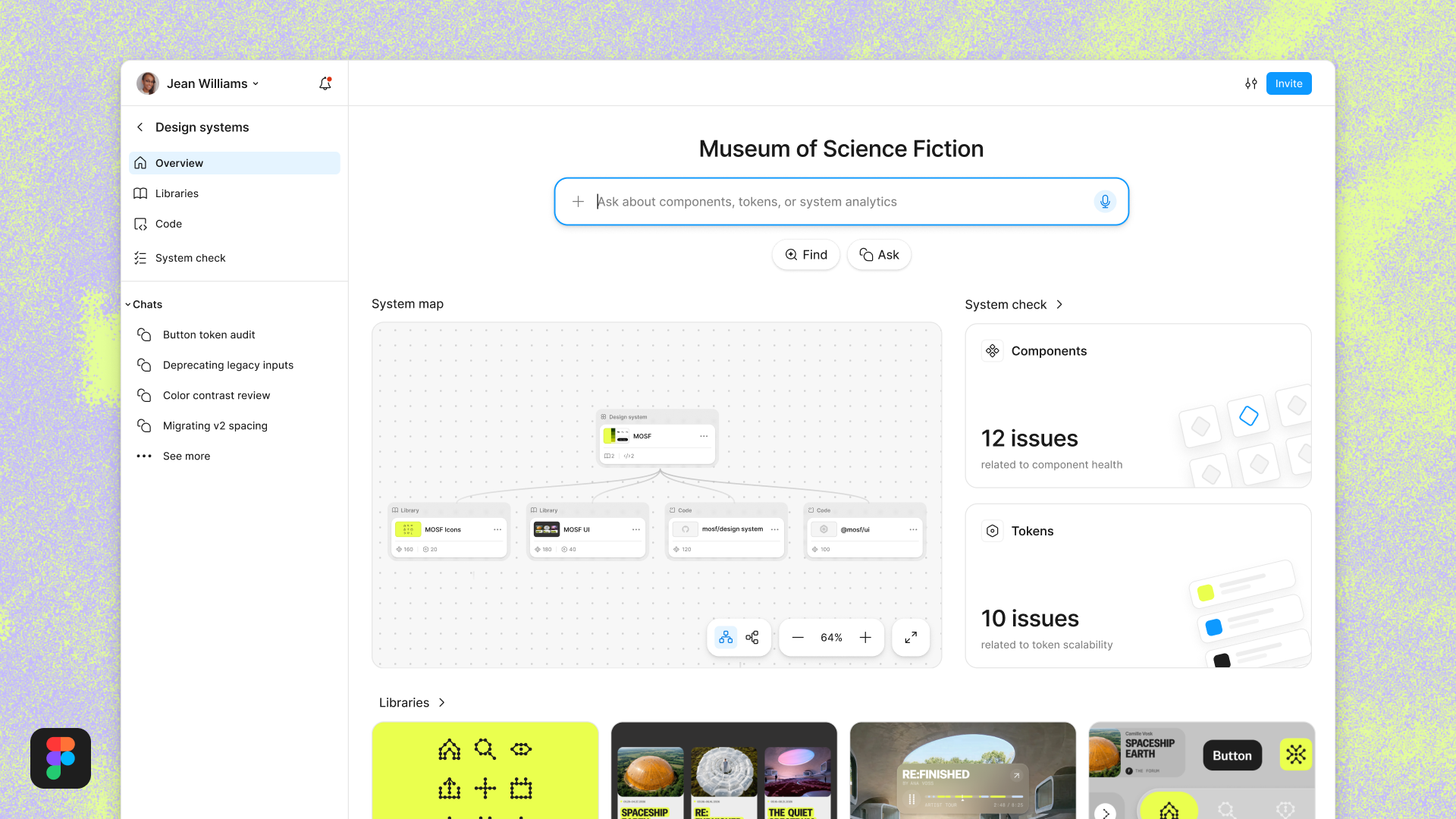
Figma, the ubiquitous design platform, recently made significant announcements at its inaugural Config event in India, signaling a strategic evolution towards a more integrated, AI-powered workflow for design and development teams. Central to these revelations was the debut of a new Markdown-based editor, Figma Specs, designed to meticulously define a company’s design language, integrate seamlessly with design and code libraries, and enhance cohesion with the Payload headless content management system. These advancements are specifically engineered to provide clearer guidelines for both human teams and third-party AI agents, ensuring adherence to brand design rules as AI increasingly becomes a co-creator in the design process.
The event, held in a market Figma identifies as its largest outside the United States, underscored the company’s commitment to global expansion and its vision for a future where design and code are inextricably linked and intelligently managed. The suite of new features aims to bridge historical gaps between creative vision and technical execution, making the entire product development lifecycle more efficient and consistent.
Revolutionizing Design Systems with Figma Specs
A cornerstone of Figma’s latest offerings is Figma Specs, a groundbreaking Markdown editor that allows users to formally define their design language with unprecedented clarity and integration. Design systems, which are comprehensive collections of reusable components and guidelines, have become indispensable for large organizations striving for consistency, efficiency, and scalability in their digital products. However, maintaining and communicating these systems effectively across vast and geographically dispersed teams has often presented a significant challenge.
Figma Specs directly addresses this by providing a simple, yet powerful, environment for documenting design principles, component usage, and brand guidelines. Unlike static documentation, Specs files can exist either as standalone reference documents within Figma or be embedded directly onto the canvas, placing critical information exactly where designers are working. This contextual access is vital, ensuring that guidelines are not just archived but actively utilized.
The true innovation lies in its deep integration capabilities. Beyond functioning as a standard text editor, Figma Specs allows users to reference and embed other crucial Figma elements. Designers can link directly to specific components on the canvas, embed interactive FigJam diagrams for collaborative brainstorming, and even pull in code layers for a holistic view of how design translates into development. This interconnectedness transforms static documentation into a dynamic, living system that evolves with the product itself.
The strategic implication of Figma Specs is profound, particularly in the age of generative AI. As design tools increasingly incorporate AI agents to assist with tasks, the "non-deterministic" nature of AI—its tendency to produce varied, sometimes unpredictable, outputs—poses a significant challenge to brand consistency. By providing a centralized, clearly defined design language within Figma Specs, companies can establish precise guardrails. These documents serve as an authoritative reference, guiding both human designers and AI agents to ensure that all creations, regardless of origin, align with the established brand identity and design rules. This proactive approach to AI governance in design is expected to mitigate potential inconsistencies and accelerate compliant output.
Bridging Design and Code: Code Layers in Public Beta
Further solidifying its commitment to streamlining the design-to-development handoff, Figma announced the public beta availability of its Code Layers feature. This functionality, which was initially unveiled in a private beta in June, marks a pivotal step in integrating development directly into the design canvas. Code Layers empowers designers and developers to embed actual code snippets and interactive elements within their Figma designs, fostering more realistic prototypes and reducing the back-and-forth typically associated with implementation.
Historically, the transition from design mockups to functional code has been a notorious bottleneck in software development. Designers often create visually perfect interfaces that developers then struggle to translate accurately into code, leading to discrepancies, rework, and delays. Code Layers aims to collapse this divide by allowing designers to understand the code implications of their choices and developers to visualize how code impacts the design in real-time.

With Code Layers, teams can create more interactive and high-fidelity prototypes. This means moving beyond static mockups to experiences that behave more like the final product, allowing for earlier user testing and more informed design iterations. The integration of Figma’s AI agent further enhances this capability; users can prompt the agent to generate code from a design element or modify existing code directly within the canvas, accelerating the prototyping process and enabling rapid experimentation. This ability to instantly see design changes reflected in code, or vice versa, promises to significantly reduce friction and improve collaboration between designers and engineers.
Loredana Crisan, Figma’s Chief Design Officer, articulated the broader context of this shift to TechCrunch, stating, "We see Figma as the place where software teams come to decide what they build and ship. And so for that, I think one of the key things to keep in mind about what AI has changed and what it made available is the ability to build. There are 17-times more lines of code being produced today than in the past. But when you’re looking at releases, only 1.3-times more releases. A lot of that code actually is not necessarily built to ship, but really built to discover what the product is. It’s built to design." Her statement highlights a critical industry trend: the explosion of code generation, often driven by AI, which demands tighter integration with the design process to ensure that this rapidly produced code is purposeful and aligned with user experience goals.
Strategic Content Management with Payload Integration
Another significant announcement at Config India was the deeper integration of Payload, the open-source headless content management system (CMS) that Figma acquired last year. This integration specifically targets Figma Make, the company’s product for generating dynamic websites, enabling users to directly manage content and data within their design workflows.
The acquisition of Payload in the previous year was a clear indicator of Figma’s ambition to expand beyond pure design into a more comprehensive platform that supports the entire digital product lifecycle, including content creation and management. Headless CMS solutions, which decouple the content repository from the presentation layer, have gained immense popularity for their flexibility, scalability, and ability to deliver content across multiple platforms (web, mobile, IoT) from a single source.
The integration with Figma Make allows designers and developers to connect their visual designs directly to content stored in Payload. This means that elements within a Figma design can be dynamically populated with real content, enabling the creation of robust, data-driven prototypes and even production-ready websites. For example, a designer can create a blog post layout in Figma, and the text, images, and author information can be pulled directly from Payload, showcasing a true representation of the final product.
The growth of Payload since its acquisition has been remarkable, with Figma reporting a sixfold increase in downloads over the last 12 months. This surge in adoption underscores the market’s demand for integrated solutions that combine powerful design tools with flexible content management capabilities. The synergy between Figma’s visual design environment and Payload’s content delivery system creates a powerful ecosystem for building dynamic and scalable web experiences, empowering teams to iterate faster and deploy with greater confidence. This move positions Figma not just as a design tool, but as a central hub for composable digital product development.
Guiding AI for Predictable Outcomes
Figma’s focus on defining design systems and integrating code is deeply intertwined with its strategy for responsible AI integration. Recognizing the inherent variability of AI outputs, the company is proactively providing tools to "steer it towards more predictable outcomes." The widespread availability of Figma’s AI agent on canvas to a broader user base highlights the immediate need for these control mechanisms.
The combination of Figma Specs, with its clearly articulated design rules, and the ability to integrate design libraries, code libraries, and established guidelines into a centralized system, forms the backbone of this steering mechanism. When an AI agent is tasked with generating design elements or code, it can refer to this comprehensive system to ensure its outputs adhere to brand standards, accessibility requirements, and functional specifications. This approach transforms AI from a potentially unguided creative force into a powerful, compliant assistant.
Furthermore, Figma’s commitment to an open ecosystem is evident in its support for over 20 new tools with its Multi-platform Compatibility Protocol (MCP). This includes integrations with innovative platforms like Open Code, Dia, Grok Bot, and notably, Indian AI startup Sarvam. By embracing a diverse range of tools and partners, Figma ensures that its ecosystem remains flexible and powerful, allowing users to leverage the best-of-breed solutions while maintaining consistency through Figma’s core governance features. This collaborative strategy fosters innovation while ensuring controlled, on-brand results, particularly as AI capabilities continue to advance.

India: A Strategic Growth Engine for Figma
The decision to host its inaugural Config event in India is a clear testament to the country’s burgeoning importance in Figma’s global strategy. Figma established its first office in India late last year, building out functions spanning sales, partnerships, go-to-market strategies, and product support. This investment reflects the market’s significant growth and potential.
India has emerged as a global technology powerhouse, boasting a rapidly expanding digital economy and a massive talent pool of designers, developers, and entrepreneurs. Figma has publicly stated that India represents its largest market in terms of users outside the United States, a remarkable statistic that underscores the depth of its penetration. The company further highlighted its strong presence by noting that its platform is utilized by 40% of India’s top 100 companies listed on the Bombay Stock Exchange.
This strong foothold in the Indian market is not merely about user numbers; it’s about strategic influence. India’s vibrant startup ecosystem, its large enterprise sector undergoing rapid digital transformation, and its position as a hub for global IT services make it an ideal environment for Figma to test new features, gather diverse user feedback, and expand its reach. The Config India event serves not only as a platform for product announcements but also as a crucial engagement opportunity with a critical segment of its global user base, reinforcing Figma’s commitment to localizing its presence and understanding regional nuances in design and development practices.
The continued investment in India reflects a broader trend among global tech giants recognizing the country’s strategic role in driving innovation and market growth. For Figma, a platform that thrives on collaboration and community, nurturing its Indian user base is paramount to its long-term success and ability to shape the future of design and development globally.
Broader Implications and Future Outlook
The announcements made at Config India signify a pivotal moment for Figma, reinforcing its position as more than just a design tool. By deeply integrating design systems, code, and content management, all guided by intelligent AI, Figma is evolving into a comprehensive platform that orchestrates the entire software product lifecycle.
For designers, these features promise a more structured and efficient workflow, freeing them from repetitive tasks and allowing them to focus on creative problem-solving. The clarity offered by Figma Specs means less ambiguity and more consistent outputs, particularly when collaborating with AI. For developers, Code Layers and Payload integration mean a smoother handoff, fewer discrepancies between design and code, and the ability to build dynamic products more rapidly. For product managers and business leaders, these tools offer greater control over brand consistency, accelerated time-to-market, and a more predictable development process.
The industry as a whole is witnessing a convergence of design, development, and content. Figma’s latest offerings are at the forefront of this trend, moving towards a future where the creative and technical aspects of product building are seamlessly interwoven. The emphasis on guiding AI, rather than merely implementing it, demonstrates a thoughtful approach to leveraging artificial intelligence as a powerful assistant that respects brand integrity and design principles.
As Figma continues to expand its global footprint and enhance its platform, these innovations will undoubtedly set new benchmarks for collaborative product development. The strategic focus on markets like India, coupled with a relentless pursuit of integration and intelligent automation, positions Figma to remain a dominant force in shaping how the world designs and builds digital experiences. The era of siloed design and development is giving way to a truly unified, intelligent, and collaborative ecosystem, and Figma is actively paving that path.
