

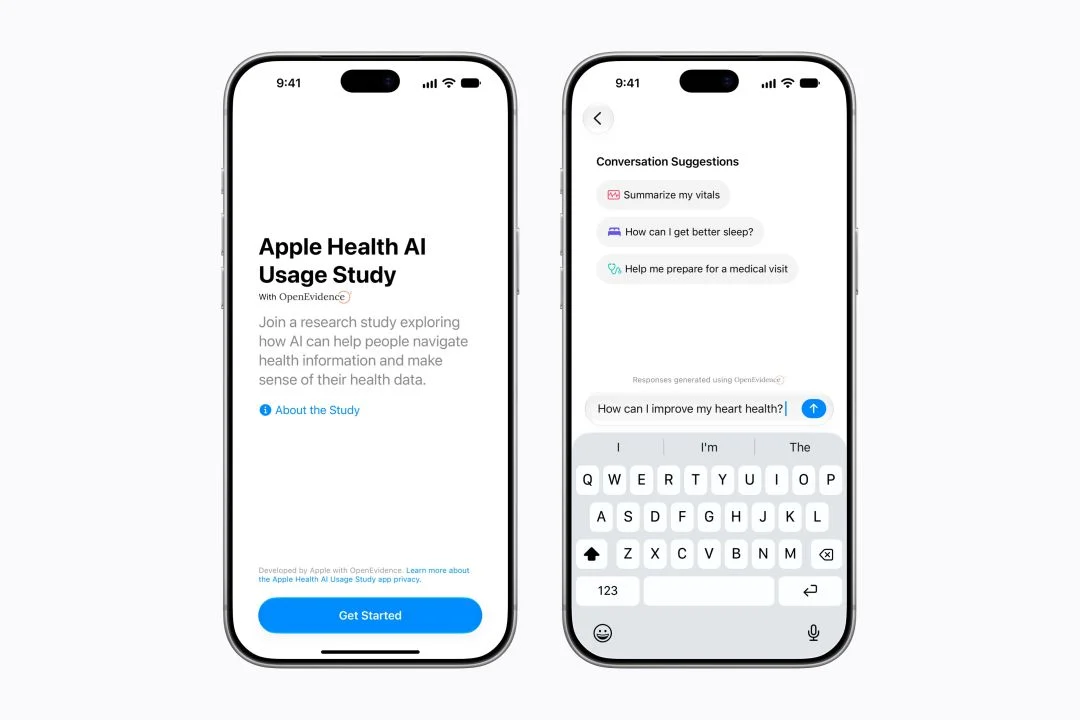
Cupertino, California – Apple, a long-standing innovator in consumer technology and increasingly a significant player in digital health, has officially launched a pioneering study aimed at understanding how individuals interact with and benefit from clinically grounded artificial intelligence when seeking health-related information. This initiative marks a distinct approach compared to other major AI laboratories, such as OpenAI and Anthropic, which have already begun rolling out specialized health-focused chatbots to the public. Apple’s strategy, emphasizing scientific rigor and clinical validation through a large-scale research study, underscores its commitment to responsible innovation in the sensitive domain of personal health.
A Deliberate Stance Amidst the AI Health Rush
The burgeoning field of artificial intelligence has seen rapid advancements, with large language models (LLMs) demonstrating impressive capabilities across various sectors. In healthcare, this has translated into a rush to deploy AI-powered tools designed to answer medical queries, assist in diagnostics, and streamline administrative tasks. Companies like OpenAI have introduced offerings like ChatGPT Health, and Anthropic has launched Claude for Healthcare, directly engaging users with AI-driven health information. OpenAI recently reported that its users were asking over 300 million health-related queries each week, signaling a massive public appetite for accessible health insights.
However, the direct application of general-purpose AI to healthcare presents significant challenges, primarily concerning accuracy, potential for misinformation, and data privacy. Misinformation in health can have severe consequences, leading to inappropriate self-treatment, delayed professional care, or heightened anxiety. Recognizing these inherent risks, Apple is not yet following the path of direct public deployment. Instead, it is embarking on an extensive research study to systematically evaluate the utility and efficacy of AI-driven health information, specifically focusing on responses derived from credible clinical data. This methodical approach aligns with Apple’s historical pattern of entering new, sensitive markets with a focus on user experience, privacy, and evidence-based development.
Introducing the Apple Health AI Usage Study
To facilitate this crucial research, Apple has partnered with OpenEvidence, a company specializing in AI solutions for healthcare that prioritize clinical data. Together, they have launched a new study app, now available for download to eligible participants in the U.S. The study is designed to be comprehensive, inviting users who are over 21 years of age, possess an iPhone 15 or later, are running iOS 26 or later, and have Apple Intelligence enabled. The ambitious goal is to enroll up to 200,000 participants and monitor their engagement and feedback over a period exceeding 12 months, providing a robust dataset for analysis.
The core functionality of the new study app mirrors that of popular chatbots like ChatGPT or Claude, allowing users to ask a wide array of health-related questions. The critical differentiator, however, lies in the source of its answers. Unlike general LLMs that might draw from a vast, unfiltered internet corpus, the Apple study app’s responses are "grounded in clinical data." This means the information provided is meticulously curated from highly reputable, peer-reviewed medical journals and databases, including prestigious publications such as The New England Journal of Medicine, the Journal of the American Medical Association (JAMA), and Nature. This commitment to evidence-based sources is paramount in ensuring the reliability and clinical accuracy of the information presented.

Apple has indicated that the app will strive to deliver simplified, understandable answers to everyday medical questions, making complex health information accessible to the average user. Participants will play an active role in the study by rating these answers and providing detailed feedback on the responses they receive. This continuous feedback loop is vital for refining the AI’s performance and understanding user comprehension. Additionally, participants will be asked to complete monthly surveys, gathering qualitative and quantitative data on their experiences and perceptions of using AI for health queries.
Leveraging Apple’s Health Ecosystem for Personalized Insights
A key advantage of Apple’s integrated ecosystem is the ability to connect various health data points. Participants in the study will have the option to share anonymized data from their HealthKit, Apple’s framework for managing health and fitness data. This can include metrics such as resting heart rate, activity levels, sleep patterns, and even lab results. By integrating this personal health data, the AI within the app can potentially offer more personalized and contextually relevant suggestions, moving beyond generic information to insights tailored to an individual’s health profile.
The utility of the app extends beyond simply answering questions. Apple envisions it as a tool that can empower users to better prepare for doctor’s visits, providing concise summaries of their queries and the information they’ve received, thereby facilitating more productive consultations with healthcare professionals. Furthermore, for questions related to concerning medical issues that require professional attention, the app is designed to guide users towards appropriate healthcare providers, emphasizing that AI is a supportive tool, not a replacement for human medical expertise.
Unwavering Commitment to Privacy and Data Security
Given the highly sensitive nature of health data, privacy and security are paramount concerns. Apple has explicitly outlined stringent measures to safeguard participant information within the study. All data collected will be anonymized before it is transmitted to a secure third-party cloud provider. Crucially, Apple has stated unequivocally that this data will not be used to train any kind of AI models, addressing a significant concern often associated with large language models and personal data. Furthermore, the company highlighted that its partner, OpenEvidence, will delete all query and response data within 24 hours, minimizing the retention period of potentially sensitive information.
This robust privacy framework aligns with Apple’s long-standing reputation for prioritizing user privacy across its products and services. In the context of healthcare, where regulations like HIPAA in the United States govern the protection of patient health information, Apple’s proactive approach to anonymization, secure storage, and limited data retention aims to build and maintain user trust. Dr. Sumbul Desai, M.D., Apple’s vice president of Health and Fitness, articulated this commitment, stating, “At Apple, we believe responsible innovation starts with scientific rigor and clinical grounding. Health is deeply personal, and conducting a dedicated research study is the most thoughtful way to understand how people engage with, comprehend, and evaluate health AI in everyday life.” She added, “Insights from this study will help advance the broader scientific conversation and ensure that as technology evolves, we continue building trusted tools that genuinely support people wherever they are on their health journey.”
Apple’s Broader Health Strategy and the Evolution of Digital Health

This new AI study is not an isolated endeavor but a logical extension of Apple’s decade-long commitment to health and wellness. Starting with the launch of the Health app and the Apple Watch, the company has steadily integrated health monitoring capabilities into its devices. Features like the Electrocardiogram (ECG), blood oxygen monitoring, temperature sensing, and fall detection have transformed the Apple Watch into a sophisticated personal health companion. Beyond hardware, Apple has actively participated in medical research, launching initiatives like the Apple Heart Study and the Apple Women’s Health Study, demonstrating its dedication to contributing to medical science through its vast user base and technological capabilities.
The introduction of Apple Intelligence, the company’s personal intelligence system, further solidifies its foundation for integrating advanced AI across its ecosystem. This health AI study represents a cautious yet strategic step towards leveraging Apple Intelligence to provide meaningful, reliable health insights directly to users. The company’s vision appears to be one where AI acts as an intelligent assistant, empowering individuals with knowledge and facilitating better engagement with their healthcare journey, rather than replacing human medical professionals.
Implications and the Road Ahead
The implications of Apple’s Health AI Usage Study are far-reaching. For Apple, a successful study could pave the way for integrating clinically grounded AI capabilities directly into its Health app or Siri, significantly enhancing the utility and personalization of its health offerings. This would not only strengthen its position in the rapidly growing digital health market, projected to reach hundreds of billions of dollars globally, but also reinforce its brand image as a responsible and trustworthy innovator in sensitive domains.
For users, the potential benefits are substantial. Improved access to accurate, understandable health information could lead to greater health literacy, better self-management of chronic conditions, and more informed conversations with healthcare providers. The ability to prepare for doctor visits with AI-generated summaries could streamline appointments and improve patient-provider communication, a persistent challenge in healthcare systems worldwide.
For healthcare providers and the broader medical community, this initiative presents both opportunities and challenges. While AI cannot replace the diagnostic and empathetic capabilities of human doctors, a reliable AI tool could serve as a valuable adjunct for patient education and preliminary information gathering. However, the medical community will undoubtedly watch closely to ensure that such tools maintain rigorous accuracy, adhere to ethical guidelines, and are always presented as supplementary resources rather than definitive medical advice. The study’s emphasis on clinical grounding and direct guidance to providers for concerning issues aims to mitigate the risk of misinterpretation or misuse.
The industry as a whole will observe Apple’s methodical approach. If successful, this study could establish a new benchmark for responsible AI development and deployment in highly regulated and sensitive sectors like healthcare, encouraging other tech companies to adopt more rigorous validation processes before launching AI-powered health solutions. The challenges remain significant, including ongoing regulatory scrutiny, the continuous need to update and validate clinical data, and ensuring equitable access to these advanced tools across diverse populations.
The Apple Health AI Study app is now available for download for eligible U.S. users, marking the beginning of what could be a transformative year-long endeavor. While Apple has yet to confirm plans for a broader release of AI-powered health answering features in its Health app or Siri, the immense demand for health-related AI queries, as demonstrated by other platforms, suggests a future where intelligent assistance plays an increasingly integral role in personal wellness. Apple’s calculated entry into this space, prioritizing research and clinical rigor, signifies a cautious but potentially impactful step towards a more informed and empowered healthcare future.
