

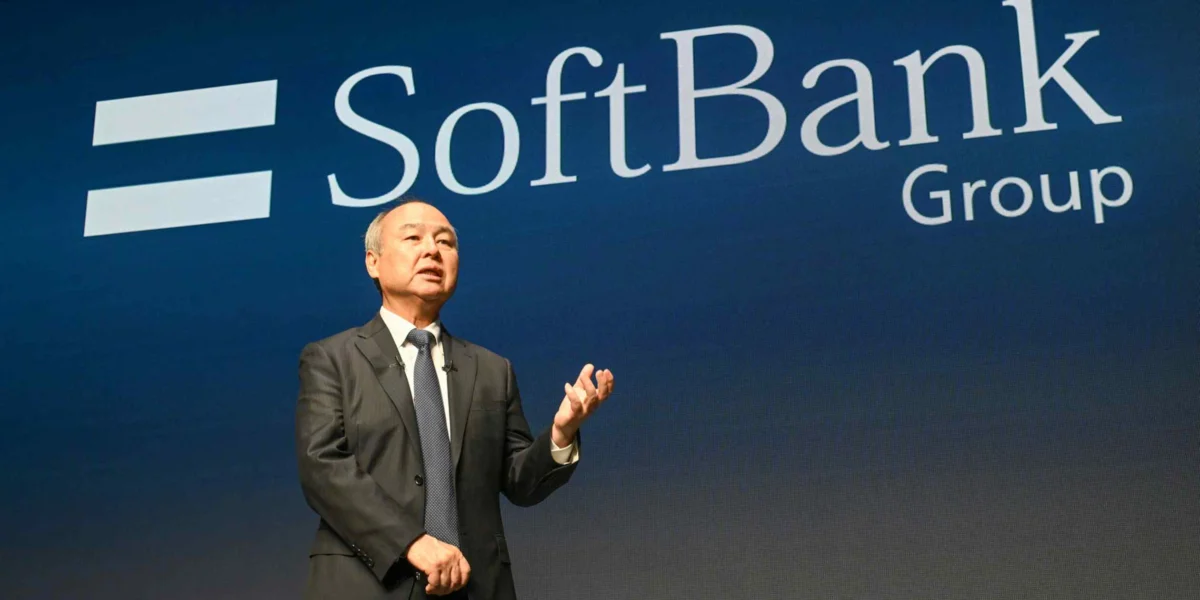
The intangible assets of brands, technologies, and customer relationships are experiencing a significant upswing in valuation across global listed companies, driven by a robust and ongoing wave of mergers and acquisitions (M&A). This trend is particularly pronounced in Japan, where technology and investment giants are actively reshaping their portfolios, leading to substantial increases in recorded goodwill on their balance sheets. SoftBank Group, a prominent player in this landscape, exemplifies this phenomenon, with its goodwill figures swelling considerably as a direct result of strategic acquisitions aimed at bolstering its technological and investment capabilities.
The Growing Significance of Goodwill in Corporate Finance

Goodwill, an accounting concept, represents the excess of the purchase price of an acquired company over the fair value of its identifiable net assets. It encompasses the unquantifiable value derived from factors such as a strong brand reputation, loyal customer base, proprietary technology, effective management, and positive employee relations. Historically, goodwill was often treated as a static asset. However, in recent years, its dynamic nature and increasing importance in reflecting a company’s true market value and competitive advantage have come to the forefront.
The current surge in M&A activity is a primary catalyst for this increased goodwill. Companies are increasingly looking beyond traditional revenue streams and tangible assets to acquire businesses that offer strategic synergies, access to new markets, cutting-edge innovations, or dominant market positions. These acquisitions, often involving premium valuations, naturally lead to a larger goodwill component on the acquiring company’s balance sheet.
SoftBank Group: A Case Study in Goodwill Appreciation

SoftBank Group’s recent financial performance offers a compelling illustration of this global trend. The Japanese conglomerate, known for its ambitious investments in technology and its visionary founder Masayoshi Son, has been at the forefront of high-profile acquisitions. These strategic moves have not only expanded its investment portfolio but have also significantly contributed to an increase in its reported goodwill.
For instance, SoftBank’s substantial investments in companies like ARM Holdings, a leading designer of semiconductor intellectual property, and various AI-focused startups, have been critical in shaping its future growth trajectory. When SoftBank acquires a company, it often pays a price that exceeds the fair value of the target’s identifiable net assets. This excess is recognized as goodwill. The rationale behind such premium valuations is the anticipated future economic benefits derived from the acquired entity’s intangible assets, such as its technological prowess, market leadership, and future growth potential.
The recent re-acquisition of ARM Holdings by SoftBank, following its prior sale to Nvidia (a deal that was ultimately blocked by regulators), has been a significant event. While the specifics of the valuation are complex, the intention to integrate ARM more closely into SoftBank’s ecosystem and leverage its technology for future AI advancements underscores the strategic importance placed on its intangible strengths. This type of strategic maneuvering, involving substantial capital deployment and a clear vision for synergistic integration, inevitably impacts goodwill calculations.

Global M&A Landscape and Its Impact
The global M&A market has experienced a renaissance in recent years. Driven by low interest rates (until recently), a desire for digital transformation, and the pursuit of market consolidation, deal-making has been exceptionally robust. Major sectors that have witnessed significant M&A activity include technology, healthcare, energy, and financial services.
In the technology sector, the pursuit of artificial intelligence (AI), cloud computing, cybersecurity, and semiconductor advancements has fueled a frenzy of acquisitions. Companies are racing to secure talent, intellectual property, and market share in these rapidly evolving fields. This competitive landscape often leads to bidding wars and higher acquisition premiums, directly inflating goodwill figures.

The pharmaceutical and biotechnology sectors have also seen substantial M&A activity, as larger companies seek to acquire innovative drug pipelines and research capabilities. Similarly, the energy sector has witnessed consolidation driven by the transition to renewable energy sources and the need for greater scale and efficiency.
Data and Supporting Evidence
Analyzing financial reports of major corporations reveals a consistent upward trend in goodwill. While specific figures fluctuate based on individual company strategies and market conditions, the aggregate increase in goodwill across listed companies is a clear indicator of the M&A boom. For example, a review of the balance sheets of major technology conglomerates would likely show a significant portion of their assets attributed to goodwill, reflecting their extensive acquisition histories.

Consider the broader economic context. The period leading up to 2026 has been characterized by significant technological disruption and a reassessment of business models. Companies that successfully navigate these shifts often do so through strategic acquisitions that bring in new capabilities or consolidate existing ones. This strategic imperative directly translates into M&A activity and, consequently, higher goodwill valuations.
Historical Context: The Evolution of Goodwill Accounting
The accounting treatment of goodwill has evolved significantly over time. In the past, goodwill was often amortized over a set period, systematically reducing its value on the balance sheet. However, accounting standards, such as those set by the Financial Accounting Standards Board (FASB) in the United States and the International Accounting Standards Board (IASB) globally, have shifted towards an impairment-based approach.

Under the current impairment model, goodwill is no longer amortized. Instead, it is tested annually (or more frequently if indicators of impairment exist) for any loss in value. If the carrying amount of goodwill exceeds its fair value, an impairment loss is recognized, reducing the goodwill on the balance sheet and impacting the company’s net income. This shift places greater emphasis on the ongoing assessment of the value of acquired intangible assets.
Official Responses and Market Reactions
While companies are generally pleased with the strategic benefits derived from acquisitions that lead to increased goodwill, the accounting implications are closely watched by investors and analysts. A substantial goodwill balance can signal aggressive acquisition strategies and a reliance on future growth from acquired entities.

Investors often scrutinize goodwill figures as part of their due diligence. A high proportion of goodwill relative to total assets can be a red flag if the underlying acquired businesses are not performing as expected, leading to potential impairment charges. Conversely, consistent growth and successful integration of acquired companies can validate the goodwill recognized.
Financial analysts play a crucial role in interpreting these figures. They assess the quality of goodwill by examining the strategic rationale behind acquisitions, the performance of acquired entities, and the overall economic environment. Their reports and recommendations often guide investor sentiment regarding companies with significant goodwill balances.
Broader Implications and Future Outlook

The rising value of goodwill has several broader implications for the corporate landscape:
- Strategic Imperative for M&A: The trend reinforces the strategic importance of M&A as a tool for growth, innovation, and market consolidation, particularly in rapidly evolving sectors like technology. Companies that fail to engage in strategic M&A risk falling behind competitors.
- Focus on Intangible Asset Management: The increased emphasis on goodwill highlights the growing importance of managing and nurturing intangible assets. Companies need robust strategies for integrating acquired businesses, leveraging their unique strengths, and ensuring that the anticipated future economic benefits are realized.
- Increased Scrutiny on Valuation and Impairment: The accounting profession and regulatory bodies will likely continue to refine guidelines for goodwill valuation and impairment testing. This ensures that goodwill on balance sheets accurately reflects its economic reality and prevents companies from overstating their asset values.
- Impact on Corporate Restructuring: As companies grow through acquisition, their balance sheets become more complex. The management of goodwill, alongside other intangible assets, becomes a critical component of effective corporate restructuring and financial planning.
- Global Competition: The ability to successfully identify, acquire, and integrate valuable intangible assets through M&A will be a key determinant of success in the increasingly competitive global marketplace. Companies that can consistently demonstrate value creation from their acquisitions will likely outperform those that cannot.
Looking ahead, the trend of increasing goodwill is likely to persist as long as M&A activity remains robust. However, the sustainability of this goodwill will depend on the ability of acquiring companies to effectively integrate their acquisitions and generate the anticipated future economic benefits. The ongoing evolution of accounting standards and investor scrutiny will ensure that the valuation and management of goodwill remain a critical aspect of corporate financial reporting and strategic decision-making. Companies like SoftBank, with their proactive approach to strategic investments, will continue to be closely watched as indicators of the broader trends shaping the global corporate landscape. The success of their ambitious strategies will ultimately determine the true and lasting value of the goodwill they have accumulated.
