

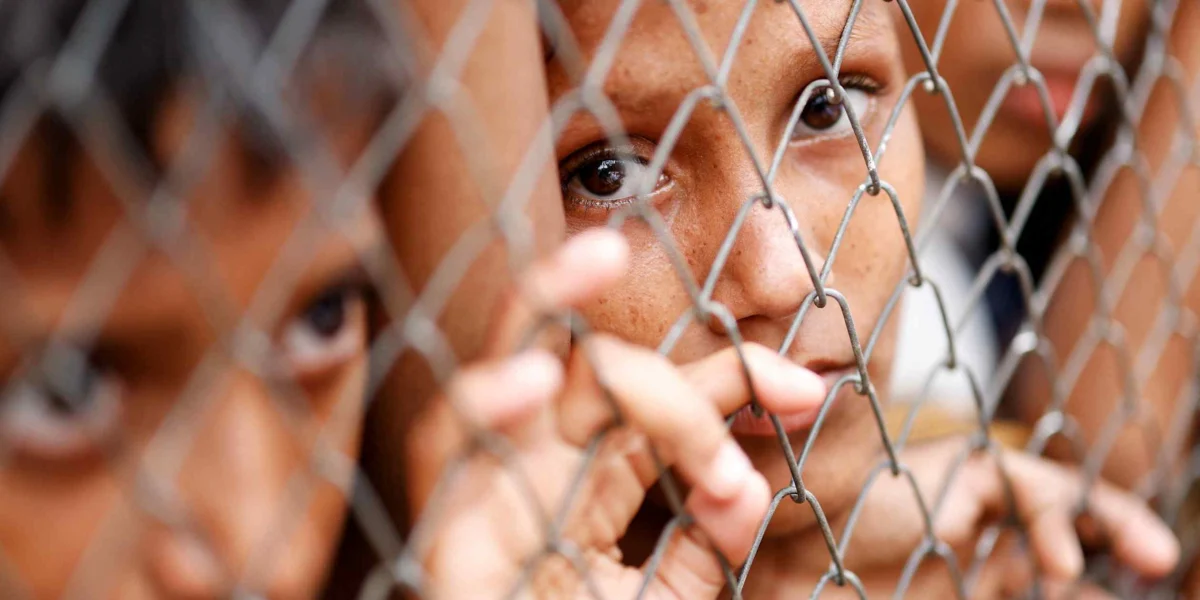
THE HAGUE — The International Court of Justice (ICJ), the principal judicial organ of the United Nations, delivered a landmark ruling on Thursday, November 19, 2026, declaring that Myanmar’s actions against the Rohingya Muslim ethnic minority constituted genocide. This momentous decision, reached after extensive deliberation, marks a significant victory for justice and accountability for a community that has endured decades of systemic discrimination and brutal violence. The ruling, delivered at the Peace Palace in The Hague, sent ripples of hope and anticipation through the Rohingya refugee camps in Cox’s Bazar, Bangladesh, where families gathered to witness the historic announcement.
A Verdict of Profound Significance
The ICJ’s judgment affirmed that Myanmar breached its obligations under the 1948 Genocide Convention. The court found that the state of Myanmar had the "intent to destroy, in whole or in part, a national, ethnical, racial or religious group, as such," a key element in defining genocide. This intent was inferred from a pattern of actions, including killings, causing serious bodily or mental harm, and deliberately inflicting conditions of life calculated to bring about the group’s physical destruction. The ruling was based on extensive evidence presented by The Gambia, which brought the case against Myanmar in November 2019, alleging violations of the Genocide Convention.
The verdict comes after years of escalating atrocities, culminating in the widespread violence and displacement that began in August 2017. This period saw an estimated 745,000 Rohingya flee their homes in Myanmar’s Rakhine State for neighboring Bangladesh, joining hundreds of thousands who had previously been forced out. The UN has described the situation as a "textbook example of ethnic cleansing," and the ICJ’s ruling elevates this description to the highest legal condemnation of genocide.
Background: A History of Persecution
The Rohingya, a stateless Muslim minority in the predominantly Buddhist nation of Myanmar, have faced a long and harrowing history of discrimination, statelessness, and violence. Denied citizenship under the 1982 Citizenship Law, they have been systematically stripped of their rights, including freedom of movement, access to education, and healthcare. Their existence has been relegated to the margins of Myanmar society, often branded as illegal immigrants from Bangladesh, despite many families having lived in Rakhine State for generations.
Tensions in Rakhine State have simmered for decades, punctuated by periods of intense intercommunal violence. However, the events of 2017 marked a brutal escalation. Following alleged attacks by Rohingya militants on security posts, Myanmar’s military, the Tatmadaw, launched a brutal crackdown. Reports from the UN, human rights organizations, and survivors painted a horrific picture of systematic killings, rapes, arson, and the destruction of villages. The military’s actions were widely condemned as disproportionate and targeted, aiming to drive the Rohingya out of Myanmar entirely.
The case at the ICJ was brought by The Gambia, a small West African nation, with the backing of the Organization of Islamic Cooperation (OIC). The Gambia argued that Myanmar’s actions violated the Genocide Convention, to which both countries are signatories. The legal proceedings involved detailed submissions of evidence, including satellite imagery, witness testimonies, and reports from international bodies. Myanmar, represented by its de facto leader Aung San Suu Kyi at the initial stages of the proceedings, had argued that the military’s actions were a legitimate response to terrorism and that the court lacked jurisdiction. However, the ICJ has overwhelmingly rejected these arguments in its rulings.
Timeline of Key Events Leading to the ICJ Verdict:
- 1982: Myanmar enacts the Citizenship Law, effectively rendering the Rohingya stateless and denying them fundamental rights.
- 1990s-2000s: Sporadic outbreaks of violence and increased discrimination against the Rohingya, leading to waves of refugees fleeing to Bangladesh.
- October 2016: Rohingya militants attack border posts, prompting a crackdown by the Myanmar military. Thousands flee to Bangladesh.
- August 25, 2017: Coordinated attacks by the Arakan Rohingya Salvation Army (ARSA) on security forces trigger a massive military offensive in Rakhine State. This marks the beginning of the most severe wave of violence and displacement.
- September 2017: The UN High Commissioner for Human Rights describes the violence as a "brutal security operation that amounts to ethnic cleansing."
- November 2019: The Gambia files a case against Myanmar at the ICJ, accusing it of violating the Genocide Convention.
- January 2020: The ICJ issues provisional measures, ordering Myanmar to take all measures within its power to prevent the commission of genocide and to prevent the destruction of evidence.
- December 2020: Aung San Suu Kyi defends Myanmar’s actions at the ICJ, arguing the country was not seeking to annihilate the Rohingya and that the case was based on unsubstantiated allegations.
- 2021-2025: The ICJ continues to hear evidence and submissions from both sides. The political landscape in Myanmar shifts dramatically with the military coup in February 2021, further complicating the legal and humanitarian situation.
- November 19, 2026: The ICJ delivers its final verdict, ruling that Myanmar’s actions constituted genocide.
Supporting Data: The Scale of the Crisis
The scale of the atrocities documented is staggering. According to the UN Independent International Fact-Finding Mission on Myanmar, credible information indicates that forces of Myanmar have committed genocide and crimes against humanity against the Rohingya. Their reports detail widespread and systematic killings, torture, rape, and the burning of villages.
- Displacement: As of late 2026, over 1 million Rohingya remain displaced, with approximately 930,000 living in overcrowded camps in Cox’s Bazar, Bangladesh. This represents one of the largest refugee concentrations in the world.
- Casualties: While precise casualty figures are difficult to ascertain due to the scale of the violence and the subsequent destruction of evidence, estimates suggest thousands of Rohingya were killed during the 2017 crackdown alone.
- Living Conditions: The refugee camps in Cox’s Bazar are characterized by precarious living conditions, with limited access to clean water, sanitation, and healthcare. The risk of disease outbreaks and natural disasters remains high.
- Human Rights Violations: Reports from various human rights organizations detail ongoing systematic discrimination, arbitrary arrests, forced labor, and restrictions on movement for Rohingya who remain in Rakhine State.
Official Responses and International Reactions
The ruling has been met with a mixture of relief, condemnation, and calls for further action.
The Gambia: Abubacarr Marie Tambadou, the former Justice Minister of The Gambia who spearheaded the case, expressed profound satisfaction. "This is a victory for humanity," he stated. "Today, the world has sent a clear message that genocide will not go unpunished."
Rohingya Survivors: In the refugee camps of Cox’s Bazar, the verdict was met with tears of joy and somber reflection. "We have waited so long for justice," said Nurfatma, a survivor of the 2017 violence. "This verdict confirms what we have always known: we are not criminals, we are victims of genocide." However, many also expressed concern about the practical implications of the ruling, questioning how it would translate into tangible safety and justice for them.
Myanmar: The current military junta in Myanmar has yet to issue a comprehensive official statement, but prior to the verdict, they had consistently denied allegations of genocide and framed their actions as necessary counter-terrorism operations. A spokesperson for the junta reiterated their stance that the ICJ’s proceedings were politically motivated and an interference in Myanmar’s internal affairs.
United Nations: UN Secretary-General António Guterres welcomed the ICJ’s decision, emphasizing the importance of accountability for mass atrocities. He urged all parties to comply with the ruling and reiterated the UN’s commitment to supporting the Rohingya refugees and working towards a durable solution for their repatriation with dignity and safety.
Other Nations: Many Western nations, including the United States, the United Kingdom, and the European Union, have welcomed the ruling, reiterating their condemnation of the atrocities committed against the Rohingya and calling for Myanmar to uphold its international legal obligations. China, a key ally of Myanmar, has historically defended the country’s actions, expressing concern about external interference in its domestic affairs.
Implications and Future Outlook
The ICJ’s ruling has significant implications for Myanmar and the international community.
Accountability: The verdict provides a crucial legal basis for holding Myanmar accountable for its actions. While the ICJ does not have enforcement powers, its rulings carry immense moral and legal weight. This judgment could pave the way for further legal actions, including potential prosecutions at the International Criminal Court (ICC) for crimes against humanity and war crimes.
Repatriation: The ruling complicates any plans for the voluntary repatriation of Rohingya refugees. The conditions in Rakhine State are still not deemed safe or conducive for their return by many international organizations and the refugees themselves. The ICJ’s finding of genocide underscores the deep-seated risks and the need for fundamental changes within Myanmar to ensure the safety, rights, and dignity of the Rohingya.
International Pressure: The verdict is likely to intensify international pressure on the military junta to address the root causes of the Rohingya crisis, including revoking discriminatory laws, ensuring equal citizenship, and holding perpetrators accountable. It could also influence foreign policy decisions and sanctions against Myanmar.
The Role of International Justice: This case highlights the enduring importance of international legal mechanisms in addressing egregious human rights violations. Despite the complexities and challenges, the ICJ’s ruling demonstrates that even powerful states can be held accountable for their actions on the international stage.
However, the path forward remains fraught with challenges. The military junta in Myanmar has shown little inclination to respect international law or human rights. The plight of the Rohingya, while now legally recognized as victims of genocide, still hinges on the political will of the international community to ensure that this verdict translates into tangible justice and a safe future for a people systematically denied their basic humanity. The image of Rohingya children in Cox’s Bazar, looking on with a mixture of hope and trepidation, encapsulates the profound significance of this moment and the long, arduous journey that still lies ahead.
