

Amidst Demographic Shifts, Japan’s Corporations Turn to International Talent Pool
TOKYO – In a notable pivot driven by persistent demographic challenges and a tightening labor market, Japanese corporations are actively seeking to recruit graduating international students studying within the nation. This strategic shift, observed with increasing intensity over the past several years, aims to fill critical vacancies across various sectors. However, despite the growing demand from employers, a significant portion of these aspiring international graduates continue to face formidable hurdles in securing full-time employment, primarily due to stringent employer prerequisites, most notably advanced Japanese language proficiency.
The landscape of the Japanese workforce is undergoing a profound transformation. Decades of declining birth rates and an aging population have created a structural deficit in labor, impacting everything from manufacturing and healthcare to retail and hospitality. The government has recognized this crisis, implementing various policies to encourage greater participation of women and older workers in the labor force, alongside a gradual opening to foreign talent. The recruitment of international students who have already acclimated to Japanese society and education systems presents a particularly attractive and efficient avenue for companies to address their staffing needs.
The Evolving Recruitment Landscape
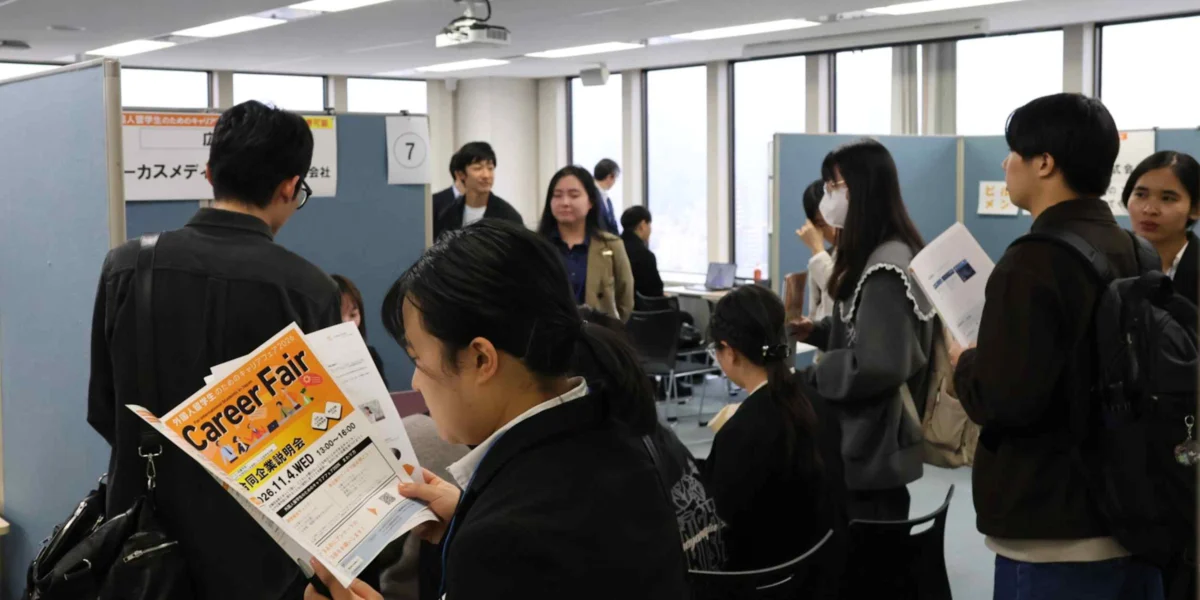
A recent job fair held in early November, attended by a throng of international students eager to translate their academic achievements into careers, served as a microcosm of this evolving trend. The image accompanying this report captures a moment of palpable anticipation, as young individuals from diverse backgrounds engage with representatives from Japanese businesses, their hopes pinned on finding a professional foothold in their adopted country. These fairs, which have become a staple in university career services and are often organized by governmental bodies and private sector entities, are designed to bridge the gap between international talent and Japanese employers.
Historically, the pathway for international students to find employment in Japan after graduation was narrower. Many graduates would return to their home countries, or pursue further studies. However, recent years have seen a surge in efforts to retain this educated, globally-minded segment of the population. The Ministry of Education, Culture, Sports, Science and Technology (MEXT) and the Ministry of Health, Labour and Welfare (MHLW) have been instrumental in facilitating these connections, recognizing the dual benefit of addressing labor shortages and fostering a more diverse and internationalized society.
Data from the Japan Student Services Organization (JASSO) indicates a steady rise in the number of international students choosing to seek employment in Japan after graduation. While precise figures for the most recent graduating class are still being compiled, trends from previous years suggest that over 60% of international students who complete their degree programs in Japan express a desire to work there. This ambition, however, does not always translate into successful job placements.
Hurdles to Employment: The Language Barrier and Beyond
The primary obstacle for many international graduates remains the requirement for advanced Japanese language skills. While some multinational corporations or companies with significant international operations may conduct business in English, the vast majority of Japanese firms, especially small and medium-sized enterprises (SMEs), operate almost exclusively in Japanese. Employers often stipulate a high level of fluency, typically N1 or N2 on the Japanese Language Proficiency Test (JLPT), which is equivalent to near-native or advanced professional competency.
"We understand that companies need people who can communicate effectively with their colleagues and customers," commented a career counselor at a prominent Tokyo university, who wished to remain anonymous. "But for some positions, especially those that are more technical or research-oriented, the language requirement can feel disproportionate to the actual job duties. It’s a significant barrier that prevents many highly qualified individuals from even being considered."
Beyond language, other employer requirements can also pose challenges. These may include specific academic qualifications, prior internship experience within Japanese companies, and a deep understanding of Japanese business etiquette and corporate culture. While international students are often adept at navigating academic environments, gaining practical experience within the Japanese professional context can be difficult without prior opportunities.
Furthermore, the recruitment process itself can be complex and lengthy. Japanese companies often have a structured hiring cycle that begins well in advance of graduation. International students, who may be unfamiliar with these timelines or the nuances of Japanese interview practices, can find themselves at a disadvantage. The cultural emphasis on group harmony and seniority, while not universally applied, can also influence hiring decisions in ways that are not immediately apparent to external candidates.
Demographic Realities Driving Corporate Strategy
The impetus behind Japanese companies’ increased focus on international graduates is rooted in undeniable demographic realities. Japan’s working-age population, typically defined as individuals aged 15 to 64, has been on a steady decline for years. The National Institute of Population and Social Security Research projects this trend to continue, with the working-age population expected to shrink by roughly 10 million by 2040.
This demographic contraction translates directly into a shrinking pool of domestic talent. Industries that have traditionally relied on a large workforce, such as manufacturing, construction, and elder care, are already experiencing acute shortages. The service sector, including retail and hospitality, is also feeling the pinch, impacting customer service and operational efficiency.
The government has responded by easing visa regulations for skilled foreign workers and promoting programs that facilitate the transition of international students into the Japanese workforce. The "Specified Skilled Worker" visa category, introduced in 2019, allows individuals from specific countries to work in sectors facing severe labor shortages. While this program primarily targets individuals coming from abroad for work, it reflects a broader governmental strategy to leverage foreign labor. The recruitment of international students already present in Japan offers a more integrated approach, as these individuals are often already familiar with the language, culture, and social norms.
Analyzing the Implications of Increased International Hiring
The implications of this shift towards hiring international graduates are multifaceted and far-reaching.
Economic Impact: By filling labor gaps, international graduates can help maintain and even boost Japan’s economic productivity. Their contributions can support industries that might otherwise struggle to operate at full capacity, thereby preventing economic stagnation. Furthermore, these graduates contribute to the consumption of goods and services, further stimulating the economy.
Societal Diversity and Innovation: The influx of foreign talent can inject new perspectives and ideas into Japanese workplaces, fostering greater innovation and creativity. A more diverse workforce can lead to improved problem-solving capabilities and a more dynamic corporate culture. This can be particularly beneficial in a society that, while rich in tradition, is also seeking to adapt to global trends and technological advancements.
Challenges of Integration: However, successful integration requires more than just offering job opportunities. Companies need to invest in intercultural training for both foreign hires and their Japanese colleagues. Creating inclusive work environments where all employees feel valued and respected is paramount. Without this, the potential benefits of diversity may not be fully realized, and issues of cultural misunderstanding or alienation could arise.
Potential for Brain Drain Reversal: For the countries from which these students originate, retaining highly educated individuals is crucial for their own development. While Japan benefits from skilled labor, there is a reciprocal concern about potential brain drain from developing nations. However, the fact that these students are pursuing higher education and seeking careers in Japan often reflects a desire for specialized training or opportunities not readily available in their home countries.
A Glimpse into the Future
The job fair captured in the accompanying photograph is more than just a recruitment event; it is a symbol of Japan’s evolving approach to its demographic challenges. As the nation grapples with a shrinking workforce, the doors are opening wider for international talent. The success of this strategy, however, will hinge not only on companies’ willingness to hire but also on their commitment to creating supportive and inclusive environments where these new professionals can thrive.
The journey for international students seeking employment in Japan is undeniably challenging, marked by linguistic and cultural hurdles. Yet, the growing recognition by Japanese industry of the indispensable value of this demographic suggests a future where a more diverse and globally-connected workforce becomes a cornerstone of the nation’s economic resilience and societal dynamism. Continued efforts to streamline hiring processes, enhance language support, and foster genuine intercultural understanding will be critical in realizing this vision and ensuring that the aspirations of these aspiring graduates are met with concrete opportunities. The ongoing narrative of Japan’s labor market is one of adaptation and foresight, and the integration of international talent is a central chapter in that evolving story.
