

Hull Street Energy, a prominent private equity firm focused on the transition of the North American power sector, has reached a definitive agreement to acquire FirstLight from the Public Sector Pension Investment Board, or PSP Investments. This strategic transaction represents one of the most significant shifts in the Northeast energy landscape in recent years, placing a massive portfolio of renewable generation and long-duration storage assets under the management of a firm specialized in the optimization of critical grid infrastructure. The deal encompasses nearly 1,400 megawatts of renewable generation capacity, headlined by the Northfield Mountain pumped storage facility, which remains the cornerstone of New England’s energy storage capabilities.
The acquisition comes at a pivotal moment for the regional power grid. As the Northeastern United States aggressively pursues decarbonization goals, the intermittency of wind and solar resources has placed a premium on "firm" carbon-free assets—resources that can provide power on demand regardless of weather conditions. By securing FirstLight’s portfolio, Hull Street Energy positions itself as a central player in the effort to maintain grid stability while transitioning away from fossil-fuel-based peaking plants.
Detailed Composition of the Acquired Portfolio
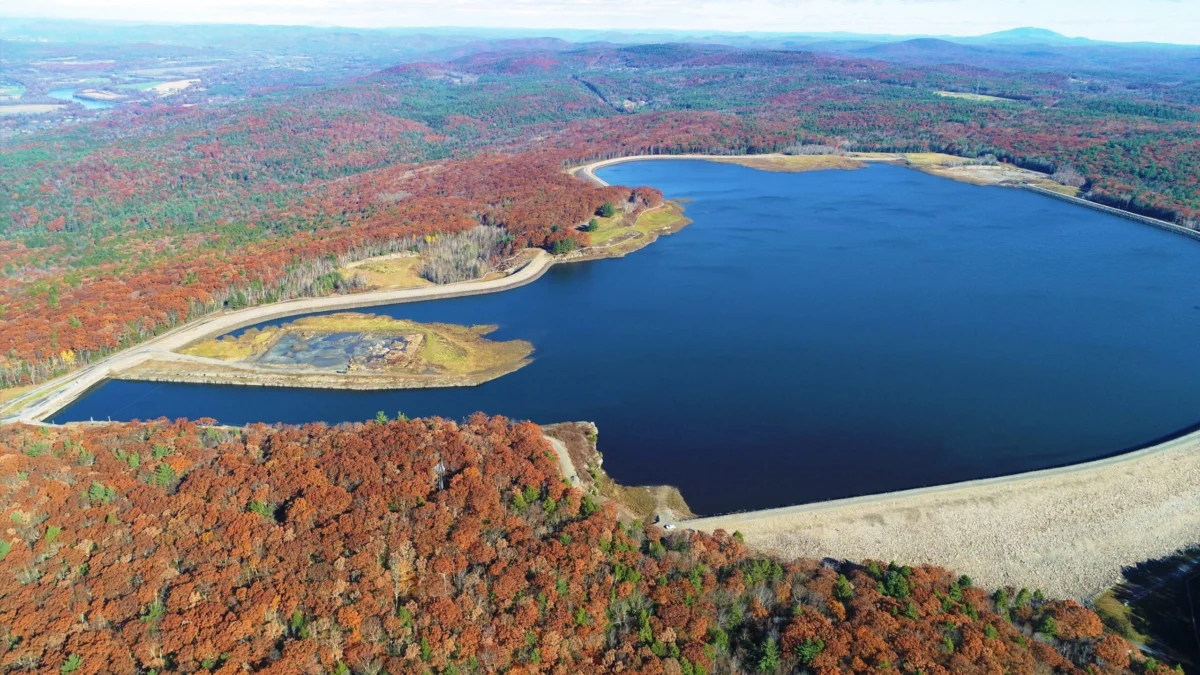
The centerpiece of the transaction is the Northfield Mountain Pumped Hydro Storage Station located in Northfield, Massachusetts. With a nameplate capacity of 1,168 megawatts, Northfield Mountain is the largest energy storage facility in New England and one of the largest of its kind in the United States. Unlike traditional hydroelectric dams that rely on the natural flow of a river, Northfield Mountain operates as a "giant battery." It uses excess electricity from the grid during periods of low demand to pump water from the Connecticut River to an upper reservoir. During periods of peak demand, the water is released back down through turbines to generate electricity instantaneously.
Beyond the Northfield Mountain facility, the acquisition includes a diverse array of 14 hydroelectric stations situated along key waterways in Connecticut, Massachusetts, and Pennsylvania. These assets provide consistent, baseload renewable energy and are integral to the local economies and ecosystems of the regions they serve. Notable assets within this group include the Shepaug, Stevenson, and Derby stations in Connecticut, which have historically provided reliable power to the Nutmeg State for decades.
In addition to the hydroelectric and storage assets, the deal includes three operational solar and battery storage facilities in the Northeast. While smaller in scale compared to the massive hydro installations, these solar-plus-storage assets represent the modern frontier of the energy transition, providing localized grid support and helping to shave peak demand in congested areas of the regional transmission system.
Strategic Vision and Leadership Perspective
The acquisition aligns with Hull Street Energy’s core investment thesis: the belief that existing, high-quality infrastructure is essential to bridging the gap between today’s grid and a future dominated by renewables. Sarah Wright, Founder and Managing Partner of Hull Street Energy, highlighted the urgency of this mission in her statement regarding the deal.
“The retirement of dispatchable generation in New England has left the region struggling to integrate sufficient new clean resources to meet growing demand, raising concerns about the impact of narrowing reliability margins on grid stability and affordability,” Wright stated. She emphasized that the solution to these challenges lies in the "thoughtful retention and optimization of existing clean, firm, long-duration resources."
Wright’s comments point to a broader trend in the energy sector where the rapid retirement of coal-fired and older natural gas plants has created a "reliability gap." During extreme weather events, such as winter storms, the regional grid operator, ISO New England, has frequently warned of the risks associated with fuel security and the need for assets that can provide power for extended durations. Northfield Mountain, with its ability to provide high-output power for hours at a time, is uniquely qualified to mitigate these risks.
Chronology of Expansion and Market Context
The acquisition of FirstLight is the latest in a series of aggressive moves by Hull Street Energy to consolidate a footprint in the hydroelectric sector. This transaction follows closely on the heels of another major deal announced last year. In 2023, Hull Street Energy entered into an agreement with Consumers Energy to acquire 13 hydroelectric dams across the state of Michigan. These dams, located on the Au Sable, Manistee, Muskegon, White, and Kalamazoo rivers, represent a significant portion of Michigan’s renewable heritage.
Once both the FirstLight and Michigan acquisitions are finalized, Hull Street Energy’s portfolio will be transformed. The firm will oversee approximately 1,200 megawatts of flexible pumped storage capacity and nearly 400 megawatts of traditional hydroelectric capacity. This scale makes the firm one of the largest independent owners of hydroelectric power in the United States.
The history of FirstLight itself reflects the evolving nature of energy ownership. The company was previously owned by the French utility giant Engie (formerly GDF Suez) before being acquired by PSP Investments in 2016. Under the stewardship of PSP Investments, a Canadian pension fund manager, FirstLight focused on operational excellence and navigating the complex regulatory environment of the Northeast. The transition to Hull Street Energy marks a shift toward an owner with deep technical expertise in power plant operations and market participation.

Technical Analysis: The Role of Pumped Storage in Grid Decarbonization
To understand the significance of this acquisition, one must look at the technical requirements of a modern power grid. As states like Massachusetts and Connecticut mandate higher percentages of offshore wind and solar energy, the "duck curve"—a phenomenon where solar production creates a surplus during the day and a sharp ramp-up requirement in the evening—becomes more pronounced.
Pumped storage hydro is currently the only proven technology capable of providing long-duration, utility-scale storage. While lithium-ion batteries are effective for short-duration needs (typically 2 to 4 hours), Northfield Mountain can provide sustained output for much longer periods, making it a critical tool for "black start" capabilities—the ability to restart the grid in the event of a total blackout—and for managing multi-day periods of low wind or solar output.
Furthermore, the 14 hydroelectric stations included in the deal provide "inertia" to the grid. Traditional rotating turbines provide physical stability to the frequency of the power system, a feature that inverter-based resources like solar panels lack. By maintaining these hydro assets, Hull Street Energy is providing a necessary service that goes beyond the mere generation of kilowatt-hours.
Regulatory Landscape and Path to Closing
The transaction is currently undergoing the rigorous regulatory review process required for large-scale energy infrastructure deals. Because the assets involve interstate commerce and the use of navigable waterways, the deal requires approval from the Federal Energy Regulatory Commission (FERC) under Section 203 of the Federal Power Act.
FERC will evaluate the transaction to ensure it does not result in a concentration of market power that could lead to higher prices for consumers. Given that Hull Street Energy is an investment firm and does not currently hold a dominant share of the New England generation market, analysts expect the deal to proceed, though the review process is comprehensive. Additionally, various state-level notifications and potential reviews by environmental agencies regarding water rights and dam safety may be involved.
The parties involved have expressed confidence that the transaction will close before the end of the current calendar year. Until the closing, FirstLight will continue to operate as an independent entity under its current management.
Economic and Environmental Implications
The acquisition has significant implications for the workforce and the local communities where these plants are located. Hull Street Energy has signaled its intent to partner with the existing FirstLight team, suggesting a commitment to maintaining the specialized workforce required to operate complex facilities like Northfield Mountain.
From an environmental standpoint, the continued operation of these assets is vital for the region’s climate goals. Hydroelectric power is one of the lowest carbon-intensity forms of electricity generation. By optimizing these plants, Hull Street Energy can help the Northeast reduce its reliance on natural gas peaking units, which are often the most expensive and highest-emitting sources of power on the grid.
Moreover, the deal highlights the increasing role of private capital in the energy transition. As traditional utilities divest certain assets to focus on transmission and distribution, private equity and specialized investment firms are stepping in to manage the generation fleet. This shift requires firms like Hull Street Energy to balance the financial returns expected by their investors with the public service obligation of providing reliable and affordable electricity.
Conclusion: A New Era for New England’s Power Infrastructure
The acquisition of FirstLight by Hull Street Energy marks the beginning of a new chapter for New England’s energy sector. By consolidating a massive portfolio of hydro and storage assets, Hull Street Energy is betting on the long-term value of "firm" clean energy in a market that is increasingly volatile.
As the region faces the twin challenges of rising demand from electrification and the retirement of old-guard power plants, the assets acquired in this deal—most notably the Northfield Mountain facility—will serve as the bedrock of grid reliability. The successful integration of these assets into Hull Street Energy’s growing national portfolio will be a key development to watch for energy analysts, policymakers, and consumers alike as the United States continues its complex journey toward a sustainable energy future.
