

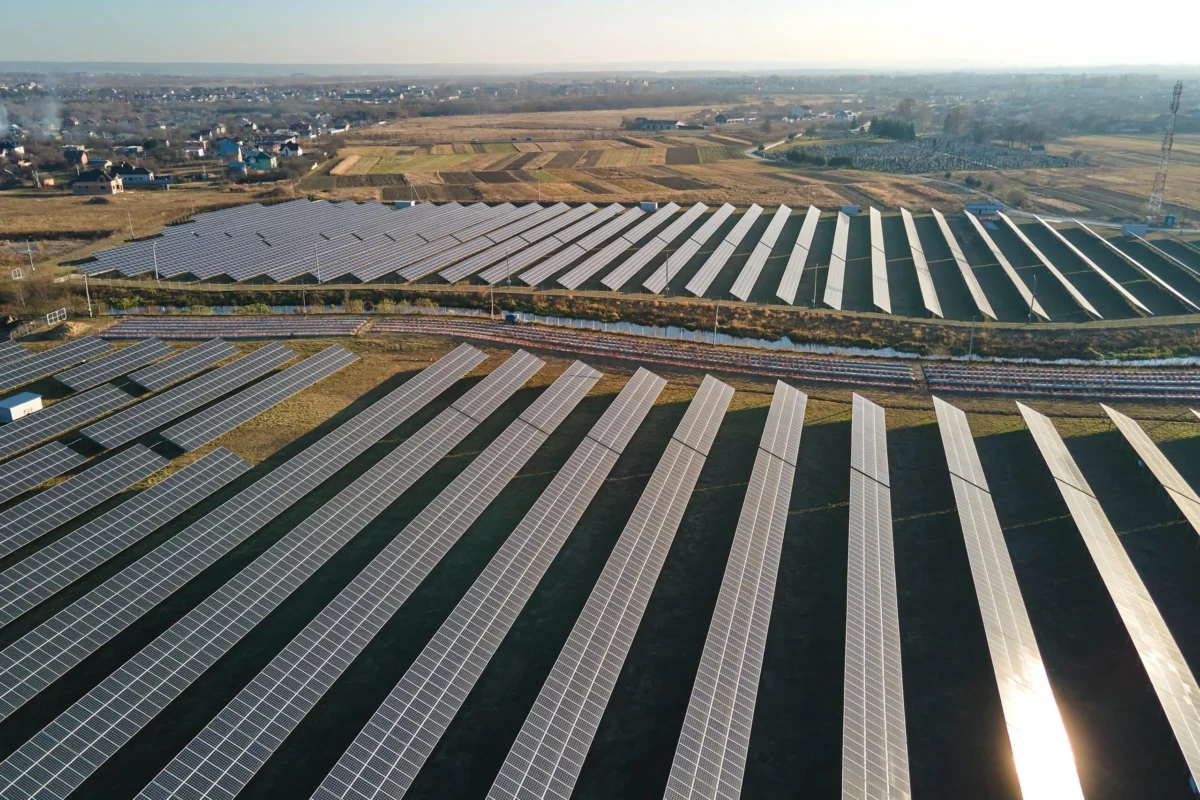
The global solar energy landscape has reached a critical inflection point where the availability of physical land has been surpassed by grid capacity as the primary determinant of project viability. As of 2026, renewable energy developers are finding that while securing thousands of acres with high irradiance and cooperative landowners can be accomplished in a matter of hours, securing the right to interconnect that same land to the power grid can take years of administrative and technical vetting. This structural shift has transformed the industry from a race for real estate into a complex exercise in data-driven grid navigation. The challenge is no longer just finding where the sun shines brightest, but identifying where the aging electrical infrastructure can actually absorb the power generated.
The Interconnection Bottleneck and the Two Terawatt Backlog
The scale of the current infrastructure challenge is best illustrated by the sheer volume of capacity currently awaiting approval. In the United States alone, more than two terawatts of generation and storage capacity are currently sitting in interconnection queues. To put this into perspective, this figure represents more than double the entire existing installed capacity of the country. This backlog is not merely a temporary administrative delay but a symptom of a grid that was originally designed for centralized, fossil-fuel-based generation rather than a decentralized, intermittent renewable fleet.
According to the 2026 Global Renewable Energy Trends Report, which synthesized data from over 64,000 solar and storage projects, grid saturation and instability have emerged as the single most significant barrier to industry progress. The report found that 63.7% of energy professionals cited grid constraints as their primary hurdle, significantly outstripping permitting and regulation, which was named by 47.8% of respondents. This data suggests that the industry is operating in an environment where the technical ability to build has far outpaced the systemic ability to integrate.

A Chronology of the Siting Evolution
To understand the current crisis, one must look at the evolution of solar development over the last decade. In the early 2010s, the "Solar Gold Rush" was defined by land acquisition. Developers focused on the Southwest United States and other high-irradiance zones, prioritizing flat terrain and low land costs. During this period, interconnection was viewed as a secondary step, often handled after land rights were secured.
By 2018, as renewable penetration increased, utilities began to flag "hot spots" where the local grid could no longer handle additional input without significant upgrades. This led to the rise of Geographic Information System (GIS) tools that allowed developers to see substation locations and transmission lines. However, these tools were static and did not account for the real-time economic signals of the market.
By 2023, the Federal Energy Regulatory Commission (FERC) recognized that the "first-come, first-served" approach to interconnection queues was failing. The introduction of FERC Order 2023 sought to reform these dynamics by moving toward a "first-ready, first-served" model. This required developers to provide higher levels of financial commitment and more advanced technical studies earlier in the process.
Entering 2026, the paradigm has shifted again. The "first-ready" requirement has necessitated the use of "agentic" AI workflows—systems that do not just map data but actively rank and audit sites based on a confluence of electrical, financial, and environmental variables. Developers are now forced to conduct what was once late-stage engineering analysis at the very beginning of the site selection process.

The Role of Data Intelligence in Modern Siting
The emergence of AI in the energy sector has often been met with skepticism, primarily because many tools provide visual enhancements rather than deep analytical insights. However, the industry is now moving toward specialized systems that incorporate decades of locational marginal pricing (LMP) patterns and congestion history.
Locational Marginal Pricing is a critical factor in this new era. It reflects the value of electric energy at different nodes on the grid, accounting for transmission constraints and losses. A site may have excellent solar resources, but if it is located in a zone where the LMP is consistently low or negative due to oversupply and lack of transmission (a phenomenon known as basis risk), the project will fail to be economically viable.
Modern agentic workflows, such as those utilized by industry leaders like Enverus, allow developers to screen upwards of 150 million parcels of land simultaneously. These systems apply more than 50 layers of geospatial exclusion analysis, including:
- Wildfire Exposure: Assessing the long-term risk of climate-related events on infrastructure.
- Proximity to Substations: Calculating the "tie-line" costs required to connect to the high-voltage grid.
- Queue Status: Analyzing which other projects are ahead in the local interconnection line and how their presence affects available capacity.
- Environmental Constraints: Identifying protected habitats or restricted land use that could trigger years of litigation.
The Economic Necessity of Solar-Plus-Storage
As the grid becomes more saturated, the industry has seen a dramatic rise in hybrid projects—solar generation paired with Battery Energy Storage Systems (BESS). In high-penetration markets like California (CAISO) or Texas (ERCOT), solar-only projects face the risk of "curtailment," where the grid operator orders the plant to stop producing power because there is nowhere for it to go.

Storage acts as a hedge against this volatility. By capturing excess energy during peak sun hours and discharging it when prices are higher or when the grid is strained, developers can protect their internal rate of return (IRR). However, designing these hybrid systems adds another layer of complexity to the siting process. Developers must now calculate the optimal ratio of solar-to-storage capacity based on localized grid signals, a task that requires massive computational power and historical market data.
Official Responses and Regulatory Shifts
The regulatory environment is struggling to keep pace with the technological shift. While FERC Order 2023 has been a step in the right direction, many regional transmission organizations (RTOs) are still grappling with multi-year backlogs. In response, some states have begun implementing "Renewable Energy Zones"—pre-vetted areas where the state has already committed to upgrading transmission infrastructure to encourage development.
Industry analysts suggest that the developers who will survive this period of grid congestion are those who treat interconnection as a "fatal flaw" analysis rather than a post-acquisition task. Bernadette Johnson, a prominent voice in the power and renewables sector, has noted that the value of AI in this context is not the technology itself, but the compression of time. What once took an entire team of analysts weeks to vet can now be narrowed down to a ranked list of viable sites in a single afternoon. This efficiency allows engineering teams to focus their resources on projects that have a genuine path to commercial operation.
Broader Impact and Industry Implications
The implications of this shift extend beyond the balance sheets of developers. If the industry cannot solve the interconnection challenge, the broader goals of decarbonization and energy transition are at risk. The "2026 Global Renewable Energy Trends Report" highlights a growing concern that the pace of electrification—driven by EVs and AI data centers—is outstripping the pace of grid expansion.

This tension is creating a "flight to quality" in the investment community. Capital is no longer flowing toward the largest portfolios, but toward the most "grid-ready" ones. Projects that can demonstrate bankability through rigorous, data-backed siting and engineering are receiving preferential financing terms.
Furthermore, the integration of engineering software, such as RatedPower, directly into the siting workflow is reducing human error. When a site is pre-vetted for grid access and then immediately fed into an engineering engine that produces layouts, equipment selections, and energy yield estimates, the resulting documentation is significantly more robust. This level of transparency is essential for securing the trust of institutional investors and utilities who are increasingly wary of "ghost projects" that clog the interconnection queues without ever intending to reach construction.
Conclusion: The Path Forward
The transition from land-centric to grid-centric development marks the maturity of the solar industry. In the coming years, the "digital twin" of the power grid will become the most valuable tool in a developer’s arsenal. By applying grid intelligence at the parcel scale and grounding siting decisions in proprietary historical data, the industry can begin to clear the two-terawatt backlog.
The developers most likely to lead the market through the end of the decade will be those who recognize that the grid is the first question to be answered, not the last. As structural constraints continue to define the energy landscape, the marriage of agentic AI and deep operational context will be the only viable path toward a reliable and decarbonized future. The era of speculative siting is over; the era of precision engineering has begun.
