

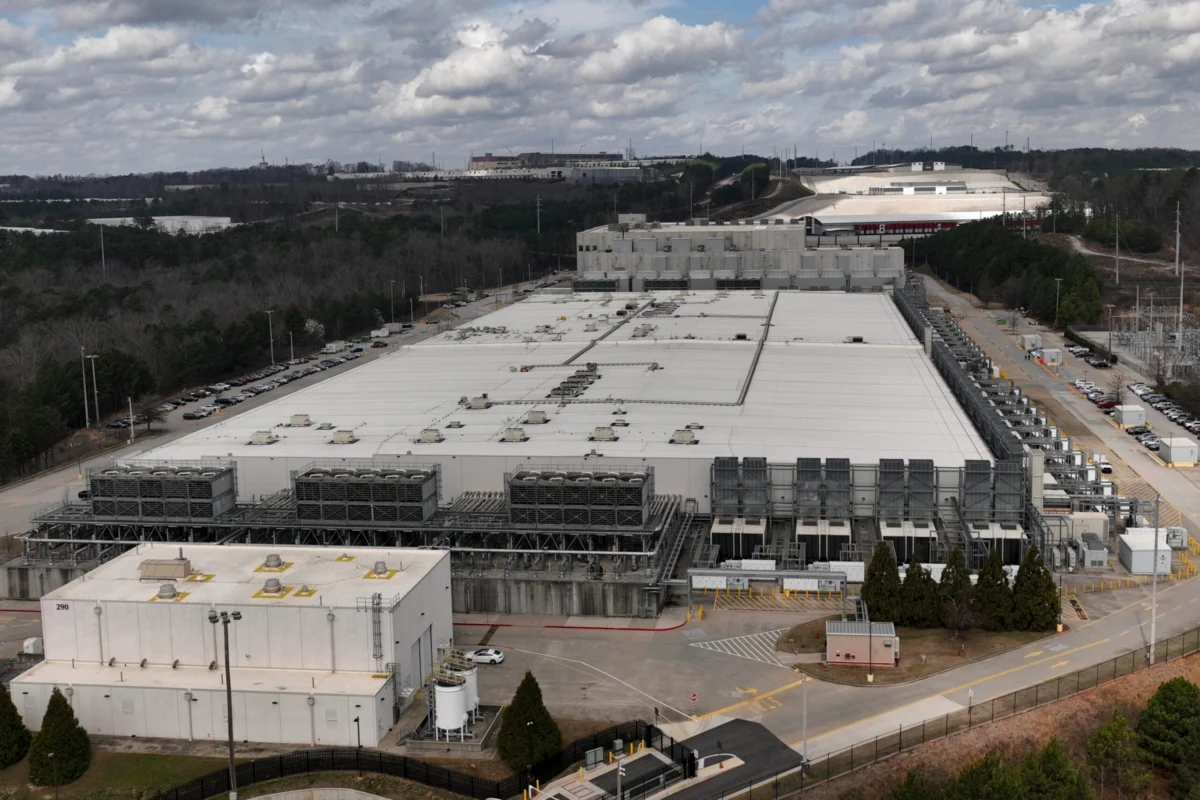
The 2026 midterm elections have marked a watershed moment for the technology and energy sectors as voters across the United States delivered a decisive rebuke to the rapid expansion of data centers. In a coordinated wave of local and state-level resistance, dozens of ballot measures aimed at curbing, pausing, or outright banning the development of these energy-intensive facilities passed with significant margins. This shift in public sentiment reflects growing anxieties over rising electricity costs, the stability of the national power grid, and the environmental footprint of the infrastructure required to sustain the artificial intelligence boom. For years, data centers were courted by municipalities as engines of tax revenue and high-tech jobs, but the results of the November 3 polls suggest that the "neighborly" relationship between tech giants and local communities has reached a breaking point.
As the dust settles on the election cycle, the data indicates a nationwide trend of skepticism. Voters in ten states—California, Florida, Illinois, Kansas, Maine, North Dakota, New Jersey, Nevada, Ohio, and Wisconsin—confronted 41 local ballot measures specifically targeting data center operations. The outcome was nearly unanimous: in almost every jurisdiction where the issue was presented, residents voted to restrict the industry’s growth. This electoral backlash was further compounded by the victory of several gubernatorial candidates who campaigned on platforms of regulatory austerity, promising to implement state-level moratoriums until more stringent environmental and economic protections are codified into law.
Regional Breakdown: The Geography of Resistance
The epicenter of the anti-data center movement was Ohio, a state that has historically been a hub for Midwestern industrial technology. Of the 21 data center-related measures on ballots across 18 jurisdictions in the state, the majority were designed to halt or severely limit new construction. In 13 separate jurisdictions, voters moved to ban data center development entirely, with a specific focus on "high-impact" facilities—those requiring more than 25 megawatts (MW) of power. The most striking result occurred in Ashville, Ohio, where over 80% of voters rejected a facility already under construction by the developer EdgeConneX. This level of opposition highlights a shift from prospective concern to active intervention against existing projects. Ohio currently hosts 154 operational data centers, with another 84 in various stages of planning or construction, all of which now face an uncertain regulatory future.
In Illinois, the resistance took the form of advisory measures. Five jurisdictions voted against advising local officials to permit new construction, while the city of Bloomington specifically requested a moratorium. Similarly, in Maine, the pushback was characterized by a desire for a "cooling-off" period. Voters in Peru and Wells approved 180-day moratoriums, while Wiscasset established a six-month freeze on all applications for new or expanded facilities. North Berwick went a step further, passing a permanent ban on any data center exceeding 25,000 square feet.
The Western and Southern United States saw similar results. In Alhambra, California, voters prohibited data centers within city limits, citing concerns over urban density and resource consumption. Edgewater, Florida, enacted a ban on any new approvals or expansions, and Boulder City, Nevada, rejected a measure that would have allowed development within the Eldorado Valley Transfer Area. The only notable outlier in this national trend was Harwood, North Dakota, where voters rejected a measure that would have required additional industrial reviews. However, local advocates suggested the defeat was due to confusing ballot language rather than a ringing endorsement of the industry.

The Gubernatorial Mandate: A New Regulatory Era
Beyond local ordinances, the 2026 midterms saw the election of high-profile governors who have made data center regulation a cornerstone of their administrative agendas. In Texas, Governor-elect Gina Hinojosa (D) secured victory following a campaign centered on an immediate moratorium. Hinojosa argued that the state’s independent power grid, ERCOT, is under too much strain to accommodate the massive energy demands of new hyperscale facilities without jeopardizing residential reliability. She has pledged to maintain the freeze until the state legislature can pass laws ensuring that tech companies pay a larger share of infrastructure upgrades.
In Georgia, Governor-elect Keisha Lance Bottoms (D) has mirrored this stance, promising to sign an executive order pausing all new development upon taking office. Bottoms has also targeted the tax incentives that previously made Georgia a premier destination for data centers, suggesting that the state’s fiscal resources should be redirected toward residential utility relief. Meanwhile, in Ohio, Governor-elect Amy Acton (D) proposed a "conditional moratorium," which would only allow development if projects meet 100% of their utility costs, utilize union labor, and adhere to strict brownfield redevelopment and environmental standards.
These new leaders join New York Governor Kathy Hochul (D), who was re-elected after already implementing a one-year moratorium on hyperscale projects exceeding 50 MW. Data Center Watch, a project of the AI security consultancy 10a Labs, noted that 32 of the 34 victorious gubernatorial candidates across the country have expressed support for stronger regulations, with 12 actively supporting total bans or moratoriums.
Economic Implications and the Development Pipeline
The immediate consequence of this electoral shift is a projected slowdown in the U.S. data center pipeline. Industry analysts from Goldman Sachs and other financial institutions have warned that as much as 45% of planned U.S. data center capacity could now be at risk of delay or cancellation. For the year 2028 alone, some estimates suggest that 60% of planned projects could face significant friction.
While projects that have already secured interconnection agreements and permits may proceed, those in the early stages of planning are likely to be shelved. Paradoxically, this regulatory environment may inadvertently strengthen the market dominance of "Big Tech" incumbents. Companies like Amazon, Google, Microsoft, and Meta have already established massive footprints and possess the capital to navigate complex new regulations. Smaller developers, however, may find the cost of entry and the risk of local rejection prohibitive, leading to a consolidation of the industry among a few high-resource players.
The stock market has already begun to react to these headwinds. Following the election results, the Nasdaq—heavily weighted toward AI and tech stocks—slipped 11% below its all-time high. Investors are increasingly concerned that the rising cost of borrowing, combined with a hostile regulatory environment, will dampen the "AI gold rush." Because data center construction has been a significant driver of U.S. GDP growth in recent years, any sustained slowdown could have broader chilling effects on the national economy.

Industry Response: A Search for a "New Standard"
In response to the public relations crisis, industry leaders are attempting to pivot toward more community-centric models. OpenAI recently published a "Responsible AI Infrastructure" framework, calling for clearer rules from policymakers. The company suggested that utilities should charge large offtakers like data centers for the specific infrastructure needed to support them, rather than passing those costs on to residential ratepayers. OpenAI also committed to providing financial assurances to protect communities if projects are canceled or reduced mid-way through development.
Dan Diorio, an official with the Data Center Coalition, emphasized that the industry must work harder to build trust. He warned that while moratoriums may solve immediate grid concerns, host communities risk losing out on significant tax revenue and the broader economic expansion that tech investment brings, including domestic manufacturing growth. The industry’s new strategy appears to be a move toward transparency, with proposals for public reporting on energy use, water consumption, and noise levels, as well as limits on the use of non-disclosure agreements (NDAs) with public officials.
Conclusion: The Road Ahead for AI Infrastructure
The 2026 midterm results signal that the era of unfettered data center expansion is over. The "elephant in the room"—the massive energy and water requirements of artificial intelligence—has moved to the forefront of the American political consciousness. Moving forward, the industry will likely be bifurcated into "open" and "restricted" zones. States and municipalities that choose to host these facilities will demand unprecedented concessions, including direct investments in renewable energy and grid hardening.
As the U.S. attempts to balance its ambition to lead the world in artificial intelligence with the practical realities of a strained electrical grid, the tension between technological progress and community stability will remain a defining theme of the decade. For now, the message from voters is clear: the digital future cannot come at the expense of the physical and financial well-being of the local ratepayer.
