

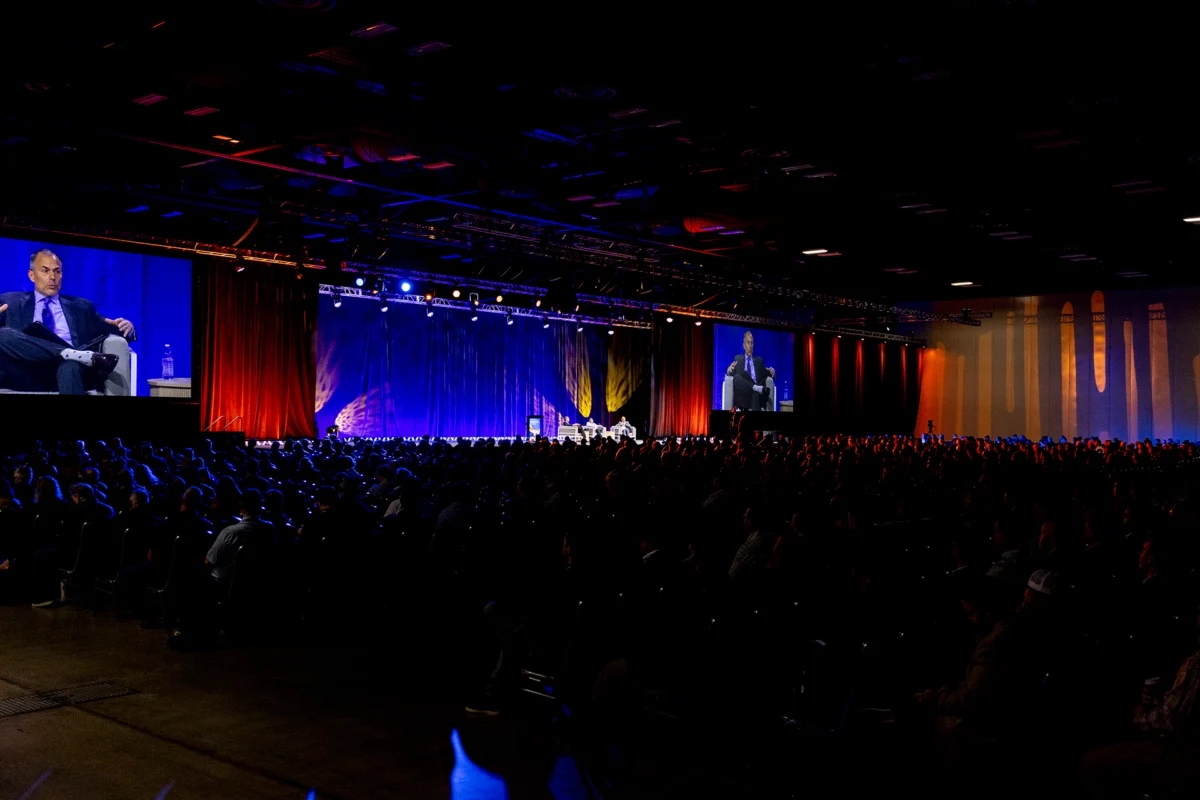
The power generation industry stands at a critical juncture as it navigates the most significant shift in energy demand and infrastructure requirements since the dawn of the electrical age. Against this backdrop of rapid transformation, POWERGEN™ 2027 has officially announced its keynote lineup, featuring a high-level assembly of utility executives, grid operators, and technology innovators. Scheduled to take place from January 18-21, 2027, at the Salt Palace Convention Center in Salt Lake City, Utah, the event will serve as a central forum for addressing the convergence of artificial intelligence, cybersecurity, and the unprecedented load growth currently challenging the North American power grid.
The 2027 program arrives at a time when the energy sector is grappling with a "triple threat" of challenges: the rapid retirement of legacy baseload generation, a massive surge in demand driven by data centers and industrial electrification, and the increasing frequency of extreme weather events. The keynote speakers selected for this year’s summit represent the organizations tasked with maintaining the delicate balance between innovation and reliability in an increasingly complex operational environment.
The Next Build Cycle: Navigating Unprecedented Load Growth
The opening keynote, titled "Supply, Demand and the Next Build Cycle," will set the tone for the conference on Tuesday, January 19. This session will bring together some of the most influential voices in the Western and Southwestern energy markets to discuss how utilities are pivoting from a decade of flat demand to a period of aggressive expansion.
Featured speakers for the opening session include Dick Garlish, President of Rocky Mountain Power; Darin Carroll, CEO of PacifiCorp; and Curtis Mansfield, Senior Vice President of Power Delivery at PacifiCorp. Joining them are Elaina Ball, Chief Strategy Officer at CPS Energy, and Jacob Tetlow, Chief Operating Officer at Arizona Public Service (APS).
This panel is particularly significant given the current state of the Western Interconnection. PacifiCorp and Rocky Mountain Power are currently in the midst of multi-billion-dollar investments in transmission and renewable integration, while APS and CPS Energy are managing some of the fastest-growing load centers in the United States. According to recent industry data, peak demand in regions like Texas and the Desert Southwest is projected to grow by nearly 5% annually through 2030, a pace that requires a fundamental rethinking of traditional "integrated resource planning" (IRP) models.
The discussion will focus on the "Next Build Cycle," a term industry insiders use to describe the massive wave of new generation and transmission construction required to meet the needs of the 2030s. Speakers are expected to address the regulatory hurdles, supply chain constraints, and capital allocation strategies necessary to build out the grid at a speed that matches the arrival of massive new loads, such as hyper-scale data centers and semiconductor manufacturing facilities.
Securing the Grid in the Age of Artificial Intelligence
As the grid becomes more digitized and reliant on automated systems, the vulnerability to cyber threats has reached an all-time high. The Wednesday keynote session, "Securing the Grid in the Age of AI," will pivot the conversation toward the intersection of cybersecurity, resilience, and the transformative power of generative AI.

The speaker roster for this session includes Brian Harrell, Chief Security Officer at FirstEnergy and former Assistant Director at the Cybersecurity and Infrastructure Security Agency (CISA); Puesh Kumar, Senior Vice President of Enterprise Security, Resilience and National Security Policy at American Electric Power (AEP); Adrienne Lotto, Senior Vice President of Grid Security at the American Public Power Association (APPA); and Dino DiMarino, Chief Revenue Officer at Tenable.
The integration of Artificial Intelligence into utility operations is a double-edged sword. On one hand, AI enables predictive maintenance, optimized dispatch of distributed energy resources, and more accurate load forecasting. On the other hand, AI-driven cyber-attacks pose a sophisticated threat to industrial control systems. The panel will explore how utilities are deploying AI to defend against these threats while ensuring that the "human in the loop" remains a central component of grid safety.
Supporting data from the Department of Energy indicates that the number of cyber incidents targeting the energy sector has increased by more than 20% year-over-year. The experts on stage will discuss the implementation of "Zero Trust" architectures and the role of public-private partnerships in protecting the nation’s critical infrastructure from state-sponsored actors and opportunistic ransomware groups.
Bridging the Performance Gap: Reliability and Readiness
The concluding keynote, held on Thursday, January 21, at POWERGEN’s "Center Stage," will focus on the operational realities of maintaining a reliable grid under stress. Titled "When the Grid Needs It Most: Reliability, Readiness and the Performance Gap," this session is designed to be an interactive deep dive into the engineering and operational standards required to prevent catastrophic failures.
The panel features heavyweights from the regulatory and research sectors, including Mark Lauby, NERC Fellow and Chief Engineer at the North American Electric Reliability Corporation (NERC); Mike Caravaggio, Vice President of Energy Supply-Reliability at the Electric Power Research Institute (EPRI); David Kezell, Director of Weatherization at the Electric Reliability Council of Texas (ERCOT); and Matt Gardner, Vice President of Power Generation System Operations at Dominion Energy.
The "performance gap" refers to the discrepancy between the nameplate capacity of new generation assets and their actual availability during peak stress periods, such as Winter Storms or extreme heatwaves. With the North American grid transitioning toward a higher percentage of weather-dependent resources, the role of firm, dispatchable power becomes even more critical.
David Kezell’s presence on the panel is especially relevant given ERCOT’s intensive focus on weatherization and grid hardening following the events of 2021. The speakers will examine how NERC’s reliability standards are evolving to address "energy adequacy" rather than just "peak capacity," ensuring that there is enough fuel and generation available for the duration of long-duration weather events.
Timeline and Historical Context of POWERGEN
For over three decades, POWERGEN has served as the definitive gathering place for the power generation community. Originally focused on traditional coal and gas-fired generation, the event has evolved alongside the industry. The 2027 edition marks a significant milestone in this evolution, reflecting a sector that is now defined by its ability to integrate diverse technologies—from small modular reactors (SMRs) and hydrogen to massive battery storage arrays and AI-driven software.

The choice of Salt Lake City as the host for 2027 is a strategic one. Utah sits at the crossroads of the Western energy transition, serving as a hub for both traditional energy production and pioneering projects like the Intermountain Power Project’s transition to green hydrogen. The Salt Palace Convention Center will house hundreds of exhibitors, providing a physical marketplace for the technologies discussed during the keynote sessions.
Broader Implications for the Global Energy Market
The themes explored at POWERGEN 2027 have implications far beyond the borders of North America. As the world’s largest economy accelerates its energy transition, the lessons learned in the U.S. regarding grid stability and AI integration will serve as a blueprint for other industrialized nations.
Industry analysts suggest that the "Next Build Cycle" discussed by PacifiCorp and APS executives will require an estimated $2 trillion in global investment by 2030 to meet climate goals while maintaining reliability. Furthermore, the focus on cybersecurity highlights a growing global concern regarding the "weaponization" of energy infrastructure in geopolitical conflicts.
"The power industry is facing a defining moment as unprecedented demand growth, emerging technologies, and reliability expectations converge," said Wayne Bishop, Executive Vice President of Energy at Clarion Events. "POWERGEN’s keynote program brings together the leaders and perspectives our industry needs to help navigate what’s next."
Conclusion: A Roadmap for the Future of Power
As the energy landscape continues to shift, the 2027 keynote lineup offers a comprehensive roadmap for the professionals charged with keeping the lights on. From the high-level strategic planning of utility CEOs to the technical rigors of NERC engineers and cybersecurity experts, the program addresses every layer of the modern energy value chain.
By fostering a dialogue between technology providers and utility operators, POWERGEN 2027 aims to bridge the gap between innovation and implementation. The insights shared in Salt Lake City this coming January will likely influence regulatory filings, investment decisions, and operational protocols for years to come, ensuring that the next generation of power generation is as resilient as it is revolutionary.
For attendees, the event offers more than just a series of presentations; it provides a collaborative environment where the challenges of the "Next Build Cycle" can be met with tangible solutions. As the industry looks toward 2027 and beyond, the consensus among the keynote speakers is clear: the path forward requires a unified approach to reliability, security, and growth.
