

Consumers Energy, Michigan’s largest energy provider, has secured what regulators describe as a final window of time to negotiate the sale of its 13-dam hydroelectric fleet, a move that has sparked intense debate over public safety, environmental stewardship, and the financial stability of Michigan’s aging infrastructure. During a recent meeting of the Michigan Public Service Commission (MPSC), the three-member regulatory body unanimously approved the utility’s second request for a delay in the decision-making process, extending the deadline for a settlement agreement to early December 2024. While the extension provides a brief reprieve for negotiations, MPSC Chair Dan Scripps issued a stern warning that the commission’s patience is nearing its limit, emphasizing that any further delays would require a rare consensus among nearly all intervening parties.
The proposed sale involves 13 hydroelectric dams situated across several of Michigan’s most iconic river systems, including the Au Sable, Manistee, Muskegon, Grand, and Kalamazoo rivers. These facilities, built between 1906 and 1935, have served as cornerstones of the state’s power grid for over a century. However, as the infrastructure ages and the costs of maintenance and federal relicensing climb, Consumers Energy has sought to divest from these assets, arguing that they no longer fit the long-term economic profile of a modern, regulated utility. The buyer, Confluence Hydro—a subsidiary of the Maryland-based private equity firm Hull Street Energy—has offered to purchase the entire fleet for a nominal sum of $1, provided it enters into a 30-year agreement to sell the generated power back to Consumers Energy.
The Regulatory Deadline and the Push for Compromise
The MPSC’s decision to grant an extension sets a firm timeline for the conclusion of this high-stakes case. Under the new schedule, any settlement agreement must be filed with the commission by 5:00 p.m. on December 9, 2026. Should the parties fail to reach a consensus by that date, the MPSC will proceed to issue a final, binding order during its scheduled meeting on December 17. Chair Dan Scripps made it clear that the commission is looking for a definitive resolution, noting that any further waiver of the statutory deadline would necessitate a formal stipulation from a majority of the parties involved in the proceeding.
Consumers Energy initially requested a delay in September, citing the potential for a "constructive solution" that could address the myriad concerns raised by environmental groups, local government officials, and state leaders. Bret Totoraitis, an attorney representing Consumers Energy, reiterated the company’s belief that a settlement is within reach, stating that the utility remains committed to engaging in negotiations that satisfy the interests of all stakeholders. Despite this optimism, the path to a compromise is fraught with opposition from a coalition of environmental and conservation organizations that remain deeply skeptical of the sale’s merits.
A Growing Chorus of Opposition
The resistance to the sale is led by a powerful alliance including Michigan Trout Unlimited, the Michigan Steelhead and Salmon Fishermen’s Association, the Great Lakes Council of Fly Fishers International, the Anglers of the Au Sable, and the Michigan Hydro Relicensing Coalition. These groups argue that transferring critical river infrastructure to an out-of-state private equity firm poses unacceptable risks to Michigan’s natural resources. Daniel Abrams, a senior associate attorney at the Environmental Law and Policy Center, has been vocal in his dissent, suggesting that the utility’s requests for delays are little more than a stalling tactic.
In a formal response to the commission, Abrams asserted that the case is fundamentally unlikely to settle because the core concerns of the intervenors—safety, financial accountability, and environmental protection—cannot be easily mitigated through the current sale structure. The primary fear among conservationists is that a private equity firm, which is not subject to the same regulatory oversight as a public utility, might prioritize short-term profits over the long-term maintenance required to prevent catastrophic dam failures or environmental degradation.
Safety Concerns and the Shadow of Past Failures
The debate over the sale of these 13 dams is inextricably linked to the memory of the 2020 Edenville and Sanford dam failures in Mid-Michigan. Those disasters, which resulted in thousands of evacuations and billions of dollars in property damage, were attributed to a combination of extreme weather and years of neglected maintenance by a private owner. This historical context has led Michigan’s top officials to view the Consumers Energy proposal with extreme caution.
Governor Gretchen Whitmer and Attorney General Dan Nessel have both filed formal objections to the sale. In a letter to the MPSC, Governor Whitmer argued that the deal lacks "firm, enforceable protections" to ensure that the dams will be properly maintained or safely decommissioned when they eventually reach the end of their operational lives. She specifically pointed out that the current agreement does not require Hull Street Energy to maintain adequate financial reserves to cover potential accidents, environmental remediation, or the massive costs associated with dam removal.
Attorney General Nessel echoed these concerns, emphasizing the danger of removing such powerful infrastructure from the hands of a "well-funded and highly regulated public utility." Nessel argued that while Consumers Energy is accountable to the state and its ratepayers, a private equity firm’s primary obligation is to its investors. He warned that if the dams become a financial liability, there is little to prevent a private owner from walking away, leaving Michigan taxpayers to foot the bill for any resulting crises.
The Economic and Community Impact
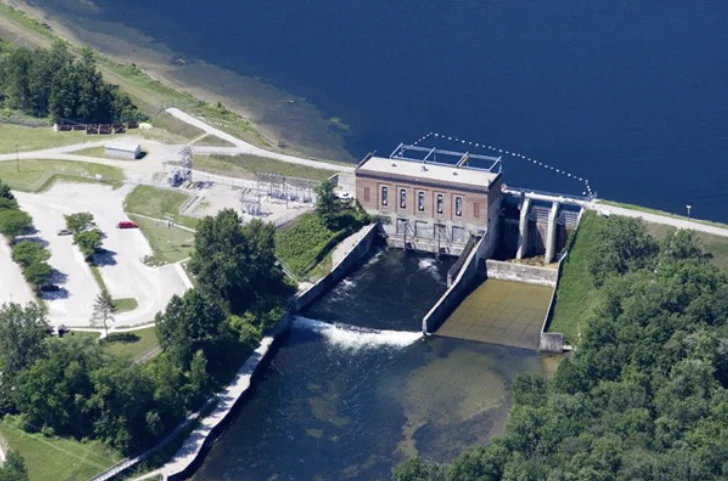
For the communities located along the affected rivers, the dams represent more than just power generation; they are central to local economies and identities. The impoundments created by these dams have formed large lakes that support vibrant tourism industries, recreational boating, and high-value waterfront real estate. In Iosco County, the Foote Dam (pictured in the original report) is a prime example of a facility that has shaped the local landscape and recreational culture.
Consumers Energy has stated that if the sale is not approved, the most likely alternative is the decommissioning and removal of the dams. This prospect has caused significant anxiety in "river towns" where the loss of a reservoir could lead to plummeting property values and the destruction of local tourism. However, Attorney General Nessel has clarified that decommissioning is not a simple or swift process. Any move to remove a dam would require separate, lengthy legal proceedings before the MPSC and other regulatory bodies, providing local communities with multiple opportunities to voice their concerns and influence the outcome.
Technical and Financial Data of the Proposed Sale
The 13 dams in question—Alcona, Five Channels, Cooke, Foote, Mio, Hardy, Croton, Rogers, Webber, Hodenpyl, Tippy, Otsego, and Morrow—collectively produce approximately 130 megawatts of electricity. While this represents only about 1.2% of Consumers Energy’s total generation capacity, the facilities play a disproportionately large role in the state’s renewable energy history.
Under the proposed terms with Hull Street Energy:
- Purchase Price: $1.00 for the entire fleet.
- Power Purchase Agreement (PPA): Consumers Energy would commit to buying 100% of the electricity generated by the dams for 30 years.
- Maintenance Responsibility: Confluence Hydro would assume all operational costs and the responsibility for meeting Federal Energy Regulatory Commission (FERC) safety standards.
- Employment: Consumers Energy has expressed a desire to ensure that current employees at the hydro facilities are considered for positions with the new owner, though no firm guarantees have been publicized.
Chronology of the Hydroelectric Sale Process
- 2022: Consumers Energy launches a series of community "listening sessions" and an economic impact study to determine the future of its hydroelectric fleet as several federal licenses approach expiration.
- Early 2023: The utility announces it will explore a sale of the dams rather than immediate decommissioning or relicensing, citing the high cost of upgrades required by FERC.
- 2025: Consumers Energy officially announces it has reached an agreement with Confluence Hydro (Hull Street Energy) for the sale of all 13 dams.
- September 2026: The utility files its first request with the MPSC to delay the decision on the sale to allow for settlement talks.
- October 2026: Attorney General Dan Nessel and Governor Gretchen Whitmer publicly oppose the sale, citing safety and financial risks.
- November 2026: The MPSC grants a second and final extension, setting a December 9 deadline for a settlement.
Analysis of Broader Implications
The outcome of this case will set a major precedent for how Michigan, and potentially other states, manages aging energy infrastructure. As the United States transitions toward wind, solar, and battery storage, many utilities are finding that small-scale hydroelectric power is no longer cost-competitive. However, the physical legacy of these dams—their impact on river ecology and community safety—cannot be easily "decommissioned" from the public interest.
If the MPSC denies the sale, Consumers Energy will be forced to choose between investing hundreds of millions of dollars in upgrades to maintain its licenses or beginning the multi-decade process of dam removal. If the sale is approved, it will signal a shift toward the privatization of public-interest infrastructure, a move that critics argue prioritizes corporate liability shields over the safety of downstream residents.
As the December 9 deadline approaches, the eyes of environmentalists, utility shareholders, and river-front residents remain fixed on the MPSC. The decision will ultimately determine whether these century-old structures remain part of Michigan’s energy future or become a cautionary tale of the complexities involved in the transition to a modern power grid.
