

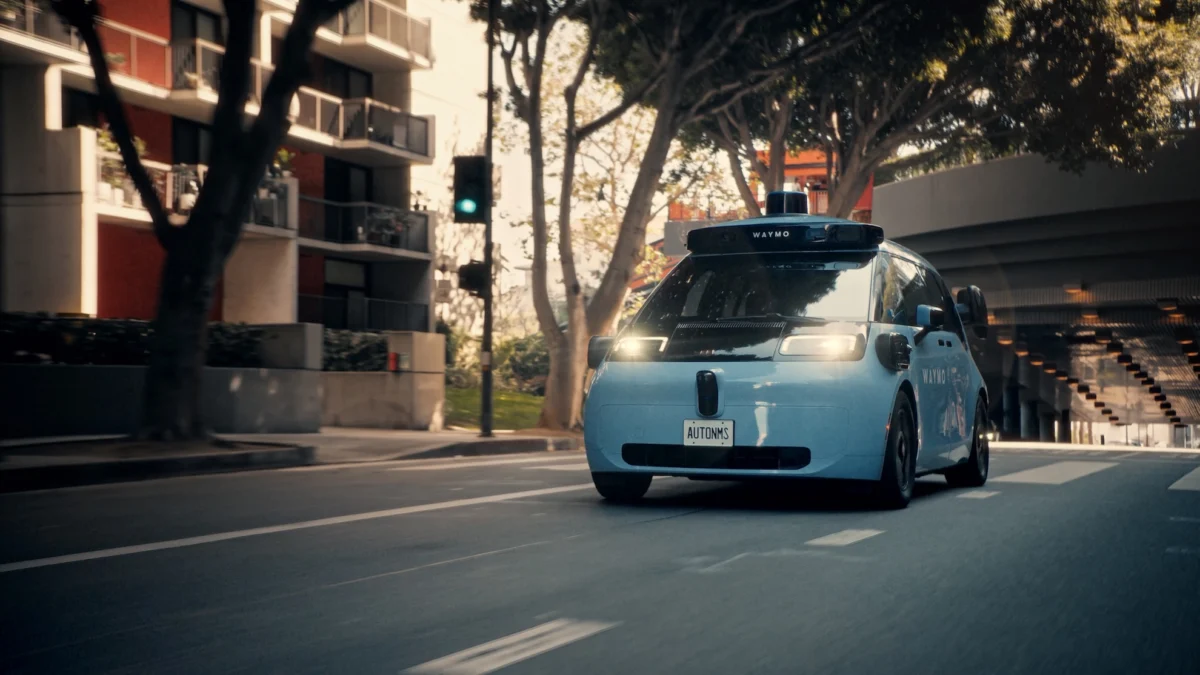
The dynamic landscape of future transportation continues to accelerate, marked by significant technological advancements, strategic investments, and intensifying regulatory scrutiny. From autonomous driving pioneers like Waymo deepening their vertical integration with custom hardware to growing national security concerns over critical components, and a flurry of major deals shaping market segments, the mobility sector is undergoing profound transformations. These developments underscore a relentless pursuit of efficiency, safety, and market dominance, even as companies navigate complex operational and geopolitical challenges.
Waymo’s Deep Dive into Custom Silicon: A Strategic Leap for Robotaxi Expansion
Waymo, a leader in autonomous vehicle technology, has consistently garnered attention for its aggressive expansion strategy. Its robotaxis are rapidly deploying into new urban centers and broadening their operational footprint within existing service areas, a testament to its technological maturity and operational confidence. Central to this ambitious growth is Waymo’s sixth-generation self-driving system, which made its debut in the next-generation Ojai robotaxi. While the company has long stated that the Ojai platform is designed for lower manufacturing, operational, and maintenance costs – crucial factors for achieving long-term profitability in the capital-intensive autonomous vehicle (AV) sector – the full extent of its vertical integration has only recently become clear.
This week, Waymo revealed a significant strategic move: the development of a custom silicon chip. Specifically, a 5-nanometer (nm) Application-Specific Integrated Circuit (ASIC) designed to preprocess the enormous volume of raw data generated by the vehicle’s sensor suite before it reaches the core "brain" of the self-driving system. To put the data volume into perspective, the Waymo Ojai is equipped with an array of 13 high-fidelity cameras, alongside a comprehensive suite of lidar and radar sensors, all generating terabytes of information every hour. The custom ASIC is engineered to manage this influx with unparalleled efficiency.
Waymo reports that this chip delivers over 1,000 TOPS (trillions of operations per second) of computing performance. This metric places it in a performance class comparable to some of the most powerful automotive processors on the market, such as Nvidia’s latest DRIVE AGX Thor platform, which is specifically engineered for advanced automated driving applications. The strategic rationale behind developing custom silicon is multifaceted. By designing its own chip, Waymo gains greater control over the hardware-software stack, allowing for optimized performance, enhanced energy efficiency, and tighter security integration. This level of vertical integration can lead to significant cost savings in the long run by reducing reliance on off-the-shelf components, which often come with higher per-unit costs and less flexibility for custom optimizations. Furthermore, it enables Waymo to tailor the chip precisely to the demands of its unique AI models and sensor data processing pipelines, leading to a system that, as Waymo claims, offers "unmatched efficiency and performance." This efficiency is critical for managing the power consumption and thermal output within a vehicle, directly impacting operational costs and vehicle longevity.
The upshot of this custom hardware is a system capable of reacting with exceptional speed and safety, even in the most complex, high-density urban environments. Such environments, characterized by unpredictable pedestrians, cyclists, varied traffic patterns, and dynamic infrastructure, demand instantaneous processing and decision-making capabilities. Waymo’s Ojai robotaxi, now open to all riders in Los Angeles, Phoenix, and San Francisco, represents the tangible outcome of these technological investments.
Despite this push for vertical integration, Waymo acknowledges a robust ecosystem of partners in its compute architecture. The company listed several prominent technology firms, some for the first time, including AMD, Micron, Nvidia, Samsung, Sandisk, Socionext, and TSMC. This collaboration highlights a hybrid strategy where core, performance-critical components are custom-built, while other elements benefit from partnerships with industry leaders in memory, storage, and general-purpose processing. This approach allows Waymo to leverage specialized expertise while maintaining control over its most differentiating intellectual property.

National Security Spotlight: The Scrutiny of Chinese Lidar Technology
Beyond the technological race, geopolitical and national security considerations are increasingly influencing the mobility sector. A notable investigation is currently underway at the Idaho National Laboratory, which is evaluating potential security risks posed by Chinese lidar sensors if they become widely adopted in vehicles within the United States. This research, revealed by sources speaking to TechCrunch’s senior reporter Sean O’Kane, is particularly noteworthy given its funding source: a consortium of companies within the electric and autonomous vehicle industries.
The investigation signals a growing concern within the U.S. government and industry regarding the supply chain security of critical components for autonomous vehicles. Lidar, or "light detection and ranging," is a fundamental sensor technology for self-driving cars, providing highly accurate 3D mapping of the environment. Any potential vulnerabilities in these sensors, whether intentional backdoors or unintentional weaknesses, could theoretically be exploited for espionage, data exfiltration, or even remote manipulation, posing significant risks to national security and public safety.
This scrutiny aligns with a broader pattern of increasing tensions and distrust between the U.S. and China over technology. In recent years, the U.S. government has expressed concerns and taken action against Chinese technology firms like Huawei and TikTok, citing potential national security risks related to data privacy and government influence. The focus on lidar extends these concerns to the rapidly evolving automotive sector, which is increasingly reliant on sophisticated digital technologies. The fact that the research is privately funded by EV and AV companies suggests a proactive move by the industry to understand and mitigate potential risks, possibly in anticipation of future government regulations or public sentiment shifts.
However, the specific companies contacted about the investigation—including major players like Rivian, General Motors, Ford, Kodiak, Lucid Motors, Nuro, and Uber—all stated they were unaware of the review. Aurora, Nvidia, and Zoox did not respond to inquiries. This lack of awareness from prominent industry players could indicate several things: the research is highly compartmentalized, the funding group is a smaller, more discreet consortium, or the companies are maintaining plausible deniability given the sensitive nature of the topic. The outcome of this investigation could have significant implications for the global automotive supply chain, potentially leading to restrictions on the use of certain foreign-made components in U.S. vehicles and forcing a re-evaluation of supplier relationships across the industry.
Navigating the Funding Landscape: Key Deals Shaping the Mobility Sector
The past week also saw a flurry of significant funding rounds and strategic partnerships, reflecting a dynamic investment environment and evolving business models across the mobility sector.
Also’s Strategic Evolution and Growth: Also, a startup originally incubated within Rivian, successfully closed a $150 million Series D funding round. Led by Prysm Capital, with continued participation from existing backers Eclipse, Greenoaks, and MVP Ventures, this latest raise brings Also’s total funding to an impressive $455 million since its spinout from Rivian in March 2025. The speed at which Also has reached a Series D round—just over a year since its launch—highlights strong investor confidence. More importantly, the company’s mission has significantly evolved, necessitating continued capital infusion. Initially focused on micromobility solutions like pedal-assist electric bikes and commercial cargo quads, Also has rebranded itself as a "Palo Alto-based technology company building the world’s most capable driven and autonomous small electric vehicles." This pivot toward autonomous driving components became evident earlier this year when Also secured a $200 million round and announced a multi-year commercial agreement with DoorDash to develop and deploy autonomous delivery vehicles. This strategic shift positions Also to capitalize on the burgeoning demand for efficient, autonomous last-mile delivery solutions, a market segment ripe for disruption.

Serve Robotics Diversifies After Uber’s Exit: Sidewalk delivery robot company Serve Robotics navigated a critical period by securing new partnerships following a significant shift in its relationship with Uber. Earlier this month, Serve reported during its earnings call that Uber had reduced its utilization of Serve’s robots on the Uber Eats app, with the partnership slated to conclude next year. Compounding this, Uber also divested its entire stake in Serve Robotics. This development underscored the inherent volatility of relying heavily on a single major partner. However, Serve demonstrated its resilience by finalizing several other deals that had been in the pipeline. The company announced a new partnership with Grubhub, commencing robot delivery services in key markets such as Chicago, Los Angeles, and Alexandria, Virginia. Furthermore, Serve expanded its existing partnership with DoorDash to include San Jose, California, and Washington, D.C. Uber’s retreat from Serve serves as a stark reminder for any scaling startup of the paramount importance of diversification, a lesson Serve appears to have successfully internalized, ensuring its continued operational viability and growth trajectory.
Electrifying Freight: Einride’s Tesla Semi Order: The Swedish electric and autonomous trucking company Einride struck a significant deal with Tesla, agreeing to purchase 500 of its electric Semis. These electric big rigs will be integrated into Einride’s fleet in phases over the next 24 months, beginning in September, and will be made available to its roster of high-profile customers, which includes Amazon. This partnership is notable given Tesla’s ongoing challenges in scaling up production of the Semi, having recently adjusted its promises to reach "volume production" in 2026. For Einride, the deal reinforces its position as a leading provider of electric and autonomous freight solutions, leveraging Tesla’s brand and technology to accelerate the decarbonization of the logistics industry.
Grounded’s Niche in Custom Vans: Detroit-based startup Grounded, specializing in customizing electric and gas-powered vans, successfully raised a $5 million seed round. The funding saw repeat investments from existing backers Also Capital and Chicago-based early-stage firm The 81 Collection, alongside new participation from Animal Capital, the Michigan Outdoor Innovation Fund, and "various SpaceX alumni." This diverse investor base signals confidence in Grounded’s focused approach to addressing specific market needs for customized commercial vehicles, blending traditional automotive expertise with modern electrification trends.
Uber’s Ambitious Drone Delivery with Zipline: Uber announced a strategic investment in, and partnership with, drone delivery company Zipline. While the financial details of the investment were not disclosed, the companies outlined an ambitious goal: to achieve 1 million deliveries per day using Zipline’s drones by the end of 2029. This collaboration marks a significant push by Uber into the nascent but promising drone delivery market, aiming to leverage Zipline’s proven expertise in medical and commercial drone logistics to enhance its Uber Eats delivery network. The target of 1 million daily deliveries is aggressive, underscoring Uber’s long-term vision for transforming last-mile logistics through aerial autonomy.
Vessev’s Electric Hydrofoil Innovation: New Zealand startup Vessev, focused on developing electric hydrofoil boats, successfully raised $19 million in a Series A round. The round was led by Blackbird Ventures, with new investors GD1 and Rypples joining alongside existing investors K1W1, Icehouse Ventures, Shasta Ventures, NZVC, and various angel investors. This investment highlights growing interest in sustainable maritime transport and the potential of hydrofoil technology to offer faster, more energy-efficient, and environmentally friendly waterborne travel.
Regulatory Horizons and Operational Expansion: Global Mobility Updates
The week’s developments extended beyond funding, touching upon regulatory actions, widespread recalls, and significant operational expansions across various segments of the mobility sector.
Amazon Prime Air’s Ambitious Drone Delivery Rollout: Amazon announced an ambitious plan for its Prime Air drone delivery service, aiming to expand its reach to nearly 500 U.S. cities by the end of 2026—a sixfold increase from its current footprint. This aggressive expansion underscores Amazon’s long-term commitment to drone delivery as a core component of its logistics network, despite ongoing challenges related to airspace regulations, public acceptance, and operational scalability. The company views drone delivery as a key differentiator for speed and efficiency in its vast e-commerce operations.

Autonomous Construction with Bedrock Robotics: Bedrock Robotics, an autonomous vehicle technology startup founded by veterans from Waymo and Segment, reported a significant milestone: excavators equipped with its self-driving system are now operating fully autonomously at three large customer sites in Nevada and Texas. This demonstrates the expanding application of autonomous technology beyond passenger transport and logistics, into heavy industrial sectors like construction, promising increased efficiency, safety, and productivity in complex worksite environments.
Genesis Enters Luxury EV SUV Market: Hyundai’s luxury car brand Genesis unveiled its new seven-seater electric SUV, the GV90. This vehicle is positioned to compete directly with other high-end electric SUVs, such as the Cadillac Escalade IQ and Rivian R1S, signaling Genesis’s serious intent to capture a significant share of the rapidly growing luxury electric vehicle market. The launch reflects the broader industry trend toward electrification across all vehicle segments, including large, premium SUVs.
China’s Vehicle Recalls: Safety Scrutiny: Tesla was among 11 carmakers in China that initiated recalls involving millions of vehicles due to issues with hidden emergency door releases. The flaw can potentially trap occupants in the event of a crash or fire, raising serious safety concerns. Other brands, including Xiaomi, Xpeng, and Geely’s Zeekr and Lynk & Co., were also impacted by these recalls. This widespread action highlights the proactive regulatory environment in China regarding vehicle safety and the challenges even advanced EV manufacturers face in ensuring robust safety features across their product lines.
Nevada Embraces Robotaxis: A Hub for Autonomous Services: Nevada regulators issued permits to Tesla, Uber, and Waymo, allowing them to operate commercial robotaxi services in Clark County, which encompasses Las Vegas. Collectively, these permits authorize the deployment of up to 8,000 robotaxis across the county over the next 12 months. While it is unlikely that the full complement of 8,000 vehicles will immediately flood the streets of Las Vegas, even a fraction of this number would profoundly impact the city’s transportation landscape, intensify competition among AV operators, and establish Nevada as a critical proving ground for widespread autonomous mobility.
Uber’s Regulatory Challenges and Global AV Push: Uber faced a substantial fine of €825 million ($966 million) from the Dutch Data Protection Authority. The fine was imposed for Uber’s use of automated systems to deactivate or suspend driver accounts without providing adequate information or due process, a clear violation of European data protection laws. This incident underscores the increasing scrutiny faced by tech companies regarding algorithmic transparency and fairness, particularly concerning their workforce. Despite this regulatory setback, Uber continued its aggressive global expansion in autonomous vehicles. The company announced early rider testing in London with partner Wayve, launched a robotaxi service in Zagreb, Croatia, with Pony.ai and Verne, and initiated driverless rides in Dubai with Baidu, establishing what it terms the "first multi-partner autonomous network globally." These diverse partnerships illustrate Uber’s strategy to rapidly deploy AV services by collaborating with various technology providers across different geographies.
Waymo’s Transparency Dilemma with NHTSA: Waymo responded to questions from the National Highway Traffic Safety Administration (NHTSA) as part of the regulator’s investigation into a low-speed collision where one of its robotaxis struck a child. However, the responses released so far have been heavily redacted. This situation highlights the ongoing tension between proprietary technology and the public’s right to safety-critical information, especially as autonomous vehicles become more prevalent. Regulatory bodies like NHTSA are tasked with ensuring safety, while AV developers seek to protect their intellectual property, creating a complex environment for transparency and accountability in incident investigations.
In conclusion, the mobility sector is experiencing a period of intense innovation and strategic maneuvering. Waymo’s commitment to vertical integration through custom silicon reflects a drive for ultimate control and efficiency in the highly competitive robotaxi market. Simultaneously, national security concerns surrounding critical components like lidar introduce new layers of complexity to global supply chains and technology adoption. The array of significant deals—from Also’s pivot to autonomous delivery to Serve’s diversification and Uber’s ambitious drone and global robotaxi expansions—demonstrates a sector rapidly evolving through strategic partnerships and substantial capital investments. As these technological advancements unfold, they are continuously met with heightened regulatory scrutiny and the imperative to ensure both safety and transparency, setting the stage for a future where autonomous and electric mobility redefine how we move, work, and interact with our environments.
