

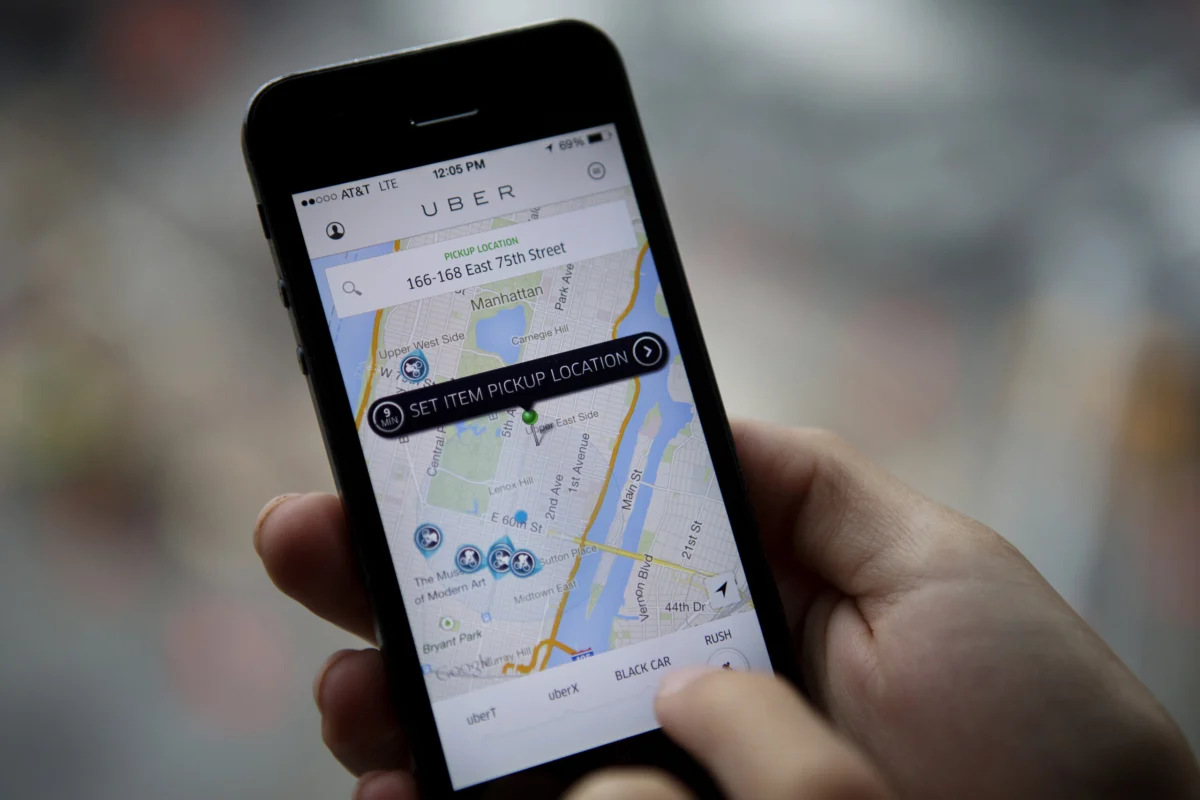
The Dutch Data Protection Authority (Autoriteit Persoonsgegevens, AP) has imposed a substantial fine of €825 million (approximately $966 million) on ride-hailing giant Uber, marking the second-largest penalty issued to date under Europe’s stringent General Data Protection Regulation (GDPR). This landmark decision stems from a comprehensive investigation into Uber’s controversial practice of deactivating driver accounts through automated processes, often without adequate warning or human review, a method the regulator deemed a "serious infringement" of data protection principles. The ruling underscores the increasing scrutiny faced by technology companies regarding their use of algorithms in decisions that significantly impact individuals’ livelihoods.
The Regulatory Action: A Deep Dive into the Fine
The investigation by the Dutch AP was initiated following a wave of complaints from drivers who alleged that their accounts were abruptly suspended or permanently deactivated by Uber’s systems, leaving them without income and often without a clear understanding of the reasons or a meaningful avenue for appeal. Monique Verdier, Deputy Chair of the Dutch Data Protection Authority, articulated the core concern, stating emphatically, "A computer should not make decisions on its own that have [such] major consequences." This statement highlights the AP’s firm stance on the necessity of human intervention and oversight when automated systems make decisions with profound impacts on individuals’ rights and economic well-being. The regulator’s findings specifically cited violations related to transparency, fairness, and the right to human review under the GDPR, particularly concerning Article 22, which grants individuals the right not to be subject to a decision based solely on automated processing, including profiling, which produces legal effects concerning him or her or similarly significantly affects him or her. The magnitude of the fine, surpassed only by the €1.2 billion penalty against Meta in May 2023 for transferring EU user data to the U.S., signals the AP’s commitment to enforcing GDPR regulations rigorously, especially when algorithmic decision-making infringes upon fundamental rights.
Uber’s Stance and Forthcoming Appeal
In response to the Dutch AP’s ruling, Uber has vehemently disputed the findings and the proportionality of the fine. The company maintains that its internal processes are more robust than portrayed, arguing that while initial driver suspensions may be brief and automated, no permanent deactivations occur without subsequent human review. Furthermore, Uber emphasized that its platform provides drivers with avenues to appeal any suspension or deactivation decision. "We strongly disagree with this decision and disproportionate fine," an Uber spokesperson conveyed to Reuters, confirming the company’s intention to appeal the ruling. Uber’s position underscores a broader industry perspective that automated systems are crucial for maintaining platform integrity, efficiency, and safety, particularly in identifying and addressing issues like fraudulent activity or repeated non-compliance with service standards. The company’s appeal will likely focus on demonstrating the human oversight mechanisms already in place and challenging the AP’s interpretation of "solely automated processing" in the context of its multi-layered review procedures.
The Genesis of the Complaint: A Driver’s Journey
The origins of this significant regulatory action can be traced back to the persistent efforts of Brahim Ben Ali, a former Uber driver in France. In 2019, after his own account was abruptly deactivated, Ben Ali embarked on a mission to gather testimonies from other affected drivers. His diligent work eventually amassed complaints from approximately 170 drivers facing similar issues. Recognizing the need for a strategic approach, Ben Ali, with the assistance of PersonalData.io, a Swiss nonprofit organization dedicated to digital rights, brought his collective grievance to the Netherlands. This strategic choice was driven by the fact that Uber’s European headquarters are located there, making the Dutch Data Protection Authority the competent lead supervisory authority for cross-border data processing complaints involving Uber in the EU. PersonalData.io played a crucial role in assisting the drivers in collecting and organizing data related to their deactivation decisions, thereby strengthening their case and providing concrete evidence of the automated nature and lack of transparency in Uber’s processes. Paul-Olivier Dehaye, founder of PersonalData.io, highlighted the precarious position drivers often find themselves in, noting that "a driver can complete a thousand journeys with satisfied passengers, but if just one person reports a very serious problem, the consequences can be enormous." This statement encapsulates the vulnerability of gig economy workers to algorithmic judgments that can disproportionately impact their ability to earn a living.
GDPR and Algorithmic Management: A Core Conflict
At the heart of this dispute lies the fundamental tension between the operational efficiencies of algorithmic management, a cornerstone of the gig economy, and the data protection principles enshrined in the GDPR. The GDPR, which came into effect on May 25, 2018, is designed to give individuals greater control over their personal data. Key principles include transparency, purpose limitation, data minimization, accuracy, storage limitation, integrity and confidentiality, and accountability. Article 22 of the GDPR is particularly relevant here, stipulating that data subjects have the right "not to be subject to a decision based solely on automated processing, including profiling, which produces legal effects concerning him or her or similarly significantly affects him or her." Exceptions exist, but they typically require explicit consent, contractual necessity, or a basis in law, along with suitable safeguards, including the right to obtain human intervention, express one’s point of view, and contest the decision.
Algorithmic management, defined as the use of algorithms to manage workers, has become pervasive in platforms like Uber. While it offers benefits such as efficient matching of supply and demand, dynamic pricing, and performance monitoring, it also presents significant challenges. Critics argue that it can lead to a lack of transparency, unfair treatment, and a diminished sense of agency for workers. The Uber case vividly illustrates how automated systems, designed for efficiency, can inadvertently or intentionally create opaque decision-making processes that leave individuals feeling powerless. The Dutch AP’s ruling reinforces the notion that even in highly automated environments, companies bear a responsibility to ensure human oversight, particularly when decisions carry severe economic and personal consequences. This fine serves as a potent reminder to all companies employing algorithmic management that they must comply with GDPR’s strict requirements for automated decision-making and ensure adequate safeguards are in place.
A Pattern of Penalties: Uber’s History with Dutch Regulators
This latest fine is not an isolated incident but rather the third penalty levied by the Dutch Data Protection Authority against Uber, all stemming from complaints by the same group of drivers and facilitated by PersonalData.io. Previously, the AP had imposed a €290 million fine on Uber for its handling of drivers’ personal data, specifically concerning transparency and data access rights. This was followed by another €10 million fine for related privacy infringements. This pattern of penalties indicates a systemic issue within Uber’s data processing practices and its interaction with its driver base, as perceived by the Dutch regulator. The cumulative nature of these fines underscores a persistent failure on Uber’s part to adequately address data protection concerns, despite previous enforcement actions. Paul-Olivier Dehaye confirmed this continuity, noting that all these fines originate from the same core group of drivers and their ongoing advocacy efforts. The repeated interventions by the Dutch AP highlight an evolving regulatory landscape where repeated non-compliance leads to escalating financial penalties and increased scrutiny.
Broader Implications for the Gig Economy
The €825 million fine against Uber carries significant implications not just for the ride-hailing giant but for the entire gig economy and the broader landscape of algorithmic management.
- Precedent Setting: This ruling sets a powerful precedent for how regulatory bodies across Europe and potentially globally will interpret and enforce GDPR provisions related to automated decision-making, especially in sectors heavily reliant on independent contractors. It signals that simply having an "appeal" mechanism might not be sufficient if the initial automated decision lacks transparency and human oversight.
- Increased Scrutiny: Other gig economy platforms, from food delivery services to freelance marketplaces, are likely to face intensified scrutiny regarding their use of algorithms for performance management, disciplinary actions, and account terminations. Companies may need to re-evaluate their automated systems, integrating more robust human review processes and enhancing transparency for workers.
- Worker Empowerment: For gig workers, this decision is a significant victory. It strengthens their position in advocating for better protections, clearer contractual terms, and more humane management practices. It reinforces their right to challenge algorithmic decisions that affect their livelihoods and provides a legal framework for recourse. Driver unions and associations, which have long campaigned against the perceived injustices of algorithmic management, will find this ruling a powerful tool in their ongoing advocacy.
- Redefining Employer Responsibilities: While Uber maintains its drivers are independent contractors, the regulatory focus on decisions that have "major consequences" for drivers’ economic lives blurs the lines. This could contribute to the ongoing global debate about the classification of gig workers and the extent of platform companies’ responsibilities towards them, potentially pushing platforms towards a more employer-like relationship with their workforce in certain jurisdictions.
- Focus on Ethical AI: The case highlights the growing importance of ethical considerations in the development and deployment of artificial intelligence and automated systems. Regulators are increasingly looking beyond mere technical functionality to the societal impact and fairness of AI-driven decisions.
The Debate: Human Oversight vs. Efficiency
The discussion surrounding the fine has also sparked a debate about the practicalities of implementing human oversight in highly scalable, automated systems. Tech commentator John Gruber, in a blog post on Daring Fireball, expressed concern that the fine might make it "unlawful in the EU for Uber to monitor its drivers for pulling scams against customers, or just never picking riders up, leaving them stranded." He challenged Verdier’s statement by arguing that attributing decisions to "a computer" is akin to blaming "the time clock" for an employee’s firing. Gruber posited that "managers at the company set the policies, and the devices measure employee compliance," implying that the human element of policy-setting should sufficiently address oversight concerns.
Paul-Olivier Dehaye countered Gruber’s perspective, asserting that he "misses the point." Dehaye clarified that the issue is not about preventing Uber from monitoring or penalizing drivers for misconduct, but rather about how those decisions are made. "Uber is free to use humans to punish drivers who scam, but then [it] has to take responsibility for this decision making (like ‘being an employer’, not ‘being a marketplace’)," Dehaye explained. This counter-argument underscores the core demand for accountability and transparency. It suggests that if a company wishes to delegate critical decisions to automated systems, it must ensure those systems are designed with human rights and due process in mind, or else bear the full responsibility—and associated liabilities—of a traditional employer. The debate highlights a fundamental philosophical difference in how technology companies view their operational models versus how regulators interpret their responsibilities under existing legal frameworks.
Looking Ahead: Class Actions and Future Regulatory Scrutiny
The ramifications of this decision are far from over. Paul-Olivier Dehaye has announced plans to launch a class-action lawsuit, through which affected drivers can seek compensation for the financial and emotional distress caused by the automated deactivations. To support these ongoing legal and regulatory efforts, Dehaye is establishing a new company called StartClaims. Initially, StartClaims will focus on cases against Uber, but there are ambitions to expand its scope to other gig economy platforms and related areas like adtech, signaling a broader movement towards challenging algorithmic injustices across various digital industries. This initiative could open the floodgates for similar legal challenges across the EU, further solidifying the rights of individuals in the face of powerful algorithmic systems.
The Dutch Data Protection Authority’s substantial fine against Uber is a watershed moment in the evolving regulatory landscape of the digital age. It sends a clear message that efficiency cannot come at the expense of fundamental data protection rights and human dignity. As the gig economy continues to expand and automated systems become more sophisticated, the balance between technological innovation and ethical governance will remain a critical challenge for both companies and regulators worldwide. The Uber case serves as a stark reminder that accountability, transparency, and human oversight are not merely regulatory ideals but essential components of a fair and just digital ecosystem.
