

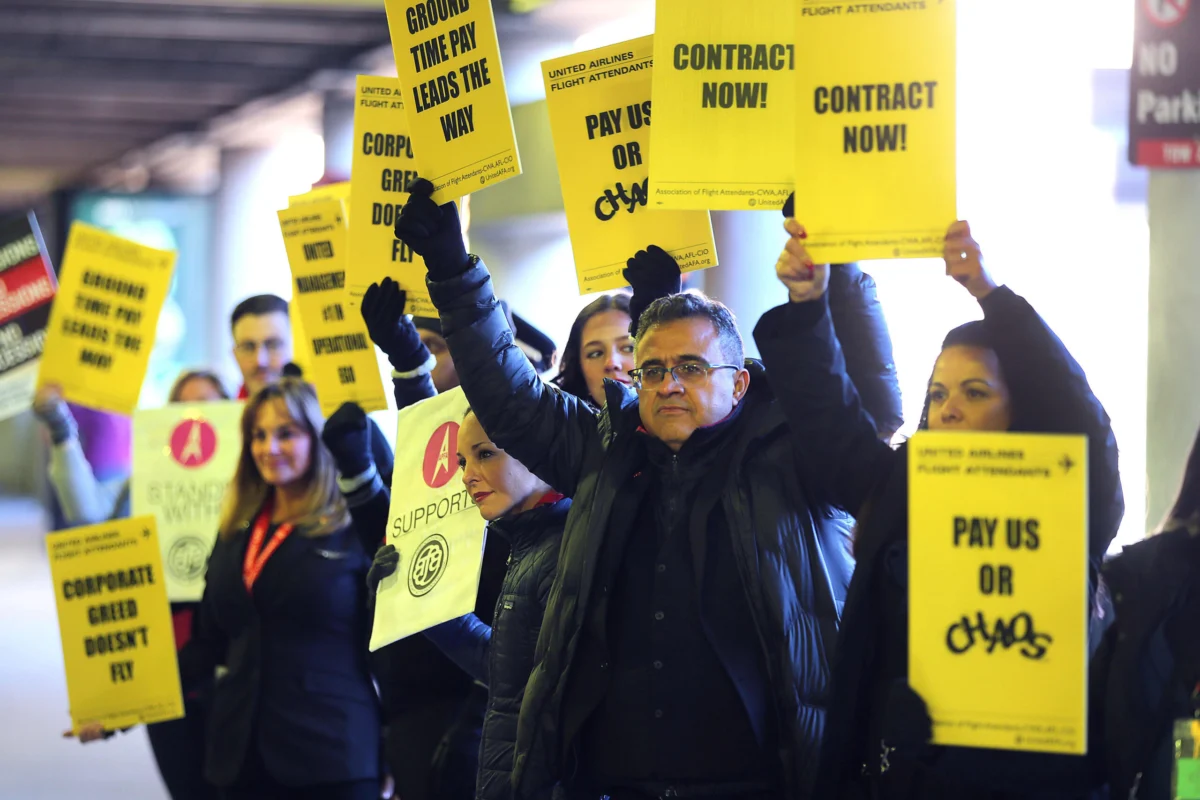
United Airlines and its flight attendant union, the Association of Flight Attendants-CWA (AFA-CWA), have announced a tentative labor deal, marking a significant milestone in post-pandemic airline labor relations. This agreement, if ratified by the union’s approximately 26,000 flight attendants, would deliver their first substantial raises in roughly six years and position United as the last among the major U.S. carriers to secure a comprehensive labor deal with its cabin crew members following the disruptions of the Covid-19 pandemic. The breakthrough comes after prolonged and often contentious negotiations, punctuated by widespread demonstrations, including recent picketing outside Terminal B at Logan Airport in Boston, underscoring the collective resolve of the unionized workforce.
A New Chapter: The Tentative Agreement Unveiled
The proposed agreement represents a substantial victory for United’s flight attendants, addressing long-standing grievances related to compensation and working conditions. United Airlines confirmed that the deal includes immediate raises for its cabin crew. A pivotal financial component of the agreement is the commitment to achieve a top hourly pay rate of $100 per hour for senior flight attendants by the contract’s conclusion. This benchmark represents a significant increase and positions United competitively within the industry. Crucially, the agreement also introduces pay for flight attendants during boarding time, a long-sought demand that acknowledges the work performed before an aircraft’s departure, a period historically unpaid in much of the industry. To further sweeten the offer and incentivize ratification, the airline has proposed a substantial signing bonus, totaling $740 million, to be distributed among all eligible flight attendants. This lump sum is a powerful financial incentive, designed to recognize past contributions and reward patience throughout the protracted negotiation period.
While specific financial figures beyond the top pay rate were not immediately disclosed by the AFA-CWA, the union highlighted several non-monetary improvements. In addition to higher base pay, the tentative deal includes enhanced compensation for flight disruptions, a critical provision aimed at mitigating the financial impact of unexpected delays and cancellations on crew members. Furthermore, new restrictions on overnight flight assignments are part of the package, designed to improve work-life balance and reduce the physical and mental toll on flight attendants. These non-financial gains underscore a broader shift in labor negotiations, where quality of life and work predictability are increasingly prioritized alongside direct compensation.
Years of Stalemate: A Look Back at Negotiations
The journey to this tentative agreement has been arduous and extended, stretching back to before the global pandemic. United Airlines’ flight attendants had been operating under an amendable contract since 2019, meaning their previous agreement had expired, and terms were being continually negotiated. The onset of the Covid-19 pandemic in early 2020 dramatically altered the landscape, initially halting progress as airlines faced unprecedented operational and financial crises. Thousands of airline employees, including flight attendants, were furloughed or took voluntary separation packages, and the focus shifted to survival rather than contract improvements.
As air travel began its robust recovery in 2021 and 2022, fueled by pent-up demand, labor negotiations across the industry reignited with renewed intensity. Flight attendants, who had been on the front lines throughout the pandemic, facing increased passenger aggression and health risks, felt their contributions were undervalued given the airlines’ return to profitability. This sentiment fueled a wave of union activism.
Last July, United’s flight attendants decisively rejected a previous labor deal that had been presented to them. That earlier proposal, which included immediate 26% raises, was deemed insufficient by the union membership. The rejection signaled a strong mandate from the rank-and-file for a more comprehensive agreement that addressed not only base pay but also quality-of-life issues, long-term compensation growth, and fair treatment during operational disruptions. The resounding "no" vote forced both parties back to the negotiating table, intensifying the pressure on United management to deliver a package that truly resonated with its cabin crew. Throughout this period, the AFA-CWA organized numerous system-wide demonstrations and informational pickets at major airports across the United network, including the visible actions at Boston Logan, to maintain pressure on the company and rally public support for their demands. These coordinated efforts were instrumental in demonstrating the union’s solidarity and resolve.
Broader Industry Context: Post-Pandemic Labor Dynamics
The tentative agreement at United must be understood within the broader context of a transformative period for labor relations in the U.S. airline industry. The post-pandemic surge in travel demand, coupled with persistent staffing shortages in critical areas like pilots and flight attendants, has significantly empowered airline unions. This shift in leverage has led to a series of high-profile and lucrative labor deals across the sector.
Delta Air Lines, for instance, saw its pilots secure a new contract in early 2023, setting a new benchmark for pilot compensation with significant raises. American Airlines followed suit, reaching agreements with its pilots and then its flight attendants, also offering substantial pay increases and improved benefits. Southwest Airlines and Alaska Airlines have likewise navigated complex negotiations, with their respective unions achieving favorable terms. Each of these agreements has built upon the last, creating a ripple effect where unions at other carriers demand at least comparable, if not superior, packages. This "pattern bargaining" dynamic meant that United, as one of the last major carriers without a new flight attendant contract, faced immense pressure to deliver a deal that met or exceeded industry standards, especially given its strong financial performance. The AFA-CWA’s strategic patience and willingness to reject an earlier offer were likely influenced by the gains achieved by their counterparts at competitor airlines.
Key Provisions: Financial Gains and Improved Work-Life Balance
Delving deeper into the specifics, the financial components of this tentative agreement are designed to be transformative for United’s flight attendants. The immediate raises are crucial for addressing the stagnant wages of the past six years, during which inflation has significantly eroded purchasing power. The commitment to a $100 per hour top pay by the end of the contract is a powerful statement, not only about the value United places on its most experienced flight attendants but also about its intent to remain a top-tier employer in the competitive airline labor market. This figure will likely influence future negotiations across the industry.
The inclusion of boarding pay is a particularly significant win. Historically, flight attendants were only paid from the moment the aircraft doors closed until they reopened at the destination, meaning the time spent assisting passengers with boarding, securing luggage, and performing pre-flight safety checks was unpaid. This change acknowledges the labor involved in these critical pre-departure duties, directly addressing a long-standing point of contention and valuing flight attendants’ time more comprehensively.
The $740 million signing bonus is not merely a ratification incentive; it serves as a form of retrospective compensation, acknowledging the years flight attendants worked under an amendable contract without new raises, particularly through the challenging pandemic period. This substantial sum provides immediate financial relief and demonstrates a tangible commitment from United.
Beyond the monetary aspects, the provisions for additional compensation for flight disruptions are vital. In an era of increasing flight delays and cancellations, often due to weather, air traffic control issues, or airline operational problems, flight attendants frequently find themselves stranded or working extended hours without adequate remuneration for the inconvenience and added stress. This new compensation mechanism aims to provide a fairer system. The restrictions on overnight flight assignments also speak to a growing recognition of the need for improved work-life balance and a more predictable schedule for a workforce that often operates across multiple time zones and spends significant time away from home. These non-monetary gains contribute significantly to overall job satisfaction and retention.
United’s Strategic Imperatives: Growth and Premium Experience
The timing of this labor agreement is particularly noteworthy, coinciding with United Airlines’ ambitious strategic expansion plans. The airline is actively pursuing an aggressive growth trajectory, with a focus on enhancing its higher-touch premium cabins. This strategy involves significant investments in new aircraft, featuring elevated dining options, lie-flat seats, and an overall upgraded passenger experience designed to attract high-value business and leisure travelers.
A crucial component of delivering on this premium strategy is a stable, motivated, and well-compensated workforce. Flight attendants are the primary interface between the airline and its customers, particularly in the premium cabins where personalized service is paramount. A protracted labor dispute or a dissatisfied cabin crew could severely undermine United’s efforts to cultivate a luxury brand image and deliver the elevated service experience it promises. By securing a comprehensive labor agreement, United ensures operational stability and fosters a more positive working environment, which directly translates into better customer service. A flight attendant who feels valued and fairly compensated is more likely to provide exceptional service, enhancing the passenger experience and reinforcing United’s premium brand positioning. This deal, therefore, is not just about labor peace; it’s an integral part of United’s broader business strategy.
The Road to Ratification: A Critical Vote
The tentative agreement now moves to the next critical stage: ratification by the AFA-CWA membership. The union’s leadership will present the full details of the proposed contract to its flight attendants, likely accompanied by a strong recommendation for approval. This process typically involves a series of informational meetings, webinars, and online resources where members can review the terms and ask questions. The ratification vote itself will be conducted electronically, allowing all eligible members to cast their ballot in a secure and confidential manner.
Given the rejection of the previous offer, the union leadership will be keen to emphasize the improvements and gains secured in this new package. The significant signing bonus, the introduction of boarding pay, the enhanced disruption compensation, and the commitment to a $100/hour top pay are all strong selling points. The outcome of this vote will be closely watched by the entire airline industry, as it will signal the flight attendants’ satisfaction with the terms and the ultimate resolution of one of the industry’s most significant ongoing labor disputes. A "yes" vote would bring an end to years of uncertainty and pave the way for a new era of labor relations at United. A "no" vote, while less likely given the significant concessions, would plunge the airline back into intense negotiations, potentially leading to further unrest and operational instability.
Voices from the Negotiating Table and the Picket Line
While official statements from both parties have been measured, the sentiment from the negotiating teams and the flight attendant community offers insight. United Airlines management, including CEO Scott Kirby, has consistently expressed a commitment to reaching fair agreements with its employee groups, recognizing their vital role in the airline’s success. A deal of this magnitude would likely be presented by management as a testament to their commitment to their employees and a foundation for future growth and stability. The significant financial investment underscores their desire to avoid further labor strife and focus on operational excellence and market expansion.
On the union side, AFA-CWA International President Sara Nelson, a prominent figure in airline labor, has been a vocal advocate for flight attendants’ rights and fair compensation. She and local council representatives would likely highlight the collective power of the membership, the resilience demonstrated throughout the lengthy process, and the tangible gains achieved through sustained pressure and unwavering solidarity. The agreement would be framed as a hard-won victory, reflecting the value and dedication of flight attendants who kept the airline flying through unprecedented times. Flight attendants themselves, who have tirelessly campaigned and picketed, would likely express relief and satisfaction, particularly regarding provisions like boarding pay, which directly addresses a long-standing issue of unpaid labor.
Economic and Operational Implications
The financial implications for United Airlines are substantial. The $740 million signing bonus, combined with immediate raises and the long-term commitment to higher pay scales, represents a significant increase in labor costs. However, this investment is likely viewed by management as a necessary cost for long-term operational stability and improved employee morale, which can translate into enhanced productivity and customer satisfaction. The absence of a contract or the threat of industrial action can be far more costly in terms of lost revenue, reputational damage, and operational disruptions.
For the flight attendants, the economic impact will be immediate and profound. The raises and bonus will provide much-needed financial relief, particularly in an environment of persistent inflation. This increased purchasing power will have a positive ripple effect on local economies where flight attendants reside. Operationally, a ratified agreement will remove a major source of uncertainty. United can now plan its aggressive expansion, fleet modernization, and route network development with the assurance of a stable and engaged cabin crew, crucial for executing its strategic vision effectively.
Looking Ahead: The Future of Airline Labor Relations
This tentative agreement between United Airlines and the AFA-CWA represents a crucial chapter in the ongoing narrative of post-pandemic labor relations. It reinforces the trend of unions leveraging increased demand and labor shortages to secure significant gains for their members. As the last major U.S. carrier to finalize a flight attendant deal, United’s agreement effectively closes a significant chapter in the industry’s recovery, setting new benchmarks and solidifying the economic improvements for a vital segment of the airline workforce.
The focus will now shift to other employee groups at United and other carriers, whose unions will undoubtedly study the terms of this deal as they prepare for their own upcoming negotiations. The successful resolution at United could foster a period of greater labor peace across the industry, allowing airlines to concentrate on meeting the robust demand for air travel and executing their long-term growth strategies. However, it also signifies a permanent recalibration of the power dynamic between management and labor, where the essential contributions of frontline employees are increasingly recognized and compensated.
