

San Francisco, CA – TechCrunch, a leading authority in the technology and startup ecosystem, has announced an extension for applications to its prestigious Startup Battlefield competition, pushing the final deadline to June 8, 2026. This decision, conveyed by the event organizers, aims to accommodate a surge in submissions and ensure that the most promising, albeit sometimes overlooked, early-stage companies from across the globe have the opportunity to showcase their groundbreaking innovations. The Startup Battlefield, a cornerstone event of TechCrunch Disrupt, is renowned for unearthing future industry giants and is set to culminate at TechCrunch Disrupt 2026, scheduled from October 13-15 in San Francisco.
The annual Startup Battlefield is not merely a competition but a pivotal platform that has historically launched some of the most influential companies in the tech world. Its alumni roster includes household names like Cloudflare, a cybersecurity and content delivery network giant with a market capitalization exceeding tens of billions, and Discord, the popular communication platform valued at over $15 billion. These success stories underscore the profound impact and credibility that participation in the Battlefield confers upon nascent ventures. The competition’s consistent ability to identify companies with immense potential, long before they achieve widespread recognition, cements its status as a critical accelerator in the global startup landscape.
The Evolving Philosophy Behind Startup Battlefield Selection
At its core, the Startup Battlefield distinguishes itself by prioritizing raw potential and disruptive vision over mere polish or established traction. This philosophy is particularly relevant in an era where venture capital funding, while abundant, often gravitates towards companies with demonstrable metrics. TechCrunch’s approach challenges founders to look beyond conventional indicators of readiness, instead focusing on the fundamental strength of their ideas and the transformative power of their solutions.
"Every year, we review thousands of applications, and a recurring pattern emerges: the founders destined for this stage are often those who almost didn’t apply," stated a TechCrunch representative, elaborating on the rationale behind the extended deadline. "They frequently believe they are too early, lack sufficient traction, or perceive the program as being tailored for more mature companies. Our message is clear: we are looking for the truly disruptive, the category-definers, not just incremental improvements."
This emphasis on early-stage innovation is critical in fostering a diverse and dynamic tech ecosystem. By actively seeking out companies that are pre-launch, bootstrapped, or still in their nascent stages, TechCrunch provides a crucial lifeline and a global spotlight that might otherwise be inaccessible. This commitment to identifying untapped potential serves as a powerful antidote to the often insular nature of traditional venture capital networks, ensuring that groundbreaking ideas, regardless of their origin or current scale, receive the attention they deserve.
Key Criteria for Selection: Beyond the Conventional Metrics
TechCrunch’s selection process for the Startup Battlefield 200, the elite cohort from which finalists are chosen, is meticulously designed to identify companies poised for genuine impact. The criteria move beyond typical investment metrics, delving into the intrinsic value and potential for paradigm shifts.
-
Product and Disruption: The primary focus is on the innovation itself. Judges seek products that represent a significant departure from existing solutions, rather than incremental enhancements. The core question posed during evaluation is: "Does this genuinely change something, making existing versions feel obsolete?" This criterion challenges founders to articulate how their product fundamentally redefines an industry or solves a problem in a novel way, pushing the boundaries of technological possibility. In a market often saturated with "better, faster, cheaper" iterations, the Battlefield actively seeks the truly transformative.
-
The Founding Team: Beyond the product, the team behind the innovation is paramount. Evaluators delve into the founders’ origin story, their conviction, and their unique qualifications to tackle the chosen problem. The "why you, why now, why this problem?" narrative is critical. TechCrunch looks for founders who can articulate their passion and insight with clarity, demonstrating an understanding of the problem that goes beyond market size analysis. This human element is often what differentiates a sustainable, impactful venture from a fleeting trend.
-
Industry and Geographic Diversity: Reflecting a commitment to global innovation, the Startup Battlefield actively seeks a diverse cohort. Applications from every corner of the world and across all technology verticals are encouraged. This strategic push for diversity acknowledges that groundbreaking ideas can emerge from anywhere and that solutions developed in underserved regions or niche sectors often possess unique insights and market potential. This global perspective not only enriches the competition but also ensures that a broader spectrum of challenges and solutions are brought to the forefront of the tech conversation.
Demystifying Disqualifications: What Won’t Hold You Back
Many aspiring founders self-select out of opportunities like Startup Battlefield due to common misconceptions about eligibility. TechCrunch has made a concerted effort to clarify what doesn’t disqualify a company, thereby encouraging a wider range of applicants.
-
Press Coverage: While extensive, high-profile media coverage of a company’s core technology might be a disqualifier (as the aim is to introduce novel tech), local or industry-specific coverage, or founder profiles, are generally acceptable. The key is whether the product itself has had its "moment" in the spotlight. If the product’s fundamental innovation remains largely unshowcased, Disrupt offers the ideal stage.
-
Being Pre-Launch: A common misconception is that companies need a fully launched product with a customer base and revenue. However, the Battlefield explicitly welcomes pre-launch companies, provided they have a working Minimum Viable Product (MVP). This opens the door for truly early-stage ventures that are still refining their offerings but possess a compelling, functional prototype.
-
Having Applied Before: Rejection in a previous cycle is not a barrier to future success. Many successful Startup Battlefield 200 companies applied multiple times before being selected. This emphasizes persistence and the iterative nature of startup development, suggesting that a stronger application or a more developed product might lead to success in subsequent attempts.
-
Raising Money: The competition is inclusive of various funding stages. Bootstrapped, pre-seed, and seed-stage companies are all welcome. Even Series A companies are considered on a case-by-case basis, particularly those in capital-intensive industries or operating in markets where funding dynamics differ significantly from Silicon Valley norms. This flexibility ensures that the competition remains accessible to a broad spectrum of early-stage ventures, regardless of their immediate fundraising status.
Crafting a Winning Application: Essential Tips from the Experts
To maximize their chances of selection, applicants are advised to focus on several critical elements within their submission:
-
Show Your Product Working: This is paramount. A live demonstration of the MVP, even if raw or captured via a phone screen recording, is far more impactful than polished mockups, simulations, or animated explainer videos. The judges want to see the technology in action, proving its functionality and potential.
-
Know Your Competitive Landscape: Claiming "no competitors" is often seen as a red flag, indicating a lack of market understanding. A strong application identifies existing competitors, acknowledges their strengths, and then clearly and specifically articulates why the applicant’s solution is superior or fundamentally different. This nuanced understanding of the market is a key indicator of a founder’s strategic acumen.
-
Tell Your Story: The founding narrative is a powerful tool. Applicants should articulate why they started the company, what unique insight they possessed, and why they are the right team to build this particular solution. This personal conviction and unique perspective are crucial for evaluating the team’s potential and resilience.
-
Don’t Overpolish: Authenticity is valued. Founders are encouraged to write clearly, show their product as it is, and be truthful about their current stage of development. While rough edges are understood and often expected in early-stage ventures, an overly managed or opaque application can obscure the true potential of the company.
-
Resubmit if Necessary: The extended deadline offers a valuable opportunity. If an initial application was submitted prematurely, founders can submit a new, more refined application before the June 8 deadline. While existing applications cannot be edited, a fresh submission allows for improvements based on new insights or product developments.
Resources for Aspiring Founders: Learning from Those Who’ve Succeeded
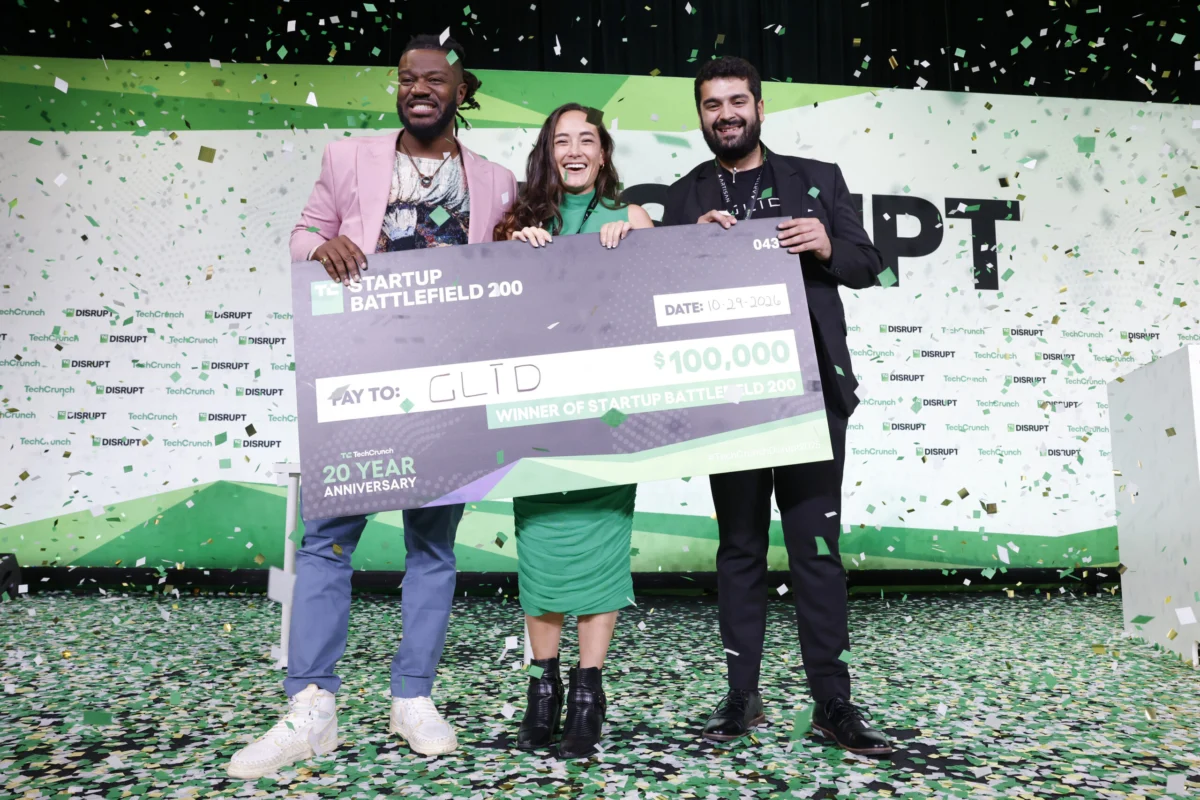
TechCrunch offers valuable resources for founders looking to refine their approach and understand the nuances of building a successful startup. "Build Mode," TechCrunch’s podcast for early-stage founders, is a prime example. It features interviews with past Battlefield companies, including Forethought AI and GlÄ«d (winner of Startup Battlefield 2025), as well as insights from breakout founders like those behind Artisan and TaskRabbit, and top-tier investors from firms like General Catalyst. These conversations provide invaluable lessons on product-market fit, fundraising strategies, team building, and navigating the challenges of early-stage growth. Listening to these experienced voices can provide a strategic edge, offering practical advice and inspiration for those aiming for the Battlefield stage.
The Extended Deadline: A Critical Opportunity
The extension of the application deadline to June 8, 2026, represents a significant opportunity for founders who may have been on the fence or needed more time to prepare a compelling submission. This additional window underscores TechCrunch’s commitment to inclusivity and its desire to cast the widest possible net for transformative technologies.
Selected companies will be notified approximately two months before TechCrunch Disrupt, providing ample time for preparation for the main event in San Francisco. The journey from application to the Disrupt stage is rigorous, but the potential rewards—unparalleled visibility, mentorship, networking with investors, and the prestige of the TechCrunch brand—are immense. Even for those not ultimately selected, the application process itself serves as a valuable exercise in clarifying a company’s vision, product, and market strategy, providing a stronger foundation for future endeavors.
In a competitive global landscape where early-stage startups often struggle for attention and resources, platforms like Startup Battlefield serve as crucial catalysts. By championing disruptive ideas and fostering a culture of innovation, TechCrunch continues to play a vital role in shaping the future of technology, ensuring that the next generation of industry leaders has the opportunity to emerge and thrive. Founders are strongly encouraged to seize this extended opportunity, as the program is explicitly designed to discover talent and innovation "before the world does." The application is not just a form; it’s the first pitch on a potentially world-changing journey.
