

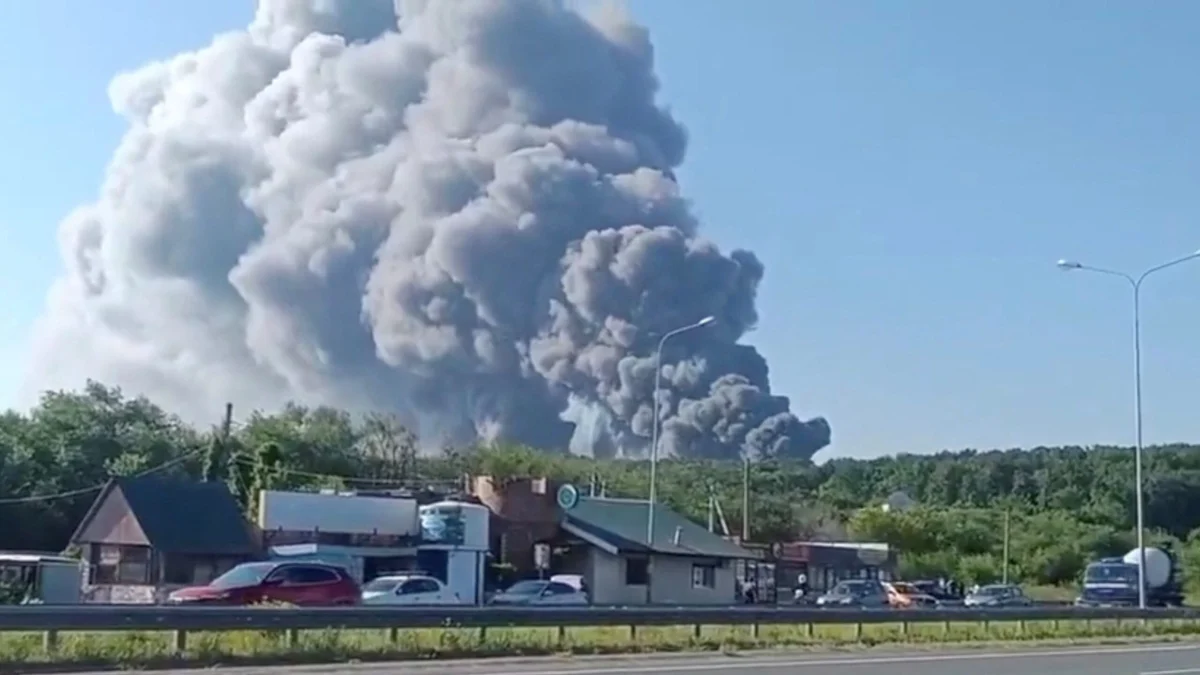
Ukrainian forces have reportedly targeted an oil refinery and a military airfield in the Saratov region of southwestern Russia, according to a statement from the General Staff of the Ukrainian Armed Forces on Sunday. The strikes are said to have ignited fires at both facilities. Additionally, Ukraine claims to have attacked an oil depot in the western Kaluga region. These events underscore the ongoing escalation of the conflict, with Ukraine increasingly striking targets deep within Russian territory.
The attacks come amid a period of intensified aerial exchanges between Russia and Ukraine. The Saratov region, particularly the city of Engels, has been a strategic target in the past due to its proximity to key Russian military infrastructure. Engels hosts one of Russia’s largest air force bases, from which strategic bombers have been deployed to launch missile attacks on Ukrainian cities. Similarly, the oil refinery in Saratov has been a recurring target for Ukrainian counterattacks, indicating a strategic focus on disrupting Russia’s energy and military capabilities.
Escalation of Ukrainian Strikes on Russian Territory
The reported Ukrainian strikes on the Saratov region represent a significant development in the conflict, demonstrating Ukraine’s growing capacity to project force beyond its immediate borders. The targeting of an oil refinery and a military airfield suggests a dual strategy aimed at crippling Russia’s economic infrastructure while simultaneously degrading its military operational capacity. The fires reported at both locations, if confirmed, would indicate the effectiveness of these strikes.
The General Staff’s statement also mentioned an attack on an oil depot in the Kaluga region, further illustrating a pattern of Ukrainian operations designed to disrupt Russia’s energy supply chain. These attacks, occurring deep within Russian territory, carry significant symbolic and strategic weight. They demonstrate Ukraine’s determination to retaliate for Russian aerial bombardments and to impose costs on Russia for its ongoing invasion.
Casualties and Damage in Russian Regions
The impact of these Ukrainian operations on Russian territory has been varied. In the Saratov region, Governor Roman Bussargin reported on Telegram that civilian infrastructure in Saratov and Engels had been damaged. Tragically, two people were killed in Engels when a multi-story residential building was hit. While the exact cause of the building’s damage is under investigation, the proximity to military targets raises concerns about potential collateral damage from either Ukrainian strikes or Russian air defense responses.
Unverified images and videos circulating on social media purported to show fires at the Saratov refinery. This facility has been a known target in the past, and repeated attacks suggest it remains a critical component of Russia’s energy sector that Ukraine seeks to disrupt. The repeated targeting of Engels, home to a crucial airbase, highlights Ukraine’s efforts to degrade Russia’s strategic bombing capabilities.
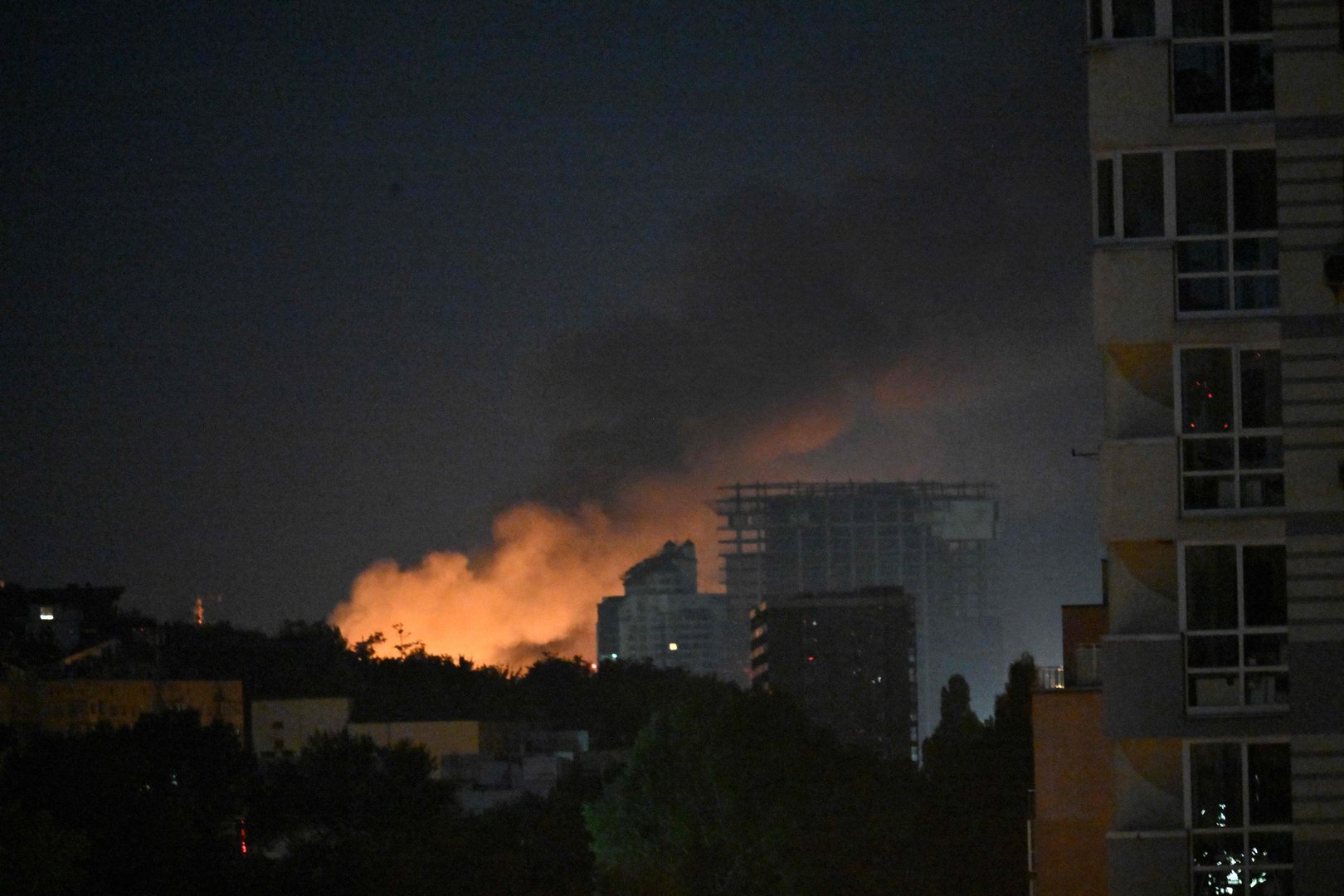
Beyond Saratov, Ukrainian drones also targeted a logistics facility belonging to Wildberries, Russia’s largest online retailer, in the Samara region. The company confirmed a fire had broken out but stated there were no injuries. This incident is part of a broader pattern of Ukrainian attacks on Wildberries warehouses, which Ukraine claims are used to supply the Russian military.
Russian Air Defense Efforts and Claims
The Russian Ministry of Defense has reported intercepting a significant number of Ukrainian drones. According to their claims, 635 Ukrainian drones were downed over Russian territory and the annexed Crimean peninsula during a single night. While these figures cannot be independently verified, they suggest a high volume of Ukrainian drone activity and a substantial effort by Russian air defenses to counter these threats. The intensity of these reported interceptions underscores the ongoing aerial conflict and the challenges faced by both sides in achieving air superiority.

President Zelenskyy’s Plea for Air Defense Systems
In the wake of these and other Russian attacks, Ukrainian President Volodymyr Zelenskyy has renewed his urgent appeal to the international community for the delivery of Patriot air defense missile systems. Zelenskyy stated in his nightly video address that Ukraine requires "real answers from the world" to what he termed "Russian terror." He emphasized that the most just response would be enhanced support for Kyiv’s air defense capabilities, particularly in countering Russian missile and drone attacks.
Zelenskyy’s plea highlights Ukraine’s ongoing struggle to defend its skies against persistent Russian aerial assaults. The effectiveness of Western-supplied air defense systems, such as the Patriot, is seen as crucial in protecting Ukrainian cities and critical infrastructure. The availability and timely delivery of these systems remain a key factor in Ukraine’s defensive posture.
Broader Context: The War’s Impact on Civilian Infrastructure
The conflict has had a devastating impact on civilian infrastructure across Ukraine, with Russia frequently targeting energy facilities, residential areas, and other non-military targets. Ukraine’s counter-strikes on Russian territory, while occurring on a smaller scale and with different objectives, reflect a strategic shift to bring the war’s consequences directly to Russia.
The attacks on the Wildberries logistics center, for instance, not only disrupt Russian commerce but also align with Ukraine’s narrative of targeting infrastructure that indirectly supports the Russian war effort. The repeated targeting of these warehouses suggests a belief that they are integral to Russia’s logistical network, potentially supplying goods to military personnel or being used for dual-purpose activities.

Timeline of Key Events (Inferred and Reported)
- Recent Weeks: Ukraine has intensified its drone and missile attacks on targets within Russian territory, including oil refineries, logistics centers, and military installations.
- Sunday’s Reported Attacks: Ukrainian forces reportedly struck an oil refinery and a military airfield in the Saratov region, and an oil depot in the Kaluga region. Fires were reported at the Saratov facilities.
- Recent Russian Aerial Assaults: Russia has continued its widespread aerial bombardments of Ukrainian cities and infrastructure, with significant attacks on Kyiv and other regions leading to civilian casualties and damage.
- Wildberries Warehouse Attacks: Ukrainian forces have repeatedly targeted Wildberries logistics centers across Russia, with a recent incident reported in the Samara region.
- Russian Air Defense Claims: Russia claims to have intercepted hundreds of Ukrainian drones nightly.
- President Zelenskyy’s Calls for Aid: Ukraine’s President continues to urge for increased military aid, particularly advanced air defense systems like the Patriot.
Official Responses and International Implications
While specific official responses from the Russian government to these latest reported strikes were not immediately detailed in the provided text, past instances have typically involved condemnations and vows of retaliation. Russia has consistently accused Ukraine of terrorism and unprovoked aggression when its territory is targeted.

The international community closely monitors these escalations. The involvement of NATO member states, particularly Poland, in responding to airspace violations by Russian aircraft during similar periods of heightened tension, underscores the potential for broader regional instability. The ongoing debate among allies regarding the provision of advanced weaponry, such as long-range missiles and more sophisticated air defense systems, is directly influenced by these developments. The effectiveness and strategic implications of Ukraine’s strikes on Russian territory will likely shape future decisions on military aid and diplomatic engagement.
Analysis of Strategic Implications
The reported Ukrainian attacks on Russian oil refineries and military airfields represent a significant strategic development in the conflict. By targeting key infrastructure, Ukraine aims to:

- Degrade Russian Military Capacity: Disrupting airfields directly impacts Russia’s ability to project air power and launch further attacks on Ukraine.
- Impede Economic Resources: Targeting oil refineries and depots aims to reduce Russia’s revenue streams, which fund the war effort, and potentially create domestic economic pressures.
- Demonstrate Retaliation: These strikes serve as a direct response to Russia’s sustained aerial bombardments of Ukrainian cities and infrastructure, aiming to impose reciprocal costs.
- Influence Public Opinion and Morale: By bringing the war’s impact closer to Russian citizens, Ukraine seeks to potentially influence domestic sentiment and challenge the narrative of the conflict being confined to Ukrainian territory.
However, these actions also carry risks. They could lead to further escalation from Russia, potentially involving more severe retaliatory measures. Furthermore, the targeting of dual-use infrastructure, such as logistics centers, raises complex questions about the proportionality and legality of such strikes under international law, though Ukraine maintains that such facilities support the Russian military.
The repeated attacks on Wildberries warehouses, in particular, suggest a strategic intent to disrupt not only commerce but also potentially supply chains that benefit the Russian military. Ukraine’s assertion that these online retailers are involved in supplying the armed forces provides a justification for such targets.
The ongoing exchange of aerial attacks highlights the attritional nature of the current phase of the war. Both sides are seeking to exhaust the other’s resources, military capabilities, and political will. Ukraine’s ability to sustain and expand its deep-strike capabilities will be a critical factor in its long-term strategic calculus, while Russia’s capacity to defend its territory and maintain its industrial and military output will be equally crucial. The international community’s continued support, particularly in providing advanced air defense systems and other military aid, remains vital for Ukraine’s ability to withstand and counter Russian aggression.
