

Tinder, the globally recognized dating application operated by Match Group, has announced a significant partnership with Worldcoin, a cryptocurrency project focused on identity verification, signaling a new era in how users can establish trust and security within the digital dating landscape. This collaboration aims to leverage Worldcoin’s innovative identity verification technology to provide Tinder users with a robust and privacy-preserving method to confirm the authenticity of other users. The move underscores Tinder’s ongoing commitment to fostering a safe and confident environment for its vast user base.
Yoel Roth, Head of Trust and Safety at Match Group, articulated the core philosophy driving this initiative. "At Tinder, everything revolves around helping our users feel safe and confident in every encounter," Roth stated. He further elaborated on the strategic significance of the Worldcoin partnership, describing it as the "logical next step." This alliance, according to Roth, offers users "a powerful, privacy-preserving way to verify that the person on the other end is real." This statement highlights a critical challenge in online interactions: the pervasive issue of fake profiles, bots, and malicious actors seeking to exploit unsuspecting individuals. By integrating a sophisticated identity verification system, Tinder intends to create a more trustworthy and genuine dating experience.
The partnership comes at a time when concerns about online safety, particularly on dating platforms, are at an all-time high. User reports of catfishing, impersonation, and fraudulent activities have been a persistent problem, eroding trust and deterring some individuals from fully engaging with these services. Match Group’s investment in a solution like Worldcoin’s identity verification can be seen as a proactive measure to address these deeply ingrained issues.
Background and Context of the Partnership
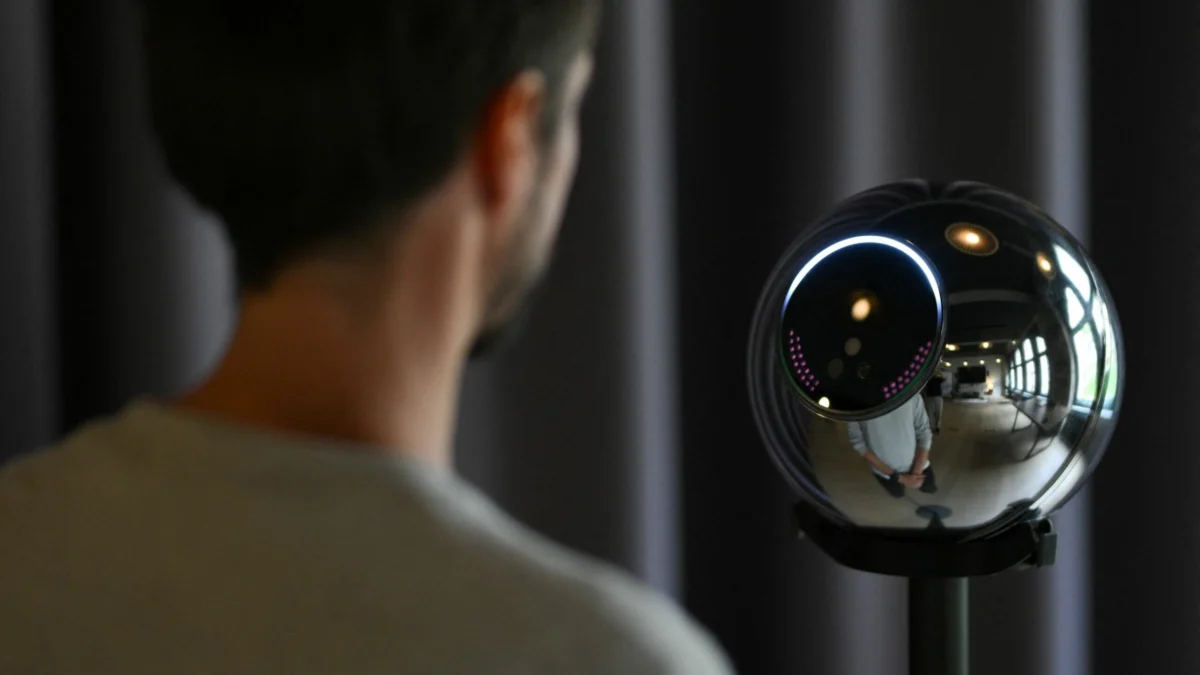
Worldcoin, co-founded by OpenAI CEO Sam Altman, has been at the forefront of developing decentralized identity solutions. Its flagship technology involves the "World ID," a global passport for humanity that aims to prove a person is unique and human without compromising their privacy. This is achieved through a process known as "Proof of Personhood," often involving biometric scanning (like iris scans) via specialized devices called "Orb"s. The data collected is then used to generate a verifiable digital identity, ensuring that each World ID corresponds to a single, real human being.
The rationale behind Tinder’s adoption of such technology is multifaceted. Firstly, it directly addresses the issue of fake profiles. By allowing users to optionally verify their identity through Worldcoin, Tinder can significantly reduce the prevalence of bot accounts and individuals operating under false pretenses. This not only enhances user safety by making it harder for scammers to operate but also improves the overall quality of interactions by connecting users with verified individuals.
Secondly, the partnership speaks to the growing demand for privacy-preserving technologies. While traditional identity verification often involves sharing sensitive personal documents, Worldcoin’s approach aims to minimize data exposure. The World ID is designed to be a credential that proves humanity without revealing unnecessary personal information. This aligns with the increasing awareness and concern among users regarding data privacy and how their information is handled by online platforms.
Thirdly, for Tinder, a platform that thrives on genuine connections, authenticity is paramount. The ability for users to signal that they have undergone a verification process can boost confidence and encourage more meaningful interactions. It provides an additional layer of assurance that the person they are chatting with or planning to meet is who they claim to be.
Timeline and Implementation Strategy
While specific details regarding the rollout timeline and the exact integration process are still emerging, the announcement suggests a phased approach. It is likely that Tinder will begin by offering the Worldcoin verification as an optional feature for its users. This approach allows users to opt-in to enhanced verification, providing a choice based on their comfort level and desire for additional security.
The initial phase of implementation might involve integrating Worldcoin’s SDK (Software Development Kit) into the Tinder application. This would enable users to initiate the verification process within the Tinder interface. The process would likely guide users through the steps required by Worldcoin, potentially including downloading the World App and completing the "Proof of Personhood" verification if they choose to do so.
Match Group’s stated goal is to provide a "powerful, privacy-preserving way" to verify users. This implies that the integration will be designed to be user-friendly and secure, respecting user privacy throughout the process. The success of this initiative will depend on several factors, including the accessibility of Worldcoin’s verification technology, the clarity of the opt-in process for Tinder users, and the overall perceived value of verified profiles within the dating community.
As of the announcement, it is unclear whether the verification will be a one-time process or require periodic re-verification. However, given the dynamic nature of online identities and the ongoing threat of sophisticated impersonation, periodic re-verification could be a crucial element for long-term effectiveness.
Supporting Data and Industry Trends
The dating app industry has seen substantial growth over the past decade, with millions of users worldwide relying on these platforms to find romantic partners, friendships, and casual connections. However, this growth has been accompanied by significant challenges related to safety and authenticity.
A 2023 report by the Federal Trade Commission (FTC) in the United States highlighted that romance scams, often originating on dating apps, were among the costliest fraud categories. Victims lost an estimated $1.3 billion to romance scams in 2022 alone, with individuals aged 18-29 reporting losses at a higher rate than any other age group. This data underscores the urgent need for more effective identity verification and safety measures on these platforms.
Furthermore, a survey conducted by a prominent cybersecurity firm in 2023 found that over 40% of online dating users had encountered fake profiles or bots. This widespread experience contributes to user fatigue and a general sense of distrust, which can negatively impact engagement and user retention.
The integration of blockchain-based identity solutions, like that offered by Worldcoin, represents a broader trend in the digital space. As concerns about data breaches and online impersonation grow, companies across various sectors are exploring decentralized and privacy-focused identity management systems. Worldcoin’s mission to create a global, privacy-preserving digital identity infrastructure positions it as a potential partner for platforms like Tinder seeking to enhance user trust.
Official Responses and Industry Reactions
The announcement from Tinder and Match Group has generated significant interest within the tech and dating industries. While specific detailed reactions from competitors are not yet widely public, the move is being closely watched as a potential benchmark for future safety initiatives in online dating.
Tinder’s Stance: As articulated by Yoel Roth, Tinder’s primary objective is to empower its users. The partnership is framed as a direct response to user feedback and an proactive measure to mitigate risks. The emphasis on "privacy-preserving" suggests that Tinder is cognizant of user concerns regarding data sharing and aims to implement the technology in a way that respects these sensitivities.
Worldcoin’s Perspective: For Worldcoin, this partnership represents a significant real-world application of its identity verification technology. It provides a large-scale platform to demonstrate the utility of World ID in a high-stakes environment like online dating, where trust and authenticity are critical. The success of this integration could pave the way for further adoption of World ID in other social and professional networking platforms.
Broader Industry Implications: Other dating platforms may feel compelled to explore similar partnerships or develop their own advanced verification methods to remain competitive and address user safety concerns. The effectiveness of Tinder’s implementation could set a precedent, pushing the industry towards more robust identity solutions.
However, it’s also important to acknowledge potential criticisms or challenges. Some users may be hesitant to undergo biometric verification due to privacy concerns or logistical hurdles. The global accessibility of Worldcoin’s Orb devices and the user-friendliness of the verification process will be crucial factors in its widespread adoption. Furthermore, the ethical implications of linking cryptocurrency projects with mainstream dating applications will likely be a subject of ongoing discussion.
Broader Impact and Implications
The integration of Worldcoin’s identity verification on Tinder has several far-reaching implications, extending beyond the immediate benefits for dating app users:
- Enhanced Online Trust: If successful, this partnership could significantly elevate the standard for trust and authenticity on online platforms. It suggests a future where users can have a higher degree of confidence in the identities of the people they interact with online, not just in dating but potentially in other social and professional contexts.
- Pioneering Decentralized Identity: This collaboration serves as a major real-world use case for decentralized identity solutions. It demonstrates that technologies designed to be privacy-preserving and user-controlled can be effectively implemented in mainstream applications, potentially accelerating the adoption of similar technologies across the internet.
- Addressing the "Bot Problem": The persistent issue of bots and fake accounts on social media and online services is a global challenge. By tackling this head-on, Tinder and Worldcoin are contributing to the broader effort of creating a more genuine and less manipulated online environment.
- User Empowerment and Choice: By making verification optional, Tinder is respecting user autonomy. This approach allows individuals to choose the level of privacy and security they are comfortable with, fostering a sense of empowerment rather than imposing strict requirements.
- Potential for New Monetization Models (Speculative but possible): While not explicitly stated, the successful implementation of verified profiles could potentially lead to new features or monetization strategies for dating platforms. For instance, verified profiles might receive higher visibility or access to exclusive features.
- Ethical and Privacy Debates: The use of biometric data, even in a privacy-preserving manner, will undoubtedly continue to fuel discussions around data privacy, surveillance, and the long-term implications of global digital identity systems. The decentralized nature of Worldcoin’s approach aims to mitigate some of these concerns, but public discourse on the topic is expected to remain robust.
In conclusion, Tinder’s partnership with Worldcoin marks a significant development in the ongoing effort to create safer and more authentic online dating experiences. By integrating innovative identity verification technology, Tinder aims to empower its users with greater confidence and security, addressing a critical pain point in the digital dating landscape. The success of this collaboration could have a ripple effect, influencing how other platforms approach user verification and paving the way for broader adoption of decentralized identity solutions in the digital age.
