

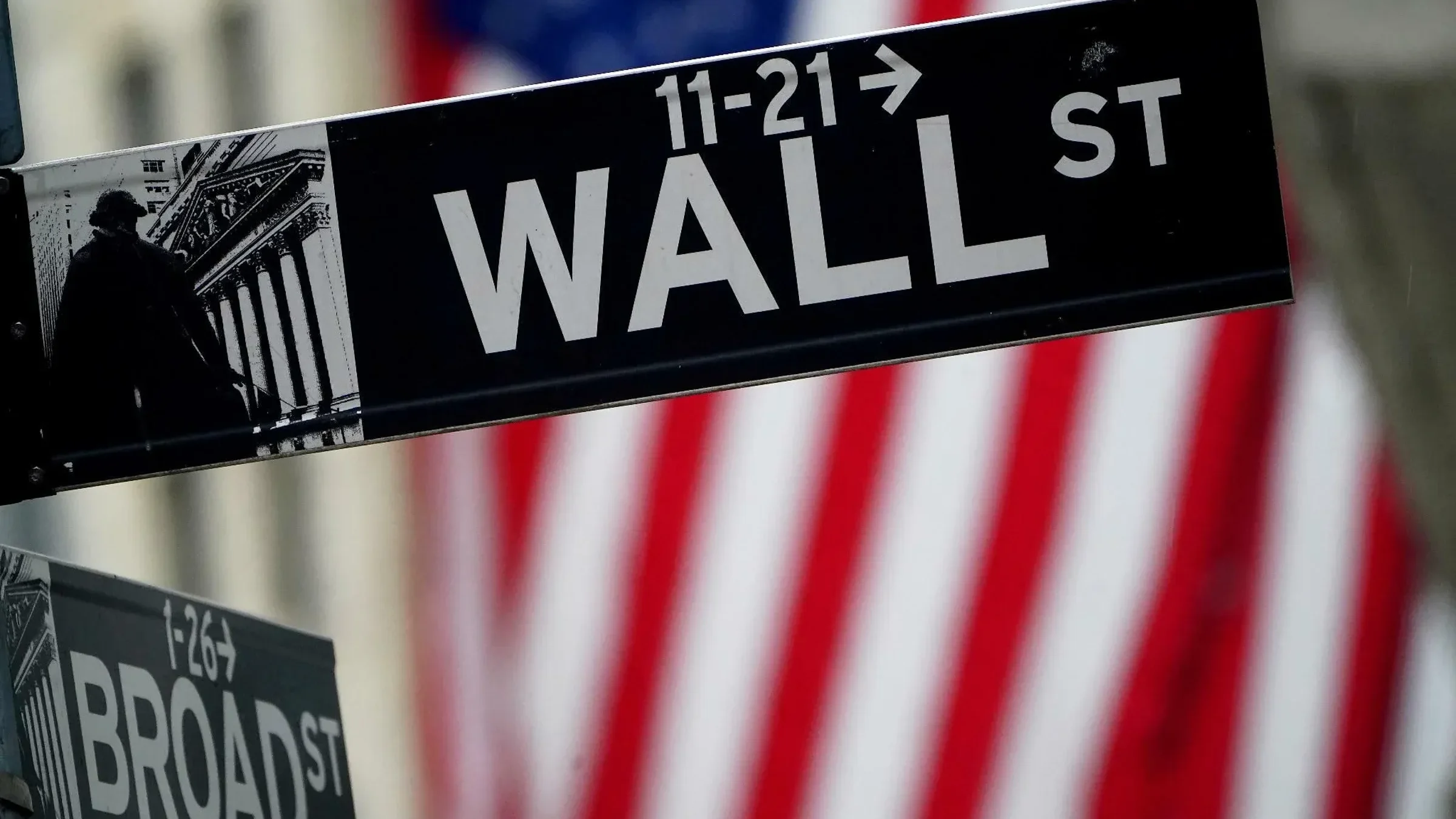
The much-anticipated opening of the Strait of Hormuz has sent significant ripples through global financial markets, most notably driving up stock prices on Wall Street. This development follows a period of heightened tension and uncertainty surrounding the critical waterway, which is a vital chokepoint for global oil transportation. The de-escalation, however, has not been without its own market reactions, with oil prices experiencing a sharp decline and precious metals seeing an uptick. Simultaneously, diplomatic efforts appear to be gaining momentum, with renewed hopes for a resolution to the ongoing conflict with Iran.
Oil Prices Plummet as Strait of Hormuz Reopens
The immediate aftermath of the announcement regarding the opening of the Strait of Hormuz saw a dramatic fall in oil prices. Brent crude, a benchmark for international oil prices, experienced a significant drop, falling by as much as 13.4 percent in intraday trading to approximately $86 per barrel. Similarly, U.S. West Texas Intermediate (WTI) crude oil prices sank to around $81 per barrel.
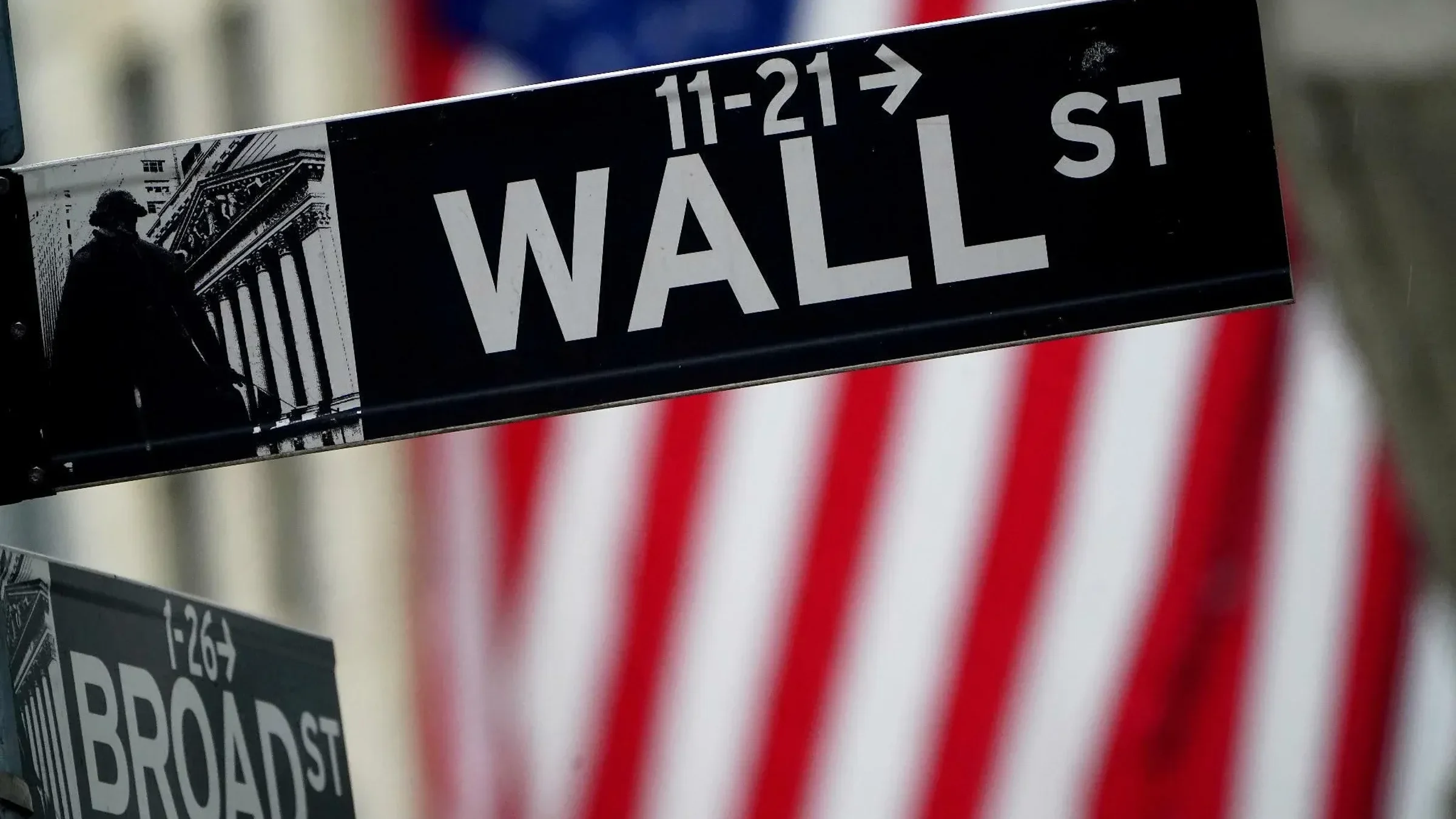
This sharp decline contrasts starkly with the price surge that occurred when Iran’s blockade of the Strait of Hormuz created significant supply concerns. Prior to this recent development, the Strait, through which an estimated one-fifth of the world’s oil exports flows, had been a focal point of geopolitical tension. The threat of disruption had previously caused oil prices to skyrocket by up to 40 percent, with prices momentarily approaching the $120 per barrel mark. This volatility underscored the market’s sensitivity to any perceived threat to the stability of oil supply routes.
Precious Metals React to Shifting Geopolitical Landscape
The market’s reaction was not limited to the energy sector. Precious metals also responded to the changing geopolitical climate. Following the news of the Strait of Hormuz’s opening, the price of gold saw a notable increase, climbing by up to 2.1 percent. This surge brought the price of gold to its highest level in nearly a month, indicating its role as a safe-haven asset during times of geopolitical uncertainty and shifting economic outlooks.
Silver prices also experienced a significant uplift, with an increase of more than five percent. This broader trend in precious metals suggests that investors were seeking to hedge against potential economic instability, even as immediate conflict-related fears subsided. The concurrent rise in gold and silver prices reflects a complex market sentiment, where the easing of one major geopolitical risk can simultaneously trigger other investment behaviors.

Diplomatic Overtures and Potential Peace Talks
Adding to the market’s evolving sentiment are indications of significant diplomatic progress. U.S. President Donald Trump has stated that while the Iranian blockade of the Strait of Hormuz has been lifted, Iranian ports would remain under U.S. military control until negotiations with Iran are "100 percent" concluded. Trump expressed optimism that the process would move swiftly, with many key issues already having been negotiated. He conveyed these sentiments on the social media platform Truth Social, signaling a direct communication channel with the public regarding the sensitive international relations.
The prospect of an end to the Iran conflict appears to be a significant driver of the current market optimism. President Trump has voiced confidence that a resolution could be imminent, potentially involving another meeting between the United States and Iran as early as the upcoming weekend. "We will see what happens. But I think we are very close to a deal with Iran," Trump remarked, highlighting the significant progress in the diplomatic arena.
Pakistan’s Role as a Mediator and Host
The potential for a peace agreement has brought Pakistan into focus as a key facilitator. The Pakistani capital, Islamabad, is being prepared as a potential venue for further negotiations between Iran and the United States. Preparations include the registration of media personnel and the deployment of additional security personnel, underscoring the seriousness with which these diplomatic overtures are being treated.

Sources within Pakistani mediation circles suggest that progress is being made in secret diplomacy. However, statements from Iranian circles indicate that certain outstanding issues still require resolution before a preliminary agreement can be reached. This nuanced situation suggests that while a breakthrough is on the horizon, the final stages of negotiation may still present challenges.
Background and Context: The Strait of Hormuz Crisis
The Strait of Hormuz, a narrow waterway connecting the Persian Gulf to the Gulf of Oman and the open sea, has long been a strategically vital chokepoint. Its geographical significance makes it indispensable for the transit of oil and gas from major producing nations in the Middle East, including Iran, Saudi Arabia, Iraq, the UAE, Kuwait, and Qatar.
In recent times, the Strait has become a flashpoint in the escalating tensions between the United States and Iran. Iran, facing international sanctions and under pressure from the U.S., had previously threatened to disrupt shipping traffic through the Strait as a retaliatory measure. These threats, coupled with specific incidents, such as the alleged attacks on oil tankers in the region, had led to a significant increase in naval presence and heightened military readiness by various international powers.

The potential for Iran to implement a blockade, even partially, carried immense economic implications. A sustained disruption would not only drastically increase global oil prices but could also trigger wider geopolitical instability in the already volatile Middle East region. The market’s reaction to the news of the Strait’s reopening reflects the immense relief felt by investors and consumers alike at the averted possibility of such a severe economic shock.
Market Analysis: Implications of the De-escalation
The opening of the Strait of Hormuz and the ensuing de-escalation of immediate tensions have several key implications for global markets:
- Reduced Inflationary Pressures: Lower oil prices directly translate to reduced transportation costs and potentially lower consumer prices for energy and goods. This can help to alleviate inflationary pressures that have been a concern for global economies.
- Boost to Consumer Spending: With lower energy costs, consumers are likely to have more disposable income, potentially leading to increased spending and supporting economic growth.
- Impact on Energy Sector Investments: While lower oil prices are beneficial for consumers and many industries, they can negatively impact the profitability of oil and gas companies. This could lead to shifts in investment strategies within the energy sector.
- Renewed Focus on Global Trade: The normalization of shipping routes through the Strait of Hormuz reinforces the importance of secure global trade pathways and can encourage investment in sectors reliant on international commerce.
- Geopolitical Risk Premium Reduction: The easing of immediate conflict risks in a critical region reduces the "geopolitical risk premium" that investors often factor into their valuations. This can lead to broader market stability and potentially attract capital back into riskier assets.
Individual Stock Performance and Sectoral Movements
The broader market movements are also reflected in the performance of individual stocks and specific sectors:

Technology Sector Concerns:
- Netflix: In stark contrast to the positive market sentiment driven by de-escalation, Netflix shares have experienced a significant downturn, losing over ten percent in U.S. trading. This decline is attributed to a combination of factors, including a disappointing financial outlook for the current quarter. The streaming giant projected an operating profit of 78 cents per share, falling short of analyst expectations of 84 cents. This miss was particularly notable following Netflix’s withdrawal from the bidding war for Warner Brothers. Furthermore, some investors were reportedly disappointed by the lack of anticipated share buybacks and a higher full-year margin target, as noted by Citigroup. The departure of co-founder and chairman Reed Hastings, who announced he would not seek re-election at the upcoming June shareholder meeting, also contributed to the negative sentiment. Kathleen Brooks, Research Director at XTB, described Hastings’ departure as "unexpected news," emphasizing his integral role in the company’s identity.
Industrial and Materials Sector:
- Alcoa: The aluminum giant Alcoa saw its stock price plummet by 7.1 percent. The company failed to meet quarterly expectations, particularly concerning its adjusted earnings before interest, taxes, depreciation, and amortization (EBITDA). Analysts at JPMorgan highlighted that Alcoa’s aluminum sales are being impacted not only by seasonality but also by the repercussions of the Iran conflict. This suggests a broader impact of geopolitical events on industrial supply chains and commodity markets.
Automotive Safety Sector:

- Autoliv: In a positive development, shares of Autoliv, the Swedish-American manufacturer of automotive safety systems, surged by 7.6 percent. The company surpassed market expectations in its first-quarter performance, indicating strong operational execution and market demand for its products.
Tourism and Travel Sector:
- Airlines and Cruise Lines: Investors showed renewed confidence in the tourism and travel sector, with stocks of airlines and cruise operators seeing significant gains. Delta Air Lines’ shares rose by nearly three percent, while Southwest Airlines gained 5.6 percent. Similarly, shares of Carnival, Norwegian Cruise Line, and Royal Caribbean Cruises each climbed by more than six percent. This surge reflects the market’s anticipation of increased travel and leisure activities as geopolitical tensions ease and economic conditions potentially improve.
Energy Sector Pullback:
- Chevron and ExxonMobil: Following the sharp decline in oil prices, shares of major U.S. energy companies experienced a pullback. Chevron’s stock fell by 2.4 percent, and ExxonMobil saw a decline of 3.7 percent. This movement is a direct consequence of the reduced oil prices, impacting the profitability and valuation of energy producers.
Looking Ahead: The Path to Lasting Peace and Stability
The opening of the Strait of Hormuz represents a significant step towards de-escalating a potentially catastrophic conflict. However, the underlying geopolitical complexities in the Middle East remain. The continued negotiations between the U.S. and Iran, with Pakistan playing a crucial mediating role, will be critical in determining the long-term stability of the region and its impact on global markets.

The market’s positive reaction to the news highlights the interconnectedness of geopolitical events and economic stability. While immediate fears of oil supply disruption have receded, the broader implications of a lasting peace agreement, if achieved, could foster a more stable global economic environment, encouraging investment and growth across various sectors. The coming weeks and months will be crucial in observing the progress of diplomatic efforts and their sustained impact on international relations and financial markets.
With material from agencies.
