

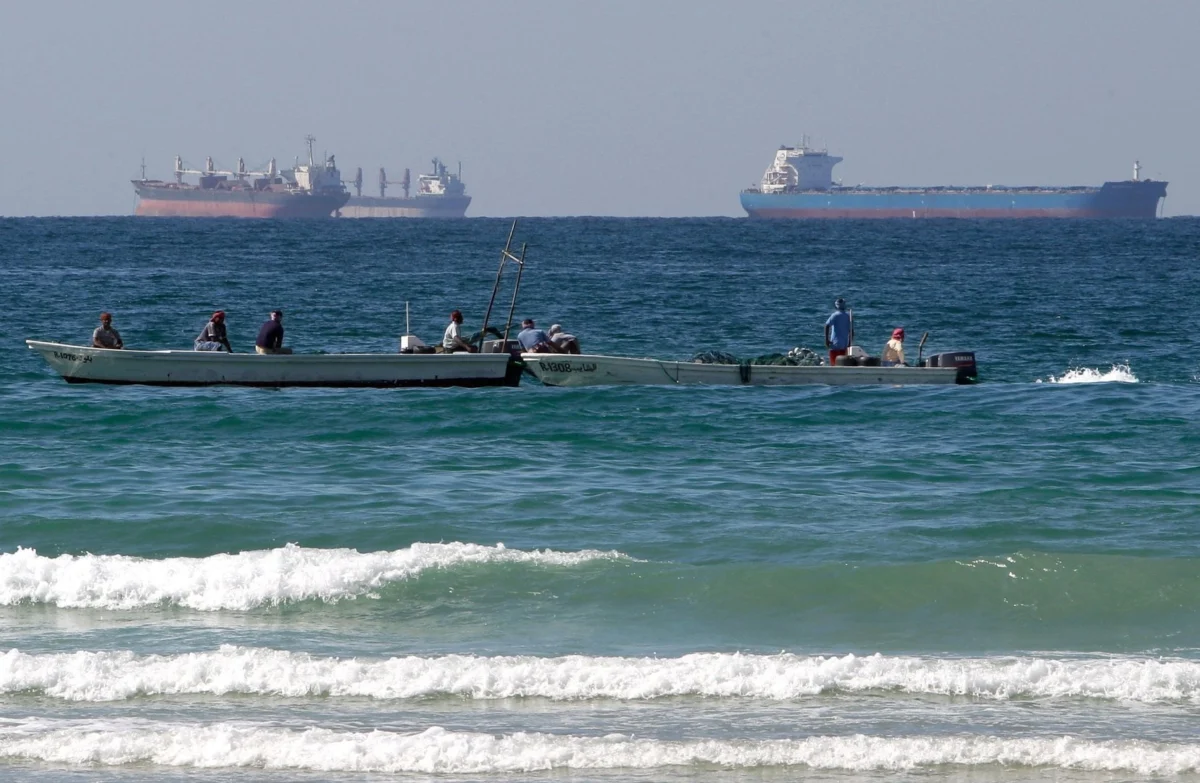
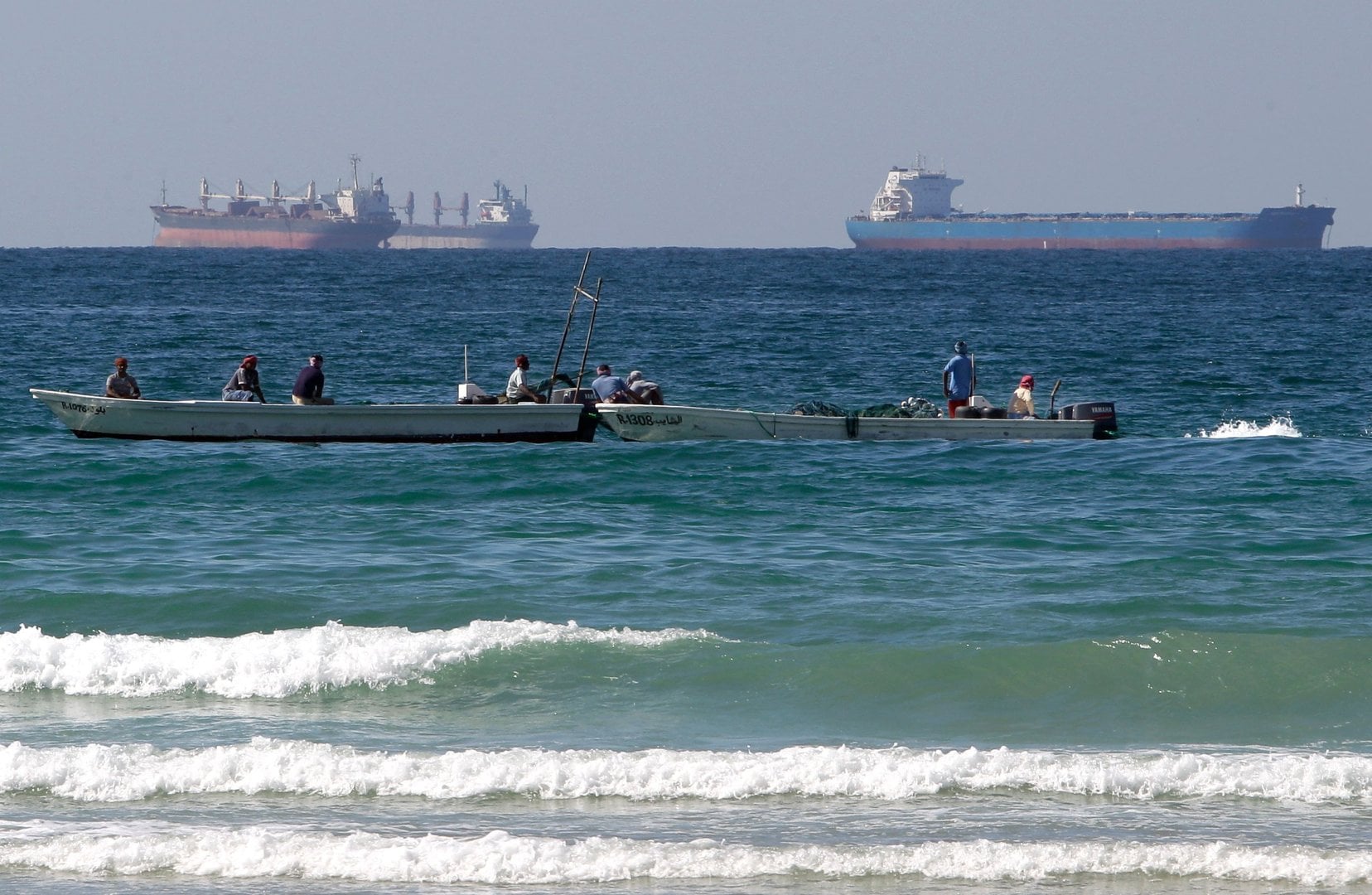
The Strait of Hormuz, a vital chokepoint for global oil trade, has once again become the focal point of international concern following reports of an Iranian attack on a tanker. The British military has confirmed an incident involving Iranian Revolutionary Guard Corps (IRGC) speedboats targeting a commercial vessel transiting the strategically crucial waterway. While initial reports indicate the tanker and its crew are safe, the event has ignited fresh anxieties about escalating tensions in the Persian Gulf and the broader implications for regional and global stability.
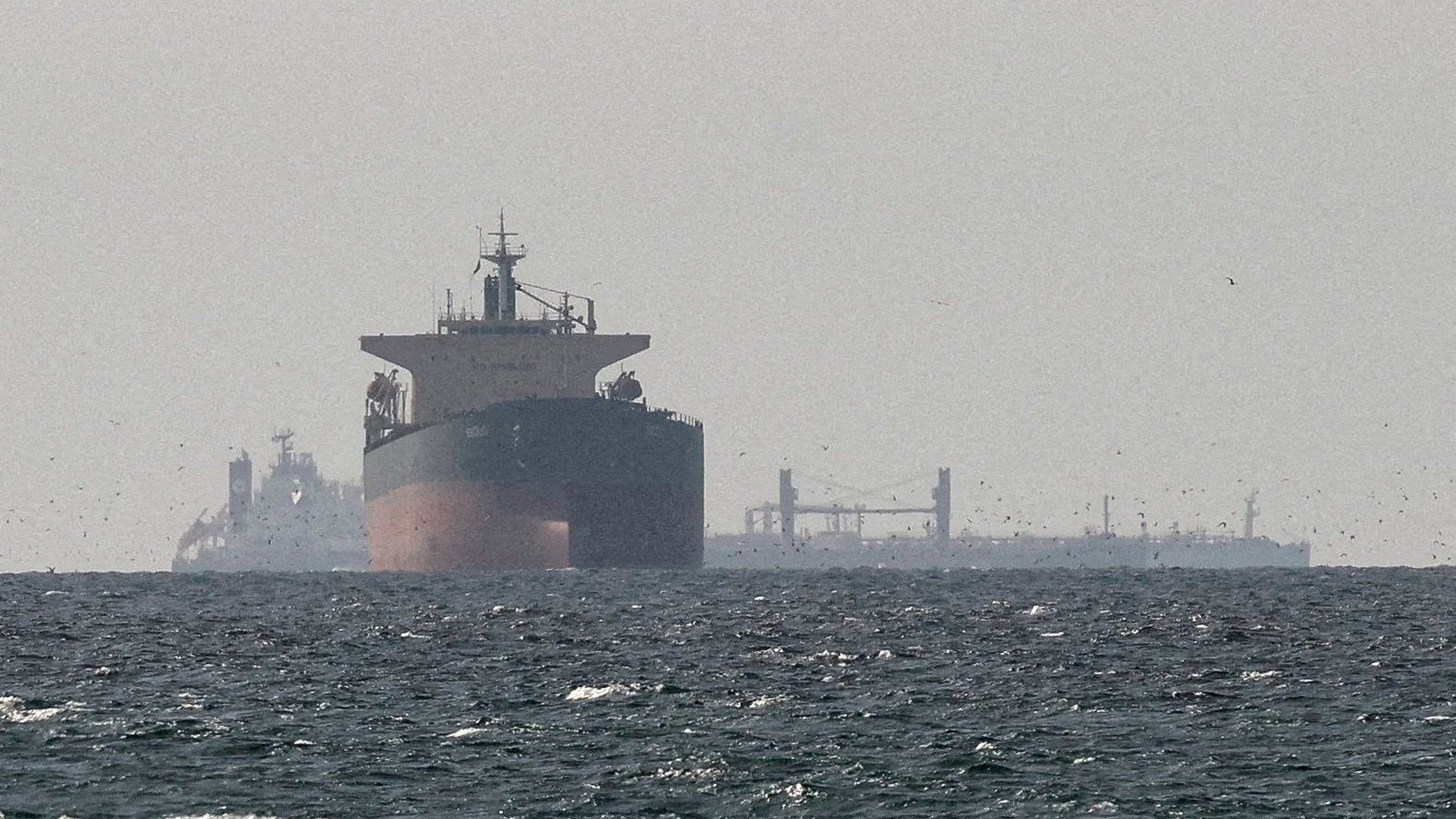
This incident, reported on April 18, 2026, comes at a time of heightened geopolitical sensitivity. The region has been a volatile theater of operations, with ongoing conflicts and diplomatic standoffs shaping the international agenda. The Strait of Hormuz, through which approximately 20% of global oil consumption passes, is particularly vulnerable to disruptions, and any aggressive actions there carry significant economic and political weight.
Chronology of Events and Initial Reports:
The first indications of the incident emerged through maritime security channels. The United Kingdom Maritime Trade Operations (UKMTO), a branch of the British Royal Navy, issued an alert stating that a tanker had been targeted by IRGC speedboats in the Strait of Hormuz. Early assessments suggested the vessel and its crew had sustained no immediate damage and were considered safe, a crucial piece of information in de-escalating potential panic.
Concurrently, the ship-tracking service TankerTrackers.com reported an exchange of fire between IRGC units and what they described as "Indian merchant vessels" in the Strait of Hormuz. Citing maritime distress call channels, the service indicated that Iranian units had forcibly pushed back two vessels. Among those reportedly affected was a Very Large Crude Carrier (VLCC) supertanker, believed to be transporting two million barrels of Iraqi crude oil. The specific nature of the "push back" and the potential for coercive tactics remain subjects of ongoing investigation.

Escalating Regional Dynamics:
The Strait of Hormuz incident is not an isolated event but rather a manifestation of a complex web of regional rivalries and broader geopolitical maneuvers. Several other significant developments have been reported concurrently, painting a picture of a highly charged environment:
-
Israeli Military Activity in Lebanon: In a concerning development that underscores the fragile ceasefire, the Israeli military reported multiple engagements with alleged Hezbollah operatives in southern Lebanon. The army stated that these individuals had approached Israeli soldiers, violating the terms of a recently established truce and posing an immediate threat. The Israeli Air Force, in coordination with ground forces, reportedly conducted precise strikes against these operatives, employing artillery fire as well. Hezbollah-affiliated media outlets, such as Al-Manar, and the Arab broadcaster Al Jazeera, reported Israeli artillery shelling in several southern Lebanese locations. The claims remain difficult to independently verify, adding another layer of uncertainty to the situation.
-
U.S. Naval Blockade Against Iran: The United States military has reportedly intensified its enforcement of a maritime blockade against vessels attempting to dock at or depart from Iranian ports and coastal areas. According to the U.S. Central Command (CENTCOM), 23 vessels have complied with U.S. military directives and have turned back towards Iran since the measure’s inception. This action signifies a hardening of the U.S. stance, likely aimed at further pressuring the Iranian economy and influencing its regional policies.
-
Iran’s Warnings to the U.S. Over Hormuz: In response to the U.S. blockade and its broader implications for maritime traffic, Iran has issued stern warnings to the United States. Iranian Deputy Foreign Minister, Said Khatibzadeh, emphasized that Iran would permit the safe passage of merchant vessels in line with the recent ceasefire between Israel and Lebanon. However, he cautioned that any attempts by the U.S. to undermine these arrangements would have consequences. Khatibzadeh stated, "The other side, the American side, has tried to sabotage this by declaring that the Strait is open, except for Iranians. That was the reason why we said, ‘If you violate the conditions of the ceasefire, if the Americans do not keep their word, it will have consequences for them.’" This statement highlights the intricate diplomatic dance and the potential for miscalculation in the region.
-
Iran’s Stance on Negotiations: Adding to the diplomatic complexities, Iran has indicated no readiness for new negotiations with the United States. Deputy Foreign Minister Said Khatibzadeh, speaking on the sidelines of a diplomatic meeting in Antalya, Turkey, stated that no date had been set for the next round of talks. Iran expressed concerns about engaging in talks that might be doomed to failure or used as a pretext for further escalation. The highest-level U.S.-Iran talks since the 1979 Islamic Revolution concluded in Islamabad without an agreement. Khatibzadeh elaborated, "We are now focusing on finalizing the framework for an understanding between both sides. Until we have agreed on the framework, we cannot set a date."
-
Iran’s Reversal on Strait of Hormuz Opening: In a significant development that underscores the fluctuating nature of regional dynamics, Iran has reportedly reversed its earlier announcement to fully reopen the Strait of Hormuz for commercial shipping. The headquarters of the Iranian armed forces cited the continued U.S. blockade of Iranian ports as the reason for this reversal. This move signifies Iran’s intent to use control over the vital waterway as leverage in its ongoing disputes with the United States.
-
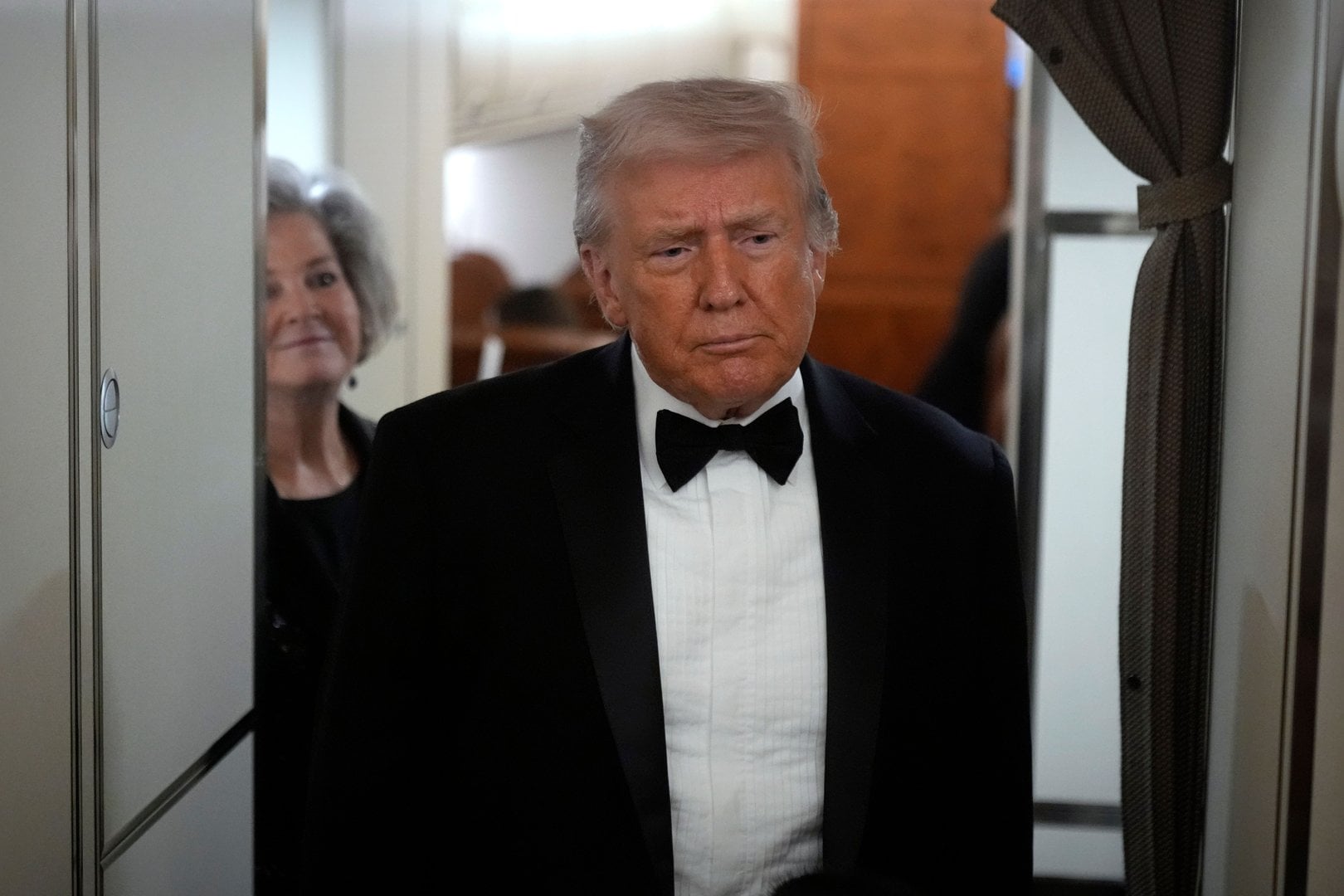
Trump’s Threats Regarding the Iran Ceasefire: U.S. President Donald Trump has issued a stark warning, threatening to end the ceasefire with Iran if a long-term agreement to end the conflict is not reached by Wednesday. "Maybe I won’t extend it, but the blockade of Iranian ports will remain," Trump stated to reporters aboard Air Force One. "The blockade remains, and unfortunately, we will have to start dropping bombs again." This statement reflects a hardline approach and the potential for renewed military action should diplomatic efforts falter.
-
U.S. Extension of Sanctions Waivers for Russian Oil: In a move that has raised eyebrows amidst global energy market volatility, the United States has extended its waivers for sanctions on Russian oil for another month. This exception permits the purchase of oil products from Russia that were loaded onto ships prior to Friday. The measure, valid until May 16, follows a previous 30-day exemption that expired on April 11. The U.S. administration cited its efforts to stabilize global energy prices, which have surged due to the conflict initiated by the U.S. and Israel against Iran. However, this decision has drawn criticism, particularly in Europe, as it could potentially hinder efforts to cut off funding for Russia’s ongoing military operations. A spokesperson for the U.S. Treasury Department stated the aim was to "ensure that oil is available to those who need it." This policy shift appears to be a pragmatic response to domestic economic pressures, particularly regarding rising fuel costs, a sensitive issue for the Trump administration and its Republican base.
-
Lebanon’s Diplomatic Engagements: Amidst the broader regional instability, Lebanese leadership has been actively engaged in diplomatic discussions. Lebanon’s Prime Minister, Nawaf Salam, reported an attack on UN peacekeepers, specifically members of the French contingent of UNIFIL. Salam condemned the attack on the social media platform X and ordered an investigation. Separately, Lebanese President Joseph Aoun has been in discussions regarding potential negotiations with Israel. A statement from Aoun’s office indicated discussions about the "readiness for negotiations" with Israel, a country with which Lebanon has been in a formal state of war since 1948. U.S. President Donald Trump has reportedly extended invitations to both Aoun and Israeli Prime Minister Benjamin Netanyahu for a meeting at the White House, though a date has not yet been set.

Background and Context:
The current tensions are rooted in a long-standing geopolitical struggle for influence in the Middle East, involving Iran, the United States, and its regional allies, including Israel. Iran’s nuclear program has been a persistent source of international concern, with allegations of its pursuit of nuclear weapons capabilities. The U.S. has consistently maintained a policy of pressure, including sanctions, to curb Iran’s nuclear ambitions and its alleged support for proxy groups in the region.

The Strait of Hormuz, a narrow waterway connecting the Persian Gulf to the Gulf of Oman, is a critical artery for global energy supplies. Iran has, in the past, threatened to disrupt shipping through the strait in response to external pressures. This makes any aggressive actions in this area particularly significant, with the potential to trigger sharp increases in global oil prices and disrupt supply chains worldwide.
Economic Implications:

The potential for disruptions in the Strait of Hormuz has immediate and far-reaching economic consequences. A significant escalation of conflict in the region could lead to:
- Surge in Oil Prices: The most direct impact would be a sharp rise in global oil prices, as supply fears would dominate the market. This would translate into higher fuel costs for consumers and businesses worldwide, potentially exacerbating inflation and slowing economic growth.
- Disruption of Global Trade: Beyond oil, the Strait of Hormuz is used by a vast array of commercial vessels. Any sustained blockade or conflict would severely hamper global trade routes, impacting the movement of goods and increasing shipping costs.
- Impact on Regional Economies: Countries in the Gulf region, heavily reliant on oil exports and transit trade, would face significant economic repercussions. This could include reduced export revenues, increased insurance costs for shipping, and potential damage to critical infrastructure.
- Financial Market Volatility: Geopolitical instability in such a critical region invariably leads to increased volatility in financial markets, impacting stock prices, currency exchange rates, and investment flows.
Official Responses and Statements:

The statements from various officials underscore the delicate diplomatic balance and the high stakes involved:
- Iranian Officials: The Iranian government has consistently maintained that its nuclear program is for peaceful purposes. However, they have also asserted their right to self-defense and have not shied away from threatening responses to perceived aggression. The statements regarding the Strait of Hormuz and the U.S. blockade reflect a willingness to use maritime control as a deterrent and a bargaining chip.
- U.S. Administration: The U.S. has maintained a firm stance against Iran, employing economic sanctions and a naval presence to deter Iranian aggression and influence its regional behavior. President Trump’s rhetoric suggests a preference for a decisive resolution, with a willingness to escalate if diplomatic avenues are perceived as failing.
- British Military: The UK’s confirmation of the incident serves to highlight the international dimension of maritime security in the region. Britain, as a major global trading nation, has a vested interest in the free flow of commerce through international waterways.
- UN and International Bodies: The United Nations, through its Secretary-General Antonio Guterres, has expressed concern and called for de-escalation. Guterres’s acknowledgment of the Strait of Hormuz opening as a "step in the right direction" indicates a desire for diplomatic solutions. However, the effectiveness of international bodies in resolving such complex geopolitical disputes remains a perennial challenge.
Broader Impact and Implications:

The incident in the Strait of Hormuz, coupled with the ongoing regional tensions, has profound implications:
- Risk of Wider Conflict: The most significant concern is the potential for a localized incident to escalate into a broader regional conflict. Miscalculations or deliberate provocations could quickly draw in multiple regional and international actors, leading to devastating consequences.
- Impact on Global Energy Security: The vulnerability of the Strait of Hormuz makes it a critical node in global energy security. Any disruption here has immediate global ramifications, impacting economies and livelihoods worldwide.
- Diplomatic Challenges: The complex interplay of regional rivalries, nuclear proliferation concerns, and proxy conflicts presents immense challenges for diplomatic resolution. The current situation highlights the difficulty in achieving lasting peace and stability in the Middle East.
- Humanitarian Concerns: Beyond the economic and political ramifications, any escalation of conflict in the region would inevitably lead to humanitarian crises, with potential displacement of populations and loss of life.
The situation in and around the Strait of Hormuz remains highly fluid. The coming days will be critical in determining whether diplomatic efforts can prevail over escalating tensions and prevent a dangerous spiral of conflict. The international community will be closely monitoring developments, with a keen eye on the actions and reactions of all parties involved. The safety of commercial shipping and the stability of global energy markets hang precariously in the balance.
