

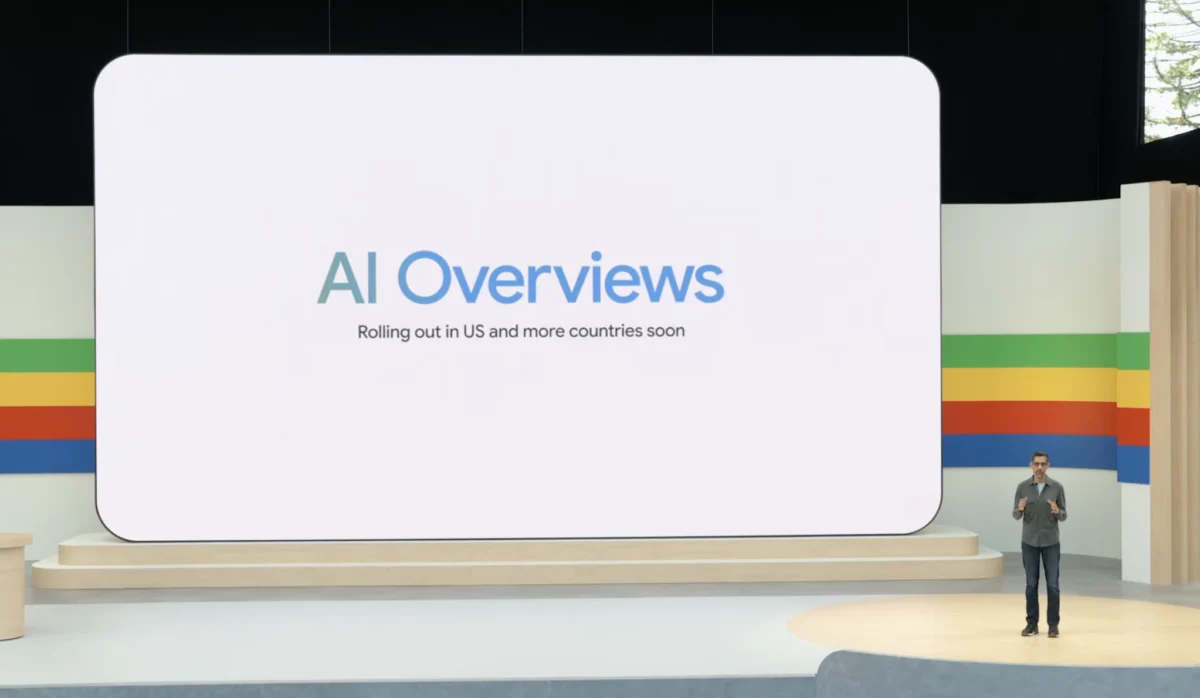
The digital realm is witnessing a profound transformation in how information is accessed, as artificial intelligence rapidly entrenches itself as the default search mechanism, fundamentally altering user behavior and challenging established web economics. A recent comprehensive analysis by market intelligence firm Similarweb, detailed in its "The 2026 Generative AI Landscape" report, reveals a staggering acceleration in the adoption of AI-powered search features. In a mere year, Google’s AI-generated answers, known as AI Overviews, have surged from appearing in just 15% of search queries to a dominant 43%. This meteoric rise signifies not just an incremental improvement but a wholesale re-architecture of the search experience, positioning Google itself as the primary destination for answers rather than merely a gateway to external websites.
The Rapid Ascent of AI Overviews and AI Mode
The data from Similarweb paints a clear picture of this seismic shift. What began as an experimental "AI layer" atop traditional search results has quickly evolved into an indispensable component of the user’s information-seeking journey. Google’s strategy involves funneling users directly into these AI Overviews, from which they can seamlessly transition into a more dynamic and conversational interaction through Google’s AI Mode. This integrated approach ensures a continuous, AI-centric user experience within the Google ecosystem.
The growth figures for AI Mode underscore its increasing utility and popularity. Visits to AI Mode nearly doubled in less than a year, escalating from 126 million in June 2025 to a remarkable 279 million by May 2026. This exponential adoption rate signals a strong user embrace of conversational AI for deeper research and complex queries, contrasting sharply with the traditional keyword-based search paradigm that defined the internet for decades. The trend is particularly evident in the increasing average length of Google searches, suggesting that users are actively replacing terse, keyword-driven queries with more natural, verbose, and conversational prompts designed to elicit comprehensive AI-generated responses. This shift is not merely cosmetic; it represents a fundamental change in cognitive interaction with search engines, moving from an active "seeking" of links to a passive "receiving" of synthesized information.

A Paradigm Shift in Information Consumption
For decades, Google Search served as the internet’s librarian, meticulously cataloging vast swathes of web pages and presenting them as a list of "blue links." Users would click these links, navigating away from Google to explore external websites for their desired information. This model fostered an ecosystem where publishers thrived on referral traffic, and content creators invested heavily in Search Engine Optimization (SEO) to rank prominently. The advent of AI Overviews, however, heralds the end of this era.
The core of this paradigm shift is Google’s transformation from a mere directory into a comprehensive information source in its own right. By sourcing, synthesizing, and presenting answers directly within the search interface, Google aims to minimize the need for users to click away. This strategy, while enhancing user convenience by delivering instant gratification, fundamentally alters the relationship between the search engine, content creators, and the end-user. Users now find themselves spending more time within Google’s platform, engaging with AI-curated content, effectively turning Google into the ultimate information destination. This strategic pivot reflects a broader industry trend towards "answer engines" rather than just "search engines," driven by the capabilities of advanced large language models.
Background: The Genesis of AI in Search
The integration of generative AI into search engines did not happen overnight. Its roots can be traced to the rapid advancements in large language models (LLMs) and transformer architectures that gained mainstream prominence in the early 2020s with the rise of models like OpenAI’s ChatGPT. Recognizing the immense potential of these technologies, major tech players, including Google and Microsoft, embarked on an aggressive journey to integrate AI directly into their core search products.
Microsoft, through its partnership with OpenAI, was an early mover, integrating its Copilot AI into Bing Search, offering conversational answers and content generation capabilities. This move served as a significant competitive catalyst, pushing Google to accelerate its own AI-first initiatives. Google, with its deep expertise in AI research (having developed the transformer architecture itself), responded with its Bard (now Gemini) AI and the rollout of AI Overviews. The strategic imperative for Google was clear: evolve or risk ceding market share in the rapidly changing search landscape. The timeline of these developments saw a flurry of product announcements and integrations, culminating in the widespread deployment of AI Overviews across Google Search, as evidenced by Similarweb’s data for 2025-2026.

The Publisher’s Dilemma: Traffic Loss and the Fight for Value
While users may appreciate the speed and convenience of AI-generated answers, this new paradigm presents significant challenges for web publishers and content creators. The traditional model of generating revenue through advertising or subscriptions, heavily reliant on referral traffic from search engines, is now under severe threat. If users find their answers directly on Google, the incentive to click through to original source websites diminishes considerably.
Similarweb’s previous reports have already highlighted the devastating impact of AI Overviews on referral traffic, particularly for news publishers. These organizations invest substantial resources in reporting, research, and content creation, only to find their efforts summarized and presented by an AI, often without commensurate traffic or compensation. This has ignited a fierce debate about fair use, intellectual property, and the equitable distribution of value in the AI-driven information ecosystem.
In response to this growing concern, tech infrastructure company Cloudflare introduced proactive measures in July 2026, empowering publishers to "fight back." Cloudflare’s new tools allow website owners to identify and block AI crawlers from accessing their content unless those AI companies agree to pay for access through Cloudflare’s newly launched marketplace. This initiative represents a significant attempt by content creators to reclaim control over their intellectual property and monetize the data that fuels generative AI models. Publishers are, in essence, demanding a seat at the table, arguing that their content is the bedrock upon which these powerful AI systems are built, and therefore, they deserve fair compensation. This move could potentially reshape the economic models of the internet, forcing AI developers to acknowledge and pay for the vast datasets they scrape.
The Nuance of Citations: A Glimmer of Hope?
Despite the overall trend of reduced outbound clicks, the role of citations within AI-generated responses offers a complex picture. Similarweb’s latest report notes a more than fivefold increase in the number of AI responses that include citations over the past year. This suggests that AI developers are becoming more diligent in acknowledging their sources, potentially in response to ethical concerns and regulatory pressures regarding attribution.

However, the sheer volume of citations does not automatically translate to equivalent referral traffic. As of May 2026, only 6.8% of U.S. ChatGPT desktop queries included citations, indicating that while attribution is improving, direct click-throughs remain relatively low for many queries. Certain industries, such as travel, retail, and sports, appear to fare better, generating cited responses more frequently. This could be due to the nature of queries in these sectors, which often require specific product information, booking details, or real-time scores that benefit from direct links.
Intriguingly, there has been a noticeable improvement in U.S. desktop referrals from ChatGPT following a significant search update on May 7, 2026. The proportion of visits landing on webpages more than doubled, soaring from 25% in March 2026 to nearly 60% by May 30, 2026. This surge suggests that when prominent and relevant "blue links" are integrated effectively within AI-driven search results, users are indeed willing to click through. This data point offers a potential lifeline for publishers, indicating that a thoughtful integration of AI summaries with clear, accessible links to original sources could strike a balance between user convenience and content creator compensation. It implies that users, while appreciating synthesized answers, still value the depth, authority, and comprehensive context often found on original webpages.
Google’s Strategic Vision and Broader Implications
Google’s aggressive push into AI search is not merely a reaction to competitive pressure; it is a fundamental reorientation of its core business strategy. The company envisions an "AI-first" future where every product and service is infused with intelligent capabilities. By making search itself an AI-driven conversation, Google aims to solidify its dominance, offering a more intuitive and powerful way for users to interact with information. This strategy also has significant implications for advertising, Google’s primary revenue stream. As users spend more time within Google’s AI interface, new opportunities for AI-powered advertisements and personalized recommendations could emerge, further integrating commerce and information discovery.
The broader implications for the digital ecosystem are manifold. For users, the promise is instant, highly relevant answers, freeing them from the labor of sifting through multiple websites. However, there are also concerns about information bubbles, the potential for AI "hallucinations" or biases, and a possible reduction in exposure to diverse perspectives if reliance on AI summaries becomes absolute. For content creators, the challenge is to adapt to a world where direct traffic from search engines may no longer be the primary driver of engagement. This could necessitate a greater focus on direct audience building, subscription models, unique niche content, or even developing new forms of content specifically designed for AI consumption and interaction.

The evolution of search also raises profound questions about the future of web discovery and the open internet. If Google becomes the ultimate destination, what happens to the vast network of independent websites that form the fabric of the web? The struggle between AI aggregators and content originators is likely to intensify, shaping policies around data scraping, copyright, and digital compensation.
Looking Ahead: The Evolving Landscape of Search
Even with the recent improvements in citation click-throughs from platforms like ChatGPT, the overarching trend remains clear and unyielding: AI search is here to stay, and its influence is expanding rapidly. Google’s transformation from a mere gateway to the wider web into a comprehensive, AI-powered destination is a defining moment in the history of the internet. This shift demands continuous adaptation from all stakeholders – users, publishers, and technology companies alike.
The future of search will likely be characterized by an ongoing negotiation between convenience and depth, aggregation and attribution, and the centralized power of AI platforms versus the distributed creativity of the open web. Publishers will need to innovate their monetization strategies and content distribution models, perhaps embracing direct relationships with their audiences or exploring new partnerships with AI developers. Users will need to cultivate a discerning eye, understanding when to rely on AI summaries and when to delve deeper into original sources for comprehensive understanding. Meanwhile, AI companies will face increasing scrutiny regarding transparency, fairness, and their responsibility to the content ecosystem that fuels their intelligence. The journey of AI in search is far from over; it is merely entering a new, more complex, and transformative phase.
