

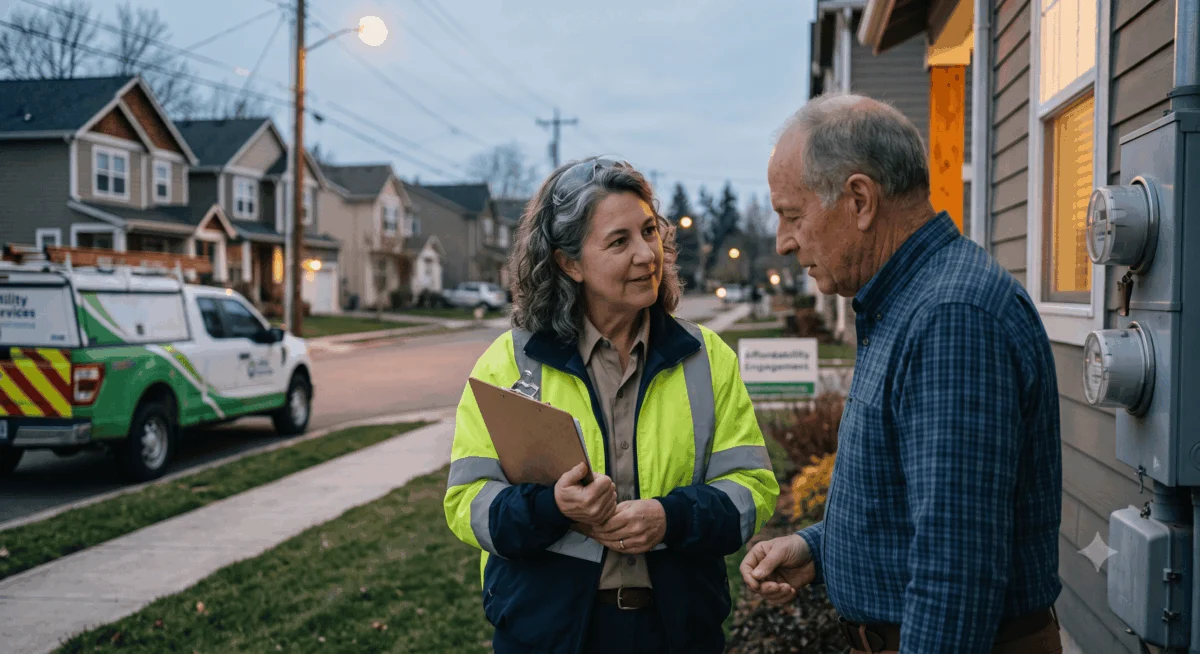
The American utility sector is currently navigating a complex dual challenge: the mitigation of rapidly escalating energy costs for consumers and the simultaneous maintenance of a power grid under unprecedented stress. While affordability and reliability have historically been viewed as separate operational pillars, industry leaders are increasingly recognizing that they are inextricably linked. As the cost of living continues to dominate national headlines, the ability of utilities to keep bills manageable is no longer just a matter of rate design; it has become a fundamental component of grid stability. The framework for delivering power is evolving from a centralized, supply-side model to one that is increasingly dependent on the active participation of the customer side of the meter.
This shifting dynamic will be a primary focus of the upcoming DTECH Reliability & Resiliency conference, scheduled to take place from August 25–27 in Chicago. The event serves as a critical junction for industry stakeholders to address how customer engagement, technological innovation, and economic pressures are reshaping the relationship between utilities and the public. Central to these discussions is the work of the Smart Energy Consumer Collaborative (SECC), an organization dedicated to bridging the gap between utility operations and consumer expectations.
The New Utility Mandate: Affordability as a Reliability Tool
For decades, the social contract between utilities and consumers was straightforward: the utility provided reliable power, and the consumer paid a regulated rate. However, this model is being disrupted by a "perfect storm" of economic and technical factors. According to the U.S. Bureau of Labor Statistics, the Consumer Price Index for electricity has seen significant volatility in recent years, often outpacing general inflation. This has placed utility affordability at the forefront of the industry’s 2025 priorities.
Nathan Shannon, President & CEO of the SECC, has observed that customer satisfaction and engagement have transitioned from peripheral metrics to essential tools for maintaining grid integrity. In an era of increasing load growth—driven by the electrification of transportation, the proliferation of artificial intelligence data centers, and the domestic manufacturing boom—the grid can no longer rely solely on traditional power plants. Instead, it must leverage "load flexibility," where consumers adjust their energy usage in response to grid needs.
"Load growth has created an environment where load flexibility and management, including residential virtual power plants (VPPs), are significantly more important—essential even—for utilities," Shannon stated. This perspective highlights a fundamental shift: a consumer who cannot afford their bill or does not understand their rate structure is less likely to participate in the very programs—such as demand response or VPPs—that help prevent blackouts during peak demand.
Analyzing the Data: Consumer Perceptions and Economic Barriers
At the heart of the SECC’s contribution to the DTECH Reliability & Resiliency event is a nationwide survey of 4,000 Americans. This research examines whether consumers recognize bill increases, understand the drivers behind those increases, and feel equipped to manage their energy consumption. The findings are revealing, particularly regarding the disconnect between utility investments and consumer understanding.
While utilities invest billions in grid modernization to improve reliability, many consumers perceive only the resulting rate hikes. The SECC research indicates that without clear communication and tangible benefits, consumers may view reliability initiatives as a financial burden rather than a service improvement. This is particularly true for low-income and moderate-income households, who spend a disproportionate share of their earnings on energy.
Data from the U.S. Energy Information Administration (EIA) suggests that residential electricity prices are projected to remain high due to increased capital expenditures for transmission and distribution. To counter this, Shannon’s session at DTECH, titled "Exploring Energy Affordability: Barriers and Opportunities," will highlight which programs consumers are actually willing to join. The goal is to move beyond "awareness" and toward "actionable participation."
A Chronology of the Grid-Customer Evolution
The transition to a customer-centric grid has been decades in the making, marked by several key technological and regulatory milestones:
- The Smart Meter Rollout (2010–2015): The initial deployment of Advanced Metering Infrastructure (AMI) provided the data foundation for modern energy management, though early consumer benefits were often limited.
- The Rise of Distributed Energy Resources (2015–2020): The falling cost of rooftop solar and home battery storage began to turn consumers into "prosumers," individuals who both consume and produce energy.
- The Reliability Shocks (2020–2023): Extreme weather events, such as Winter Storm Uri and record-breaking heatwaves in the West, exposed the vulnerabilities of the aging grid and underscored the need for demand-side management.
- The VPP and Load Growth Era (2024–Present): Utilities are now integrating Virtual Power Plants—clusters of distributed energy resources like EVs and smart thermostats—into their core reliability strategies to handle the surge in demand from new industrial and digital loads.
The Role of Virtual Power Plants and Load Flexibility
A significant portion of the industry’s focus is now on Virtual Power Plants (VPPs). A VPP is a cloud-based distributed power plant that aggregates the capacities of heterogeneous Distributed Energy Resources (DER) for the purposes of enhancing power generation, as well as trading or selling electricity on the open market. By utilizing residential batteries, smart water heaters, and electric vehicle chargers, utilities can create a "buffer" that can be tapped during periods of high demand.
The U.S. Department of Energy (DOE) recently released a report suggesting that VPPs could provide between 80 and 160 gigawatts of peak capacity by 2030. However, the success of these programs hinges entirely on consumer trust and affordability. Shannon notes that for programs like Time-of-Use (TOU) rates to be effective, consumers need more than just a notification; they need a guarantee of value.
"Consumers need to not just be aware of these offerings, but also know how participation will directly impact them," Shannon explained. "With energy bills being such a concern for consumers, they need assurance that a time-of-use rate, for example, will actually save them money."
Official Responses and Industry Sentiment
The shift toward integrating affordability with reliability is gaining traction among regulators and utility executives alike. State Public Utility Commissions (PUCs) are increasingly requiring utilities to demonstrate how their long-term resource plans incorporate equity and affordability.
Inferred reactions from industry stakeholders suggest a growing consensus: the "utility of the future" must act as a platform for consumer participation rather than a simple commodity provider. This requires a sophisticated approach to marketing and education. The SECC’s role is vital here, as they survey between 10,000 and 15,000 utility customers annually across the U.S. and Canada to provide the data-driven insights necessary for this transition.
The "Flexible Energy Forum," a longstanding partner event of DTECH, emphasizes this by elevating consumer voices. By aligning the utility’s operational needs with the consumer’s financial reality, the industry can clear up misconceptions that have historically hindered the adoption of smart energy technologies.
Broader Impact and Long-term Implications
The implications of this evolution extend far beyond the utility bill. As the United States strives toward decarbonization goals, the ability to manage demand is critical for integrating intermittent renewable energy sources like wind and solar. If the grid cannot remain reliable and affordable during this transition, public support for the energy transition may wane.
Furthermore, the focus on affordability addresses a critical social equity issue. Energy poverty—defined as a lack of access to affordable energy services—affects millions of Americans. By designing reliability programs that offer financial incentives for participation, utilities can provide a pathway for low-income households to reduce their energy burden while contributing to a more resilient grid.
Attendees at the DTECH Reliability & Resiliency conference in Chicago will leave with actionable strategies to translate these high-level consumer insights into real-world grid support. The sessions will provide a roadmap for how utilities can navigate the "affordability landscape," ensuring that the lights stay on without breaking the bank for the average American family.
Conclusion: The Path Forward in Chicago
As Nathan Shannon prepares to present the SECC’s latest findings, the message is clear: the path to a reliable grid runs directly through the consumer’s living room. The "Exploring Energy Affordability: Barriers and Opportunities" session will provide a data-backed look at the current state of the American consumer, offering a rare glimpse into the psychological and economic factors that drive energy usage.
The convergence of rising costs, technological innovation, and massive load growth has created a new playing field for the utility industry. By prioritizing customer engagement and affordability, utilities are not just providing a service—they are building a partnership that will define the resilience of the American power grid for decades to come. The upcoming discussions in Chicago will likely serve as a blueprint for this new era of utility management, where the consumer is no longer just a ratepayer, but a vital asset in the pursuit of energy security.
