

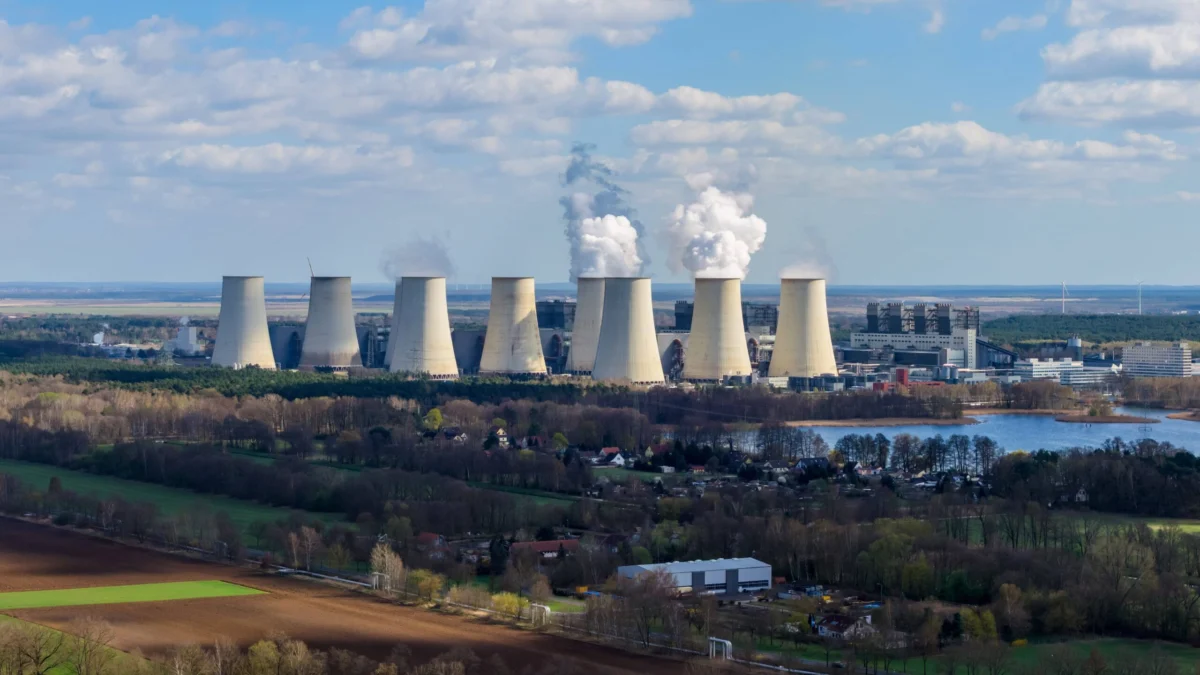
BERLIN – Authorities in Brandenburg have launched an investigation after suspicious devices, described as "unconventional explosive and incendiary devices," were discovered at a substation in Turnow-Preilack, located in close proximity to the Jänschwalde coal-fired power plant. The incident, which prompted a significant response from law enforcement and bomb disposal units, has raised concerns about potential sabotage and the security of critical energy infrastructure.
The discovery was made early on Tuesday morning, around 8:00 AM, when authorities were alerted to a suspected act of property damage at a power line within the substation. Initial reports from the police indicated that evidence was being secured at the scene, and bomb disposal experts were on site. Crucially, authorities have stated that there have been no direct impacts on the general population as a result of the incident.
While official details remain somewhat scarce, subsequent reporting, notably by the Märkische Allgemeine newspaper, has shed further light on the nature of the discovered devices. Citing security and corporate sources, the newspaper reported that law enforcement personnel found multiple devices designed for use with explosive-laden rockets. The Märkische Allgemeine also claims to be in possession of a photograph depicting one such device of an unspecified design. According to these reports, the apparent target of these devices was a widespread power outage at Unit B of the Jänschwalde coal-fired power plant.
Background and Context
The Jänschwalde power plant, operated by LEAG, Germany’s second-largest electricity producer, is a significant component of the nation’s energy grid. With a current output of 1,500 megawatts, it ranks among the largest power generation facilities in Germany. The electricity generated by Jänschwalde is distributed regionally and nationally via the Preilack substation in the Spree-Neiße district. The strategic importance of such a facility cannot be overstated, especially in the current geopolitical climate and ongoing discussions about energy security and the transition away from fossil fuels.
The discovery of what appear to be sophisticated explosive devices designed to disrupt power supply raises serious questions about the motives and capabilities of those responsible. Such an act, if successful, could have far-reaching consequences, including significant economic disruption, potential panic, and a strain on emergency services. The proximity to a major power plant suggests a deliberate attempt to cause substantial damage to Germany’s energy infrastructure.
Chronology of Events
While a definitive timeline is still being established by investigators, the sequence of events, as reported, can be pieced together as follows:
- Early Tuesday Morning (approx. 8:00 AM): An alert is issued regarding a suspected act of property damage at a power line within the Turnow-Preilack substation.
- Discovery of Suspicious Devices: Law enforcement and specialized units, including bomb disposal experts, are dispatched to the scene. During their assessment, "unconventional explosive and incendiary devices" are found.
- Securing the Scene and Disarming Devices: Police confirm that evidence is being secured and that bomb disposal experts are actively working to neutralize the devices.
- Reporting by Märkische Allgemeine: The newspaper publishes initial reports, citing sources, detailing the nature of the devices as potentially rocket-propelled and indicating a possible target of a large-scale power outage at the Jänschwalde power plant.
- Official Statements: Police confirm the discovery of devices and ongoing investigations, emphasizing that there are no immediate impacts on the public.
Supporting Data and Infrastructure Significance
The Jänschwalde power plant is a lignite-fired facility, a type of coal that is abundant in the Lusatian region of Brandenburg. LEAG has been a significant employer and economic driver in the area for decades. However, like all coal-fired power plants in Germany, Jänschwalde is part of a national energy transition plan, with a scheduled phase-out date. This context makes any disruption to its operations particularly sensitive, as it touches upon national energy policy, economic stability, and regional employment.
The Preilack substation is a critical node in the electricity transmission network. Substations are essential for stepping down high-voltage electricity from power plants to lower voltages that can be safely transmitted to consumers and businesses. Damage to such a facility can lead to cascading failures, affecting a wide geographical area. The potential for a "large-scale power outage" as suggested by reports would have severe implications for households, industries, and essential services, including hospitals, transportation networks, and communication systems.
Official Responses and Investigation
The Brandenburg State Police have confirmed the incident and the ongoing investigation. A spokesperson stated that "traces are being secured" and that "bomb disposal experts are on site." The emphasis on the absence of public impact suggests that authorities acted swiftly and effectively to contain the situation.
The Federal Criminal Police Office (BKA) is likely involved in such investigations due to the potential for a wider threat to national security and critical infrastructure. The investigation will focus on several key areas:
- Identifying the Devices: Forensic analysis of the discovered devices will aim to determine their origin, construction, and the specific explosives used. This can provide clues about the perpetrators’ technical capabilities and potential sources of materials.
- Determining the Motive: Investigators will explore various possibilities, including environmental activism, political extremism, foreign state-sponsored sabotage, or even individual acts of disruption. The specific targeting of a coal power plant might suggest a motive related to climate change activism or opposition to fossil fuels.
- Tracing the Perpetrators: The investigation will involve reviewing security footage, interviewing potential witnesses, and analyzing any digital footprints left behind. The use of sophisticated devices suggests a degree of planning and technical expertise, which law enforcement will seek to uncover.
- Assessing Vulnerabilities: The incident will undoubtedly prompt a review of security protocols at similar energy infrastructure sites across Germany to prevent future attacks.
While LEAG has not issued a detailed public statement beyond acknowledging the incident and cooperating with authorities, it is certain that the company is undertaking its own internal security review. The company’s primary concern would be the safety of its personnel and the integrity of its operations.
Broader Impact and Implications
The discovery of these devices at the Turnow-Preilack substation serves as a stark reminder of the vulnerability of modern energy infrastructure. In an era of increasing geopolitical tensions and evolving forms of conflict, the protection of power grids, substations, and generation facilities has become a paramount concern for national security agencies worldwide.
Potential Consequences of a Successful Attack:
- Economic Disruption: Widespread power outages can cripple businesses, halt production, and lead to significant financial losses. The restoration of power can be a complex and time-consuming process.
- Social Unrest: Prolonged power disruptions can lead to public inconvenience, fear, and potentially social unrest, particularly during extreme weather conditions.
- Impact on Energy Transition: While the target was a coal plant, an attack on energy infrastructure can undermine public confidence in the reliability of the electricity supply, potentially complicating the broader energy transition efforts.
- Psychological Impact: The knowledge that critical infrastructure is a target can have a psychological impact on the population, increasing anxiety and a sense of insecurity.
This incident underscores the need for continuous vigilance and investment in robust security measures for energy networks. It also highlights the importance of international cooperation in combating threats to critical infrastructure, as perpetrators may operate across borders or utilize international networks for procurement and communication.
The investigation into the Turnow-Preilack substation incident is ongoing, and authorities are expected to provide further updates as more information becomes available. The focus remains on identifying those responsible and ensuring the continued security and reliability of Germany’s energy supply. The potential for sabotage targeting energy infrastructure is a serious threat that requires a comprehensive and multi-faceted approach to mitigation.
