

Following a landmark ruling by the U.S. Supreme Court that declared a significant portion of tariffs imposed under a national emergency law to be unlawful, thousands of American businesses are now demanding refunds from the government. This legal victory has opened the floodgates for these companies to reclaim billions of dollars in duties paid since April of the previous year. However, the ramifications are extending beyond corporate boardrooms, as consumers are also beginning to assert their claims, arguing that they bore the brunt of these now-deemed illegal tariffs. Experts predict a potential surge of consumer lawsuits against companies that passed on these costs.
The International Trade Court in New York has become the focal point for these high-stakes financial disputes, with estimates suggesting that U.S. importers have collectively paid approximately $180 billion in tariffs since April of last year. The Supreme Court’s February decision, which found these specific duties to be unlawful, has provided a legal basis for these companies to seek reimbursement. This legal precedent is not only impacting large corporations but also individual consumers who believe they were unfairly charged for these tariffs through inflated prices.
Background: The National Emergency and the Tariffs
The tariffs in question originated from actions taken by the Trump administration in April of the preceding year. Citing a national emergency under a 1977 statute, then-President Donald Trump imposed country-specific tariffs on goods imported from numerous trading partners. The stated objective was often to protect domestic industries and address perceived unfair trade practices. However, the broad application and legal justification for these tariffs came under scrutiny, ultimately leading to the Supreme Court’s intervention. The court’s ruling in February effectively nullified these particular emergency-related duties, setting the stage for the current wave of refund requests and subsequent legal actions.
The Evolving Landscape of Claims: From Businesses to Consumers
Initially, the focus was squarely on businesses seeking restitution from the U.S. government. These importers, who had advanced the tariff payments, are now pursuing avenues to recover these substantial sums. However, the narrative has rapidly broadened. A key argument emerging from consumer advocates and plaintiffs is that these tariffs were not absorbed by the importing companies but rather passed on to the end consumers through higher prices. This assertion forms the bedrock of the burgeoning consumer lawsuits.
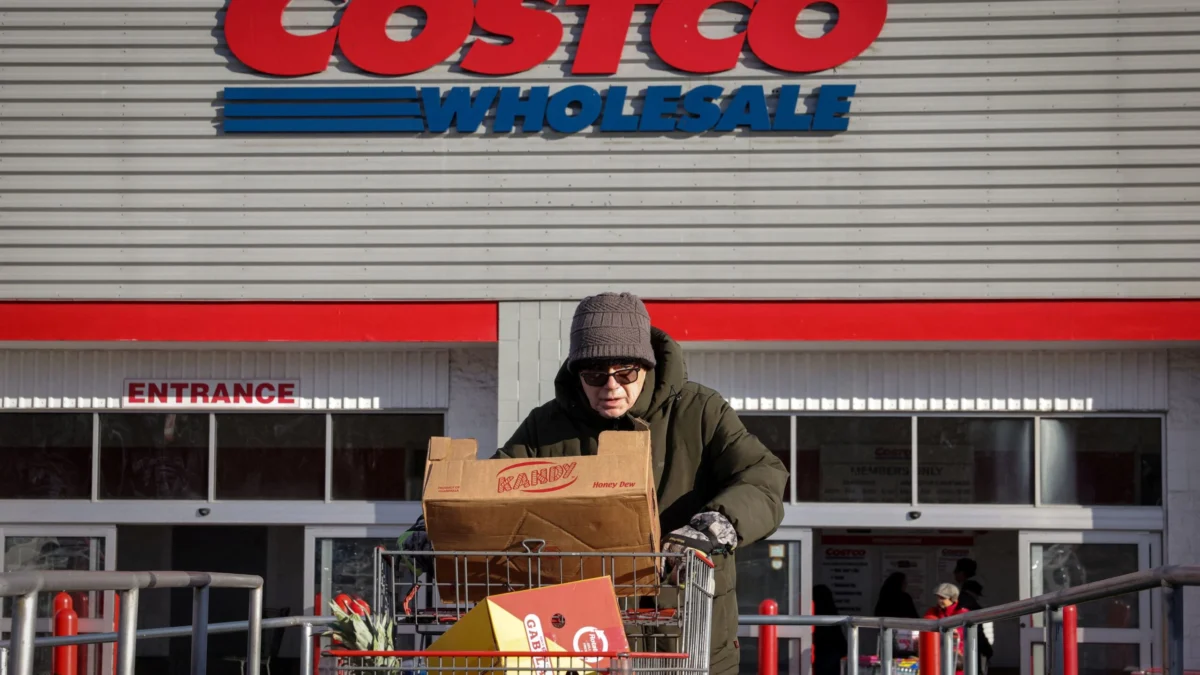
One such case recently surfaced against Costco, identified as the world’s third-largest retailer. A customer has filed a lawsuit seeking to benefit from any refunds Costco might receive from the government. The core of the plaintiff’s argument is straightforward: if Costco is reimbursed for tariffs it paid, and those tariffs were previously incorporated into the prices of goods sold to consumers, then consumers are entitled to a share of that reimbursement. This constitutes a "windfall profit" for the company, according to the lawsuit.
The legal filing states, "Often, the importer advances the tariff costs and offsets them through higher prices for consumers. Ultimately, it is the consumer who pays the tariff." This sentiment reflects a growing awareness among consumers that they may have been indirectly financing these now-illegally imposed duties.
Costco and the Consumer Challenge
Costco is among the prominent companies actively seeking the return of these paid tariffs from the U.S. government. The lawsuit against Costco highlights the direct link consumers are attempting to establish between their purchases and the tariffs. The plaintiffs contend that companies like Costco, by increasing prices to account for these duties, have effectively transferred the financial burden of the tariffs onto their customers.
In response to such claims, Costco CEO Ron Vachris has previously stated to investors and analysts that the retailer has "in many cases not fully" passed on the tariff costs to its customers. Vachris has indicated that Costco intends to return any potential reimbursements to customers through "lower prices and better deals." The company has also mentioned having already reduced prices on certain products. However, a specific inquiry from Handelsblatt regarding these developments remained unanswered at the time of publication.

FedEx Faces Similar Consumer Claims
The legal challenges are not confined to retail giants. Logistics and shipping companies are also finding themselves in the crosshairs of consumer-driven litigation. FedEx, a major player in global logistics, is facing similar demands. In one instance, a plaintiff is seeking a share of potential reimbursements because FedEx charged approximately $36 in tariffs and fees for a single international delivery.
FedEx has publicly acknowledged the potential for passing on reimbursements. A company statement indicated, "If FedEx receives refunds, we will pass the refunds on to the shippers and consumers who originally bore these fees." However, the timeline for such actions is contingent upon the progression of the government’s refund process.
The Legal Framework: Supreme Court’s Ruling and Judicial Orders
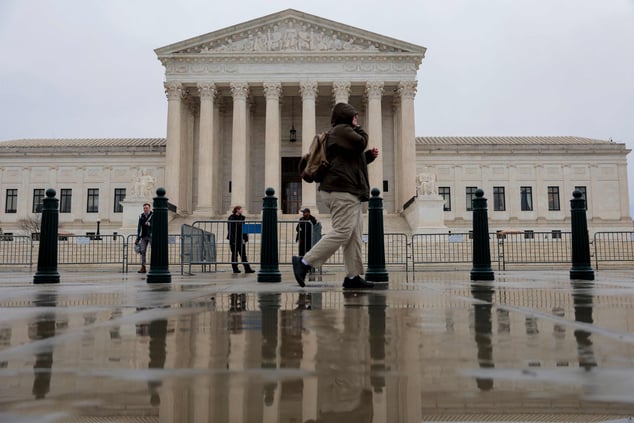
The Supreme Court’s February ruling declared the emergency tariffs unlawful, but it did not explicitly dictate how already-paid tariffs should be handled. This ambiguity created a vacuum that has since been filled by lower courts. Recently, a federal judge at the International Trade Court in New York, Judge Richard Eaton, issued a written order directing the U.S. government to begin processing these refunds. This order came after a delay related to a specific company’s lawsuit, underscoring the judicial imperative to implement the Supreme Court’s decision.
The U.S. Customs and Border Protection (CBP) is reportedly developing a system to manage these reimbursements. Court documents indicate that the application system is between 40% and 80% complete and will likely feature an online portal for importers to submit their refund claims.
Expert Analysis: Potential for a "Klagewelle" (Wave of Lawsuits)
Legal experts anticipate that the clarity and progression of the refund process could trigger a significant surge in consumer lawsuits. Jessica Rifkin, a lead attorney at OFW Law, a firm specializing in trade law, expressed this sentiment: "Given the multitude of lawsuits that have been filed to date, I consider it probable that further class-action lawsuits will follow." She suggested that this is particularly likely as the refund process becomes more transparent.

Rifkin advises companies to prepare for these consumer claims by meticulously reviewing all declarations made. Any statements that could support consumer claims, such as explicit links between price increases and tariffs, should be carefully examined. She noted that many companies did, in fact, reference the impact of U.S. tariffs during recent price adjustments.
Challenges to Consumer Claims: Legal Hurdles and Evidentiary Difficulties
Despite the growing momentum of consumer claims, legal experts also point to significant challenges that could hinder their success. Timothy Meyer, a law professor at Duke University specializing in trade law, expressed skepticism about the widespread success of consumer lawsuits. He identified two primary hurdles in cases like the one against Costco.
Firstly, Meyer argues that consumers typically lack direct contractual relationships with the seller that would provide a solid foundation for a lawsuit. The current consumer actions against retailers are largely predicated on consumer protection laws and what he describes as "vague statements" made by the retailers regarding the impact of tariffs on prices.

Secondly, Meyer highlights the immense difficulty in quantifying the exact portion of tariff costs that were passed on to consumers. He stated, "Many companies did not pass on the full costs of the tariffs. The extent varies from company to company." Determining this precise amount, he concluded, is "somewhere between extremely difficult and impossible."
Economic Impact and Data
The economic implications of these tariffs and subsequent refunds are substantial. According to research from the Kiel Institute for the World Economy, importers and consumers in the U.S. together bore approximately 96% of the additional costs associated with these tariffs. This contradicts the repeated assertions by the Trump administration that the tariffs were primarily borne by foreign exporters.
Further analysis from institutions like Goldman Sachs has indicated that U.S. importers passed on up to two-thirds of these costs to their customers. These figures underscore the significant financial impact on American households and businesses, reinforcing the rationale behind the current push for refunds.

The total value of imports subject to these specific tariffs is in the hundreds of billions of dollars, making the potential refund pool a significant economic factor. The resolution of these claims will have far-reaching consequences for trade policy, corporate financial reporting, and consumer trust in the coming years.
Broader Implications for Trade Policy
This unfolding situation has broader implications for U.S. trade policy. The reliance on national emergency powers to impose tariffs has been contentious, and the Supreme Court’s ruling serves as a check on such executive actions. The subsequent legal battles over refunds and the potential for widespread consumer litigation highlight the complex and often unintended consequences of protectionist trade measures.
Companies operating in the U.S. will likely face increased scrutiny regarding their pricing strategies and how they communicate the impact of trade policies to their customers. The legal precedent set by the Supreme Court, coupled with the ensuing consumer actions, could foster greater transparency and accountability in future trade disputes.

The ongoing development of the refund system by the CBP and the potential for further legal challenges from both businesses and consumers indicate that the fallout from these unlawful tariffs will continue to shape the economic and legal landscape for some time to come. The ultimate resolution of these claims will not only determine the financial outcomes for thousands of entities but also influence the future direction of trade relations and consumer rights in the United States.
