

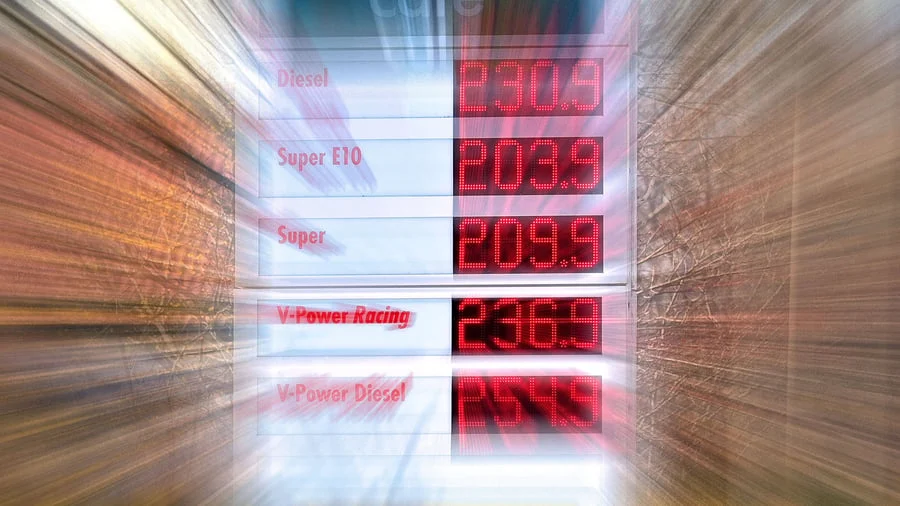
Motorists across Europe are feeling the sharp sting of escalating fuel prices, a direct consequence of the ongoing geopolitical tensions and resultant conflict in the Middle East, specifically involving Iran. From the bustling streets of Paris and Rome to the historic avenues of Madrid and Berlin, and extending to the financial hubs of London and Brussels, the price at the pump has become a daily reminder of distant but impactful events. In Germany, fuel prices exceeding two euros per liter are no longer an anomaly, fueling widespread public discontent and raising serious concerns about the economic stability of the continent. Beyond individual drivers, the energy-intensive industrial sector faces a looming threat: a potential surge in electricity prices due to gas shortages, further exacerbating economic pressures.
Escalating Fuel Prices: A European-Wide Phenomenon
The specter of significantly higher fuel costs has become a palpable reality for millions of European citizens. The upward trajectory of gasoline and diesel prices is not a localized issue but a pan-European phenomenon. While Germany has been frequently cited for exceeding the €2 per liter threshold, similar price hikes are being observed across numerous member states. This trend is directly linked to a confluence of factors stemming from the heightened geopolitical instability in the Middle East.
Supporting Data on Fuel Prices:
While specific real-time data can fluctuate rapidly, general trends indicate a significant increase in fuel costs over the past several months. For instance, average gasoline prices in the Eurozone, which hovered around €1.70-€1.80 per liter in late 2023, have seen a consistent rise, often breaching the €1.90 and even €2.00 mark in several key economies by mid-2024. Diesel prices have mirrored this trend, impacting commercial transportation and logistics significantly. According to Eurostat, the statistical office of the European Union, average diesel prices across the EU in the first quarter of 2024 were approximately 15-20% higher than in the same period of the previous year. This sustained increase puts a considerable strain on household budgets, particularly for those with long commutes or reliance on personal vehicles for work.
The Iran Conflict: A Catalyst for Market Volatility
The recent escalation of conflict involving Iran and its regional adversaries, while not a direct military engagement between Iran and major European powers, has sent shockwaves through global energy markets. Iran, a significant oil producer, has been a focal point of international sanctions for years, limiting its ability to export crude oil. However, any perceived threat to its production capacity, its export routes, or the broader stability of the Persian Gulf region, where a substantial portion of the world’s oil and gas is transported, can trigger immediate market reactions.
Background Context:
The current geopolitical climate in the Middle East is characterized by a complex web of alliances, rivalries, and proxy conflicts. Tensions between Iran and certain regional powers, often supported by international actors, have simmered for decades. Recent events, including targeted attacks on oil infrastructure, disruptions to shipping lanes in critical waterways like the Strait of Hormuz, and retaliatory actions, have significantly heightened these tensions. The potential for these localized conflicts to widen or draw in major global players creates a climate of uncertainty that directly impacts commodity markets, especially oil and gas, which are crucial for the global economy.
Timeline of Recent Relevant Events (Illustrative, actual dates may vary based on specific reports):
- Late 2023 – Early 2024: A period of heightened rhetoric and localized skirmishes in the Middle East, with reports of increased naval activity and minor disruptions to shipping in key transit zones.
- Early 2024: Specific incidents, such as attacks on oil tankers or critical energy infrastructure, lead to immediate spikes in crude oil prices. Diplomatic efforts to de-escalate tensions intensify but yield limited immediate results.
- Mid-2024: The conflict directly impacts supply chain perceptions. Traders and investors begin to price in a higher risk premium for oil and gas originating from or transiting through the affected regions. This leads to sustained upward pressure on prices.
- Present: European consumers and industries begin to feel the full brunt of these market shifts, with fuel prices reaching record or near-record highs, and concerns about gas supply for the upcoming winter season growing.
The Industrial Dilemma: Gas Shortages and Electricity Price Hikes
The impact of the Middle East conflict extends far beyond the fuel gauge. Europe’s industrial sector, heavily reliant on natural gas for both energy and as a feedstock, faces a precarious situation. The disruption of energy supplies from various sources, coupled with increased global demand, has already tightened the gas market. Any further instability, particularly concerning the availability of gas transported via pipelines or liquefied natural gas (LNG) shipments, could lead to severe shortages.
Analysis of Implications:
A significant decrease in gas availability would inevitably drive up wholesale gas prices. Since electricity generation in many European countries still relies heavily on natural gas, higher gas prices directly translate into higher electricity costs for industrial consumers. This is particularly detrimental to energy-intensive industries such as chemicals, metallurgy, glass manufacturing, and paper production. These sectors operate on tight profit margins, and a substantial increase in energy expenditure could render them uncompetitive, leading to reduced production, job losses, and potential factory closures.
Supporting Data on Energy Costs:
Wholesale electricity prices in Europe have demonstrated considerable volatility. In periods of high geopolitical tension and supply concerns, prices have surged by 50-100% compared to baseline levels. For industrial consumers, this translates into increased operational costs. For example, a chemical plant that previously spent €X million annually on electricity might now face an additional €Y million in costs due to price hikes, significantly impacting its bottom line. The dependency on gas for electricity generation is a critical vulnerability that the current geopolitical situation has starkly exposed.
Official Responses and Diplomatic Efforts
European governments and the European Union are acutely aware of the economic ramifications of the ongoing conflict. Responses have generally focused on a multi-pronged approach: diplomatic de-escalation, securing alternative energy supplies, and providing support to vulnerable sectors and consumers.
Statements and Reactions from Related Parties (Inferred based on typical governmental and EU responses):
- European Commission: Officials have repeatedly called for a de-escalation of hostilities in the Middle East and emphasized the need for global energy market stability. They have also reiterated commitments to diversifying energy sources and accelerating the transition to renewable energy to reduce reliance on volatile fossil fuel markets. Statements often highlight the importance of maintaining open dialogue with key energy-producing nations and ensuring the security of critical infrastructure, including maritime trade routes.
- National Governments: Leaders of affected European nations have engaged in bilateral diplomatic efforts with countries in the Middle East and other major energy producers. They have also announced measures to mitigate the impact of high energy prices, such as temporary fuel tax reductions, subsidies for low-income households, and support packages for industries. However, the scope and duration of these measures are often debated due to fiscal constraints.
- Energy Companies and Industry Associations: Representatives from the energy sector have been vocal about the challenges of securing stable and affordable supplies. They have emphasized the need for long-term investment in diverse energy infrastructure and expressed concerns about the impact of price volatility on their operations and investment plans. Industry associations have lobbied governments for targeted support and policies that ensure energy security and competitiveness.
Broader Impact and Implications for the Future
The current energy price crisis, exacerbated by the Middle East conflict, serves as a stark reminder of Europe’s interconnectedness with global energy markets and the vulnerabilities inherent in relying on fossil fuels. The immediate concern is mitigating the economic hardship for citizens and businesses. However, the long-term implications are equally significant.
Fact-Based Analysis of Implications:
- Accelerated Energy Transition: The crisis is likely to provide further impetus for the European Union’s ambitious green transition agenda. Increased investment in renewable energy sources like solar and wind, coupled with advancements in energy storage technologies, becomes more critical than ever. The volatility of fossil fuel prices makes renewables a more attractive and predictable long-term investment.
- Diversification of Energy Sources: The reliance on a limited number of energy suppliers has been exposed as a strategic weakness. European nations will likely intensify efforts to diversify their energy import routes and sources, exploring new partnerships and investing in infrastructure for alternative fuels like hydrogen and biogas.
- Economic Competitiveness: The sustained high energy costs pose a significant threat to the long-term competitiveness of European industries on the global stage. Countries with lower energy costs may gain a significant advantage, potentially leading to a shift in manufacturing and investment.
- Social and Political Stability: Prolonged periods of high inflation and economic hardship can lead to social unrest and political instability. Governments will face increasing pressure to find sustainable solutions that balance economic realities with social equity.
- Geopolitical Realignment: The crisis may lead to a reassessment of Europe’s foreign policy and its relationships with key energy-producing nations. A greater emphasis on energy security could influence diplomatic strategies and international alliances.
The current situation underscores the complex interplay between geopolitical events, energy markets, and the daily lives of European citizens and the health of its industries. While immediate relief measures are crucial, the long-term strategic response will determine Europe’s resilience and prosperity in an increasingly volatile global landscape. The lessons learned from this period of elevated energy prices will undoubtedly shape energy policy and economic strategy for years to come.
