

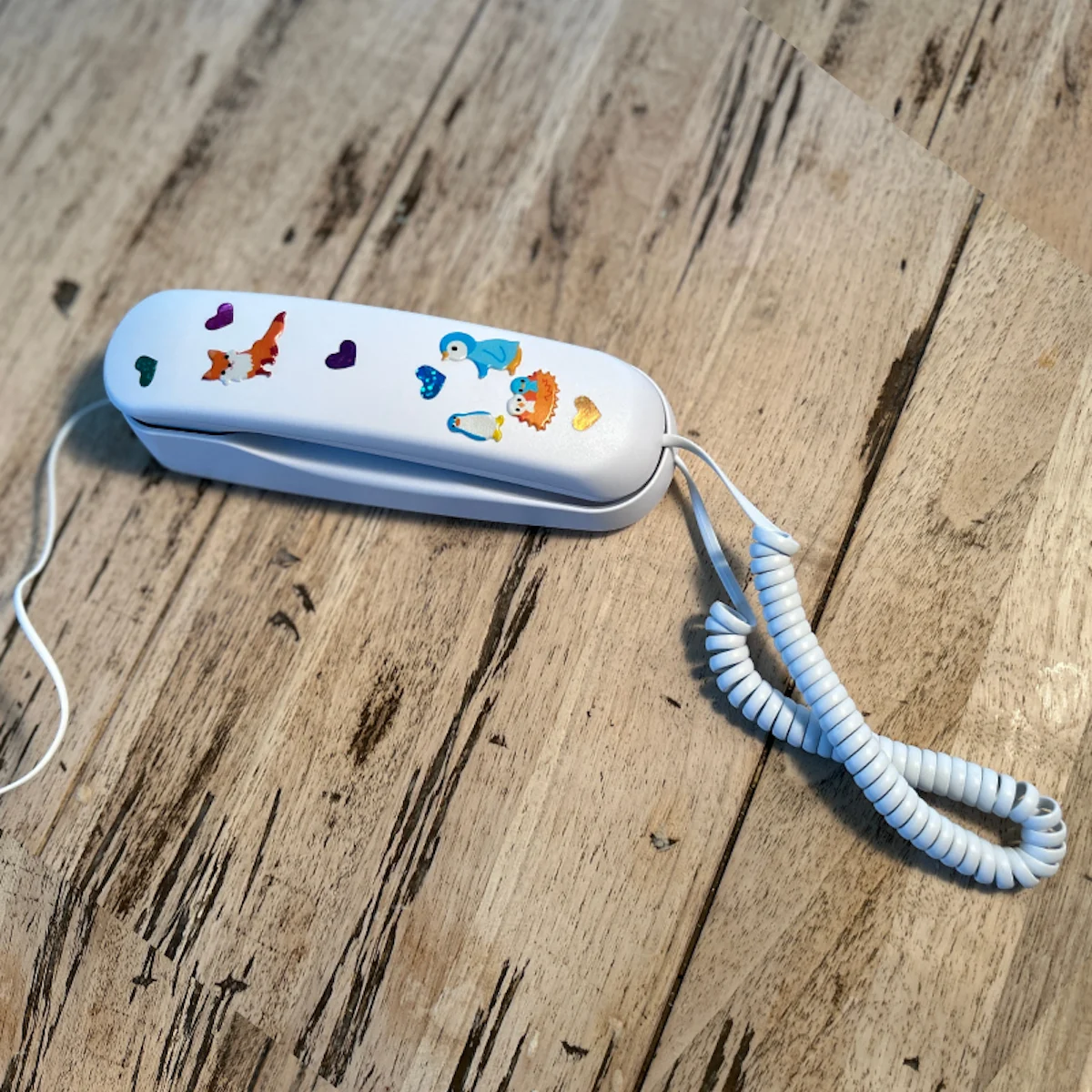
Pinwheel, a company specializing in kid-focused technology, has officially announced the launch of Pinwheel Home, a contemporary reimagining of the classic household telephone designed to offer children a dedicated communication tool devoid of smartphone distractions. This initiative aims to rekindle the nostalgic experience of a generation past, where the family landline served as the primary nexus for after-school chats with friends, but adapted for today’s digitally-saturated environment. The device, unveiled on Tuesday, positions itself as an introductory communication tool for children aged 5 to 10, bridging the gap before they might transition to more complex smartphone technologies.
A Deliberate Step Back: The Philosophy Behind Pinwheel Home
In an era dominated by ubiquitous screens and constant digital engagement, Pinwheel Home represents a deliberate counter-movement. The device is engineered solely for voice calls, eschewing features like texting, social media, web browsing, or gaming that are inherent to smartphones. Pinwheel articulates that this singular focus on voice communication fosters more meaningful, one-on-one interactions, encouraging active listening and verbal expression. Furthermore, it empowers children with a sense of independence, allowing them to initiate calls with approved contacts without needing to borrow a parent’s device, thereby practicing essential communication skills in a safe and controlled environment.
This product launch is particularly pertinent given the escalating concerns among parents and child development experts regarding the pervasive impact of technology on children’s well-being. A 2023 survey by the American Psychological Association (APA) highlighted that excessive screen time is frequently linked to a spectrum of emotional, behavioral, and social challenges in young individuals. The survey, which polled over 3,000 parents, found that 84% were at least somewhat concerned about the impact of social media on their children’s mental health, and 70% reported similar concerns about video games. More specifically, recent research from the University of Georgia published in the Journal of Research on Adolescence revealed a concerning correlation between increased social media usage in children and weaker vocabulary development over time, manifested as greater difficulty in recognizing and pronouncing words. These findings underscore a growing body of evidence suggesting that while digital tools offer connectivity, their unchecked use can impede crucial developmental milestones.

Product Features and Accessibility
Pinwheel Home, while evoking the aesthetic and function of a traditional landline, operates on modern Wi-Fi technology, eliminating the need for a physical phone jack. This ensures ease of setup and placement within any contemporary home. The device is available in two distinct models to cater to varying preferences. The "Spark" model, starting at $68, offers a minimalist design and comes in a palette of white, black, blue, and purple. For those seeking a more retro appeal, the "Classic" model is priced at $79 and features a vintage-style handset, complete with customizable stickers, available in pink, black, and white. This blend of classic design and modern functionality aims to make the device appealing to both children and parents alike.
The company has emphasized robust parental control features, which are managed through Pinwheel’s intuitive Caregiver Portal. This online platform allows parents to meticulously curate their child’s calling experience. Key functionalities include approving contacts, blocking unknown callers, spam, and robocalls, and establishing specific calling schedules and time limits. Essential phone features such as speed dial and voicemail are also integrated, ensuring a comprehensive yet controlled communication experience. Future updates are planned to expand functionality, including the introduction of three-way calling and, crucially, integration with Pinwheel’s existing ecosystem of smartwatches and smartphones. This future interoperability will allow children to maintain the same phone number across multiple Pinwheel devices, offering flexibility while still adhering to the company’s core mission of limiting screen time at home.
Pinwheel’s Expanding Ecosystem and the Competitive Landscape
The launch of Pinwheel Home is not an isolated event but rather an extension of Pinwheel’s strategic vision within the children’s tech market. The company has steadily built a portfolio of screen-aware devices designed for young users. Prior to the Home device, Pinwheel offered kid-friendly smartphones tailored with parental controls and a curated app experience. Last year, the company further diversified its offerings with the introduction of a smartwatch for kids, which notably included an AI chatbot, demonstrating their commitment to integrating responsible innovation into their product line. This sequential rollout underscores Pinwheel’s intent to provide a comprehensive, tiered approach to children’s technology, allowing parents to gradually introduce digital tools as their children mature and demonstrate readiness.
In the burgeoning market for screen-free communication devices for children, Pinwheel Home enters a competitive, albeit niche, arena. One notable competitor is Tin Can, which offers a Wi-Fi-enabled landline priced at $100. Similar to Pinwheel, Tin Can utilizes a companion app for parents to manage approved contacts. This emerging category of devices signifies a broader trend among tech companies to address parental anxieties by providing alternatives to full-fledged smartphones. The increasing global dialogue around children’s digital safety, exemplified by countries like Australia restricting social media access for minors and the U.K. announcing similar legislative plans, further validates the market need for such specialized communication tools. These policy shifts reflect a collective societal effort to mitigate the potential harms of early and unfiltered exposure to digital platforms.

Economic Model and Market Availability
Pinwheel has structured its service plans to offer flexibility to families. Calls between Pinwheel Home devices are free, facilitated through the company’s "Pinwheel Circle" service, promoting easy and cost-effective communication within a trusted network. For families requiring the ability to call standard external phone numbers, Pinwheel offers tiered subscription plans. A basic plan, priced at $6.99 per month, allows for calls to up to five approved contacts, while an unlimited calling plan is available for $9.99 per month. This pricing model is competitive within the market, with Tin Can offering a comparable "friends and family" plan also at $9.99 per month.
Pinwheel Home is currently available for purchase directly through the company’s website, with plans for a broader retail launch on Amazon anticipated for the fall season. This phased rollout strategy aims to first capture early adopters and direct-to-consumer sales, followed by wider market penetration through established e-commerce channels.
Broader Implications and Future Outlook
The introduction of Pinwheel Home carries significant implications for both the children’s technology market and contemporary parenting strategies. It signals a growing recognition among tech companies that "more screen time" is not always the answer, and that intentional design can support healthier digital habits. For parents, it offers a tangible solution to the dilemma of wanting their children to be connected for safety and social development, without exposing them to the myriad risks associated with unrestricted smartphone use. This device could become a cornerstone in many families’ "digital detox" efforts, providing a practical tool to enforce screen time limits and foster traditional communication skills.
The success of Pinwheel Home will likely hinge on its ability to strike a balance between simplicity, functionality, and parental peace of mind. As digital landscapes continue to evolve, and concerns about childhood development in a hyper-connected world intensify, products like Pinwheel Home may represent a pivotal shift. They are not merely gadgets but rather embodiments of a philosophy that prioritizes focused interaction and developmental well-being over constant digital engagement. The long-term impact could be a recalibration of societal norms around children’s technology, encouraging a more thoughtful and measured approach to digital integration from an early age. The market’s reception to this modern-day landline will be a critical indicator of whether the desire for "less" in children’s tech can truly gain significant traction in an increasingly "more" world.
