

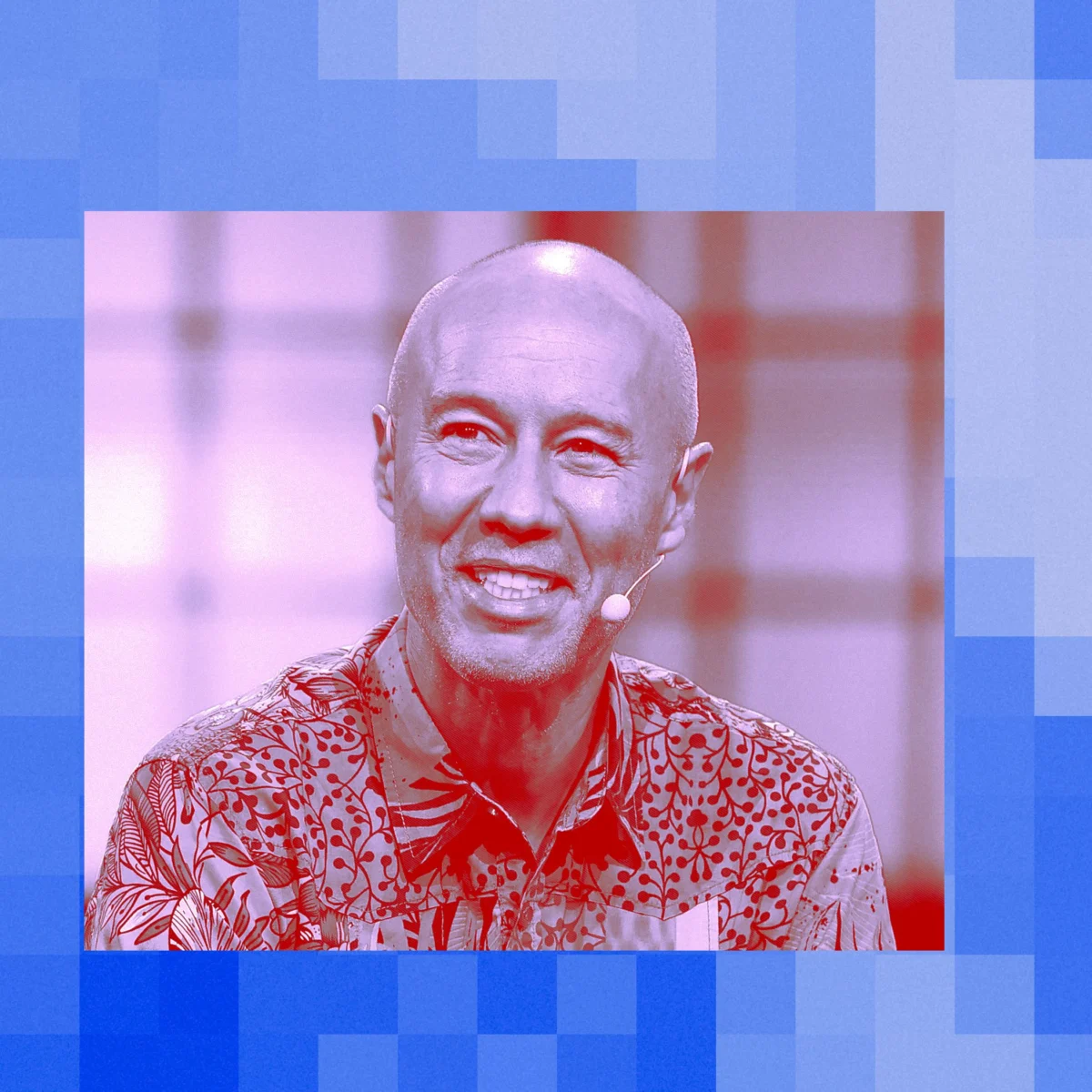
Three years ago, Lyft was a company teetering on the brink. Consistently trailing its larger rival, Uber, in the fiercely competitive ride-sharing landscape, Lyft faced the very real possibility of being driven out of business. The company’s founders, grappling with mounting losses and dwindling market share, made a pivotal decision in March 2023, bringing in David Risher, a seasoned executive with a distinguished background at Microsoft and Amazon, to spearhead a comprehensive turnaround. Under Risher’s guidance, Lyft has embarked on an aggressive strategy that includes expanding its international presence, forging strategic alliances with autonomous vehicle pioneers like Waymo and technology giants such as Nvidia, significantly reducing ride cancellations, and implementing policies aimed at improving driver compensation. These efforts have demonstrably shifted the company’s trajectory, leading to profitability and a notable increase in market share. The most recent development, announced this week, is Lyft’s integration of traditional taxis into its New York City offerings through an expanded partnership with Curb, further broadening customer options. Despite these significant strides, Lyft continues to hold a strong second position in the ride-sharing market, and its stock performance this year has reflected broader industry uncertainties. In a recent interview, Risher offered candid insights into Lyft’s recovery, his perspective on Uber, and the company’s forward-looking strategy, particularly concerning the management of autonomous vehicle fleets.
The Turnaround Strategy: A Focus on Customer and Driver Value
David Risher’s tenure began at a critical juncture. "When I came in, we were losing share—Lyft was 26 or 27 percent compared to the other guy," Risher stated, referencing Uber. "We were losing money, $300 million a year. Things were not looking good." Drawing upon his experience at Amazon, Risher’s immediate priority was to instill a culture of "customer obsession." This philosophy permeated the company’s operational adjustments, which focused on optimizing costs to enable price reductions for riders. Simultaneously, a significant effort was made to increase driver pay. "We raised driver rates, because if drivers aren’t getting paid enough, they tend to be very frustrated and don’t provide great service, and drop off the platform," Risher explained. This dual approach—enhancing the rider experience through affordability and improving the driver experience through better compensation—was designed to reignite growth and customer loyalty.
The results of this strategy have been tangible. Lyft has achieved profitability, a stark contrast to its previous financial performance. The company is now reporting some of its highest driver satisfaction rates on record, signaling a more engaged and motivated driver base. This improved driver sentiment, coupled with more competitive pricing and a more reliable service, has led to riders returning to the platform. "So today, we’re profitable. We have some of the highest driver satisfaction rates we’ve ever had, and our riders are coming back," Risher confirmed. This renewed customer engagement has translated into a measurable increase in market share, with Lyft now holding approximately 31% of the ride-sharing market in North America, up from its previous position.
Navigating Market Perception and Investor Confidence
Despite the operational successes and improved market share, Lyft’s stock performance has been a point of discussion. "Our analysts and investors love the fact we’re growing quarter by quarter, but they also see uncertainty in the industry," Risher acknowledged. This sentiment reflects a broader market caution regarding the future of transportation and the ongoing competition within the ride-sharing sector. The perception of Lyft’s market position, though significantly improved, remains that of a strong contender in a dominant duopoly. Headlines questioning Lyft’s competitive standing, such as “Is OpenAI On Its Way to Becoming Lyft?”, highlight the dynamic and sometimes unpredictable nature of technological disruption and market positioning, even when the content of the article is unrelated to ride-sharing.
Risher addressed the challenge of market perception directly, reframing the competitive landscape. "That might be a false premise," he stated, referring to the notion of being perpetually in second place. "We do a billion rides a year in North America. The other guys maybe do two. That’s 3 billion rides between the two of us. But people take 160 billion rides in their private cars every year. So there’s a gigantic market which you can grow into." This perspective emphasizes the vast untapped potential within the personal transportation sector, suggesting that the focus should be on capturing a larger share of this overall market rather than solely on the direct competition with Uber.
The "Save Money, Check Lyft" Imperative
Lyft’s strategy to further increase market share hinges on a simple, yet powerful, consumer behavior: price comparison. "The reason we have been gaining share over the last couple years is our service is just better," Risher asserted. "On average we will pick you up faster than those guys will. We have reduced driver cancellations." These operational improvements contribute to a more reliable and efficient service for riders. The next phase of their growth strategy is encapsulated in the slogan, "Save Money, Check Lyft." Risher elaborated on this, stating, "which is based on a very basic premise that if you’re a rider and you’re only checking the other guy, you’re leaving money on the table. If people checked every single time, we would have a greater than 50 percent share. I promise you." This highlights a key opportunity for Lyft: capitalizing on consumer price sensitivity by encouraging them to compare options before booking a ride.
The anecdotal evidence of price differentials is something Risher acknowledged. When presented with an instance where Lyft’s price was significantly higher than Uber’s for a short trip, he responded, "We try to beat them more than we lose, but we have different algorithms, different data. We religiously, obsessively check to make sure that is true." This indicates a commitment to understanding and optimizing pricing strategies, while also acknowledging the inherent complexities of dynamic pricing in a competitive market.
Driver Compensation and the Evolving Cost Structure
A persistent concern within the ride-sharing industry has been the perception that companies take too large a commission from driver earnings. Risher addressed this directly, refuting the notion that Lyft’s cut is excessive. "The short answer is no," he stated. He contextualized this by referencing the early days of the industry, characterized by "massive effective driver subsidies," which he believes may still influence current perceptions. Lyft’s commitment, Risher emphasized, is firm: "We will never, ever, ever, ever take more than 30 percent after insurance is taken out." This clear policy aims to assure drivers of a fair earning structure and a cap on the company’s commission.
Regarding the impact of fuel price fluctuations, Risher acknowledged that drivers ultimately bear the brunt of these costs. "Drivers are responsible for fueling up, so ultimately, of course, they’re paying the bill," he said. However, he also reiterated Lyft’s commitment to supporting its driver base: "But we’re trying our best to help." The specifics of this support, beyond direct compensation adjustments, were not detailed but suggest an ongoing effort to mitigate the impact of external economic factors on driver earnings.
The Future of Mobility: Autonomous Vehicles and Fleet Management
The conversation then shifted to the transformative potential of autonomous vehicles (AVs) and Lyft’s strategic positioning in this emerging sector. The company’s partnership with Waymo, which involves fleet management services for Waymo vehicles in Nashville, is a significant indicator of Lyft’s future direction. "We’re partnering with multiple companies, but our Waymo partnership is perhaps the most significant," Risher stated. Under this agreement, Lyft is responsible for ensuring the operational readiness of Waymo’s autonomous fleet, a critical function for maximizing asset utilization and revenue generation. "So our job is to make sure that cars are available as close to 24/7 as possible. Cars sitting there stranded, not charged, not clean, whatever, aren’t making money. That’s bad," Risher explained. This role extends beyond mere maintenance, encompassing a comprehensive approach to fleet uptime and efficiency.
The collaboration with Waymo also involves a supply-sharing component, where autonomous vehicles will be accessible through both the Waymo app and, later this year, the Lyft app. This signifies a deeper integration, where Waymo’s AVs will function as a direct supply source for Lyft rides. "So essentially Waymo is acting like a Lyft driver?" Risher was asked. His affirmative response, "Yes, they’re a supplier, just like a driver would be exactly," underscores the evolving definition of a ride-sharing "driver" in the age of automation.
Risher painted a compelling vision of the future, where personal car ownership might fundamentally change. "In a decade, buying a car without self-driving technology will be like buying a car with manual transmission—you could do it, but you probably won’t," he predicted. This seismic shift implies a future where privately owned vehicles are increasingly capable of autonomous operation. For individuals who own such vehicles, the opportunity to generate income will shift from driving themselves to leveraging their car’s autonomous capabilities. "Ten years from now, in a world where a lot of people have cars that can drive themselves, you just have to put your car to use, and when it comes back, you’re going to want it cleaned and maintained. That’s where fleet management comes in." Lyft aims to be at the forefront of this transition, providing the infrastructure and services to manage these fleets of privately owned autonomous vehicles.
Ambition and Identity: The "Good Uber"
When questioned about his ultimate ambition for Lyft, Risher did not shy away from expressing a desire for market leadership. "Sure, because our service is better," he stated. He then offered a provocative self-assessment, "I also think—and you can quote me on this, although it’s a little bit of an obnoxious thing for me to say—I think we’re the good Uber." This statement, while intentionally bold, encapsulates Lyft’s perceived differentiation and its strategic positioning.
When pressed on whether he still viewed Uber as "evil," Risher tempered his initial assertion. "Yeah. [Pauses.] No, that’s too strong," he admitted. He acknowledged that both companies have achieved success through distinct approaches. However, he maintained that Lyft’s unwavering commitment to customer obsession is a core differentiator that resonates with his counterparts at Uber. "When I talk to people at the other company, they do admire that we are walking the walk; we are customer obsessed. That’s the big change that’s turned our economics around, and we’re not going to back off of that. Those advantages will compound over time." This focus on customer-centricity, Risher believes, is not just a short-term strategy but a foundational element that will drive sustained growth and competitive advantage for Lyft in the years to come.
