

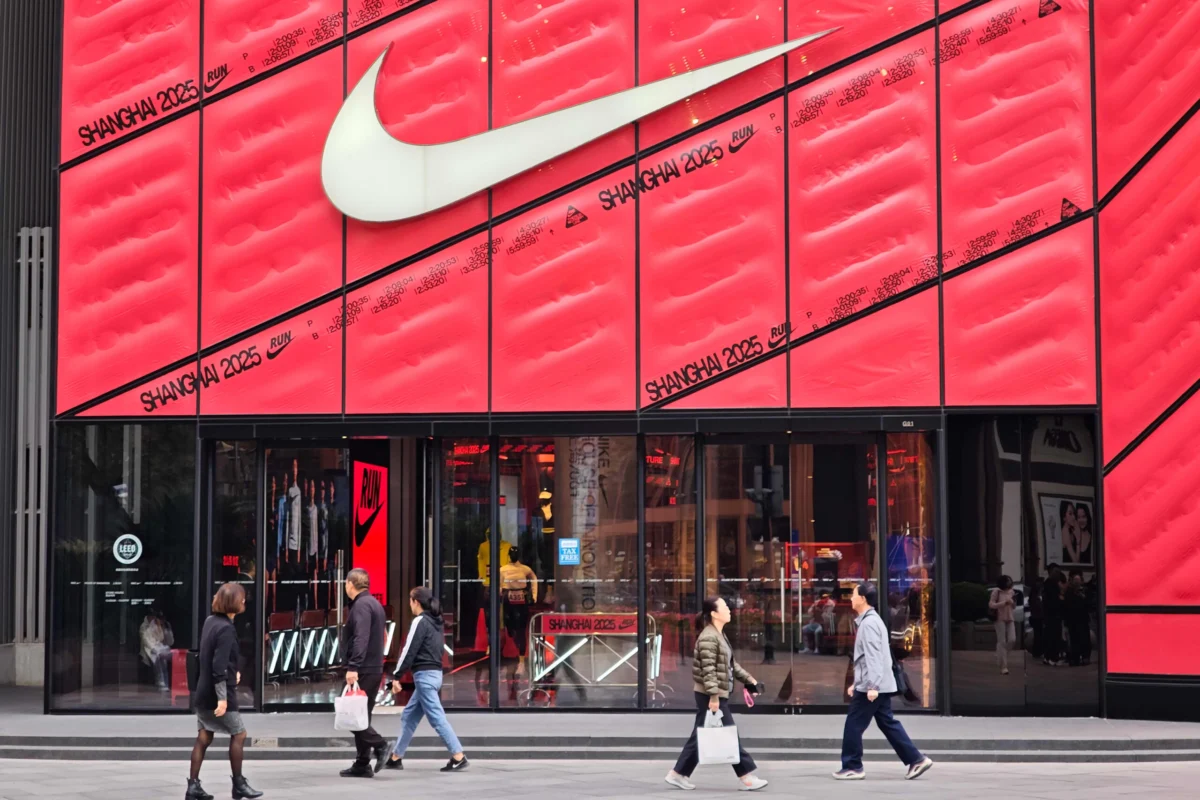
Shanghai, China – Nike, the global athletic footwear and apparel giant, is set to implement a sweeping overhaul of its e-commerce strategy in China, a move that will see the company sever ties with thousands of online distributors beginning in January 2026. This aggressive consolidation aims to streamline Nike’s digital footprint, enhance brand consistency, and re-energize growth in a market where the company has faced significant headwinds. The strategy shifts Nike’s primary online presence to its official website and app, alongside its flagship storefronts on major Chinese e-commerce platforms like Tmall, JD.com, and Douyin.
The Strategic Pivot: Centralizing Nike’s Digital Ecosystem
The decision, officially announced on Tuesday, marks a pivotal moment for Nike in Greater China, a region that has historically been a powerhouse for the brand but has recently experienced a sales decline of approximately 30% over the last five years. Currently, Nike products are available across a vast, fragmented digital landscape, including numerous online storefronts operated by its brick-and-mortar partners and a wide network of secondary distributors. While this extensive reach has provided broad consumer access, it has simultaneously created a "messy digital marketplace," characterized by inconsistent branding, erratic pricing, and a diluted consumer experience.
Cathy Sparks, Nike’s newly appointed Vice President and General Manager of Greater China, articulated the company’s vision in a recent letter to partners. "These new flagships will serve as the single, elevated destination for Nike within these ecosystems, with clearer product presentation, stronger storytelling and more connected consumer journeys," Sparks stated. She emphasized that the strategy is not about restricting access but about reducing fragmentation and fortifying the consumer journey, thereby strengthening the brand. "When the experience is consistent, the brand becomes stronger," she added. This move aligns with Nike’s broader global direct-to-consumer (DTC) strategy, which prioritizes direct engagement with consumers, premium brand presentation, and greater control over product pricing and distribution channels.
Background Context: Nike’s Journey in the Dynamic Chinese Market
Nike has long been a dominant force in China, riding the wave of the country’s economic boom and its burgeoning sports culture. For decades, it successfully navigated the complexities of the market through a robust wholesale model, establishing a vast network of distributors and retailers. However, the landscape has evolved dramatically. China’s e-commerce sector is the largest in the world, with projections indicating it will exceed $3.5 trillion by 2025. This hyper-digitalization, coupled with the rise of sophisticated local brands such as Anta and Li-Ning, and shifting consumer preferences, has presented both opportunities and challenges for international players like Nike.
The past five years have been particularly challenging for Nike in China. Beyond the internal issues of distribution fragmentation, the company has grappled with external pressures including geopolitical tensions, supply chain disruptions, and a growing "buy local" sentiment among Chinese consumers. The COVID-19 pandemic further accelerated the shift to online shopping, magnifying the issues associated with a diffuse digital presence. Local competitors, often more agile and attuned to domestic trends, have capitalized on these dynamics, eroding Nike’s market share in key segments. This strategic pivot, therefore, is not merely a refinement of its e-commerce operations but a critical recalibration aimed at adapting to the new realities of the Chinese market.
A Look at the Timeline and Chronology of the Decision
The groundwork for this significant shift appears to have been laid over several months. Initial reports concerning Nike’s intentions to pare back its online distributor network in China first surfaced in local Chinese media outlets late last month, sparking immediate discussion and analysis among industry observers. While the exact date of the internal decision-making process is not publicly known, the official announcement on Tuesday solidified the company’s commitment. The January 2026 implementation date provides a runway for Nike and its affected partners to transition, though the implications for thousands of smaller distributors will be substantial and immediate.
This strategic direction mirrors a broader, multi-year global push by Nike towards a direct-to-consumer model. In North America, for instance, Nike initiated a similar effort several years ago to reduce its wholesale accounts, aiming to elevate the brand experience and boost margins. While that strategy achieved some of its direct sales objectives, it also faced significant criticism for alienating long-standing retail partners and potentially ceding market share to competitors. This historical context provides a crucial lens through which to analyze the potential ramifications of the China strategy.
Expert Analysis and Potential Implications
The announcement has drawn mixed reactions from market analysts, with some expressing concerns about potential short-term revenue impacts. Laurent Vasilescu, an equity analyst at BNP Paribas, was among the first to flag the potential risks. In a note issued last month following the initial reports, Vasilescu drew a direct parallel to Nike’s earlier, "ill-fated decision to cut off wholesalers in North America." He argued that the North American strategy "opened up shelf space for competitors and the strategy ended poorly for Nike," contributing to a decline in market dominance, sales, and margins in that region.
Vasilescu warned that "the same could happen if it takes the same approach in China," reiterating BNP Paribas’s "underperform" rating for the company. His analysis suggests that Nike’s fundamental challenge might not be solely a "distributor problem" but rather a "product problem," implying that issues with innovation, desirability, or relevance of its product offerings might be a more significant factor in its sales decline across various markets, including China. This perspective underscores the complexity of the challenges Nike faces, suggesting that a distribution overhaul alone might not be a panacea if product innovation lags.
Beyond the immediate revenue concerns, the strategy carries several implications:
- Pricing Control and Brand Integrity: By consolidating its online presence, Nike aims to gain tighter control over product pricing, combating unauthorized discounts and price erosion that can devalue the brand. It also ensures a consistent brand narrative and premium presentation across all authorized digital touchpoints.
- Enhanced Consumer Data: Direct-to-consumer channels provide Nike with invaluable first-party data on consumer preferences, purchasing habits, and engagement. This data can inform future product development, marketing strategies, and personalized consumer experiences, fostering deeper loyalty.
- Operational Efficiency: Reducing the number of online partners simplifies inventory management, logistics, and marketing efforts, potentially leading to greater operational efficiency and cost savings in the long run.
- Risks of Reduced Market Reach: While consolidation aims for quality over quantity, there is an inherent risk of reducing overall market reach. Thousands of distributors collectively contributed to Nike’s omnipresence. Losing these touchpoints, particularly in smaller cities or niche online communities, could inadvertently create gaps that competitors might exploit.
- Grey Market Concerns: The severing of ties with numerous distributors could lead to an increase in grey market activities, where products are sold through unauthorized channels, further complicating Nike’s efforts to control pricing and brand image.
- Impact on Small and Medium Distributors: For the thousands of online distributors who have built their businesses around selling Nike products, this decision will be devastating. Many will face significant business disruption, potential liquidation of inventory, and the urgent need to pivot to other brands or business models.
Stakeholder Reactions and Adaptations
The impact of this decision extends directly to Nike’s existing partners in China, particularly its brick-and-mortar retailers who have increasingly leveraged online storefronts to expand their reach. These partners have invested significantly in developing their digital capabilities, and the curtailment of these online avenues could pose a substantial challenge to their business models.
However, Topsports, Nike’s largest distributor in mainland China and a critical partner for 27 years, has publicly expressed its support for the company’s decision. Yu Wu, CEO of Topsports, acknowledged the immediate challenges but voiced optimism for the long-term benefits. "This adjustment will bring some short-term pressure to our business," Wu stated. "But we firmly believe that, over the medium- to long-term, this direction will help promote a healthier, more orderly, and more sustainable retail ecosystem in China, while further improving consumer experience and product appeal."
Wu further elaborated on Topsports’ commitment to adapting, stating, "Looking ahead, we will continue to work closely with Nike, leveraging our strengths in offline retail operations, local consumer service, and deep market development across city tiers." He indicated a focus on "new concept sport stores and high-quality physical retail experiences" to bring richer and more meaningful sport experiences to Chinese consumers. Topsports’ strategic alignment with Nike underscores the delicate balance large distributors must maintain with their brand partners, often necessitating adaptation to evolving strategies to secure their long-term position. Their ability to pivot towards premium physical retail experiences, potentially incorporating digital elements within their stores, will be crucial.
For smaller, independent online distributors, the outlook is less sanguine. Many operate with thin margins and limited resources, and the loss of Nike as a product line could force them out of business or into a scramble to find alternative brands. This consolidation will undoubtedly reshape the competitive landscape of online sports retail in China.
Broader Market Implications and Future Outlook
Nike’s bold move in China is a high-stakes gamble. The market is not only massive but also intensely competitive, with both international rivals like Adidas and Puma, and formidable domestic players like Anta and Li-Ning, vying for consumer attention. These local brands have increasingly invested in product innovation, digital engagement, and celebrity endorsements tailored to Chinese cultural sensibilities, often gaining traction by tapping into national pride.
The success of Nike’s revamped strategy will depend on several critical factors:
- Product Innovation: As analyst Laurent Vasilescu suggested, a strong product pipeline is paramount. Nike must consistently deliver desirable, innovative products that resonate with Chinese consumers’ evolving tastes and preferences.
- Seamless Digital Experience: The new flagship online channels must offer an impeccable, intuitive, and engaging user experience that justifies the consolidation and stands out in China’s highly sophisticated e-commerce environment.
- Effective Marketing and Storytelling: Nike needs to leverage its direct channels to craft compelling brand narratives that connect deeply with Chinese youth culture and sports enthusiasts, differentiating itself from both global and local competitors.
- Strategic Partnership Management: While cutting off thousands, Nike must ensure its relationship with key partners like Topsports remains robust and mutually beneficial, leveraging their local expertise for offline retail and market penetration.
The decision represents a clear doubling down on Nike’s global direct-to-consumer ambitions, adapted for the unique complexities of the Chinese market. It’s a strategic play that, if successful, could re-establish Nike’s premium positioning, enhance profitability, and provide invaluable consumer insights. However, the risks are substantial, and the coming years will be a critical test of whether Nike can navigate this transition without sacrificing crucial market share and consumer goodwill in one of its most vital global markets. The entire industry will be watching closely to see if this aggressive consolidation paves the way for a revitalized Nike in China or inadvertently creates new challenges for the iconic brand.
