

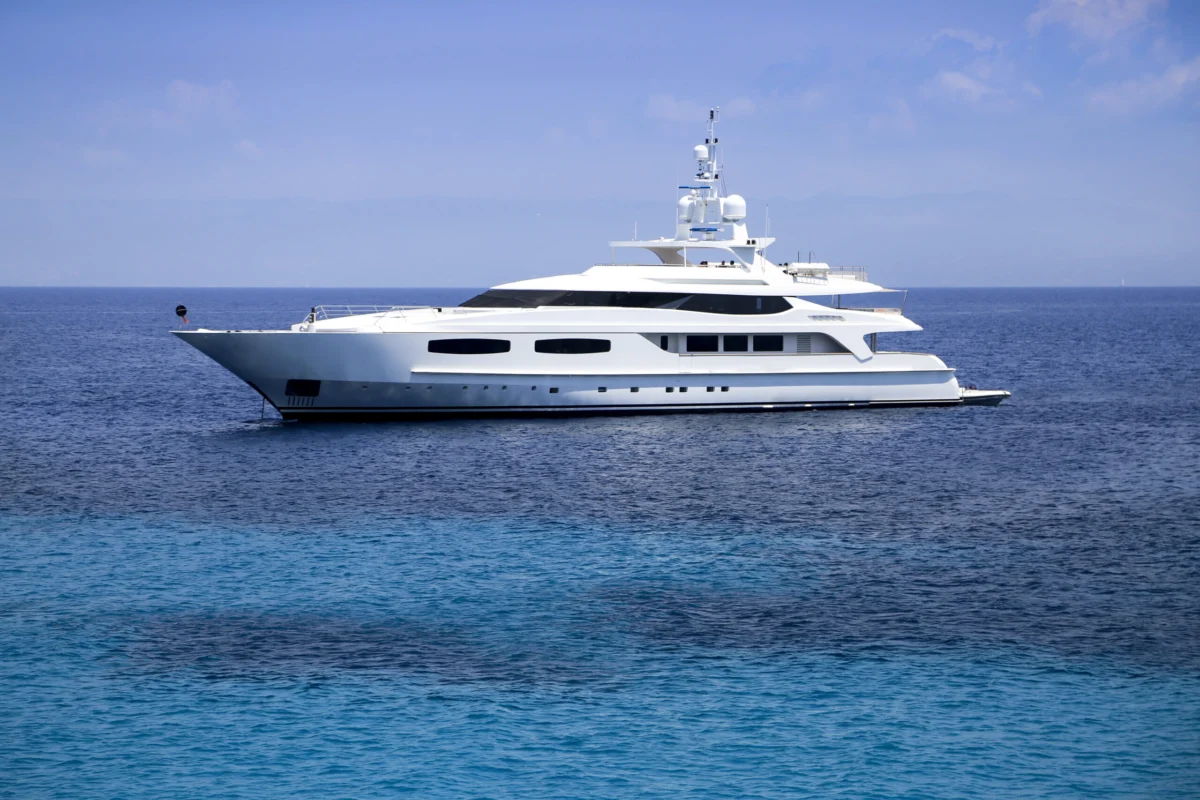
The azure waters of the Mediterranean, a perennial playground for the world’s elite, are witnessing an unprecedented shift in their luxury yacht charter market this summer. A confluence of geopolitical tensions, primarily escalating conflicts in the Middle East, has cast a shadow over what was anticipated to be another banner season, leading to substantial discounts and a surge in last-minute bookings. Industry leaders report a notable cooling of demand, with charter bookings down by as much as 20% to 30% compared to the previous year, prompting yacht companies to roll out special offers for the peak months of July and August.
A Market Under Pressure: Declining Demand and Attractive Deals
The superyacht charter sector, a highly sensitive barometer of global high-net-worth sentiment, has reacted swiftly to the changed international landscape. Brokers across the industry are confirming a significant downturn. Jonathan Beckett, CEO of superyacht brokerage Burgess, highlighted the stark contrast between the early months of the year and the period following the intensification of Middle Eastern conflicts. "In December, January and February, the market was on fire," Beckett stated, reflecting on a robust start to the booking season. However, this initial fervor dissipated abruptly with the outbreak of hostilities, leading to a palpable hesitancy among potential clients. Beckett estimates the summer charter season in the Mediterranean could be down by as much as 30% from the previous year’s figures, a substantial contraction in a market accustomed to consistent growth.
This dip in demand has translated directly into more favorable terms for clients. The luxury charter industry, known for its premium pricing and exclusivity, is now actively promoting mid-summer deals and discounts. For instance, the 130-foot (approximately 39.6-meter) superyacht "Club M" recently offered a special rate of 210,000 euros (approximately $239,000 USD at the time of the offer) for the third week of July, a significant reduction from its typical rate of 250,000 euros. This 16% price cut exemplifies the industry’s proactive approach to fill schedules and maintain operational continuity. Other vessels are similarly advertising "rare availability" for coveted slots in late July and throughout August, signaling an unusual buyer’s market for those willing to book spontaneously.
The Shift to Spontaneity: Last-Minute Bookings Dominate
One of the most striking behavioral shifts observed this season is the pronounced move towards last-minute bookings. Traditionally, discerning clients planning a luxury Mediterranean charter would secure their preferred yacht months, or even a year, in advance to ensure availability and meticulous itinerary planning. However, current market dynamics have inverted this trend. Anders Kurtén, CEO of Fraser Yachts, described the unprecedented spontaneity: "People are booking a big yacht on a Monday for a vacation that starts Friday." This rapid turnaround reflects both the availability of discounted opportunities and a potential wait-and-see approach from clients monitoring geopolitical developments.
While this trend offers enticing opportunities for deal-seekers, it also presents a unique challenge for both clients and brokers. Kevin Merrigan of Northrop & Johnson noted the delicate balance: "There are a lot of last-minute charters this year and deals to be had. But people who are waiting until the last minute to book are also finding out the yacht has just been chartered or there’s a deal already on the table." This highlights the dynamic, fast-moving nature of the current market, where attractive offers can be snapped up quickly, rewarding decisive clients while potentially leaving others disappointed despite the overall softening of demand.
Geopolitical Undercurrents: The Middle East as a Catalyst
The primary driver behind this market cooling is widely attributed to the escalating geopolitical instability in the Middle East. While the original reporting broadly referenced "the Iran war," this term likely encapsulates the broader regional tensions that have intensified significantly since late 2023, particularly following the Israel-Hamas conflict that began in October. The conflict’s reverberations have included increased maritime security concerns in the Red Sea and broader anxieties about regional escalation, influencing travel decisions for high-net-worth individuals.
For many affluent travelers, security and stability are paramount considerations. The perception of an unstable region, even if the Mediterranean cruising grounds themselves remain largely unaffected by direct conflict, can deter international travel, especially for leisurely pursuits like superyacht charters. The psychological impact of continuous news cycles reporting on conflict and uncertainty makes a significant portion of the global elite reconsider long-haul, non-essential travel plans, particularly those involving regions perceived as adjacent to conflict zones. This heightened sensitivity is amplified for ultra-high-net-worth individuals, who often have complex international business interests and a greater awareness of global risks. The "wait-and-see" approach for September bookings, as mentioned by Beckett, underscores this cautious sentiment, with clients hoping for "resolution in the Middle East" before committing to their leisure plans.
The Mediterranean’s Enduring Appeal and Market Resilience
Despite the current headwinds, the Mediterranean’s fundamental allure as the premier superyacht destination remains undiminished. Its historical significance, diverse cultures, stunning coastlines, and well-established infrastructure – from the French Riviera to the Greek Isles, the Italian Amalfi Coast, and the Croatian archipelago – continue to attract the global wealthy. The region boasts an unparalleled concentration of luxury marinas, experienced crews, and bespoke services tailored to the superyacht lifestyle.
The market for the largest vessels, those exceeding 70 meters (approximately 230 feet), appears to be more resilient, according to Beckett. This segment often caters to an even more exclusive clientele, potentially less price-sensitive and more committed to their pre-existing luxury travel habits. However, even within this tier, the overall market sentiment is influenced by external factors. The observed shift in booking patterns suggests that while the desire for luxury experiences persists, the timing and certainty of these experiences are increasingly dictated by global events.
Broader Economic and Industry Implications
The softening of the Mediterranean yacht charter market has ripple effects across a complex ecosystem. For yacht owners, the pressure to offer discounts impacts their revenue streams, potentially affecting the profitability of their investment and their ability to offset the substantial operational costs associated with maintaining a superyacht, which can run into millions annually. For brokers, the current climate demands greater agility, negotiation skills, and a proactive approach to marketing available vessels.
The impact extends beyond the immediate transactions. Crew employment, provisions suppliers, marina services, luxury experience providers (e.g., Michelin-starred chefs, private guides), and local tourism economies in popular destinations like Mykonos, Portofino, and Saint-Tropez all feel the downstream effects of reduced bookings. While the market is experiencing a slowdown rather than a collapse, the reduced volume and discounted rates imply a leaner season for many involved.
Furthermore, the superyacht industry has enjoyed a robust period of growth in recent years, particularly post-pandemic, as ultra-high-net-worth individuals sought private, exclusive, and safe travel options. This period saw record sales of new yachts and a thriving charter market. The current downturn, while significant, should be viewed within this context. It represents a temporary recalibration rather than a long-term structural issue, provided geopolitical stability can be restored. The resilience of the luxury market, historically, has been its ability to adapt and rebound once external pressures subside.
Looking Ahead: Hopes for a September Rebound
There is a glimmer of optimism on the horizon, with industry leaders noting an uptick in bookings for September. This suggests a strategic delay in vacation plans, as clients hope for a de-escalation of tensions in the Middle East over the summer months. September, often celebrated by yachting enthusiasts for its milder weather, fewer crowds, and continued charm, could potentially salvage a portion of the season’s lost revenue. This trend also implies a cautious optimism that the geopolitical landscape might stabilize sufficiently for luxury travel to resume with greater confidence.
The dynamics of the 2024 Mediterranean superyacht charter season serve as a powerful reminder of how interconnected global events are with even the most exclusive sectors of the economy. From the high-stakes world of international diplomacy to the serene luxury of a superyacht anchored off the coast of Kefalonia, the ripples of conflict are felt far and wide. For now, the Mediterranean awaits, offering both unparalleled beauty and unprecedented deals to those willing to navigate the prevailing currents of global uncertainty.
