

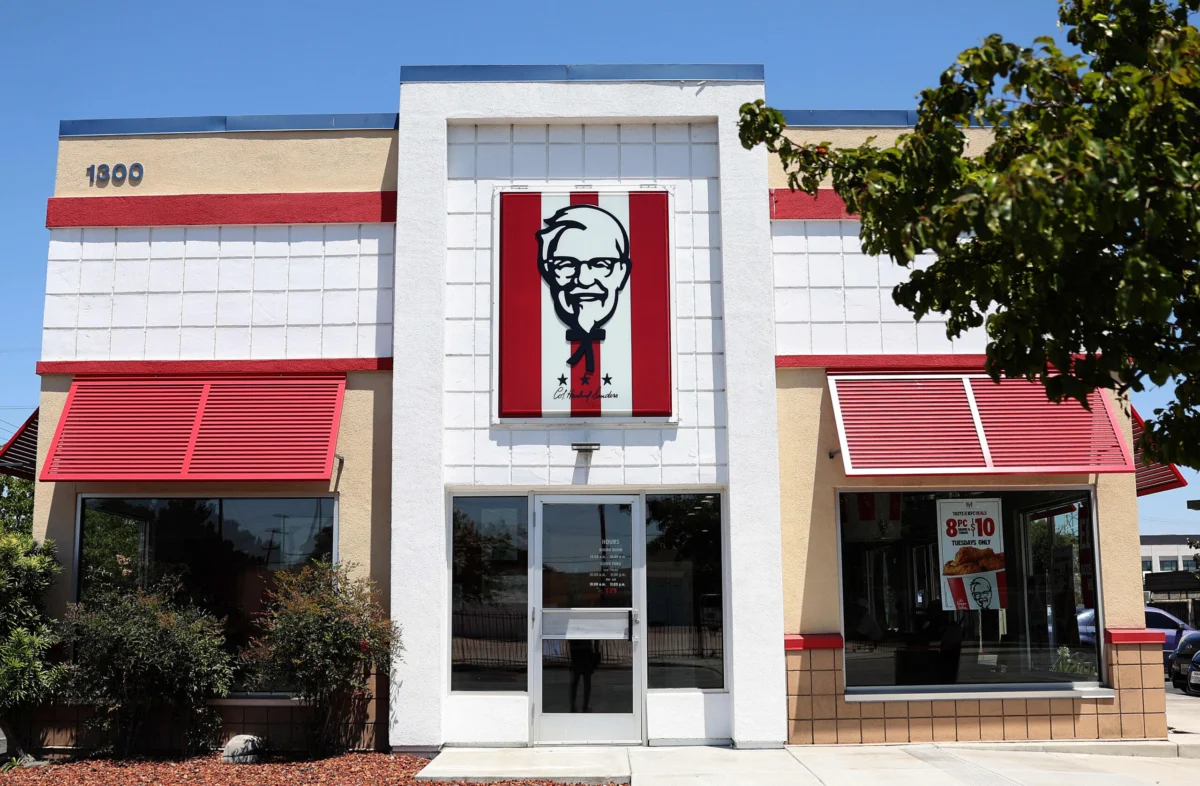
Louisville, Kentucky – In a move signaling a significant strategic pivot, KFC’s U.S. restaurants are set to transition their beverage offerings from PepsiCo products to Coca-Cola beverages, marking the first such change in decades for the iconic fried chicken chain. The announcement, made by the Yum Brands subsidiary on Thursday, confirms a shift that will see Coca-Cola products pouring from KFC fountains across the United States by the end of the first quarter of 2027. While some of KFC’s international markets already feature Coca-Cola, this decision fundamentally alters the beverage landscape within its domestic operations, where PepsiCo has held an exclusive pouring rights agreement since its acquisition of KFC in 1986.
A Legacy of Loyalty: The PepsiCo-KFC Historical Link
The relationship between KFC and PepsiCo is deeply rooted in corporate history. PepsiCo acquired Kentucky Fried Chicken in 1986, a monumental deal that brought the fast-food giant into the beverage company’s portfolio alongside Pizza Hut and Taco Bell. At the time of this acquisition, KFC was a formidable presence in the quick-service restaurant (QSR) sector, ranking as Coca-Cola’s second-largest fountain account globally, surpassed only by McDonald’s. The acquisition instantly transformed KFC’s beverage supplier, cementing PepsiCo as the exclusive provider for its U.S. restaurants.
This arrangement persisted even after PepsiCo spun off its restaurant division in 1997, forming Tricon Global Restaurants, which later rebranded as Yum Brands Inc. in 2002. Despite becoming an independent entity, Yum Brands maintained a steadfast loyalty to PepsiCo across its various chains. This commitment was particularly evident with Taco Bell, where the exclusive partnership with PepsiCo facilitated the creation of iconic, proprietary beverages such as Mountain Dew Baja Blast, a cult favorite that has become synonymous with the brand. For KFC, this long-standing allegiance meant that classic Pepsi, Diet Pepsi, Mountain Dew, and other PepsiCo products were the only choices for American diners for nearly forty years. The impending switch thus represents a profound rupture in a corporate relationship that has defined the beverage experience at KFC for generations of consumers.
The "Kentucky Fried Comeback": A Strategic Imperative
This dramatic change in beverage partners is not merely a logistical decision; it is a critical component of KFC’s broader strategy to revitalize its U.S. business, a turnaround effort dubbed the "Kentucky Fried Comeback." For years, KFC has grappled with intense competition from rivals in the highly competitive fried chicken segment, notably Chick-fil-A and Popeyes Louisiana Kitchen, both of which have seen significant growth and captured market share from the original fried chicken purveyor. These competitors have often been praised for their menu innovation, customer service, and distinct brand appeal, prompting KFC to re-evaluate every aspect of its offering.
In an internal memo to franchisees and employees, obtained by CNBC, KFC U.S. President Catherine Tan-Gillespie articulated the strategic rationale behind the move. "This decision is a critical step in the Kentucky Fried Comeback," Tan-Gillespie wrote. "A new beverage offering, with a new partner in Coca-Cola, gives us a platform to innovate, meet changing tastes and give customers more reasons to choose us." This statement underscores the belief that the beverage program is not just an ancillary offering but a central pillar in attracting and retaining diners in today’s demanding QSR landscape. The partnership with Coca-Cola is expected to unlock new avenues for beverage innovation, allowing KFC to introduce a wider array of drinks that cater to evolving consumer preferences and differentiate itself from competitors.
The Evolving Role of Beverages in Fast Food
In the modern fast-food industry, beverages have transcended their traditional role as simple thirst quenchers to become a crucial battleground for attracting and engaging consumers. Chains like McDonald’s and Taco Bell have demonstrated the power of an expanded and innovative drink menu, introducing popular options such as refreshers, specialty iced coffees, and "dirty sodas" – customized soda concoctions often featuring cream or flavored syrups. These offerings not only boost average transaction values but also contribute to a more dynamic and personalized customer experience, encouraging repeat visits.
KFC itself has recognized this trend and has been experimenting with new beverage concepts. The company recently unveiled innovative drink options, including iced coffees and shakes, at its "Open House" innovation restaurant in McKinney, Texas. This initiative signaled KFC’s intent to diversify its drink menu beyond traditional sodas. Coca-Cola, for its part, has actively positioned itself as a partner in this innovation drive. Earlier this year, Coca-Cola executives told CNBC that the company has been instrumental in helping many of its restaurant partners develop and launch new, customized beverage programs, leveraging its extensive portfolio and marketing expertise. The switch to Coca-Cola, therefore, is not merely about swapping one cola for another, but about leveraging a new partner’s capabilities to drive a comprehensive beverage strategy that aligns with contemporary consumer tastes and competitive pressures.
Operational Logistics and Timeline
The transition from PepsiCo to Coca-Cola across thousands of U.S. KFC restaurants represents a monumental logistical undertaking. This process will involve the removal of existing PepsiCo dispensing equipment, the installation of new Coca-Cola fountain systems, and the retraining of staff on new product lines and operational procedures. Supply chain adjustments for syrups, cups, and other related materials will also be extensive. Despite the complexity, KFC U.S. President Catherine Tan-Gillespie has set an ambitious target, stating that the company expects to have Coca-Cola beverages flowing in all of its U.S. restaurants by the end of the first quarter of 2027. This timeline suggests a phased rollout, likely prioritizing key markets or high-volume locations initially, before a broader system-wide conversion.
While KFC is making this significant change in its U.S. market, Tan-Gillespie also clarified that PepsiCo will remain an important partner for KFC’s parent company, Yum Brands, and will continue to supply beverages to KFC’s international markets where those agreements are in place. This indicates a more nuanced approach, acknowledging PepsiCo’s continued global presence and its ongoing relationships with sister brands like Taco Bell and Pizza Hut, which are likely to maintain their PepsiCo partnerships.
The Intensifying "Cola Wars": A Shifting Landscape of Alliances
The rivalry between Coca-Cola and PepsiCo for pouring rights in the restaurant industry, famously known as the "cola wars," has been a perennial feature of the beverage market. These partnerships are not only about securing sales volume but also about brand visibility and market dominance. For decades, major QSR chains have been coveted prizes, with exclusive agreements often lasting for many years, making it rare for large restaurant chains to switch beverage providers.
However, recent years have seen a notable increase in the fluidity of these alliances, indicating an intensified battle for market share. In 2024, PepsiCo secured a significant victory by poaching Subway, the largest U.S. restaurant chain by number of locations, from Coca-Cola. This move was a substantial blow to Coca-Cola, highlighting the aggressive competitive strategies employed by both beverage giants. Conversely, Coca-Cola has also made considerable gains, successfully wooing away several notable PepsiCo customers in recent years, including regional powerhouses like Culver’s, as well as national chains such as Arby’s and Panda Express. These shifts underscore a dynamic landscape where beverage companies are actively pursuing strategic partnerships, offering not just products but also innovation support, marketing collaboration, and robust supply chain solutions to secure lucrative contracts. KFC’s defection to Coca-Cola is the latest, and one of the most historically significant, moves in this ongoing, high-stakes competition.
Implications for KFC: Innovation, Perception, and Market Position
For KFC, the switch to Coca-Cola carries multiple implications. Foremost, it opens the door to an entirely new suite of beverage innovations. Coca-Cola’s extensive portfolio includes not only its flagship cola but also popular brands like Sprite, Fanta, Minute Maid, Powerade, and various iced tea and coffee offerings, many of which are not directly replicated in PepsiCo’s lineup. This expanded selection could allow KFC to introduce unique drink combinations, seasonal specials, and a broader array of non-carbonated options, potentially appealing to a wider demographic and enhancing the overall customer experience. The move also carries a symbolic weight, signaling to consumers and competitors alike that KFC is serious about modernizing its brand and evolving its menu. This refresh could positively impact brand perception, aligning KFC with a beverage partner that many consumers associate with a broader range of dining experiences and a more diverse product offering. Ultimately, the success of this switch will be measured by its contribution to the "Kentucky Fried Comeback" – whether it translates into increased foot traffic, higher customer satisfaction, and a stronger competitive position against its rivals.
Implications for Coca-Cola: Market Share and Strategic Foothold
For The Coca-Cola Company, securing KFC’s U.S. business is a substantial victory. It represents the acquisition of a major national fountain account, adding significant volume to its foodservice division and expanding its market share within the highly competitive QSR segment. This win also demonstrates Coca-Cola’s ability to compete aggressively for long-standing accounts, reinforcing its position as the dominant beverage supplier in many sectors of the restaurant industry. The partnership with KFC provides Coca-Cola with another prominent platform for brand visibility and consumer engagement, further solidifying its presence in the daily lives of millions of Americans. Moreover, it allows Coca-Cola to showcase its capabilities as an innovation partner, potentially attracting other QSR chains looking to revitalize their beverage programs.
Implications for PepsiCo: A Significant Loss and Future Focus
For PepsiCo, the loss of KFC’s U.S. business is undoubtedly a significant setback. It marks the end of a decades-long exclusive partnership with one of the most recognizable fast-food brands in the country. While the financial impact will be managed, the symbolic blow of losing such a historically linked partner is considerable in the "cola wars." However, PepsiCo remains a formidable player in the QSR space, maintaining strong relationships with other major chains. Its ongoing partnership with Yum Brands for Pizza Hut and Taco Bell, particularly the iconic Mountain Dew Baja Blast relationship with Taco Bell, highlights its continued strategic importance within the broader Yum Brands portfolio. PepsiCo will likely intensify its efforts to secure new partnerships and strengthen existing ones, leveraging its diverse portfolio of beverages, snacks, and food service solutions to mitigate the impact of this loss and sustain its competitive standing.
Industry-Wide Impact: A New Era of Beverage Innovation
The KFC-Coca-Cola switch is indicative of a broader trend within the QSR industry: the increasing recognition of beverages as a key differentiator and revenue driver. As competition intensifies and consumer preferences evolve, restaurants are moving beyond basic soda offerings to embrace more sophisticated and diverse drink menus. This shift is likely to spur further innovation from both Coca-Cola and PepsiCo, as they vie to offer the most attractive and customizable beverage solutions to their restaurant partners. The focus will not just be on traditional carbonated soft drinks but also on specialty coffees, teas, flavored waters, energy drinks, and functional beverages. This competitive environment ultimately benefits consumers, who will likely see a wider array of exciting and tailored drink options at their favorite fast-food establishments. The coming years are poised to be a period of intense beverage innovation and strategic realignments within the quick-service restaurant sector, with the KFC-Coca-Cola deal serving as a powerful catalyst for this transformation.
