

As the grocery retail sector navigates a complex confluence of persistent inflation, evolving consumer behaviors, and an intensely competitive landscape, traditional strategies for maintaining profitability and driving sales are proving increasingly insufficient. Shoppers, acutely sensitive to price fluctuations, are demonstrating a pronounced shift towards value-seeking, often fragmenting their purchasing across multiple retailers. This dynamic has significantly bolstered the market share of discounters and warehouse clubs, compelling established grocers to innovate and recalibrate their operational paradigms. In response, a growing number of industry players are strategically deploying artificial intelligence (AI) and data-driven solutions, not merely to protect their margins but also to enhance customer experience and tackle the pervasive challenge of food waste.
The Shifting Sands of Grocery Retail: Inflation and Competition
The economic backdrop for this transformation is characterized by a period of sustained high inflation, which has impacted household budgets across the board. While headline inflation figures may fluctuate, the cost of food has remained a significant concern for consumers. According to the U.S. Bureau of Labor Statistics, food-at-home prices, after a multi-decade high surge in 2022, continued to rise, albeit at a slower pace, throughout 2023, keeping consumer spending under pressure. This prolonged inflationary environment has fundamentally altered shopping habits. Data from a recent Deloitte study highlights that a staggering 89% of consumers are actively seeking discounts and deals, making price a paramount factor in their purchasing decisions. Further corroborating this trend, Numerator data indicates that shoppers are now visiting approximately 23% more retailers to fulfill their grocery needs, illustrating a decline in brand loyalty and an intensified hunt for the best value.
This fragmentation of shopping trips represents a direct challenge to the traditional grocery model, where customer loyalty and convenience often underpinned sales. With consumers increasingly willing to travel further or utilize multiple platforms to secure savings, blanket promotions and marginal price adjustments have lost their efficacy. The beneficiaries of this shift have largely been discounters like Dollar General and warehouse clubs such as Costco, which are inherently structured to offer competitive pricing and bulk savings. For conventional grocers, the imperative is clear: adapt or risk erosion of market share. This pressure has catalyzed a deeper embrace of technology, specifically AI, to craft more precise and impactful strategies.
The Pervasive Problem of Food Waste: An Economic and Environmental Burden
Beyond the immediate pressures of inflation and competition, the grocery industry grapples with a long-standing and substantial issue: food waste. Historically, an alarming proportion of food inventory in American grocery stores – estimated at about 30% annually – ends up in landfills. This translates to an estimated nearly $18.2 billion in lost value each year, a staggering figure that represents both a direct financial drain on businesses and a significant environmental burden. Globally, the Food and Agriculture Organization (FAO) of the United Nations estimates that roughly one-third of the food produced for human consumption is lost or wasted, amounting to about 1.3 billion tonnes per year. This waste contributes significantly to greenhouse gas emissions, particularly methane from decomposing organic matter in landfills, exacerbates resource depletion (water, land, energy used in production), and represents a profound ethical dilemma in a world facing food insecurity.
For perishable items, which constitute a substantial portion of grocery inventory, the risk of spoilage and subsequent waste is particularly high. Products nearing their "best-by" dates often become unsellable at full price, leading to markdowns that sometimes fail to move inventory, or outright disposal. In an era where every penny counts for both consumers and businesses, mitigating this "shrink" – the industry term for lost or wasted inventory – has become a critical strategic objective. The confluence of economic necessity and growing environmental consciousness has thus created a fertile ground for innovative solutions that can address both profitability and sustainability.
AI Emerges as a Strategic Imperative for Dynamic Pricing
In this challenging environment, AI is rapidly moving from a technological novelty to a strategic imperative. Grocers are leveraging AI’s analytical prowess to move beyond rudimentary pricing models and embrace dynamic, data-driven approaches. The core principle is to use sophisticated algorithms to analyze vast datasets – including sales history, inventory levels, expiration dates, consumer demand patterns, local events, and even competitor pricing – to make real-time, highly targeted pricing decisions. This represents a significant departure from the traditional playbook, where pricing adjustments were often broad, reactive, and less granular.
The application of AI in this context is particularly impactful for perishable inventory. Instead of a blanket markdown strategy that might apply a fixed discount to an entire category of nearing-expiration goods, AI can identify specific items, in specific stores, at specific times, that are most likely to sell at a particular discounted price. This precision not only maximizes the chances of selling the product before it spoils but also optimizes the discount level, preventing unnecessary margin erosion.
Kroger’s Pioneering Approach with Flashfood
Among the major players at the forefront of this technological adoption is Kroger, one of the largest grocery retailers in the United States. Recognizing the dual challenge of competitive pricing and food waste, Kroger has strategically invested in AI-driven solutions to enhance its operational efficiency and customer value proposition. During the company’s most recent quarterly earnings call, Kroger Chairman Ronald Sargent articulated this vision, stating, "We see AI as a meaningful opportunity to both improve the customer experience and drive productivity across our business. We’re already seeing results from more competitive pricing." This statement underscores Kroger’s commitment to leveraging AI as a core component of its future growth strategy, aiming for a virtuous cycle where technological investment leads to better customer outcomes and stronger financial performance.
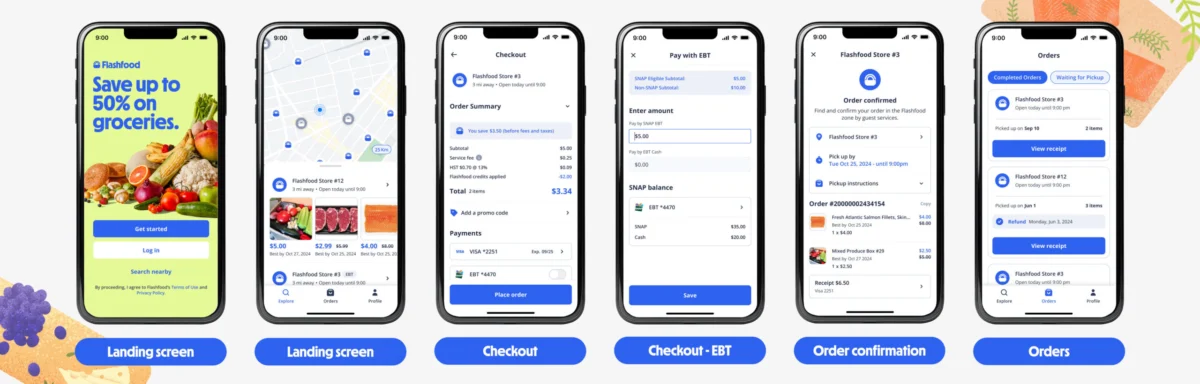
A significant element of Kroger’s AI-driven strategy involves its partnership with Flashfood, a digital platform designed to connect shoppers with discounted food items nearing their best-by dates. This collaboration exemplifies how technology can bridge the gap between surplus inventory and value-seeking consumers. Kroger’s adoption of Flashfood is not merely a pilot program but a substantial rollout, with the company expanding the service to more than 100 additional stores this month, building upon an existing footprint that already spans over 2,000 locations across North America. This widespread integration signals a strong belief in the platform’s ability to deliver tangible results.
Flashfood: A Deep Dive into the Solution
Flashfood operates as an innovative intermediary, creating a seamless marketplace for surplus perishable food. The platform’s CEO, Jordan Schenck, emphasizes the paradigm shift in consumer behavior, noting, "Not only is everyone now a value shopper, but shoppers have the information and resources available to find the best deal. This raises the stakes in terms of competition between grocers, because they’re now competing with value-specific retailers." Flashfood’s solution addresses this by offering a tech-enabled avenue for grocers to provide value without resorting to broad, brand-eroding "yellow sticker" markdowns.

The operational model is straightforward and consumer-friendly. Shoppers download the Flashfood app, which allows them to browse a curated selection of food items from participating local grocery stores that are approaching their best-by dates. These items are typically offered at significant discounts, often up to 50% off or more. Once a selection is made, users purchase and pay for the items directly through the app. The final step involves picking up their orders from a designated "Flashfood zone" within the store, often a dedicated refrigerator, ensuring convenience and freshness. This streamlined process transforms what would otherwise be wasted food into incremental revenue for grocers and affordable sustenance for consumers.
For retailers, the pitch from Flashfood is compelling: it allows them to convert "shrink" – food that would have been discarded – into sales, thereby directly impacting their bottom line. The platform’s AI capabilities are crucial here, enabling dynamic pricing that balances discount attractiveness with profit preservation. By targeting discounts precisely on individual items rather than entire categories, Flashfood empowers stores to improve sell-through rates while minimizing waste, moving closer to the ultimate goal of more perishable food sold and less product ending up in landfills.
Tangible Benefits: Beyond Just Waste Reduction
The impact of Flashfood’s model extends beyond merely reducing food waste and generating incremental revenue from distressed inventory. Partnering grocers, including Kroger and regional chains such as Piggly Wiggly, Loblaws, and Gelson’s, have reported significant operational improvements. On average, Flashfood states that its partners have reduced shrink by an impressive 27%. This directly translates to millions of dollars saved annually for larger chains, improving profitability in an industry notorious for thin margins.
Furthermore, the platform acts as a powerful traffic driver. Flashfood reports that shoppers utilizing the app make nearly four additional trips to the grocery store per month on average. Crucially, these visits are not solely for discounted items; consumers spend approximately $28 more per visit on full-priced items beyond their Flashfood purchases. This "halo effect" demonstrates that the app attracts value-conscious customers who then engage in broader shopping, boosting overall store sales and fostering greater customer loyalty. It transforms what might have been a single-purpose discount trip into a more comprehensive shopping experience, proving that offering targeted value can be a gateway to increased engagement and revenue.
Data-Driven Decisions: The New Competitive Edge
Perhaps one of the most significant, yet often underestimated, benefits of these AI-powered systems is the wealth of data they generate. Each transaction, each browse, each purchase through platforms like Flashfood contributes to a vast reservoir of consumer behavior data. This data provides retailers with unprecedented insights into what products sell, at what price point, and at what stage of their shelf life. Such granular understanding is invaluable, particularly in categories like fresh produce, meats, dairy, and bakery items, where margins are notoriously tighter and the risk of spoilage is highest.
By analyzing these patterns, grocers can refine their inventory management, optimize ordering, and tailor future pricing strategies with greater precision. They can identify peak demand times for specific discounted items, understand price elasticity for different product categories, and even predict future shrink more accurately. Bill Kirk, an analyst at Roth Capital Partners, highlights Kroger’s leadership in this area: "Grocery stores have some of the best personalized data, but not all grocery stores know what to do with the data. Kroger has been at the forefront of recognizing the importance of their data and the insights that can be derived." Kirk maintains a "buy" rating on Kroger stock with a $78 price target, reflecting confidence in the company’s strategic use of data and AI to drive future performance. This analyst perspective underscores the long-term value creation potential inherent in robust data analytics capabilities.
Broader Industry Implications and Future Outlook
The trend exemplified by Kroger and Flashfood signals a profound transformation within the grocery retail sector. The intelligent application of AI is poised to become a critical differentiator, separating agile, data-driven retailers from those adhering to outdated operational models.
For Consumers: This shift promises greater accessibility to affordable, quality food, particularly for budget-conscious households. It empowers consumers to make more ethical choices by reducing food waste and potentially encourages more frequent visits to their local grocers, fostering community connection.
For Grocers: The benefits are multifaceted: enhanced profitability through reduced shrink and incremental sales, improved operational efficiency, deeper customer insights leading to more effective personalization, and a strengthened competitive position against discounters. It allows grocers to strategically offer value without undermining their brand or overall pricing structure.
For the Environment: The environmental impact of significantly reducing food waste is substantial. Diverting millions of pounds of food from landfills translates to reduced greenhouse gas emissions, conserved natural resources, and a more sustainable food system. This aligns with global sustainability goals and caters to a growing consumer demand for environmentally responsible businesses.
Challenges and Considerations: While the outlook is largely positive, challenges remain. Ensuring consumer trust in "best-by" date products, managing the logistical complexities of dynamic pricing across vast inventories, and addressing potential data privacy concerns will be crucial for widespread adoption. However, the clear economic and environmental imperatives are driving innovation forward.
Bridging the gap between surplus inventory and value-seeking shoppers through intelligent technology is emerging as one of the clearest opportunities for grocers to improve profitability and sustainability simultaneously. As AI continues to evolve, its integration into every facet of the grocery supply chain, from predictive demand forecasting to automated inventory management and personalized marketing, will only deepen. The collaboration between retailers like Kroger and innovative platforms like Flashfood represents a blueprint for a more efficient, equitable, and environmentally conscious future for grocery retail, where technology serves as a powerful catalyst for both commercial success and societal benefit.
