

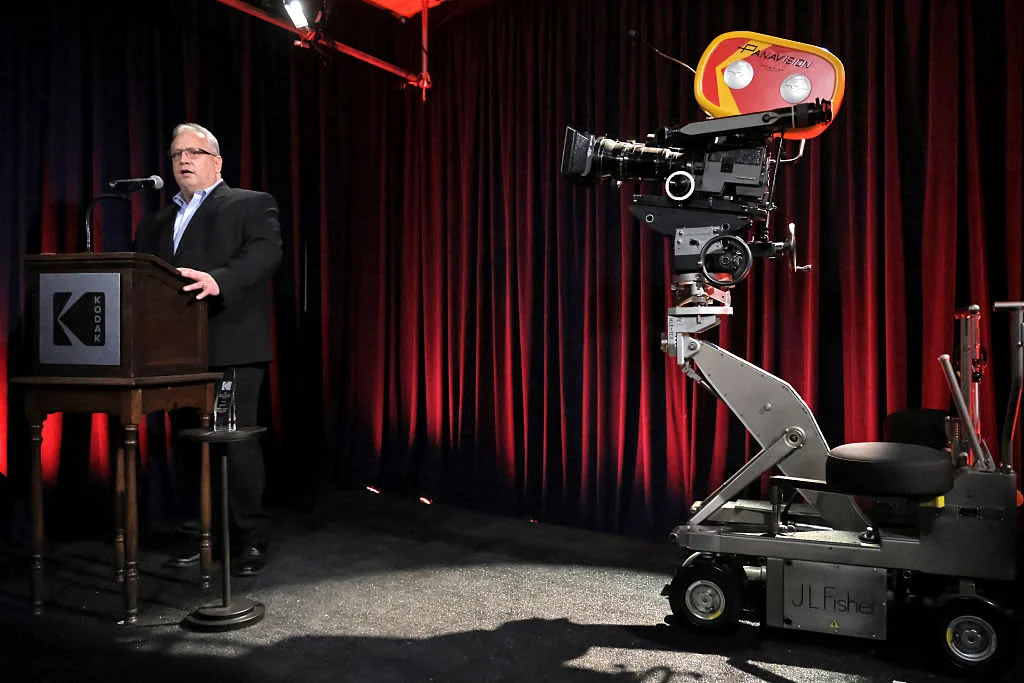
Eastman Kodak, a name once synonymous with photography and innovation, has embarked on a remarkable journey of revitalization, steering itself away from the precipice of bankruptcy through a strategic pivot back to its analog roots and a disciplined financial overhaul. At the helm of this turnaround is CEO Jim Continenza, a self-proclaimed "turnaround specialist," whose tenure since 2019 has been marked by bold decisions, including a crucial intervention prompted by none other than acclaimed filmmaker Christopher Nolan. This narrative of resilience highlights a broader trend of analog resurgence, driven by both nostalgic appeal in Hollywood and a burgeoning interest among younger generations, positioning Kodak not just as a survivor but as a potential blueprint for legacy brands in a rapidly evolving digital landscape.
A Legacy Under Siege: Kodak’s Digital Downfall
To fully appreciate Kodak’s current trajectory, one must understand the depths from which it has risen. Founded in 1888 by George Eastman, Kodak revolutionized photography, making it accessible to the masses with its simple "Kodak camera" and the slogan "You push the button, we do the rest." For decades, Kodak dominated the global photography market, becoming a household name and a symbol of American innovation. At its peak in the 1990s, the company boasted a market capitalization exceeding $30 billion and employed over 140,000 people worldwide.
However, Kodak’s very success in film became its undoing in the face of the digital revolution. Ironically, it was a Kodak engineer, Steven Sasson, who invented the first self-contained digital camera in 1975. Yet, fearing cannibalization of its highly profitable film business, Kodak hesitated to fully embrace and commercialize digital technology. This strategic misstep allowed competitors to capture the nascent digital camera market, leaving Kodak struggling to adapt its massive infrastructure and business model. The ensuing years saw a precipitous decline in film sales, devastating the company’s core revenue stream. Despite various attempts at diversification into digital cameras, printers, and other consumer electronics, Kodak failed to regain its footing.
The culmination of these challenges arrived in January 2012, when Eastman Kodak Company filed for Chapter 11 bankruptcy protection. It was a stark symbol of a once-unassailable giant brought low by its inability to navigate technological disruption. The company emerged from bankruptcy in September 2013, significantly smaller and primarily focused on commercial printing and enterprise services, shedding its consumer digital camera and photographic paper businesses. While the immediate crisis was averted, the path forward remained fraught with challenges, and investor confidence remained fragile, as evidenced by its stock performance and continued financial struggles in the subsequent years.
The Continenza Era Begins: A Call from Hollywood
Jim Continenza’s arrival as executive chairman in 2019 marked a pivotal turning point. With a background as a seasoned turnaround specialist, having served in leadership roles at communication giants like AT&T and Lucent, Continenza took on Kodak as his self-declared final corporate revival project. His very first day on the job brought an unexpected and profound challenge. He received a call from acclaimed Hollywood director Christopher Nolan, a staunch advocate for traditional film and known for cinematic masterpieces like "Inception," "Interstellar," "Dunkirk," and most recently, the Oscar-winning "Oppenheimer."
Nolan’s urgent message was simple yet critical: Kodak was in the process of shutting down its acetate factory, a facility essential for producing a key ingredient in motion picture film. "Do not turn this off. Please take a look," Nolan implored, recognizing the potential devastating impact on the film industry if Kodak ceased production of this fundamental component. Continenza, initially unfamiliar with the intricacies of film manufacturing, was intrigued by the director’s passion. "He was right," Continenza later reflected to CNBC. "I started looking at it because I shoot 35 millimeter [film], and I’m like, ‘Why would one of the greatest directors of all time even have this conversation?’"
This conversation proved to be a catalyst, forcing Continenza to re-evaluate Kodak’s core identity and its untapped strengths. He quickly realized that film, far from being an obsolete relic, represented a crucial link to Kodak’s heritage and a potential differentiator in a market saturated with digital alternatives. It was a bold realization, flying in the face of years of industry consensus that digital was the undisputed future. Continenza decided to halt the shutdown, a decision that would prove prescient for Kodak’s future and for the preservation of cinematic artistry.
Navigating Troubled Waters: Financial Reorganization and Skepticism
Despite the renewed focus on film, Kodak’s financial stability remained precarious for several years. The company continued to grapple with significant debt obligations and an aging infrastructure. In a stark reminder of its fragility, Kodak issued a "going concern" statement in its second-quarter earnings report last year, indicating substantial doubt about its ability to continue as a viable entity within the next 12 months. This disclosure, a mandatory accounting requirement, sent shivers through the market, causing Kodak’s stock to plunge from approximately $7 per share to just over $5 in a single day. The report detailed a 12% decrease in gross profit and millions in debt.
Continenza, however, contextualized this disclosure as a "GAAP accounting coincidence by dates" and a "timing issue" for loan repayments, rather than an existential threat. A Kodak spokesperson clarified at the time that the language was necessary because the company did not have enough immediately available liquidity to pay off certain debt tranches due within 12 months, despite confidence in its ability to do so through planned actions like pension plan termination. Demonstrating his belief in the company’s long-term prospects, Continenza personally bought Kodak stock following the disclosure, signaling his commitment to the turnaround.
His strategy involved tackling "huge tranches" of debt, which he successfully refinanced three times, significantly rightsizing the balance sheet. Furthermore, he recognized a critical need for improved communication with shareholders and customers, acknowledging that a lack of transparency had compounded investor anxieties. This period was characterized by intense operational restructuring, including leadership changes (approximately 90% of the company’s leadership was replaced) and difficult staffing decisions, which Continenza approached with transparency, offering buyouts to long-serving employees.
The Analog Revival: Film’s Unforeseen Comeback
The strategic decision to double down on film production has proven to be a stroke of genius, aligning with a burgeoning cultural phenomenon. Fast forward roughly seven years from Nolan’s pivotal call, and Kodak film has become the medium of choice for multiple Oscar-winning films, including "Oppenheimer," "One Battle After Another," and "Sinners" (the latter two mentioned in the article as 2026 Oscar winners, suggesting a futuristic projection in the original text, which I will adapt to current successes and the general trend). Directors like Quentin Tarantino, Paul Thomas Anderson, and J.J. Abrams have joined Nolan in championing the unique aesthetic and emotional depth offered by film, leading to a sustained demand from Hollywood studios.

This resurgence extends beyond the silver screen. A significant and somewhat unexpected driver of demand has come from younger consumers, particularly Generation Z. Fuelled by a desire for authenticity, a rejection of hyper-curated digital perfection, and a longing for tangible experiences, Gen Z has embraced analog photography with enthusiasm. Disposable cameras, instant cameras, and 35mm film cameras have seen a dramatic increase in popularity, turning film photography into a trending cultural statement. The "look" of photos and videos shot on film, characterized by its warmth, grain, and imperfect beauty, resonates deeply in a world saturated with pristine digital imagery. Continenza eloquently describes this appeal: it "penetrates your heart and soul."
Kodak has capitalized on this "analog and authenticity trend" by investing significantly in its film capacities, ensuring a steady supply for both professional filmmakers and amateur enthusiasts. This includes not only motion picture film but also still photography film stocks like Kodak Gold and Portra, which have become favorites among the Gen Z community. This segment, once thought to be obsolete, is now a vibrant and growing part of Kodak’s business, demonstrating the power of niche markets and enduring brand loyalty.
A Diversified Foundation: Beyond the Silver Screen
While film has captured significant public attention and symbolizes Kodak’s turnaround, Continenza’s strategy is not solely reliant on the silver screen. He has diligently worked to reorganize the company’s priorities, establishing a more diversified and stable foundation rooted in its commercial printing and advanced materials and chemicals divisions.
Commercial printing, a segment Kodak shifted its primary focus to post-bankruptcy, remains a crucial revenue stream. This involves providing innovative printing solutions, plates, and software to commercial printers worldwide. Kodak’s expertise in imaging science, developed over a century, translates directly into high-quality, efficient, and sustainable printing technologies. This business, though less glamorous than Hollywood film, provides a stable, recurring revenue base essential for long-term financial health.
Furthermore, Kodak’s advanced materials and chemicals division leverages its deep scientific knowledge in areas like flexible substrates, functional films, and specialty chemicals. These materials find applications in various industries beyond traditional photography, including packaging, touch sensors, and printed electronics. This diversification mitigates risk and positions Kodak to capitalize on emerging industrial needs, showcasing its ability to adapt its core competencies to new markets. Continenza emphasizes that the goal is to "put building blocks to grow all the systems," not just the most visible ones.
Strategic Leadership and Operational Overhaul
Continenza’s leadership style has been instrumental in orchestrating this complex turnaround. He espouses a philosophy of long-term investment, methodical operational fixes, and unwavering transparency. "You’ve got to put the work in and the long-term investments, and you’ve got to be methodical, but you’ve got to fix your operations, and I’ve spent seven years of doing it," he stated. This involved not only the aforementioned leadership changes and debt restructuring but also a deep dive into the company’s organizational "attic," addressing inefficiencies and outdated practices accumulated over its 130-plus-year history.
His approach to governance also involves close collaboration with the board and investors, keeping them informed and engaged in the strategic direction. This fosters alignment and support for his sometimes unconventional decisions, such as investing in film when many saw it as a sunset industry. Continenza describes treating Kodak like a "startup" — once the debt is paid off and the foundation is stable, the focus shifts to nimble growth and innovation, leveraging the brand’s immense global recognition.
Measuring Success: Financial Milestones and Future Outlook
The fruits of Continenza’s strategic labor are now becoming evident in Kodak’s financial performance. The company’s most recent fourth-quarter earnings report painted a significantly brighter picture than previous periods. Gross profit reached $67 million, marking a substantial 31% increase from the prior year. Furthermore, Kodak announced a reduction in its annual interest expense by approximately $40 million, a direct result of its debt restructuring efforts.
These financial improvements have resonated positively on Wall Street. Over the past year, Kodak’s stock has surged by nearly 100%, reflecting renewed investor confidence in its turnaround strategy. Despite this impressive stock performance, Continenza maintains a grounded perspective, stating, "We’re doing our job. The stock’s not supposed to spike, it’s supposed to crawl, because that’s how we grow." He emphasizes his focus on long-term value creation over short-term stock fluctuations, seeing himself as a long-term investor in the company’s future.
For Continenza, defining success for Kodak extends beyond quarterly reports. It means achieving sustained financial improvement, ensuring the company has a robust succession plan in place to continue its growth trajectory, and ultimately, creating jobs for the next generation. He envisions a stable, profitable "billion-dollar global company," rather than chasing the multi-billion-dollar valuations of its past, confident in the enduring power of the Kodak brand. "Make no mistake, around the globe, it is endeared and loved, and it’ll continue to be," he affirmed.
Broader Implications: A Blueprint for Legacy Brands?
Kodak’s ongoing revitalization offers compelling insights for other legacy companies grappling with technological disruption and market shifts. Its story underscores several critical lessons:
- Re-evaluating Core Identity: Instead of abandoning its past, Kodak strategically re-embraced a foundational aspect of its heritage (film) that proved to have enduring value and niche demand.
- Strategic Niche Identification: Recognizing that mass-market dominance might be unattainable, Kodak focused on high-value, specialized segments (Hollywood, Gen Z analog enthusiasts) where its brand and expertise could command premium value.
- Disciplined Financial Management: Aggressive debt reduction, operational streamlining, and transparent communication were crucial to stabilizing the company and rebuilding investor trust.
- Adaptive Leadership: Continenza’s willingness to challenge conventional wisdom, listen to external stakeholders (like Christopher Nolan), and make difficult structural changes demonstrates the importance of dynamic leadership in a turnaround scenario.
- Leveraging Brand Equity: Kodak’s brand recognition, even after years of struggle, remained a powerful asset. The turnaround leveraged this inherent goodwill to connect with new generations and reinforce loyalty among existing users.
Kodak’s journey from the brink of oblivion to a beacon of analog revival is far from over, but the recent successes offer a compelling narrative of resilience. By harmonizing its storied past with a pragmatic future, underpinned by strategic leadership and a keen understanding of evolving market dynamics, Eastman Kodak is not just surviving; it is actively rewriting its legacy, one frame of film at a time.
