

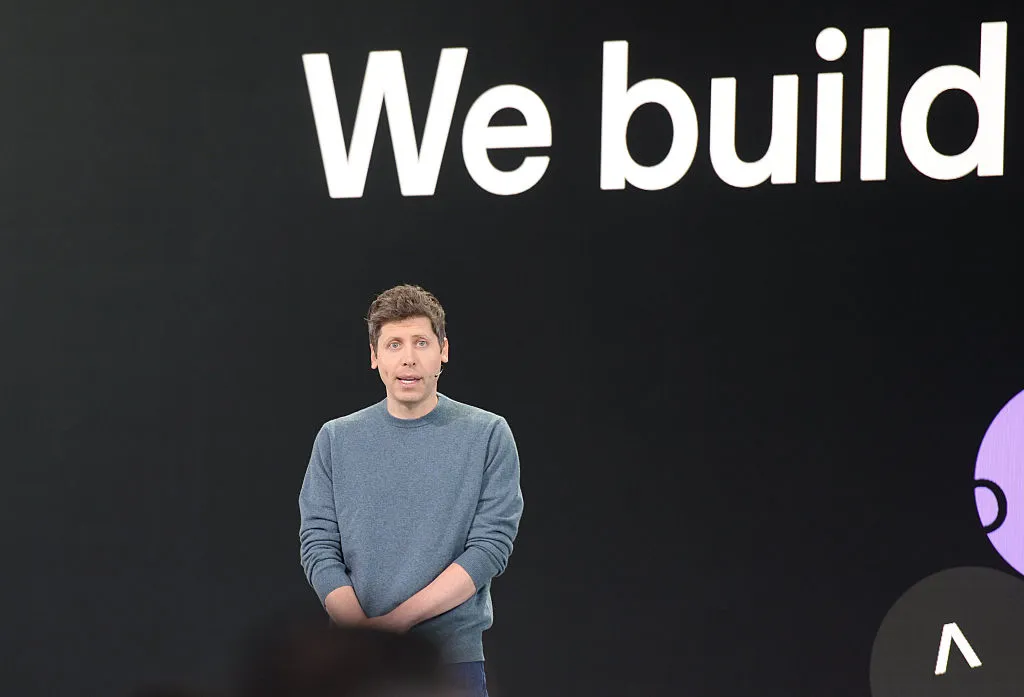
The artificial intelligence industry, a sector defined by relentless innovation and rapid expansion, is navigating a seismic shift following the unexpected departure of one of its most seminal figures: Jensen Huang. The co-founder and long-serving CEO of Nvidia, a company whose graphics processing units (GPUs) are the bedrock of modern AI, stepped down last week from his leadership role. This monumental change, announced amidst a cascade of scandals involving alleged affairs with two employees and an alleged Chinese spy, has sent ripples through the tech world, raising profound questions about corporate governance, national security, and the future trajectory of AI development. Huang’s resignation on November 12, 2026, as reported by TechCrunch, marks the end of an era for Nvidia, a company he co-founded in 1993 and painstakingly built into a technological titan.
Nvidia’s Ascent: A Foundation for the AI Revolution
To fully grasp the magnitude of Huang’s exit, one must understand Nvidia’s indispensable role in the current technological landscape. Initially known for revolutionizing computer graphics with its powerful GPUs, Nvidia pivoted strategically under Huang’s visionary leadership to become the dominant force in AI hardware. The company’s CUDA computing platform, introduced in 2006, transformed GPUs from specialized graphics processors into general-purpose parallel computing engines, unlocking their immense potential for complex computational tasks like machine learning and deep learning. This foresight positioned Nvidia perfectly for the AI explosion of the 2010s, making its chips, particularly the A100 and H100 series, the de facto standard for training and deploying AI models.
Nvidia’s market capitalization has soared into the trillions, reflecting its near-monopoly in high-end AI accelerators. Its revenue streams are heavily driven by data center sales, which predominantly supply chips to cloud providers and AI research labs. For instance, in its fiscal year 2026, Nvidia reported staggering growth, with data center revenue continuing to be the primary catalyst, underscoring its critical position in the global digital infrastructure. Without Nvidia’s cutting-edge hardware, the rapid advancements seen in large language models (LLMs), generative AI, and autonomous systems would be significantly hampered, if not impossible. Huang was not merely a CEO; he was an architect of the AI era, often seen wearing his signature black leather jacket, embodying a blend of technical acumen and entrepreneurial daring.
The Unraveling: A Chronology of Allegations and Departure
The events leading to Jensen Huang’s resignation unfolded rapidly, culminating in a series of damaging revelations that eroded his public image and raised serious concerns within Nvidia’s board and potentially government agencies.
- Early 2026: Initial murmurs and internal investigations reportedly begin regarding Huang’s personal conduct, specifically allegations of affairs with company employees. The specifics of these allegations remained largely internal at this stage.
- March 4, 2026: Nvidia announces a significant $30 billion investment in OpenAI, further cementing the strategic alliance between the chipmaker and the leading AI research company. This investment highlights the deep interconnectedness of the two entities and the critical role Nvidia plays in OpenAI’s operational capabilities. The CNBC report from this date confirms the investment, signaling a period of outward strength and strategic expansion for Nvidia and Huang.
- November 12, 2026: TechCrunch breaks the news of Jensen Huang’s resignation, explicitly linking it to "several scandals involving affairs with two employees and an alleged Chinese spy." This report marks the first public confirmation of the severity and nature of the allegations, particularly the national security dimension. The alleged involvement of a Chinese spy immediately escalated the situation beyond mere corporate governance issues, thrusting it into the realm of geopolitical concern, especially given the ongoing technological rivalry between the United States and China.
- November 15, 2026 (approximate): The public outcry begins to coalesce, leading to the launch of the "Stand with Jensen" petition. This online movement rapidly gains traction, reflecting the profound loyalty and admiration many in the tech community held for Huang.
- November 15, 2026: Speaking onstage at the New York Times DealBook Summit, OpenAI CEO Sam Altman and President Greg Brockman publicly acknowledge their private conversations with Huang. Altman states, "Jensen took one of the earliest big bets on us. We took a big bet on Nvidia. It’s hard to imagine the AI industry without Jensen." Brockman adds a personal touch, revealing that he and his wife are friends with Huang’s family and had reached out "personally, just to be there for him and his family at this time." These statements underscored the deep professional and personal ties between OpenAI and Huang.
- November 17, 2026: During Nvidia’s earnings call, executives address the elephant in the room. They confirm that the company "does not plan to reappoint Huang" as CEO, despite Huang’s own public statement, also on November 17, that he "would be honored if allowed to return." This official stance from Nvidia’s board clearly delineates the company’s decision to move forward without its iconic founder at the helm, signaling a definitive break.
Industry Reactions and Nvidia’s Stance
The immediate aftermath of Huang’s departure saw a mixed bag of reactions, from shock and disbelief to expressions of solidarity and pragmatic assessments of Nvidia’s future.
The "Stand with Jensen" petition, which quickly amassed nearly 200,000 signatures, including endorsements from high-profile figures like Elon Musk, underscored the immense personal influence Huang wielded. Signatories lauded his visionary leadership, his foundational contributions to AI, and his role in building Nvidia into an industry powerhouse. The petition served as a powerful, albeit ultimately unsuccessful, plea for his reinstatement, reflecting a strong belief among many that his strategic genius was irreplaceable.
OpenAI’s leadership, Sam Altman and Greg Brockman, offered carefully worded but unequivocally supportive statements. Altman emphasized the symbiotic relationship: "Jensen took one of the earliest big bets on us. We took a big bet on Nvidia. It’s hard to imagine the AI industry without Jensen." This sentiment highlights the critical interdependence between the leading AI model developer and the leading AI chip producer. Brockman’s personal outreach to the Huang family further humanized the situation, recognizing the personal toll of such a public scandal. He also expressed confidence in Nvidia’s enduring strength: "I think Nvidia is such an incredible company… what Jensen has built there, it clearly is built to last, and so we’re excited to keep partnering and looking to the future."
Despite the widespread support for Huang’s return from the broader tech community, Nvidia’s board and executives maintained a firm stance. The statement during the earnings call, explicitly ruling out his reappointment, suggests a decisive action taken after thorough consideration of the allegations and their potential ramifications. This decision prioritizes corporate stability and adherence to governance principles over the emotional appeal of a founder’s return, even one as revered as Huang. The promptness and clarity of Nvidia’s response aimed to reassure investors and stakeholders that the company’s strategic direction remains robust and unaffected by the leadership transition.
Broader Implications: National Security, Corporate Governance, and the AI Future
The allegations surrounding an "alleged Chinese spy" introduce a complex and potentially far-reaching national security dimension. In an era marked by intense geopolitical competition, particularly in advanced technologies like AI, the involvement of foreign intelligence in a U.S. tech giant’s leadership is a grave concern. Nvidia’s chips are not just commercial products; they are strategic assets, underpinning national defense, scientific research, and critical infrastructure. Any compromise of leadership due to such affiliations could expose sensitive intellectual property, strategic planning, or even supply chain vulnerabilities, potentially giving adversaries an undue advantage. This aspect of the scandal is likely to prompt investigations from relevant government bodies, emphasizing the intersection of corporate ethics and national security.
From a corporate governance perspective, the scandal raises important questions about executive oversight, ethical conduct, and the robustness of internal controls, particularly for a company of Nvidia’s stature. Boards of directors are increasingly scrutinized for their handling of executive misconduct, especially when it involves power dynamics within the workplace and potential conflicts of interest. The swiftness of Huang’s departure, following the public surfacing of allegations, suggests a recognition of the severe reputational and legal risks involved. This event will likely serve as a cautionary tale for other tech companies, reinforcing the need for stringent ethical guidelines and transparent accountability mechanisms at the highest levels of leadership.
For the AI industry at large, Huang’s departure represents a significant inflection point. While Nvidia’s technological foundation is strong, the loss of its visionary founder introduces an element of uncertainty. Huang was not just a manager; he was a technological seer who consistently guided Nvidia to anticipate and shape future trends. His absence leaves a void in strategic leadership that will be challenging to fill. The industry will be closely watching Nvidia’s post-Huang trajectory, particularly how it navigates increasing competition from other chipmakers and the evolving demands of AI development.
Moreover, the incident could subtly impact investor confidence in high-flying tech executives, prompting a closer look at the personal conduct of leaders in critical industries. It underscores the increasing public expectation for ethical leadership, even from figures who have achieved extraordinary commercial success.
In summary, Jensen Huang’s resignation from Nvidia is more than just a leadership change; it is a moment that encapsulates the complexities of modern technological power. It highlights the critical importance of AI hardware, the intense geopolitical competition surrounding it, and the ever-present demands for ethical leadership in an industry that is rapidly reshaping the world. While the AI community reflects on Huang’s indelible legacy, Nvidia, under new leadership, must now forge ahead, demonstrating that the foundation built by its visionary founder is indeed "built to last," even as the industry enters an uncharted new era.
