

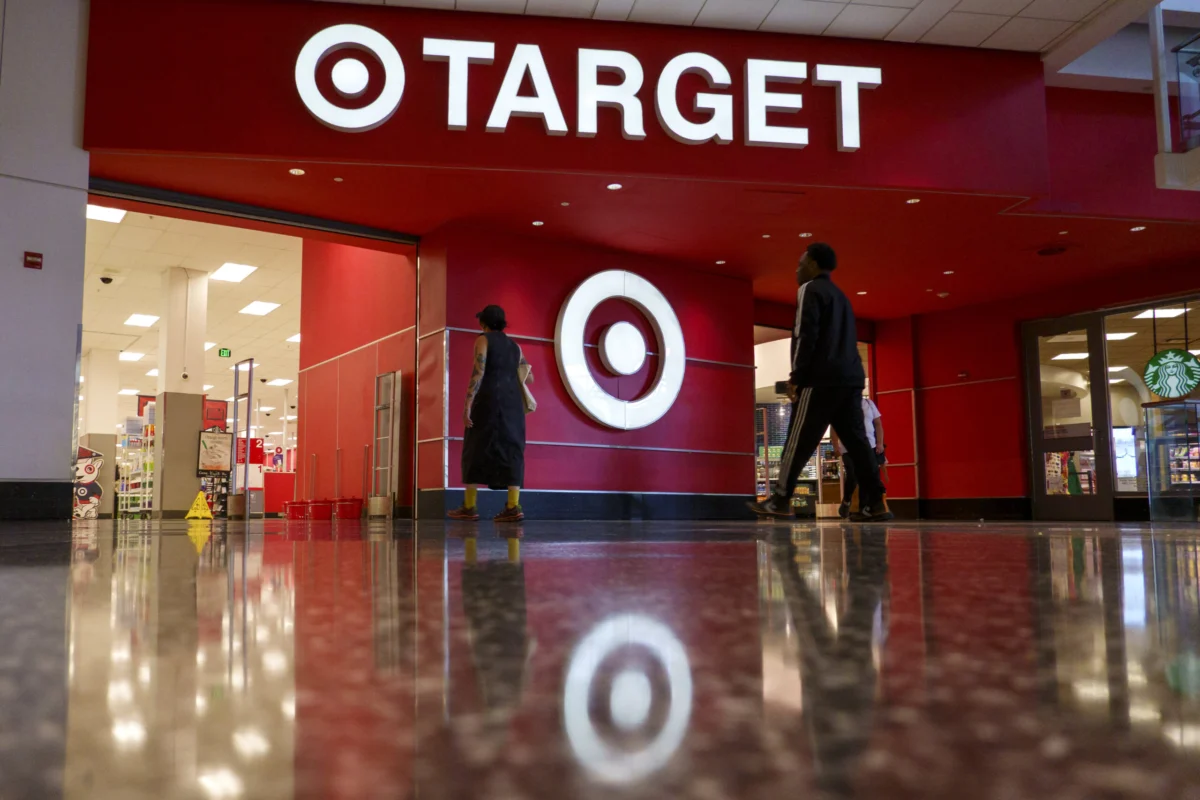
Minneapolis, MN – Target Corporation (TGT) is poised to release its fiscal third-quarter results on Wednesday, August 6, 2026, a highly anticipated event for investors, analysts, and the broader retail sector. The big-box retailer is expected to provide a comprehensive update on the efficacy and trajectory of its ongoing turnaround strategy, particularly as the crucial holiday shopping season rapidly approaches. After several years characterized by stagnant revenue growth, the company has recently shown encouraging indicators of renewed vitality, with stronger sales trends emerging across various segments of its extensive merchandise offerings. This forthcoming report is seen as a critical barometer for the durability and profitability of these recovery efforts.
Anticipating Q3: A Critical Juncture
The fiscal third quarter, which concluded in late October, typically serves as a foundational period for retailers as they build inventory and finalize promotional strategies for the peak Q4 holiday period. For Target, this quarter carries added weight, as it follows a second quarter where the company not only exceeded analyst expectations but also raised its full fiscal-year outlook. In its Q2 2026 earnings call, CEO Michael Fiddelke highlighted "broad-based" strength across its diverse categories, a significant departure from previous quarters that saw uneven performance. This positive momentum has been attributed, in part, to strategic price reductions on over 10,000 items, an initiative designed to re-engage price-sensitive consumers grappling with persistent inflation and dampened consumer sentiment.
Wall Street analysts, as surveyed by LSEG, have set a cautious yet optimistic tone for Target’s Q3 performance. The consensus estimates project adjusted earnings per share (EPS) of $2.25 on revenue of $27.5 billion. This would represent a modest year-over-year revenue increase of approximately 2.8%, a figure that, while not robust, signals continued progress from the flat revenue trends observed in fiscal years 2023 and 2024. Comparable sales growth, a key metric for retailers, is expected to come in at around 1.5%, driven primarily by increased traffic to its physical stores and a slight uptick in average basket size. Investors will also be scrutinizing gross margin performance, with expectations hovering around 27.8%, reflecting the delicate balance between aggressive pricing strategies and managing input costs.
The Turnaround’s Genesis: Navigating Post-Pandemic Shifts
Target’s journey to its current turnaround phase began in earnest following a challenging period marked by significant shifts in consumer behavior and a volatile economic landscape. The euphoria of pandemic-driven spending on home goods and discretionary items waned considerably by late 2022 and early 2023. As consumers shifted their spending back to services and faced the brunt of escalating inflation, Target, like many retailers, found itself with excess inventory, particularly in categories that had boomed during the lockdown era, such as home furnishings, electronics, and apparel.
For fiscal year 2023, Target reported its first annual revenue decline in over a decade, with comparable sales dipping by 1.7%. This period saw a noticeable decline in foot traffic and a struggle to maintain market share against agile e-commerce giants and aggressive discount retailers. Consumer sentiment, as measured by indices like the University of Michigan Consumer Sentiment Index, plunged to multi-year lows, often hovering below 60 points throughout 2023 and early 2024, signaling widespread pessimism about personal finances and the broader economy. This challenging backdrop necessitated a comprehensive strategic re-evaluation.
Strategic Initiatives and Price Adjustments
In response to these headwinds, Target initiated a multi-pronged turnaround strategy throughout 2024 and into 2025. Key pillars of this strategy included:
- Price Investment: Recognizing the pressure on household budgets, Target committed to lowering prices on a vast array of essential goods and popular items. This initiative, which accelerated significantly in Q1 2026 with price reductions on over 10,000 products, was a direct effort to regain its reputation for value and draw customers back into stores. The average consumer, facing a persistent annual inflation rate of 4.2% as of July 2026 (as per the Bureau of Labor Statistics), has become acutely price-sensitive, making these adjustments critical for competitive positioning.
- Enhanced Store Experience: The company doubled down on improving the in-store shopping experience, investing in refreshed store layouts, improved signage, and enhanced customer service training. This included optimizing fulfillment options like Drive Up and Order Pick Up, which had gained significant traction during the pandemic but required continuous refinement to ensure speed and accuracy.
- Category Focus and Differentiation: Target strategically emphasized its "expect more, pay less" mantra by strengthening its offerings in core categories like food & beverage, beauty, and health essentials, which tend to be more resilient during economic downturns. These categories, with their higher frequency of purchase, are seen as crucial traffic drivers. Concurrently, the company continued to invest in its popular private-label brands, which often offer higher margins and foster customer loyalty.
- Supply Chain Optimization: Efforts were made to streamline the supply chain, reduce inventory holding costs, and improve forecasting accuracy to minimize stockouts and overstock situations, particularly in fluctuating discretionary categories.
Q2 Performance Review: A Glimmer of Hope
The fiscal second quarter of 2026, reported in August, served as the clearest signal yet that these strategies were beginning to yield results. Target reported comparable sales growth of 2.1%, comfortably beating analyst expectations. While the overall growth was encouraging, the performance was notably uneven across categories. Food and beverage, along with beauty and household essentials, demonstrated robust growth, with sales increasing by 6.5% and 5.2% respectively, reflecting the company’s successful efforts to capture essential spending. However, the apparel and home categories continued to lag, experiencing declines of 1.8% and 0.5% in comparable sales, highlighting ongoing consumer caution regarding discretionary purchases.
CEO Michael Fiddelke, while acknowledging the positive trends, maintained a cautious stance. "While we are encouraged by the broad-based strength we saw in the second quarter, we recognize that we have much more work to do," Fiddelke stated in the Q2 earnings call. "The retail environment remains dynamic, and consumer sentiment, while showing slight improvement, is still fragile. Our focus remains on delivering exceptional value and convenience across all touchpoints." This tempered optimism underscores the long road ahead for Target’s full recovery.
Analyst Perspectives: Cautious Optimism and Lingering Questions
The investment community largely welcomed Target’s Q2 results, leading to a significant surge in its stock price, which is up more than 60% year-to-date as of early August 2026. However, a deeper look reveals a nuanced perspective, with many analysts expressing cautious optimism rather than unbridled enthusiasm.
Analysts at Morgan Stanley, in a note to clients last week, reiterated their "Equal-weight" rating, stating they expect Target to deliver an "encouraging" Q3 report, but emphasized that "questions about the broader health of the business remain." They highlighted concerns regarding the long-term durability and profitability of the recovery, particularly given the aggressive price investment strategy. "Target has an opportunity to demonstrate progress, but the sustainability and margin impact of its recovery remain open questions, especially in a persistently inflationary environment," the analysts wrote. They did, however, commend the company’s investments in the store experience, noting that these efforts appear to be successfully driving renewed consumer interest and foot traffic.
Another perspective comes from analysts at Goldman Sachs, who upgraded Target to a "Buy" rating in July, citing improved inventory management and a stronger focus on core categories. "We believe Target’s disciplined approach to inventory and its re-emphasis on high-frequency categories like grocery and beauty are setting the stage for more consistent performance," commented Sarah Jenkins, a retail analyst at Goldman Sachs. "The challenge for Q3 and beyond will be demonstrating that these gains can translate into sustainable margin expansion, especially as promotional intensity across the sector continues to rise."
Furthermore, insights from industry experts like the National Retail Federation (NRF) suggest that Target’s strategy aligns with broader trends. "Retailers are increasingly recognizing that value proposition is paramount in today’s economy," stated Mark Johnson, chief economist for the NRF. "Target’s proactive approach to price adjustments, coupled with its focus on a differentiated in-store experience, positions it well against both traditional rivals and aggressive e-commerce players. The success of this quarter will be a bellwether for similar strategies across the general merchandise sector."
Broader Retail Landscape and Consumer Headwinds
Target’s performance is intrinsically linked to the broader macroeconomic environment and the state of the American consumer. Despite signs of economic resilience, significant headwinds persist. Inflation, though moderating from its 2022 peaks, remains elevated, eroding purchasing power. The Federal Reserve’s continued stance on higher interest rates has increased borrowing costs for consumers and businesses alike, potentially dampening big-ticket purchases. Unemployment rates have remained low, around 3.8%, which provides a degree of stability, but wage growth has struggled to keep pace with the cost of living for many households.
The competitive landscape also continues to intensify. Walmart, Target’s primary rival, has likewise leaned into its value proposition, while Amazon continues to expand its physical footprint and same-day delivery capabilities, posing a significant threat to market share. Discount retailers like Dollar General and TJ Maxx are also capturing a larger share of the budget-conscious consumer’s wallet. In this fiercely contested environment, Target’s ability to differentiate through curated merchandise, store experience, and a balanced price-value equation is paramount.
Statements from related parties further underscore the dynamic environment. A spokesperson for the Consumer Federation of America, Eleanor Vance, commented on Target’s pricing strategy: "Any effort by major retailers to lower prices is a welcome relief for American families who have been squeezed by inflation for far too long. We will be watching closely to ensure these aren’t just temporary promotional tactics but a sustained commitment to affordability." Meanwhile, a representative from a key supplier to Target, who wished to remain anonymous, noted, "Target’s renewed focus on inventory efficiency and category management has streamlined our operations and improved forecasting accuracy, fostering a more stable partnership environment."
Implications for Investors and the Sector
For investors, the Q3 earnings report will provide crucial insights into whether Target’s recent stock rally is fundamentally supported by improving operational performance or largely driven by market sentiment anticipating a recovery. A strong report, particularly one that demonstrates improved margins despite price investments and sustained comparable sales growth across more categories, could further validate the turnaround strategy and push the stock higher. Conversely, any significant miss on key metrics, especially comparable sales or gross margin, could trigger a reassessment of the company’s recovery trajectory and potentially lead to profit-taking.
Beyond Target itself, the report carries implications for the broader retail sector. As a bellwether for general merchandise retailers, Target’s performance can offer clues about consumer health and spending patterns, particularly heading into the critical holiday season. A positive outlook from Target could signal a more robust holiday season than some analysts currently predict, potentially boosting investor confidence in other retail giants. Conversely, any indication of persistent weakness in discretionary categories could cast a shadow over the entire sector.
The company’s performance in categories like apparel and home goods will be particularly telling. If these segments show signs of stabilization or modest growth, it could indicate a broader return of consumer confidence for discretionary spending. If they continue to lag, it suggests that consumers are still prioritizing essential goods, which could impact the holiday sales strategies of many retailers.
Looking Ahead: The Holiday Season Imperative
The Q3 results will naturally set the stage for Target’s outlook on the fiscal fourth quarter, which encompasses the vital holiday shopping period. Retailers typically generate a significant portion of their annual revenue and profits during Q4, making robust performance during this time non-negotiable. Target’s ability to effectively manage inventory, execute compelling promotions, and ensure seamless omnichannel fulfillment during Thanksgiving, Black Friday, Cyber Monday, and the run-up to Christmas will be paramount.
CEO Michael Fiddelke and his team will be under pressure to articulate a clear strategy for the holiday season that capitalizes on any Q3 momentum while mitigating ongoing economic challenges. This includes balancing competitive pricing with healthy margins, ensuring adequate staffing, and leveraging its popular loyalty programs and digital capabilities. The company’s recent investments in enhancing its in-store experience, particularly for last-minute holiday shoppers, will be put to the ultimate test.
In conclusion, Target’s forthcoming third-quarter earnings report is far more than a routine financial disclosure; it represents a pivotal moment in the company’s ongoing effort to redefine its place in a rapidly evolving retail landscape. While signs of progress are evident, the path to a sustained and profitable recovery remains complex and challenging. All eyes will be on Wednesday’s announcement to gauge whether Target is truly on track to reclaim its status as a retail powerhouse.
