

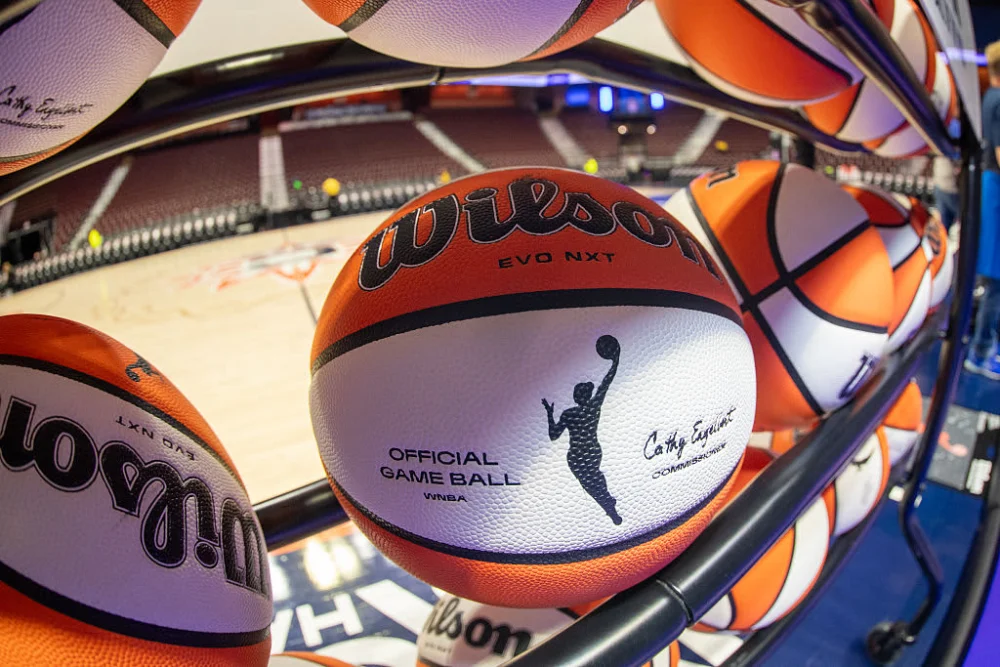
New York, NY – The Women’s National Basketball Association (WNBA) and its Players Association (WNBPA) are locked in intense, round-the-clock negotiations for a new collective bargaining agreement (CBA), having now exceeded their self-imposed deadline by two days. Meetings have been stretching into the late morning hours at a midtown Manhattan hotel, signaling the critical stage of discussions aimed at forging a deal that could fundamentally reshape the economic landscape for professional women’s basketball players. With nine distinct proposals exchanged between the two parties in recent days, addressing nearly every facet of the league’s operations and player compensation, the urgency is palpable as the league’s scheduled May 8 season tip-off and April 13 draft draw nearer.
The protracted negotiations unfold against a backdrop of unprecedented financial growth and surging public interest in women’s sports. From record-breaking viewership figures for collegiate and professional women’s basketball to escalating media rights deals across various women’s leagues, the market demand has never been stronger. This burgeoning economic environment has amplified the players’ long-standing advocacy for equitable compensation and improved working conditions, setting the stage for a potentially transformative agreement that could serve as a benchmark for professional women’s athletics globally.
A History of Advocacy and the Road to a New CBA
The WNBA, founded in 1996, has a history marked by both athletic excellence and a persistent struggle for financial parity. Players have consistently pushed for better pay, improved travel, and enhanced benefits, often playing a significant portion of their careers overseas during the WNBA offseason to supplement their incomes. The previous CBA, ratified in 2020, was hailed as a significant step forward, introducing substantial pay raises, improved travel standards, and enhanced maternity and childcare benefits. That agreement, which was set to expire after the 2027 season, contained a mutual opt-out clause, which the WNBA exercised, bringing the parties back to the negotiating table earlier than anticipated to capitalize on the current momentum in women’s sports.
This proactive approach by the league to renegotiate underscores a shared recognition that the WNBA’s value has significantly appreciated since the last agreement. The 2020 CBA increased average cash compensation to approximately $130,000, a substantial jump from prior figures, but still left a considerable gap compared to other professional sports leagues, even within women’s sports internationally. The current negotiations are therefore not just about incremental gains but about a paradigm shift, aiming to align player compensation more closely with the league’s growing revenue streams and overall market value. The WNBPA, led by its President and Los Angeles Sparks forward Nneka Ogwumike, has consistently articulated the players’ vision for a league that fully invests in its athletes, ensuring they are compensated fairly for their talent and the league’s commercial success.
The Intensifying Negotiations: Deadlines and Dialogue
The atmosphere within the midtown hotel has been described as one of intense focus and continuous dialogue. A source familiar with the process, who requested anonymity due to the sensitive nature of the talks, revealed that the exchanges have been comprehensive, touching upon virtually every aspect of the player-league relationship. The WNBA had previously indicated that a new CBA would need to be finalized by March 10 to ensure a timely start to the season. The passing of this internal deadline raises concerns about potential disruptions to the league calendar, including the April 13 WNBA Draft, a pivotal event for incoming talent, and the May 8 season launch. However, both sides appear committed to reaching a resolution, with WNBPA President Ogwumike noting late Wednesday that players are "feeling movement" in the talks. "We want to play. We’ve heard that from the other side as well," Ogwumike told reporters, reflecting a mutual desire to avoid any work stoppage.
The WNBPA has affirmed its full engagement in the negotiations, emphasizing the players’ unity and their collective commitment to securing an agreement that reflects the true value of their contributions. The stakes are particularly high for the players, as this CBA could define their earning potential and career trajectories for years to come. For the league, a successful agreement is crucial for maintaining competitive balance, attracting and retaining top-tier talent, and continuing its upward trajectory in the sports landscape.
A Transformative Economic Proposal: Unprecedented Increases
Details of the latest league proposal, obtained by CNBC, reveal an offer that, if accepted, would usher in an era of unprecedented financial growth for WNBA players. The most striking aspect of the proposal is the staggering increase in the salary cap. The league is reportedly offering a salary cap four times higher than the current cap, escalating from the existing $1.5 million to an impressive $6.2 million. Crucially, this proposed cap would be designed to grow annually in tandem with both team and league revenue, establishing a direct link between the WNBA’s financial success and player compensation. This mechanism aims to ensure that players are direct beneficiaries of the league’s future prosperity, including anticipated increases from new media rights deals and sponsorship agreements.
The proposed increases extend across all tiers of player compensation:
- Average Salaries: The league’s offer would see average player salaries start at $570,000 in year one, projected to grow to $850,000 by year six. This represents a monumental leap from the current average player salary of approximately $120,000, according to a second person familiar with the current CBA. This translates to an increase of nearly five to seven times the current average, a figure that would significantly alter the financial viability of a WNBA career.
- Maximum Salaries: For the league’s top talent, the proposal includes maximum salaries exceeding $1.3 million in the initial year, potentially growing to nearly $2 million. This is a dramatic increase from the current maximum contract under the existing CBA, which stands at just under $250,000. Such figures would place the WNBA’s highest earners in a financial bracket more commensurate with their elite athletic status and global recognition, potentially curbing the exodus of top players to lucrative overseas leagues during the WNBA offseason.
These proposed financial figures represent not just a raise but a revaluation of the WNBA athlete. For decades, WNBA players have been global ambassadors for the sport, often playing year-round to make ends meet. A significant increase in domestic salaries would allow players to focus more intently on their WNBA careers, enhancing the quality of play and the overall league product.
The Sticking Point: Revenue Sharing
Despite the significant progress on direct compensation, the critical issue of revenue sharing remains a point of contention between the two sides. Revenue sharing is a cornerstone of professional sports CBAs, determining how players directly benefit from the overall financial success of the league, beyond their base salaries. Historically, this has been a complex area for the WNBA, as players have sought a larger, more transparent share of all revenue streams.
The latest proposal from the league aims to address this with a new uncapped revenue-sharing system. This system would be directly tied to both league and team revenues, and significantly, it no longer includes minimum thresholds for sharing to be triggered. In previous agreements, revenue sharing often required the league to meet certain financial benchmarks before players would receive a share. The removal of these thresholds could mean a more immediate and consistent flow of shared revenue to players as the league continues to grow. However, the precise percentage of revenue to be shared, the definition of "revenue" itself, and the mechanisms for distribution are likely the intricate details still being debated, underscoring why this remains a primary hurdle. Players are advocating for a system that provides a truly equitable share of the league’s escalating media rights, sponsorships, and merchandise sales.
Beyond the Paycheck: Enhancing Player Welfare and Experience
Beyond the direct financial compensation, the league’s proposal also addresses critical aspects of player welfare and working conditions, areas that have been central to the WNBPA’s advocacy. These improvements are vital for the long-term health, safety, and professionalization of the athletes:
- Facility Upgrades: The proposal includes new minimum standards for facility upgrades across all teams. This encompasses critical areas such as locker rooms, weight rooms, and treatment areas. Adequate, state-of-the-art facilities are essential for athlete performance, injury prevention, and recovery, reflecting a commitment to treating players as elite professionals.
- Travel Amenities: A long-standing demand from players, the league is offering charter flight and first-class travel amenities for all league events. The logistical challenges and physical toll of commercial air travel have been a major point of contention, impacting player rest, recovery, and overall well-being. This move to enhanced travel, previously a limited benefit, would represent a significant improvement in player experience and a clear signal of the league’s investment in its athletes’ health and safety.
- Increased Performance Bonuses: The proposal also includes increased performance bonuses, providing additional incentives for individual and team success. This aligns player motivation with league objectives, rewarding excellence on the court.
These non-financial elements of the CBA are often as important as the salary figures, contributing significantly to player satisfaction, career longevity, and the overall perception of the WNBA as a top-tier professional sports league.
Broader Implications and Future Outlook
The outcome of these negotiations will have far-reaching implications, not just for the WNBA but for the broader landscape of women’s professional sports. A progressive and robust CBA would:
- Elevate Player Retention and Talent Pool: Significantly higher salaries and improved working conditions could dramatically reduce the number of WNBA players who feel compelled to play overseas during the offseason, allowing them to prioritize rest, recovery, and training for the WNBA season. This could also attract more top-tier talent from around the world, enhancing the league’s competitiveness and the quality of play.
- Boost League Attractiveness and Media Value: A stable labor environment and a financially secure player base make the WNBA a more attractive proposition for potential investors, sponsors, and media partners. A new CBA that reflects the league’s growth could be a powerful selling point in future media rights negotiations, potentially leading to even larger deals.
- Set a Precedent for Women’s Sports: The WNBA has often been at the forefront of player advocacy in women’s sports. A groundbreaking CBA could serve as a powerful model and inspiration for other women’s professional leagues globally, demonstrating what is possible when leagues and players collaborate to invest in their athletes.
- Strengthen Fan Engagement: A thriving league with well-compensated and dedicated players will only further fuel fan engagement and loyalty, continuing the upward trend in viewership and attendance.
As the WNBA Draft on April 13 and the season opener on May 8 loom, the pressure to finalize an agreement is immense. The current negotiations represent a pivotal moment, poised to define the WNBA’s trajectory for the next era. Both sides acknowledge the unprecedented opportunity before them, fueled by growing fan interest and financial momentum. The ultimate goal, as reiterated by WNBPA President Ogwumike, remains clear: to ensure the WNBA not only plays, but thrives, providing its athletes with the compensation and conditions they deserve as elite professional sports figures in a rapidly expanding market.
