

Frankfurt, Munich – Beleaguered insurtech startup Wefox is once again seeking fresh capital, initiating an emergency funding round of €15 million with existing investors Chrysalis Investments and Target Global. This move, detailed in a letter to shareholders obtained by Handelsblatt, is crucial for the company’s continued operation, aiming to bridge a temporary liquidity gap at the holding level. The funds are earmarked to ensure the ongoing viability of the business as it navigates a significant strategic realignment and evolves its business portfolio.
A Critical Juncture for the Insurtech Pioneer
The announcement signals a critical juncture for Wefox, a company that once embodied the ambitious promise of revolutionizing the insurance industry through technology. Founded in 2015 by Julian Teicke and a team of visionaries, Wefox rapidly ascended, attracting over a billion dollars in funding and achieving a peak valuation of $4.5 billion. The company’s initial mission was bold: to digitize and disrupt the traditionally conservative insurance sector, positioning itself as a technology-driven innovator.
However, the path to transforming the established insurance landscape proved more arduous than anticipated. Wefox encountered significant financial headwinds, prompting a reassessment of its core strategy and leadership. This latest funding effort underscores the ongoing challenges the company faces in achieving sustainable profitability and operational stability.
Emergency Financing Details and Investor Concessions
The €15 million emergency financing is structured as a convertible loan, a financial instrument that allows investors to convert their debt into equity at a later stage. Shareholders have until the end of March to decide whether to participate in this round. In return for their investment, the participating investors are set to receive substantial preferential rights. Notably, these include a triple liquidity preference, a clause that typically grants investors a priority payout of their investment, and potentially three times their initial investment, in the event of a company sale or liquidation. Such provisions are designed to mitigate risk for investors in a challenging financial environment and are commonly employed when a company demonstrates a pressing need for capital.
A Wefox spokesperson confirmed the temporary financing requirement, stating, "Within the group, a temporary financing need has arisen. The financing is exclusively for bridging the short-term liquidity requirement at the holding level and is directly related to the further development of the business portfolio." This statement emphasizes that the funds are intended for operational continuity and strategic investment rather than immediate expansion.
A Shift in Business Model and Leadership Overhaul
The need for emergency funding is intrinsically linked to Wefox’s strategic pivot. The company’s initial vision of becoming a pure tech provider has been recalibrated. The founders’ ambitious goal of transforming Wefox into an innovative tech leader in the insurance space has encountered substantial hurdles, leading to financial difficulties.
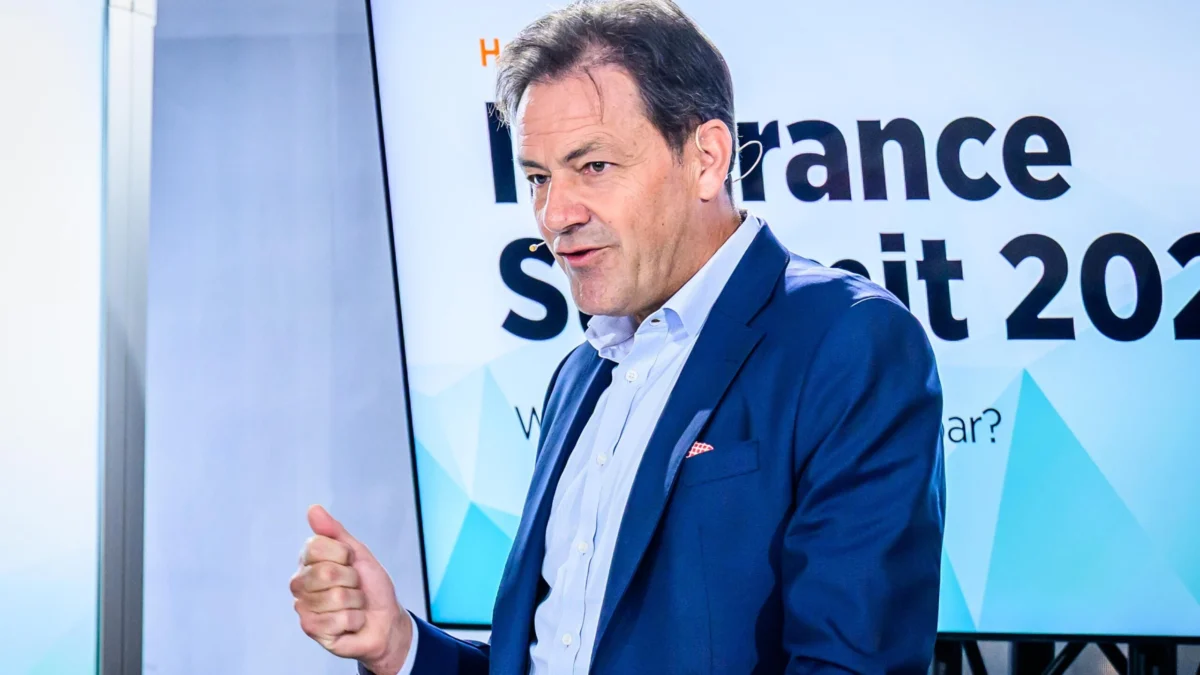
This strategic recalibration has been accompanied by significant leadership changes. In early 2024, Julian Teicke stepped down from his role as CEO. Subsequently, in September 2024, former Allianz executive Müller assumed the position of CEO, tasked with spearheading the company’s restructuring and recovery efforts. Müller’s mandate is clear: to establish the company on a path to sustainable profitability.
Wefox’s current business model emphasizes a hybrid approach, combining the functions of an "Assekuradeur" with a technology-enabled distribution platform. An Assekuradeur, in the German insurance context, is an entity that underwrites insurance policies and manages claims, but does not bear the financial risk itself. Instead, it operates on behalf of other, established insurance carriers. This model allows Wefox to leverage its technological capabilities and customer reach without carrying the full burden of insurance liabilities.
The company’s primary operational focus is currently on markets such as Austria, the Netherlands, and Switzerland. This geographic concentration suggests a strategy of consolidating resources and refining its model in select regions before potentially broader expansion.
Historical Trajectory: From Unicorn Ambitions to Financial Realities
Wefox’s journey from a highly-valued startup to a company seeking emergency funding is a narrative familiar within the tech and startup ecosystem. Launched with the promise of leveraging AI and data analytics to personalize insurance products and streamline customer interactions, Wefox quickly captured investor attention. Its early successes were built on the premise that a digital-first approach could dismantle the legacy structures of the insurance industry.
The company’s rapid growth phase saw it raise substantial capital from a diverse range of investors, including venture capital firms and strategic partners. At its zenith, Wefox was hailed as a "unicorn," a privately held startup valued at over $1 billion, a testament to the market’s faith in its disruptive potential. The valuation of $4.5 billion at its peak reflected high expectations for its future growth and market penetration.
However, the insurtech sector, while ripe for innovation, is also characterized by intense competition and complex regulatory landscapes. Many startups have struggled to translate technological prowess into sustained profitability, often facing challenges in customer acquisition costs, regulatory compliance, and the inherent capital requirements of the insurance business. Wefox’s experience appears to be a case study in these broader industry dynamics. The shift from a pure tech vision to an Assekuradeur model indicates a pragmatic adaptation to the realities of the insurance market, where underwriting expertise and risk management are paramount.
Broader Implications for the Insurtech Landscape
The financial straits of a prominent player like Wefox carry broader implications for the insurtech sector. Firstly, it highlights the ongoing pressure on startups to demonstrate a clear path to profitability, moving beyond growth-at-all-costs strategies. Investors are increasingly scrutinizing business models for their long-term viability and potential for generating consistent returns.
Secondly, Wefox’s strategic pivot underscores the complex interplay between technological innovation and traditional insurance operations. While technology can enhance efficiency and customer experience, the core business of insurance remains deeply rooted in risk assessment, capital management, and regulatory adherence. Successful insurtechs often find ways to integrate technology seamlessly with these fundamental principles, rather than attempting to replace them entirely.
The continued involvement of established investors like Chrysalis Investments and Target Global, despite the need for an emergency round, suggests a belief in Wefox’s underlying potential and its revised strategy. Their willingness to inject further capital, albeit with enhanced protective clauses, indicates a calculated risk assessment based on the company’s evolving operational framework and market position.
The leadership transition to a seasoned executive like Müller from a background like Allianz also signals a focus on operational discipline and financial prudence. The appointment of an experienced insurance industry veteran suggests a deliberate move towards strengthening governance and strategic execution.
Analyzing the "Assekuradeur" Model and Future Outlook
The adoption of the Assekuradeur model by Wefox is a significant strategic shift. This model allows the company to focus on its strengths in technology and distribution while mitigating the capital-intensive nature of underwriting. By partnering with established insurers, Wefox can offer innovative products and services to its customer base without the direct financial exposure of holding significant insurance reserves. This approach is becoming increasingly common among insurtechs looking to scale rapidly without overwhelming capital demands.
The effectiveness of this strategy will depend on several factors. Wefox’s ability to forge strong, mutually beneficial partnerships with insurance carriers will be crucial. Its technological platform must continue to provide a competitive edge in customer acquisition, retention, and claims management. Furthermore, the company must navigate the regulatory environments of its target markets effectively.
The stated goal of making the company "sustainably profitable" under Müller’s leadership is ambitious. Achieving this will require not only financial discipline but also a deep understanding of customer needs and market dynamics within the chosen geographical regions. The success of the current funding round will provide the necessary breathing room for Wefox to execute its revised strategy.
However, the company’s past performance and the current need for emergency financing indicate that significant challenges remain. The historical valuation of $4.5 billion may be a distant memory, but the current focus on survival and restructuring is a testament to the resilience required in the competitive insurtech arena. The coming months will be pivotal in determining whether Wefox can successfully navigate its current financial challenges and establish a sustainable, profitable future within the evolving insurance industry. The terms of the convertible loan, particularly the liquidity preferences, will play a significant role in shaping future investor returns should the company eventually be acquired or pursue an IPO. The market will be watching closely to see if Wefox can indeed turn the corner and fulfill its initial promise, albeit through a more pragmatic and financially prudent approach.
