

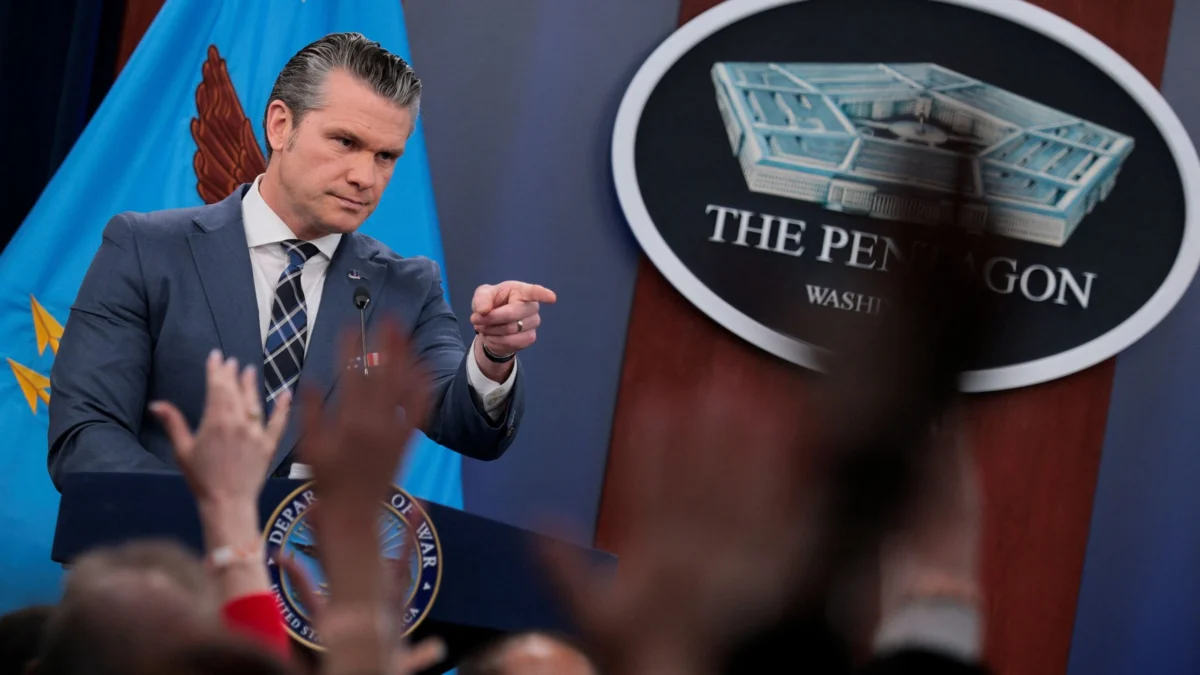
The Pentagon is reportedly considering the deployment of up to 10,000 additional troops to the Middle East, a move that would significantly bolster U.S. military presence in the region amidst escalating tensions. This potential reinforcement aims to provide President Donald Trump with greater flexibility in diplomatic negotiations with Tehran, according to sources familiar with the matter cited by The Wall Street Journal. The decision regarding this troop surge is anticipated within the coming week, with reports suggesting these soldiers would be drawn from existing combat units not previously deployed to the area.
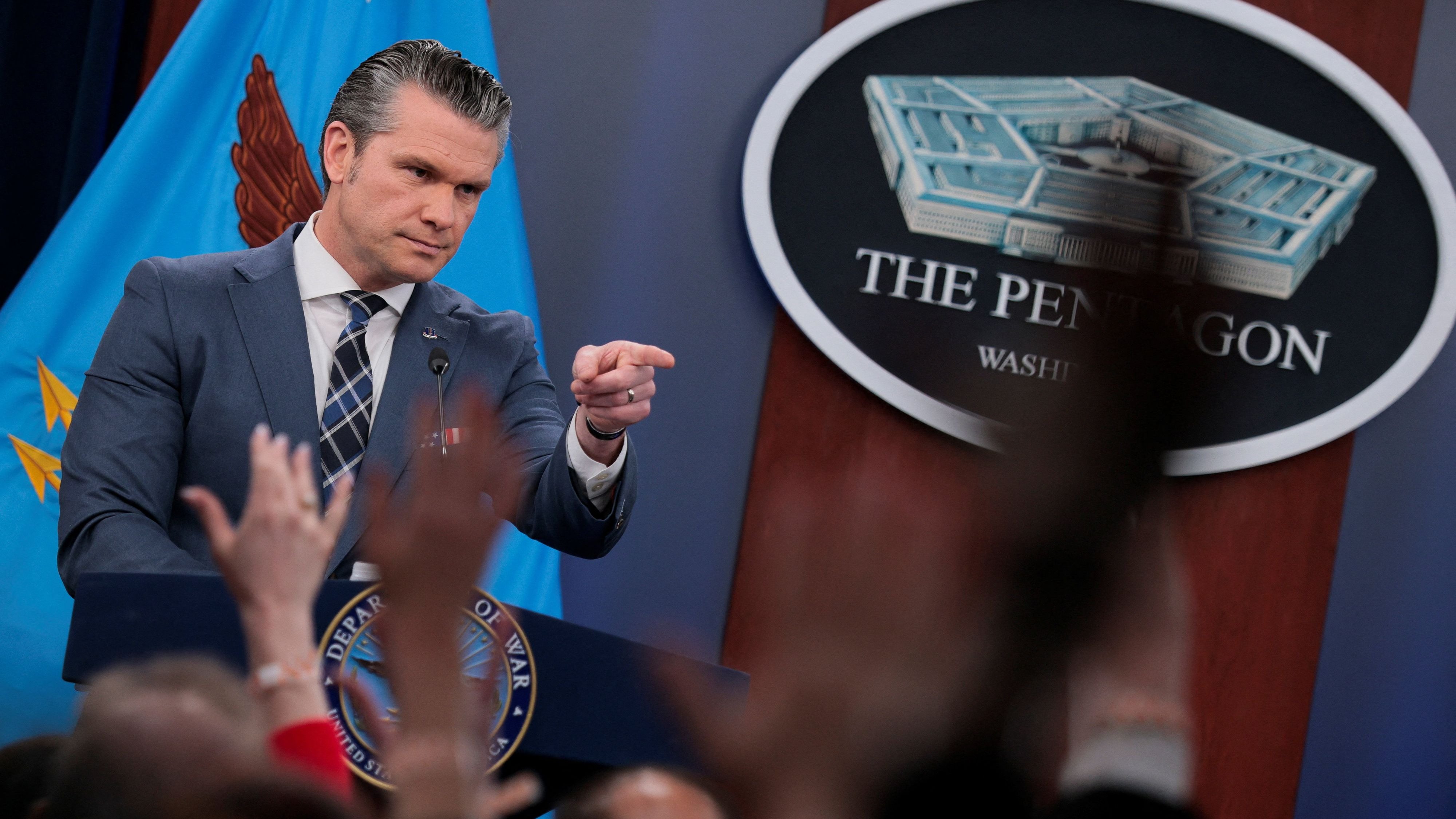
The strategic implications of such a deployment are multifaceted, signaling a robust commitment to regional stability while simultaneously raising the stakes in the ongoing geopolitical standoff. The addition of these forces would augment the approximately 5,000 troops already stationed in the region, as well as the thousands of paratroopers from the 82nd Airborne Division that have been previously ordered to deploy. This heightened military posture could serve as a deterrent against potential aggression and underscore the seriousness with which the United States views the security of vital transit routes and its regional allies.
Background Context: A Volatile Geopolitical Landscape
The current geopolitical climate in the Middle East is characterized by a complex interplay of regional rivalries, proxy conflicts, and direct confrontations involving major global powers. The Strait of Hormuz, a critical chokepoint for global oil trade, has become a focal point of these tensions. Recent incidents, including the grounding of a Thai freighter in the strait following an alleged attack, have heightened concerns about the security of maritime navigation and the potential for wider conflict.
Iran’s assertive stance, including its assertion of a "legitimate right" to impede the passage of ships deemed hostile, has further exacerbated the situation. The country’s Foreign Minister has articulated this position in discussions with international bodies, highlighting Iran’s perception of its sovereign rights over the strategic waterway. This rhetoric, coupled with actual incidents, has led to increased scrutiny and a heightened state of readiness among international naval forces operating in the Persian Gulf.
The broader context involves a series of events, including alleged Israeli military actions targeting Iranian interests and military personnel, which have been met with threats of retaliation from Iranian officials. The cycle of escalation, marked by missile launches, alleged drone attacks, and retaliatory strikes, underscores the precarious balance of power and the potential for miscalculation to trigger a broader conflict.
Timeline of Escalating Tensions and Diplomatic Maneuvers
The situation has evolved rapidly over recent weeks, marked by a series of diplomatic exchanges and military posturing.
- Early March: Reports emerge of an attack on a Thai freighter, the "Mayuree Naree," in the Strait of Hormuz, leading to its grounding and a search for missing crew members. This incident raises immediate concerns about maritime security.
- Mid-March: The United States, under President Trump, issues an ultimatum to Iran regarding the unimpeded passage through the Strait of Hormuz. This ultimatum is initially set to expire, with threats of military action against Iranian energy facilities if demands are not met.
- Late March: Diplomatic channels are reportedly active, with mediators attempting to de-escalate the situation. Reports suggest Iran has not requested a ten-day delay in attacks on its energy facilities, contrary to some initial claims. President Trump extends his ultimatum deadline to Easter Monday, citing "good and productive conversations" with Iran.
- March 27th (Updated): The Pentagon’s consideration of deploying an additional 10,000 troops becomes public knowledge, signaling a potential significant shift in U.S. military strategy in the region.
Key Developments and International Reactions
Several key developments have shaped the current landscape:

- Russian Denials: Moscow has vehemently denied allegations of sharing intelligence with Iran to target U.S. military assets. Russian Foreign Minister Sergey Lavrov stated that while military goods have been supplied to Iran, there is no evidence of intelligence sharing for such purposes. He asserted that U.S. military base coordinates are publicly available and do not require intelligence dissemination.
- Israeli Military Actions: The Israeli military has reported conducting strikes within Iran, including targeting what they describe as "heart of Tehran" and weapons depots. These actions have been met with strong condemnations and threats of reprisal from Iranian officials.
- German Stance: Germany’s position, articulated by several political leaders, has been that the escalating conflict is "not our war." This stance has drawn criticism from President Trump, who deemed such statements "inappropriate."
- Iranian Assertions: Iran continues to assert its right to control passage through the Strait of Hormuz, a position that directly challenges international norms of freedom of navigation.
- International Military Consultations: Military leaders from numerous nations have engaged in discussions, facilitated by France, regarding potential strategies to reopen the Strait of Hormuz post-conflict. These discussions include plans for defensive operations to escort merchant vessels and ensure maritime security.
Supporting Data and Implications
The Strait of Hormuz is a critical artery for global energy supply. Approximately 30% of the world’s seaborne oil trade passes through this narrow waterway. Disruptions to this flow can have immediate and significant impacts on global energy prices, supply chains, and economic stability.
- Oil Price Volatility: Any significant escalation or prolonged closure of the Strait could trigger a sharp increase in global oil prices. This would have ripple effects across economies worldwide, impacting transportation costs, manufacturing, and consumer spending.
- Energy Security Concerns: Nations heavily reliant on oil imports, particularly those in Asia and Europe, face heightened energy security risks. The current conflict underscores the vulnerability of global energy markets to geopolitical instability in the Middle East.
- Economic Impact: Beyond oil prices, the conflict can disrupt trade routes, increase insurance premiums for shipping, and lead to supply chain bottlenecks for a wide range of goods. The World Bank has indicated readiness to provide rapid financial assistance to countries affected by the conflict’s economic fallout.
Official Responses and Diplomatic Efforts
The international community is closely monitoring the situation, with various actors issuing statements and engaging in diplomatic overtures.

- U.S. Strategy: The potential deployment of additional troops aligns with a broader U.S. strategy aimed at deterring Iranian aggression and signaling a firm commitment to regional security. President Trump’s approach appears to be a combination of military posturing and diplomatic engagement, characterized by ultimatums and subsequent extensions.
- European Concerns: European nations, while generally aligned with U.S. security interests, have expressed reservations about direct military involvement. Their focus remains on de-escalation and diplomatic solutions, recognizing the profound economic consequences of a wider conflict.
- Russian and Chinese Positions: Russia has reiterated its denial of intelligence sharing and has advocated for diplomatic resolutions. China, a major energy consumer, has expressed concerns about the impact on global energy markets and has called for restraint from all parties.
- UN Involvement: The United Nations Secretary-General has been engaged in discussions with regional powers, including Iran, to promote de-escalation and prevent further conflict.
Broader Impact and Analysis
The current standoff represents a critical juncture in Middle East security. The potential deployment of 10,000 additional U.S. troops signifies a readiness to confront perceived threats but also carries inherent risks of escalation. The strategic placement of these forces, possibly near Iran and the critical oil export terminal on Kharg Island, would serve as a powerful deterrent and enhance U.S. capabilities for rapid response.
The economic ramifications are undeniable. As ECB President Christine Lagarde has warned, energy supply disruptions stemming from the conflict could persist for years, impacting global economic recovery. The damage to energy infrastructure is substantial, and the resulting shock to the global economy may be more significant than currently anticipated.

The differing approaches between the U.S. and its European allies highlight the complexities of international relations in times of crisis. While the U.S. favors a more assertive military stance, European nations prioritize diplomatic solutions and economic stability. This divergence could complicate unified responses and create opportunities for miscalculation by regional actors.
The ongoing cycle of threats, retaliations, and diplomatic maneuvers underscores the volatile nature of the region. The effectiveness of President Trump’s strategy of applying maximum pressure, combined with intermittent offers of negotiation, remains to be seen. The coming days and weeks will be crucial in determining whether tensions de-escalate or further spiral into a wider regional conflict, with profound consequences for global security and economic stability. The commitment to ensuring the freedom of navigation through vital waterways like the Strait of Hormuz remains a paramount concern for the international community, and the response to this challenge will shape the future geopolitical landscape of the Middle East.
