

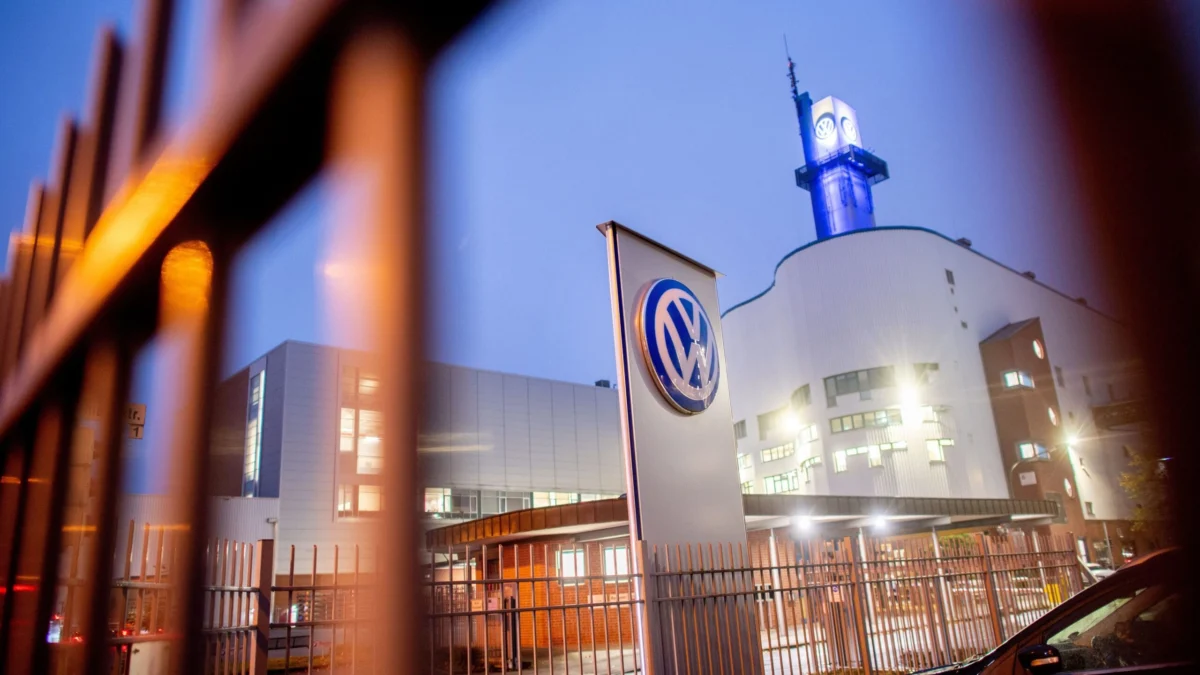
Volkswagen is reportedly in discussions with Israeli defense contractor Rafael Advanced Defense Systems regarding the potential repurposing of its Osnabrück plant, a move that could secure the future of all 2,300 jobs at the facility. The Financial Times, citing individuals familiar with the matter, reported that the German automotive giant is exploring a collaboration that would involve the production of components for advanced missile defense systems, such as Israel’s renowned Iron Dome. This potential shift signals a growing trend of established industrial players seeking diversification into the booming defense sector.
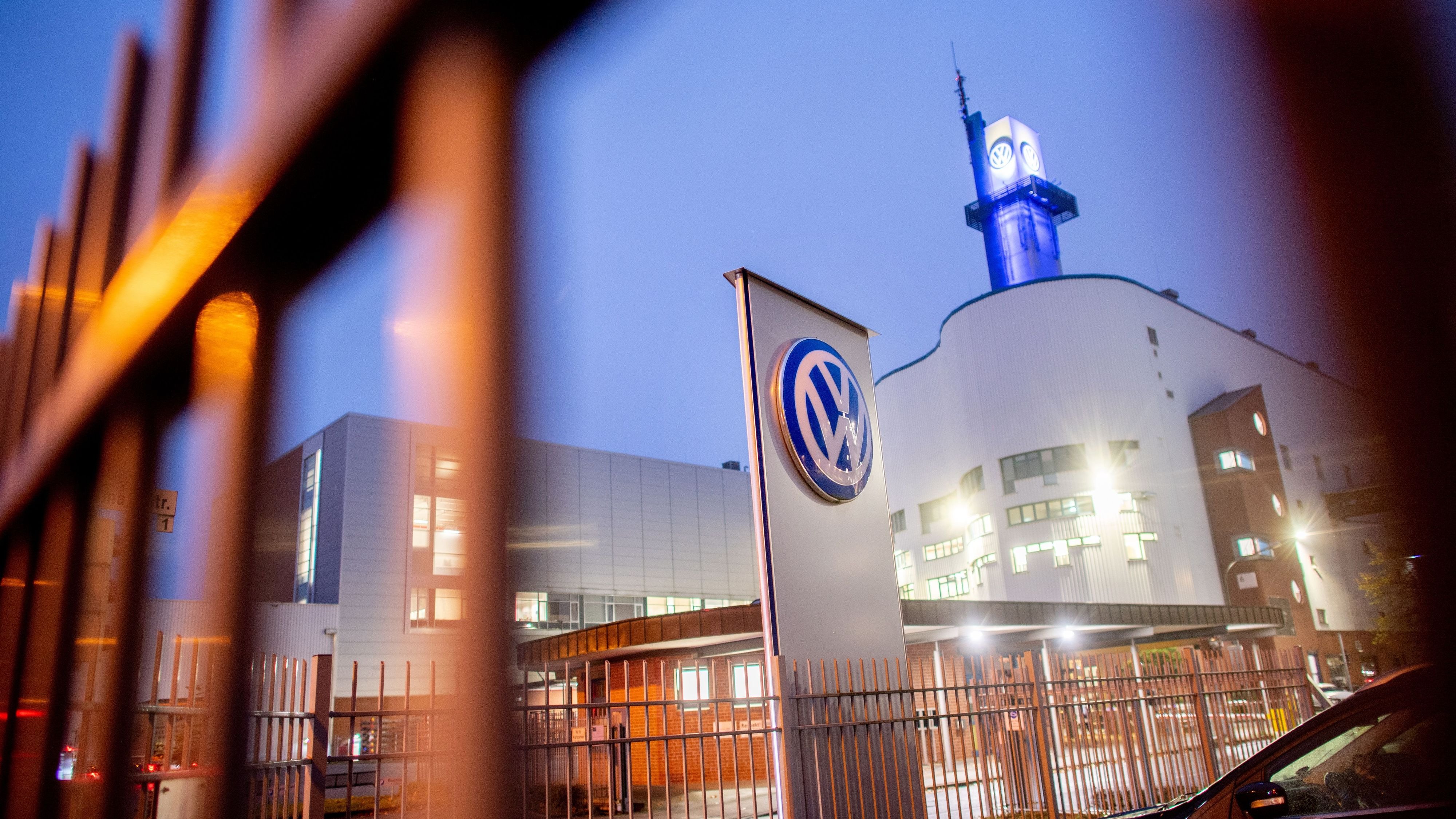
The Osnabrück plant, a significant manufacturing site for Volkswagen, has faced an uncertain future as the automotive industry navigates the complex transition towards electric mobility and faces global economic pressures. Volkswagen has been actively seeking a sustainable long-term strategy for the facility, and this proposed partnership with Rafael presents a compelling option that addresses both industrial viability and employment security.
Background of the Osnabrück Plant and the Defense Industry Shift
Volkswagen’s Osnabrück facility has a long history of automotive production. Its strategic importance to the region’s economy and employment landscape cannot be overstated. For years, the plant has been a cornerstone of local employment, and any significant change in its operational status would have profound socio-economic consequences. The automotive industry, globally, is undergoing a seismic transformation. The accelerated shift to electric vehicles (EVs) requires massive investments in new technologies, battery production, and charging infrastructure. Simultaneously, supply chain disruptions, geopolitical instability, and evolving consumer demands are creating a challenging operating environment for traditional automakers.
Against this backdrop, the global defense industry has witnessed a significant resurgence. Increased geopolitical tensions, conflicts in various regions, and a renewed focus on national security have led many governments to significantly increase their defense spending. This surge in demand has created new opportunities for companies with advanced manufacturing capabilities and technological expertise, including those outside the traditional defense sector. The automotive industry, with its established expertise in mass production, complex engineering, and robust supply chains, is uniquely positioned to contribute to this growing market.
Volkswagen’s previous ventures into defense-related manufacturing, such as its involvement in producing military trucks through a joint venture between its MAN subsidiary and Rheinmetall, indicate a willingness to explore this sector. This historical context suggests that the current discussions with Rafael are not entirely unprecedented for the Volkswagen Group.
Details of the Proposed Collaboration
According to the Financial Times report, the potential collaboration would focus on manufacturing components for Rafael’s advanced air defense systems. Rafael is internationally recognized for its development and production of sophisticated defense technologies, most notably the Iron Dome missile interception system, which has played a critical role in Israel’s defense strategy. The specifics of which components Volkswagen would produce remain undisclosed, but the involvement of the Osnabrück plant suggests a significant scale of operation.
The report also highlights that Volkswagen and Rafael aim to market these jointly produced missile defense systems to other European nations. This suggests a broader strategic objective to capitalize on the growing European demand for enhanced air and missile defense capabilities, potentially as a response to escalating regional security concerns. The involvement of the German government in supporting these plans, as indicated by the report, would be a crucial factor in the feasibility and acceptance of such a venture, particularly given the sensitive nature of defense manufacturing.
Employment and Economic Implications
A primary driver behind the reported discussions is the assurance of employment for the 2,300 workers at the Osnabrück plant. A deal with Rafael Advanced Defense Systems would offer a concrete pathway to preserving these jobs, providing much-needed stability for the workforce and the local community. In an era of industrial transition, securing employment in established manufacturing hubs is a significant economic and social imperative.

The potential for expansion, as hinted at by the insider’s quote ("The goal is to save everyone, perhaps even to grow"), suggests that this partnership could lead to new skill development, technological advancement, and economic growth beyond simply maintaining current employment levels. This would represent a significant positive outcome for the region, transforming the plant’s future prospects.
Broader Industry Trends and Analysis
The potential Volkswagen-Rafael alliance underscores a broader trend of cross-sectoral partnerships emerging in response to evolving global economic and geopolitical landscapes. The defense industry, historically characterized by specialized companies, is increasingly looking to leverage the industrial might and technological prowess of other sectors.

The automotive sector’s capabilities in precision engineering, quality control, and large-scale production are highly transferable to defense manufacturing. Companies like Volkswagen possess the infrastructure, skilled workforce, and management expertise that are attractive to defense contractors seeking to scale up production or diversify their supply chains.
Furthermore, the push for greater European defense autonomy and industrial cooperation is likely to fuel more such collaborations. As European nations seek to reduce their reliance on external defense suppliers and bolster their own industrial bases, partnerships between major European manufacturers and established defense technology providers become strategically important.
The German government’s reported support for the plan is also a significant indicator. Germany, like many European nations, is reassessing its defense posture and investing more heavily in its military capabilities. Encouraging domestic production of advanced defense systems aligns with these national security objectives and can foster technological innovation and economic competitiveness within the country.

Challenges and Considerations
While the prospect of securing jobs and repurposing a vital industrial facility is promising, several challenges and considerations remain. The production of defense equipment is subject to stringent regulatory oversight, export controls, and national security protocols. Navigating these complexities will be paramount for both Volkswagen and Rafael.
The integration of defense manufacturing processes within an automotive production environment will require significant adaptation, training, and potentially specialized infrastructure. Ensuring that the Osnabrück plant can meet the rigorous standards of the defense industry will be a key undertaking.

Public perception and political considerations will also play a role. While the German government reportedly supports the plan, public sentiment regarding defense manufacturing can be complex. Transparency and clear communication regarding the nature of the production and its strategic importance will be essential.
Volkswagen’s official response to the Financial Times report was a non-committal statement, indicating that the company does not comment on speculative reports. This is standard practice for such sensitive business discussions. However, the absence of a strong denial suggests that there is indeed a basis for the report and that discussions are likely ongoing.
The specific details of any agreement, including intellectual property rights, profit sharing, and long-term commitments, will need to be meticulously negotiated. The success of such a partnership will depend on the alignment of strategic goals, mutual trust, and a shared vision for the future of the Osnabrück facility.

The timeline for any potential agreement remains unclear. Such complex industrial and defense partnerships typically involve extensive due diligence, regulatory approvals, and lengthy negotiation periods. However, the urgency to secure the future of the Osnabrück plant likely provides a strong impetus for accelerated progress.
Conclusion
The potential for Volkswagen’s Osnabrück plant to shift towards the production of components for advanced missile defense systems, in partnership with Israel’s Rafael Advanced Defense Systems, represents a significant development. It highlights the evolving landscape of global manufacturing, where traditional industries are increasingly finding opportunities in the defense sector. This move, if realized, promises to secure the livelihoods of thousands of workers and contribute to Europe’s growing need for enhanced defense capabilities. The successful implementation of such a collaboration would depend on careful navigation of regulatory frameworks, technological integration, and strategic alignment between the automotive giant and the defense contractor, with the potential backing of the German government providing a critical foundation for its viability.
