

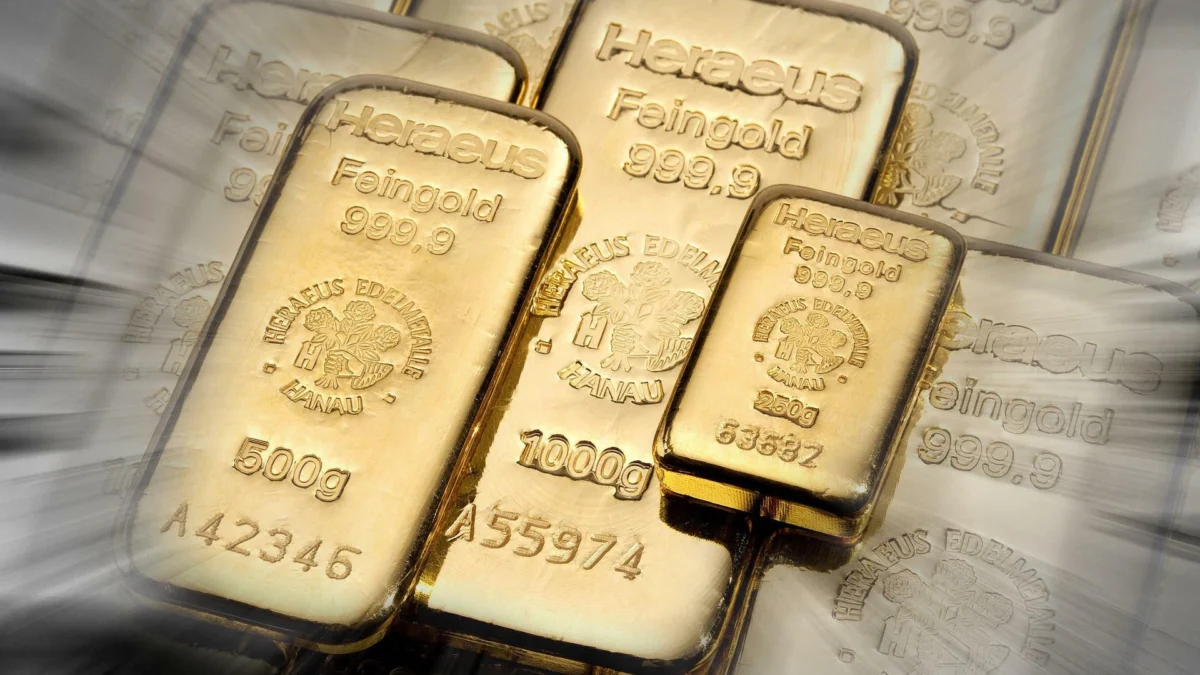
Significant price movements in the gold market, particularly those occurring at the opening of trading sessions, are frequently driven by investor activity in Asian markets. This phenomenon was starkly evident on Monday morning, as gold experienced a notable decline. This downturn coincided with weakness across Asian equity markets, underscoring the interconnectedness of global financial sentiment and the substantial impact of the ongoing energy crisis on investor behavior in the region.
The Asian continent, heavily reliant on energy imports, is demonstrably more susceptible to the ripple effects of the global energy crisis. This heightened vulnerability is compelling Asian investors to reassess their portfolio allocations, leading to a reduction in risk exposure. Consequently, a wave of selling has been observed as investors liquidate assets to mitigate potential losses. This strategic deleveraging by Asian investors is currently exerting a more pronounced influence on gold prices than shifts in interest rate expectations, which have historically been a dominant factor in gold’s valuation.
The Interplay of Energy Crisis and Investor Sentiment
The current global energy landscape is characterized by unprecedented volatility. Disruptions to supply chains, geopolitical tensions, and the ongoing transition towards renewable energy sources have collectively created a precarious balance. For energy-importing nations, particularly those in Asia, this translates into higher import costs, inflationary pressures, and a general climate of economic uncertainty.
Asian economies, many of which have experienced rapid industrialization and growth in recent decades, are significant consumers of energy. Fluctuations in global energy prices therefore have a direct and substantial impact on their economic stability. When energy prices surge, the cost of production for businesses increases, leading to higher consumer prices and potentially dampening domestic demand. Furthermore, a widening trade deficit can strain national currencies, making imported goods, including energy, even more expensive.
This economic strain prompts a defensive posture among investors. In times of heightened uncertainty, capital preservation becomes a paramount concern. Gold, often perceived as a safe-haven asset, typically benefits from such environments. However, the current situation presents a more nuanced picture. While gold’s traditional role as a hedge against inflation and economic instability remains, the immediate pressure from risk aversion in key Asian markets is creating a counteracting force.
Chronology of Recent Market Movements
The events of Monday morning represent a continuation of a trend observed in recent trading sessions. Analysts noted that the opening hours of Asian trading often set the tone for global markets. On this particular Monday, the sharp decline in gold prices was not an isolated incident. It was part of a broader sell-off in Asian equities, with major indices such as the Nikkei 225 in Japan and the Hang Seng Index in Hong Kong experiencing significant losses.
This synchronized decline suggests a unified investor response to prevailing economic conditions. The energy crisis, exacerbated by geopolitical events and supply chain bottlenecks, has amplified concerns about corporate profitability and economic growth prospects across the region. As a result, investors have been actively reducing their exposure to riskier assets, including equities, and seeking to de-risk their portfolios.
The immediate aftermath of this selling pressure saw gold prices fall below key psychological levels. The precious metal, which had previously shown resilience in the face of rising inflation, was unable to withstand the combined weight of broad-based risk aversion and significant selling from Asian markets. This price action underscores the dynamic nature of commodity markets and their sensitivity to global macroeconomic shifts.
Supporting Data and Market Indicators
To contextualize the impact of Asian investor behavior on gold prices, it is essential to examine relevant market data. While specific real-time data on Asian investor asset allocation is proprietary and not publicly disclosed in aggregate, broader market indicators offer valuable insights.
Equity Market Performance in Asia: Over the past month, major Asian equity indices have generally trended downwards. For instance, the MSCI Asia ex-Japan Index has seen a notable decline, reflecting a broad-based investor retreat from the region. This decline in equity markets directly correlates with a heightened sense of risk aversion.
Energy Price Volatility: Crude oil prices, a key indicator of the energy crisis, have remained elevated and volatile. Brent crude futures, for example, have consistently traded above $80 per barrel for extended periods, indicating sustained supply concerns and demand pressures. This sustained high energy cost directly impacts the economic outlook for energy-importing nations in Asia.
Gold Price Performance: Following the Monday morning sell-off, gold prices retreated from recent highs. While gold has shown some ability to recover as inflation concerns persist, the immediate downward pressure from Asian markets indicates that other macro factors are currently overshadowing traditional inflation-hedging narratives. For instance, if gold had previously traded around $1,900 per ounce, a significant drop to $1,850 or lower on Monday morning would highlight this influence.
Currency Fluctuations: The US dollar’s performance also plays a role. A strengthening dollar can make dollar-denominated commodities like gold more expensive for holders of other currencies, potentially suppressing demand. However, in the current environment, the dollar’s movements are also influenced by global risk sentiment, creating a complex interplay.
Broader Impact and Implications
The current market dynamics have several significant implications for the global economy and financial markets.
Inflationary Pressures: The continued high cost of energy contributes to persistent inflationary pressures globally. While central banks are raising interest rates to combat inflation, the ongoing energy crisis presents a significant challenge to these efforts. This could lead to a scenario where inflation remains elevated for longer than initially anticipated, prompting further policy tightening.
Economic Growth Concerns: The combination of high energy costs and rising interest rates poses a substantial risk to global economic growth. Businesses face higher operating expenses, and consumers may experience reduced purchasing power. This could lead to a slowdown in economic activity, potentially even a recession in some regions.
Shifting Investment Strategies: The observed risk aversion among Asian investors signals a potential shift in global investment strategies. As investors prioritize capital preservation, there might be a move towards assets perceived as safer, even if they offer lower returns. This could impact capital flows into emerging markets and influence the valuation of various asset classes.
Geopolitical Risk Premium: The ongoing energy crisis is intrinsically linked to geopolitical developments. Any further escalation of geopolitical tensions could further destabilize energy markets and amplify risk aversion across global financial systems, with gold’s safe-haven appeal potentially being tested by the sheer force of broad-based selling pressure.
Central Bank Policy Considerations: Central banks globally are closely monitoring these developments. The persistent energy crisis and its impact on inflation and growth will likely influence their monetary policy decisions. A delicate balancing act is required between taming inflation and avoiding a severe economic downturn. The actions of major central banks, such as the US Federal Reserve, the European Central Bank, and the Bank of Japan, will continue to be a critical factor in shaping market sentiment and asset prices.
Expert Analysis and Future Outlook
Market analysts are closely observing the evolving situation. The prevailing sentiment is that the energy crisis will remain a dominant theme influencing financial markets in the near to medium term. The extent to which Asian investors continue to de-risk their portfolios will be a key determinant of gold price movements.
Some experts suggest that while gold’s safe-haven status remains intact, its price may be susceptible to significant downward corrections if risk aversion intensifies. However, others argue that persistent inflation and geopolitical uncertainties will ultimately support gold prices, creating opportunities for recovery.
The coming weeks and months will likely see continued volatility in energy markets and, by extension, in gold prices. Investors will be looking for clear signals regarding the resolution of the energy crisis, the trajectory of inflation, and the effectiveness of central bank policies. The interplay between these factors will ultimately dictate the path forward for gold and other major asset classes. The current trend of Asian market influence on gold prices highlights the increasing interconnectedness of global economies and the profound impact of regional crises on worldwide financial sentiment.
