

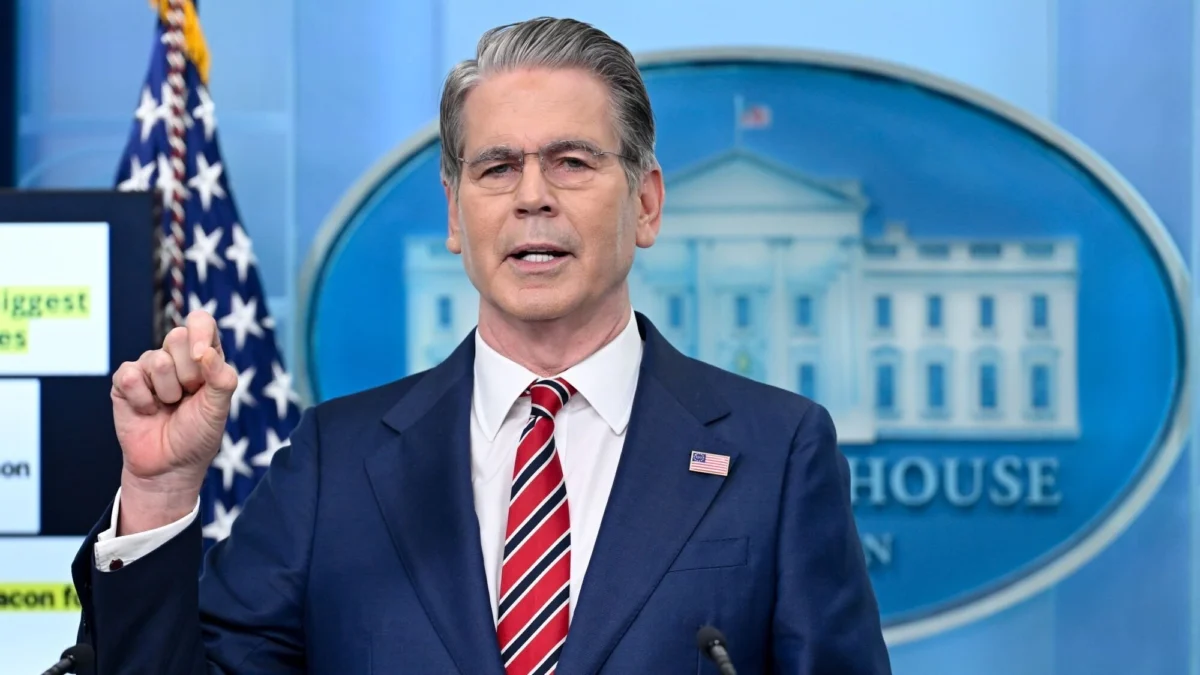
The escalating tensions between the United States and Iran have reached a critical juncture, with the US threatening severe financial repercussions that Secretary of the Treasury Scott Bessent equates to "the financial equivalent of bombing raids." This stark warning comes amidst a complex and volatile geopolitical landscape, marked by ongoing diplomatic efforts, military posturing, and significant economic pressures. The situation is further complicated by regional conflicts and the potential for wider destabilization in the Middle East.
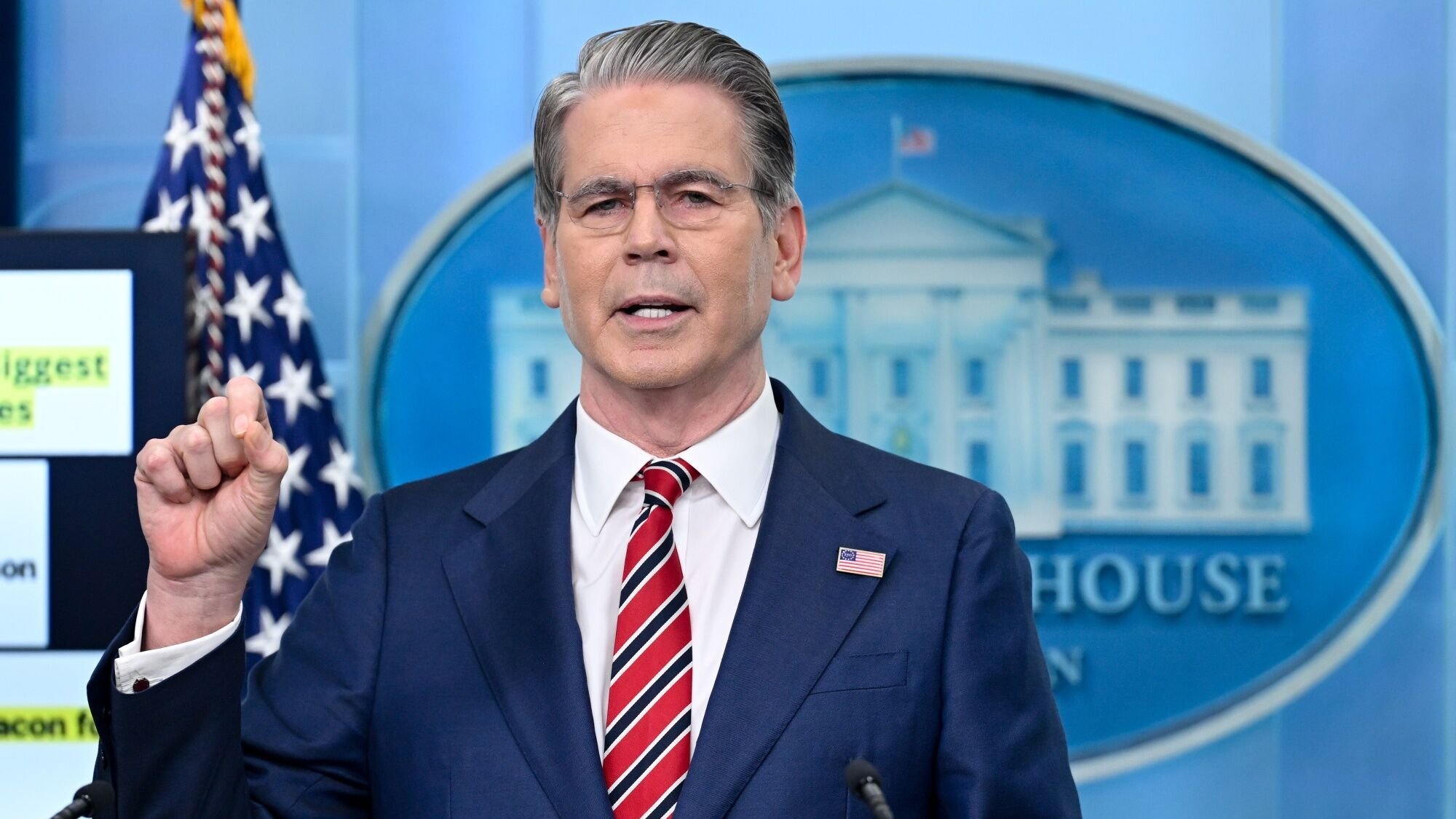
The core of the US threat lies in the imposition of sweeping sanctions targeting entities and nations that continue to engage with Iran’s oil sector or manage its financial assets. This aggressive stance signals a deepening resolve within the US administration to isolate Iran economically, aiming to cripple its capacity to fund its military operations and regional activities. The mention of Gulf states’ increased willingness to support these sanctions underscores a potential shift in regional alliances and a unified front against Iranian influence.
A Deepening Conflict and Diplomatic Maneuvers
The current standoff is not an isolated incident but rather an intensification of a long-standing rivalry characterized by proxy conflicts, nuclear proliferation concerns, and strategic maneuvering. Iran’s actions, including alleged support for militant groups and its nuclear program, have been a consistent source of friction with the US and its allies, particularly Israel. The recent escalation, however, appears to be directly linked to Iran’s perceived defiance and its impact on global trade routes, most notably the Strait of Hormuz.
Timeline of Key Developments:
- April 15, 2026 (Evening): US Treasury Secretary Scott Bessent issues a strong warning, drawing a parallel between impending financial sanctions and "bombing raids" against Iran.
- April 15, 2026 (Ongoing): Reports emerge of Iran considering a partial reopening of the Strait of Hormuz as part of negotiations with the US, signaling a potential shift from maximalist demands.
- April 15, 2026 (Ongoing): Pakistan’s Chief of Army Staff, Asim Munir, arrives in Tehran, reportedly as part of ongoing mediation efforts between the US and Iran.
- April 15, 2026 (Ongoing): State broadcaster Irib reports a significant surge in voluntary enlistments for military service in Iran, with over 26 million individuals reportedly registering.
- April 15, 2026 (Ongoing): The US State Department denies reports of the White House calling for a ceasefire, emphasizing the productivity of ongoing negotiations.
- April 15, 2026 (Ongoing): The United Nations allocates approximately ten million Euros in emergency aid for the war-affected population in Iran.
- April 15, 2026 (Ongoing): Clashes persist between the Israeli military and Hezbollah along the Lebanese border, despite hopes for a broader de-escalation.
- April 15, 2026 (Ongoing): A Maltese-flagged oil tanker, the "VLCC Agios Fanourios I," reportedly transits the Strait of Hormuz westward, marking a potential shift in maritime traffic.
- April 15, 2026 (Ongoing): US Central Command (Centcom) asserts its naval superiority in the region, claiming to have halted maritime trade to and from Iran.
- April 15, 2026 (Ongoing): Reports suggest that the US and Iran are considering an extension of the current ceasefire.
- April 15, 2026 (Ongoing): The Israeli security cabinet is scheduled to convene to discuss a potential ceasefire in Lebanon.
- April 15, 2026 (Ongoing): Finance ministers from over ten countries issue a joint statement warning of the lingering economic impact of the Middle East conflict.
- April 15, 2026 (Ongoing): German Chancellor Friedrich Merz is confirmed to attend a conference in Paris focused on securing shipping lanes in the Strait of Hormuz.
- April 15, 2026 (Ongoing): Reports indicate that the US has not yet officially agreed to an extension of the ceasefire with Iran.
- April 15, 2026 (Ongoing): Iran anticipates a Pakistani delegation to deliver messages from the US.
- April 15, 2026 (Ongoing): US President Donald Trump expresses optimism about an imminent end to the war with Iran.
- April 15, 2026 (Ongoing): Trump claims to have urged Chinese President Xi Jinping to cease arms shipments to Iran.
- April 15, 2026 (Ongoing): Iran’s military leadership threatens to resume attacks if the US sea blockade endangers its trade vessels.
- April 15, 2026 (Ongoing): The UAE and Iran reportedly discuss de-escalation in the ongoing conflict.
- April 15, 2026 (Ongoing): Russian Foreign Minister Sergey Lavrov suggests Russia could store enriched uranium from Iran.
- April 15, 2026 (Ongoing): Turkey advocates for an extension of the US-Iran ceasefire.
- April 15, 2026 (Ongoing): A Hezbollah official warns of deepening divisions within Lebanon due to ongoing talks between Israel and the Lebanese government.
- April 15, 2026 (Ongoing): Reports suggest the US is preparing to deploy thousands of additional troops to the Middle East.
- April 15, 2026 (Ongoing): Pakistan’s Prime Minister embarks on a diplomatic tour of Saudi Arabia, Qatar, and Turkey, potentially related to mediation efforts.
- April 15, 2026 (Ongoing): Israel and Hezbollah continue to exchange fire.
- April 15, 2026 (Ongoing): Russian Foreign Minister Lavrov states Russia can compensate for potential oil shortages in China caused by the Iran conflict.
Iran’s Stance and Internal Mobilization
In a significant diplomatic development, Iran is reportedly considering a partial opening of the Strait of Hormuz, a move that would signify a departure from its previous maximalist demands. This potential concession, if realized, could be a crucial step towards de-escalation. The offer, however, is contingent on the US meeting Iran’s other demands, including the release of frozen assets and the lifting of sanctions. The crucial question remains whether all vessels, including those with Israeli ties, would be granted passage.

Simultaneously, Iran appears to be engaging in a significant internal mobilization. State broadcaster Irib reports that over 26 million Iranians have registered for voluntary military service under the campaign "Sacrifice for Life." While independent verification of these figures is challenging, the sheer scale of the reported enlistments suggests a concerted effort to rally nationalistic sentiment and demonstrate a preparedness for continued conflict. This mobilization effort includes prominent figures such as President Massud Pezeshkian, many of his ministers, and other high-ranking officials.
US Economic Pressure and Sanctions
The US Treasury Secretary’s threat of "financial equivalent of bombing raids" is a potent metaphor for the scale of economic pressure the US intends to exert. The US has already implemented extensive sanctions against Iran, and the current escalation suggests a tightening of these measures. The focus on companies and countries continuing to trade Iranian oil or manage its financial assets aims to choke off revenue streams essential for Iran’s economy and its ability to fund its military and regional activities. The statement implies a coordinated effort with regional partners, potentially including the Gulf states, to enforce these sanctions more rigorously.
The US has also reportedly considered deploying thousands of additional troops to the Middle East. This move, if executed, would further signal an increased military readiness and a willingness to project power in the region, potentially as a deterrent against Iranian aggression or to support its allies.
Regional Instability and Broader Implications
The conflict’s ramifications extend far beyond the immediate US-Iran confrontation. The ongoing clashes between Israel and Hezbollah along the Lebanese border underscore the interconnectedness of regional conflicts. The exchange of fire, even amidst hopes for broader de-escalation, highlights the persistent risk of escalation and the potential for a wider conflagration. The reported deaths of medical personnel in Israeli attacks, and the condemnation from the Lebanese Ministry of Health, point to the severe humanitarian consequences of the conflict.

The Strait of Hormuz, a critical chokepoint for global oil supply, remains a focal point of tension. The US has implemented a sea blockade, aiming to halt maritime trade to and from Iran. While the US asserts its naval dominance, reports of a Maltese-flagged oil tanker successfully transiting the strait suggest a complex and fluid situation. The economic implications are significant, with global oil prices susceptible to volatility due to disruptions in this vital waterway. Finance ministers from numerous countries have warned of the continued global economic strain, including impacts on growth, inflation, and financial markets, even after a potential resolution of the conflict.
Diplomatic Mediation and International Involvement
Amidst the heightened tensions, diplomatic efforts are actively underway. Pakistan’s role as a mediator is particularly noteworthy, with its Chief of Army Staff visiting Tehran and its Prime Minister embarking on a tour of key regional players like Saudi Arabia, Qatar, and Turkey. These nations have historically played roles in facilitating dialogue between Iran and the US. The UN’s allocation of emergency aid highlights the growing humanitarian crisis and the international community’s efforts to mitigate its impact.

Furthermore, a conference in Paris, attended by German Chancellor Friedrich Merz, is scheduled to address the security of shipping lanes in the Strait of Hormuz, indicating a multinational approach to stabilizing the region. The participation of non-belligerent states willing to contribute to a "purely defensive mission" suggests a broader international coalition forming to ensure freedom of navigation.
Analysis of Economic Warfare
The US threat of "financial equivalent of bombing raids" is more than just rhetoric; it signifies a strategic shift towards weaponizing economic tools with the intensity of military action. Sanctions, when applied comprehensively and with international backing, can indeed cripple a nation’s economy, leading to widespread hardship and potentially internal instability. The US administration’s targeting of Iran’s oil sector, which accounts for a substantial portion of its economy, is a direct attempt to sever its primary source of revenue.

The effectiveness of these sanctions, however, depends on several factors: the degree of international cooperation, Iran’s ability to circumvent them through illicit channels or support from other nations, and the resilience of the Iranian population and its leadership. Historical precedents show that while sanctions can exert significant pressure, they can also lead to unintended consequences, including humanitarian crises and a hardening of political resolve.
The US claim of having brought maritime trade to and from Iran to a complete halt, with approximately 90% of Iran’s economy dependent on sea trade, if accurate, represents a significant economic blow. However, Iran’s threat to resume attacks if its trade vessels are endangered indicates a willingness to retaliate through unconventional means, potentially involving asymmetric warfare tactics or disruptions to regional shipping.

Conclusion: A Precarious Path Forward
The situation remains highly precarious. The US is employing a strategy of intense economic pressure, while Iran appears to be preparing for a protracted conflict through internal mobilization and by signaling its willingness to retaliate. The ongoing diplomatic efforts, though showing glimmers of potential progress with Iran’s consideration of opening the Strait of Hormuz, are shadowed by the ever-present risk of miscalculation and escalation. The involvement of regional and international actors underscores the global significance of this conflict, with potential ramifications for energy security, global markets, and the broader geopolitical balance of power. The coming days and weeks will be crucial in determining whether diplomacy can prevail over the threat of escalating economic and potentially military confrontation.
