

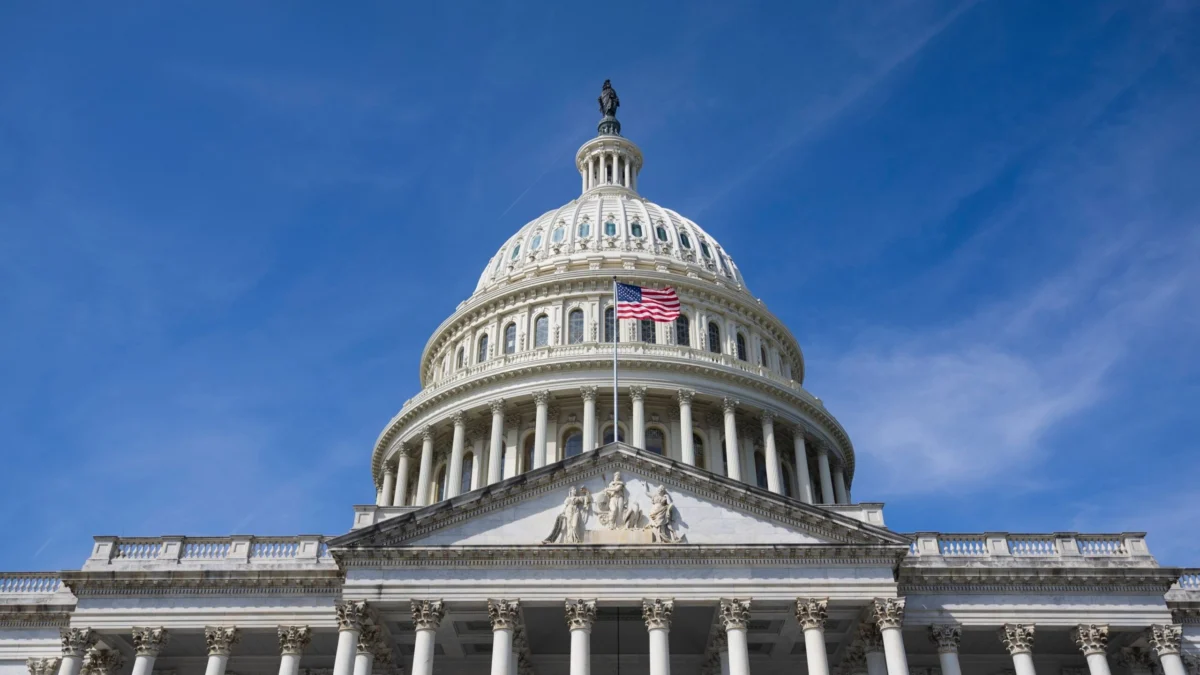
The United States Senate has overwhelmingly passed a new sanctions bill aimed at increasing pressure on Russia over its ongoing war in Ukraine. The legislation, a culmination of protracted negotiations, secured a significant majority with a vote of 86 to 11. This move underscores the strong bipartisan consensus in the U.S. Congress to hold Russia accountable for its aggression and to disrupt its ability to finance the conflict.

The bill, which was significantly driven by the late Senator Lindsey Graham, now advances to the House of Representatives for its consideration. However, with the House currently in recess, a vote on the legislation is not expected until September. This delay, while perhaps frustrating for proponents, does not diminish the Senate’s decisive action.
Key Provisions and Objectives of the Sanctions Bill
The sanctions package is designed to target multiple facets of Russia’s economy, with a particular focus on its energy sector, which is considered central to funding the war effort. Beyond direct sanctions against Russian politicians and entities, the bill aims to further curb Russia’s oil and gas exports. These exports have been a primary source of revenue for the Kremlin, enabling it to sustain its military operations in Ukraine.

A crucial element of the legislation grants U.S. President Donald Trump the authority to impose sanctions on the five largest purchasers of Russian energy resources. Furthermore, it allows for sanctions against countries that are perceived to be most instrumental in helping Russia circumvent existing energy sanctions. This provision carries significant implications for U.S. trade relations with major energy consumers like China and India, both of whom are substantial buyers of Russian oil. The administration’s ability to wield this authority will likely shape delicate diplomatic and economic relationships in the coming months.
Developments on the Ground and Diplomatic Engagements
The Senate’s vote occurs amidst a landscape of continued conflict and evolving diplomatic efforts. In Ukraine, the situation remains dire, with ongoing hostilities impacting civilian populations and critical infrastructure. Reports from the Crimean peninsula indicate civilian casualties resulting from Ukrainian drone attacks, highlighting the escalating nature of asymmetric warfare. These attacks, often launched from Ukrainian-controlled territory, target military assets and infrastructure within the occupied peninsula, which Russia annexed in 2014 and considers a key strategic hub for its operations.

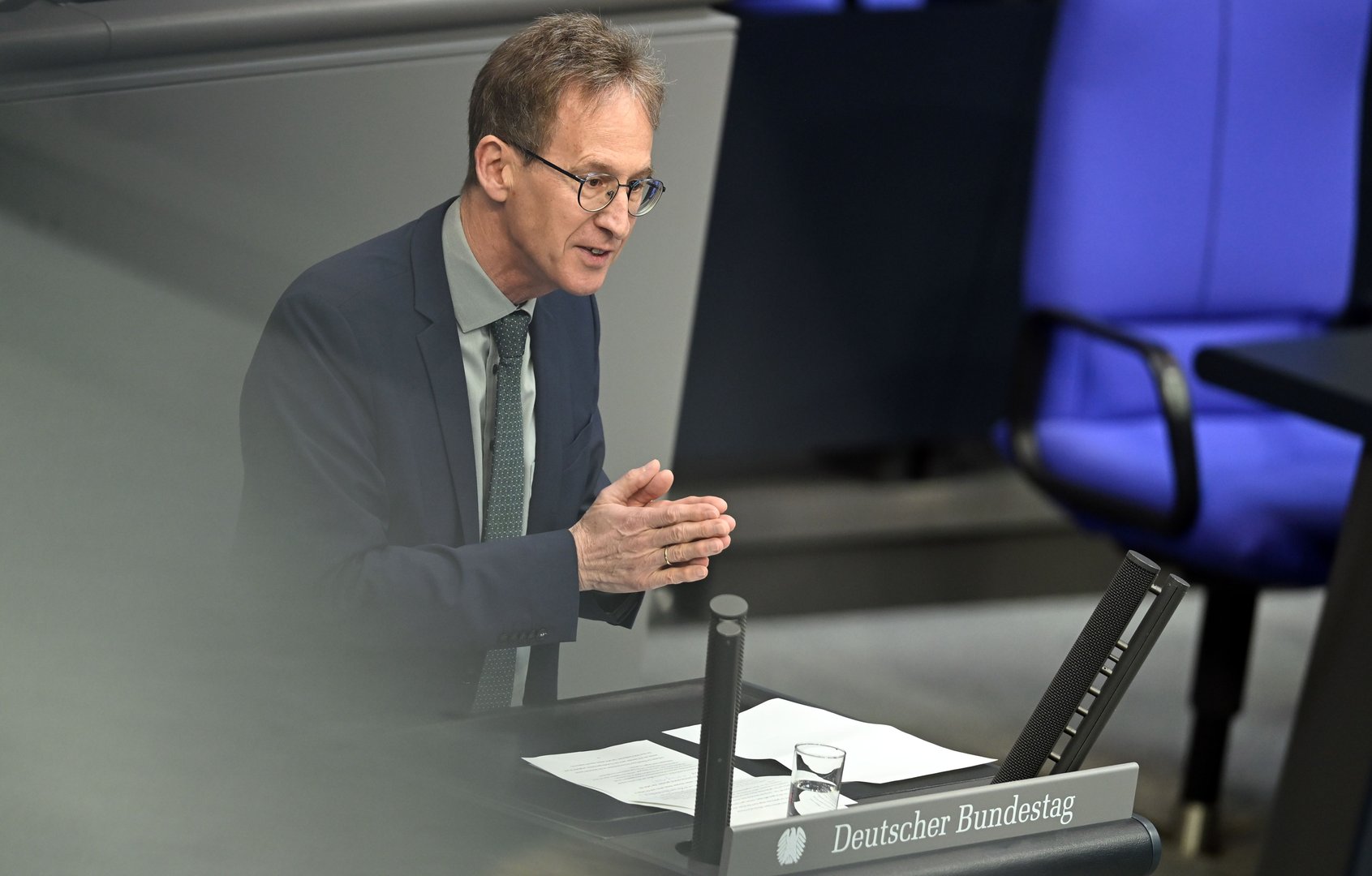
Meanwhile, Ukrainian President Volodymyr Zelenskyy has embarked on diplomatic missions to strengthen international support and secure vital aid. His recent visit to Serbia marked his first official trip to the Balkan nation. During his discussions with Serbian President Aleksandar Vučić and Prime Minister Ana Brnabić, a range of bilateral issues were on the agenda, including expanding economic ties, aligning their respective paths toward European Union membership, and addressing security concerns.
President Zelenskyy’s visit to Serbia is particularly noteworthy given Serbia’s historically close ties with Russia. President Vučić has navigated a complex geopolitical landscape since the full-scale invasion of Ukraine, attempting to balance traditional alliances with Russia against his country’s aspirations for EU integration. Serbia has, to date, resisted joining Western sanctions against Russia, a stance that has drawn criticism from Brussels and Washington. Despite this, Belgrade has increased its engagement with Kyiv, pledging support for Ukraine’s reconstruction and reaffirming its territorial integrity. Russia has previously accused Serbia of supplying weapons to Ukraine through third-party channels, adding another layer of complexity to regional dynamics.
Impact on Global Trade and Food Security
The ongoing conflict continues to exert significant pressure on global trade, particularly concerning vital commodities like grain. Attacks on Ukrainian ports in the Odessa region have severely hampered grain exports, leading to a projected decline of approximately 50 percent in the current season. This disruption has far-reaching implications for global food security, as Ukraine is a major supplier of grain to international markets.
According to data from the Ukrainian Ministry of Agrarian Policy and Food, the country’s agricultural exports for the 2026/27 economic year are estimated to reach around 29.6 million tons. This figure represents a substantial decrease of 54 percent compared to an earlier projection of 64.4 million tons. Wheat exports alone are anticipated to fall by 53 percent, reaching an estimated 8.3 million tons. The loss of these exports has a cascading effect, impacting food prices and availability worldwide, and disproportionately affecting nations heavily reliant on Ukrainian grain imports.
Russian Domestic Developments and Political Climate
Within Russia, the political landscape is also adapting to the sustained pressure of the conflict. The Yabloko party, the only political entity in Russia openly opposing the war in Ukraine, faces the prospect of exclusion from the upcoming parliamentary elections in September. A lawsuit filed by the Kremlin-aligned nationalist party Rodina (Motherland) challenges Yabloko’s eligibility, accusing it of being a Western-backed movement aiming to discredit the electoral process and Russia itself. The Supreme Court is scheduled to hear the case, a development that could further consolidate the pro-war political establishment in Russia.
In a separate development, the prominent anti-war politician Boris Nadezhdin, who had intended to run for parliament, was declared a "foreign agent" in July and has since left the country. These events reflect a tightening political environment in Russia, where dissent regarding the conflict is increasingly marginalized.
Escalation of Drone Warfare and Infrastructure Attacks
The use of drones by both sides has become a defining characteristic of the conflict, extending beyond the immediate battlefield. Russia and Ukraine have reported numerous overnight drone attacks. Russia’s Ministry of Defense claims to have intercepted 203 Ukrainian drones by Friday morning, while Ukraine’s Air Force reported 147 Russian long-range drones.
In the Sumy region of northern Ukraine, a Russian drone struck a busy market, injuring ten people. Ukrainian authorities reported that residential buildings and infrastructure were also damaged. In the eastern Kharkiv region, Russian rocket attacks resulted in civilian casualties. The city of Izium, located approximately 30 kilometers from the front lines, was targeted by multiple rocket launchers, with reports of cluster munitions being used. Izium, which was under Russian occupation for several months in 2022, has been a recurring target.

The conflict’s reach is also extending to Russian economic infrastructure. Ukrainian drone attacks have targeted major Russian online retailer Wildberries, impacting thousands of small businesses that rely on the platform for sales. These attacks, coupled with strikes on oil refineries deep within Russian territory, aim to make the war palpable for the Russian populace and increase the economic cost of the conflict for the Kremlin. Strikes on refineries in Bashkortostan and Yaroslavl, located far from the Ukrainian border, demonstrate Ukraine’s increasing capability to project force into Russia’s hinterland.
International Reactions and Investigations
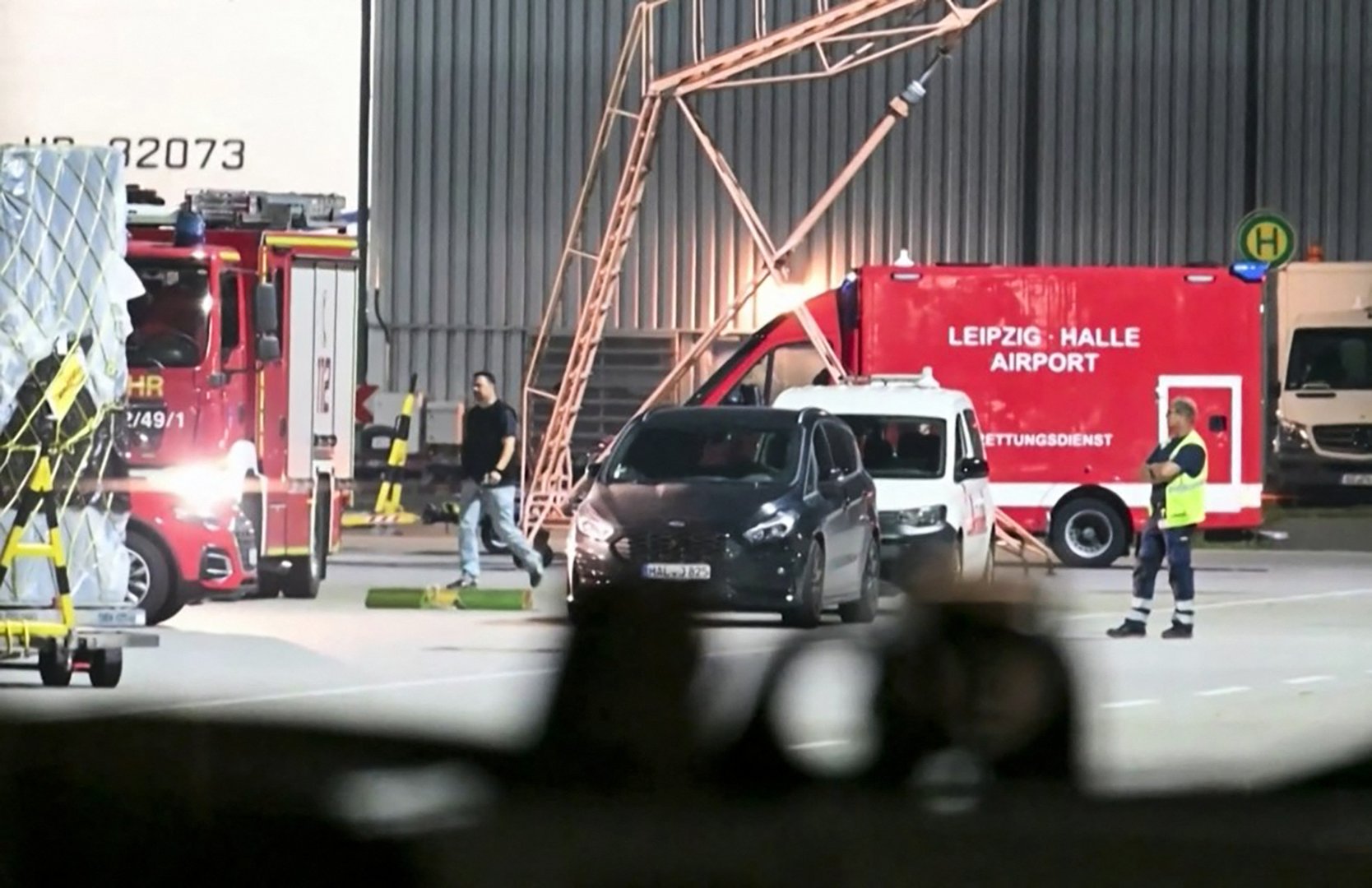
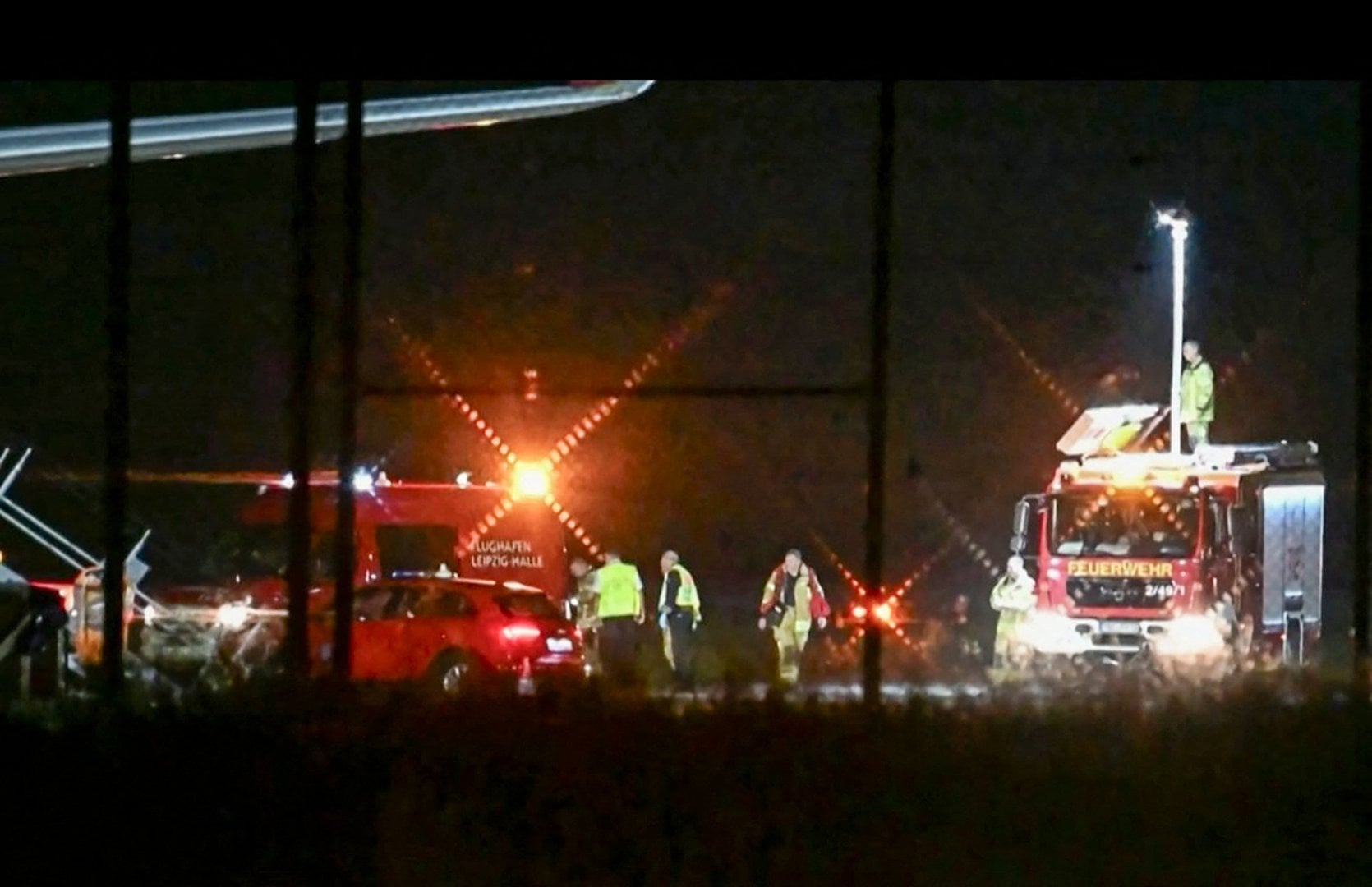
The increasing frequency and sophistication of drone attacks have prompted international concern and investigations. Germany’s Federal Prosecutor’s Office has taken over the investigation into a suspected attempted attack involving an explosive drone at Leipzig Airport. The drone was discovered near Ukrainian cargo aircraft. The investigation involves potential charges of attempted explosive detonation and dangerous interference with air traffic. Initial reports suggested the drone may have been targeting an aircraft laden with ammunition, though German officials have since stated that the aircraft in question were not carrying munitions. The type of explosive used in the drone, identified as Semtex, has historical links to terrorist incidents, further raising concerns.
Lithuania has warned that Russia might stage provocations against the Baltic states using captured Ukrainian drones, orchestrating "false flag" operations to sow discord and diminish support for Ukraine. This warning highlights the broader regional security concerns and the potential for the conflict to spill over into neighboring NATO territories.
Timeline of Key Events
- Pre-2022: Russia annexes Crimea in 2014 and supports separatists in eastern Ukraine, leading to protracted conflict in the Donbas region.
- February 24, 2022: Russia launches a full-scale invasion of Ukraine.
- 2022: Izium in the Kharkiv region is under Russian occupation for several months before being liberated by Ukrainian forces in September.
- Ongoing: Continuous drone attacks by both sides on military and civilian targets.
- Recent Weeks: Escalation of Ukrainian drone attacks targeting Russian economic infrastructure, including Wildberries distribution centers and oil refineries.
- Present: U.S. Senate passes a new sanctions bill against Russia. Ukrainian President Zelenskyy undertakes diplomatic visits, including to Serbia.
Broader Impact and Implications
The passage of the U.S. Senate’s sanctions bill signifies a continued commitment from a major global power to isolate Russia economically and diplomatically. The effectiveness of these sanctions will depend on their robust implementation and the cooperation of international partners. The continued disruption of Ukrainian grain exports poses a significant humanitarian challenge, potentially exacerbating food insecurity in vulnerable regions.

The increasing use of drones by both sides signals a shift in modern warfare tactics, with implications for civilian safety and the nature of conflict. The potential for escalation, including the possibility of spillover into neighboring countries, remains a critical concern. As the war continues, the international community faces the ongoing challenge of balancing humanitarian concerns, economic stability, and geopolitical security. The U.S. sanctions bill, while a significant step, is one part of a larger, complex strategy aimed at influencing Russia’s behavior and supporting Ukraine’s sovereignty. The coming months will likely reveal the full impact of these measures and the evolving dynamics of the conflict.
