

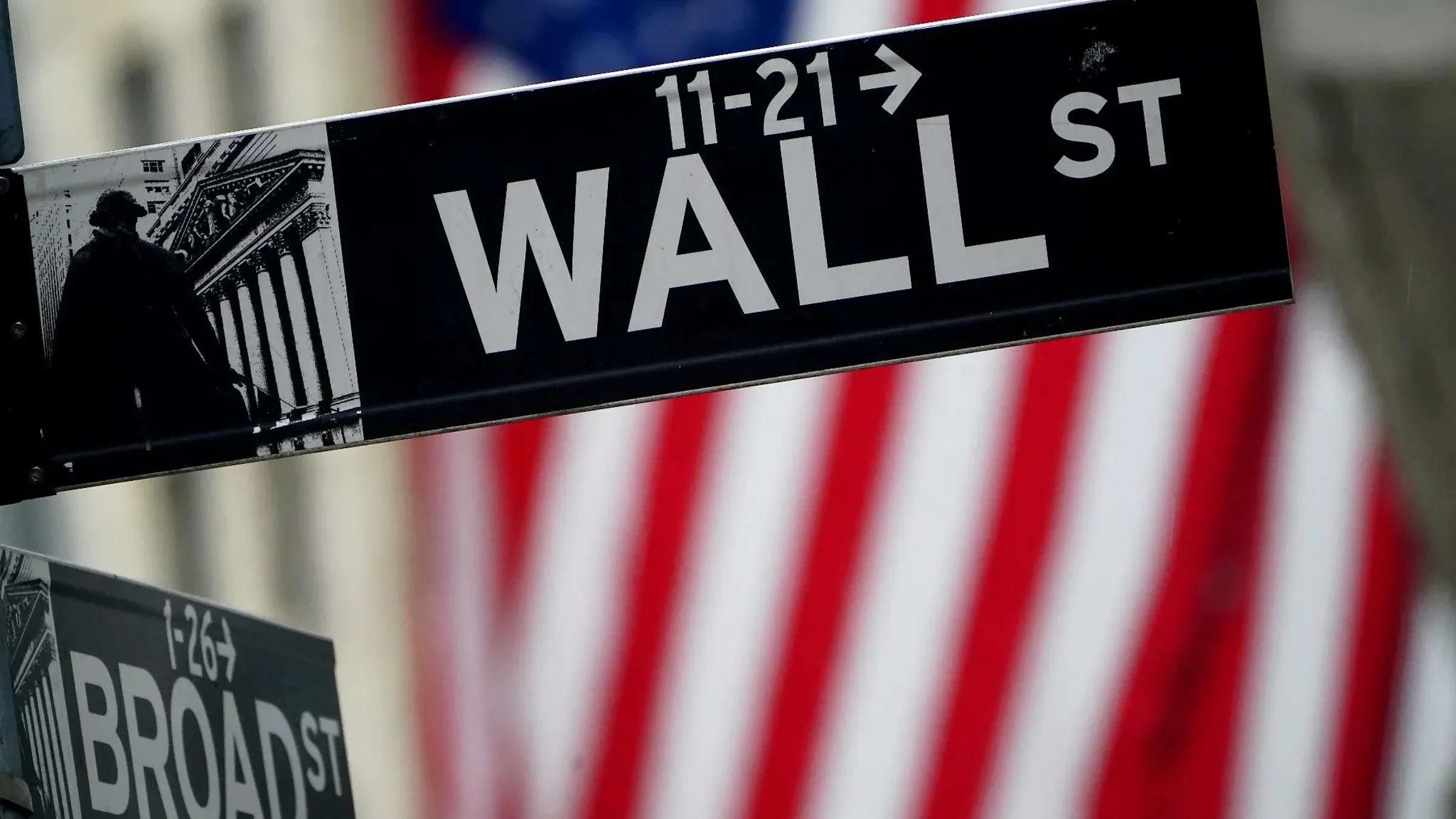
The Dow Jones Industrial Average, the S&P 500, and the Nasdaq Composite all experienced a significant upward trend, closing the trading week on a strong note. This positive momentum was largely driven by the release of a surprisingly weak U.S. jobs report for July, which has implications for the Federal Reserve’s monetary policy. The gains marked the strongest weekly percentage increases for all three major indices since mid-April, signaling renewed investor confidence.
Key Market Performance and July Jobs Data
The S&P 500 concluded the week with a gain of 3.6%, the Nasdaq Composite surged by 5.2%, and the Dow Jones Industrial Average saw an increase of approximately 3%. These robust performances were directly correlated with the latest employment figures from the U.S. Department of Labor.
Contrary to economists’ expectations of an 80,000 job increase in the nonfarm payroll sector, the U.S. labor market unexpectedly contracted in July. The data revealed a decrease of 23,000 jobs outside of agriculture. This contraction represents a significant deviation from projected growth and has prompted a reassessment of the economic landscape by market participants and policymakers alike.
Background: The Significance of the U.S. Labor Market for Monetary Policy
The U.S. labor market plays a pivotal role in the decision-making process of the Federal Reserve. The central bank operates under a dual mandate: to maintain price stability and to foster maximum employment. A strong labor market typically indicates a healthy economy, potentially allowing the Fed to maintain or increase interest rates to combat inflation. Conversely, a weakening labor market signals potential economic headwinds, which may compel the Fed to consider interest rate cuts to stimulate growth and support job creation.
The unexpected decline in July’s job numbers suggests that the economy may be cooling more rapidly than anticipated. This development could influence the Federal Reserve’s future monetary policy decisions, potentially leading to a pause or even a reversal of interest rate hikes aimed at curbing inflation. Investors are closely watching these indicators, as they directly impact borrowing costs, corporate profitability, and overall market valuations.
Chronology of Economic Indicators and Market Reactions
The release of the July jobs report on the first Friday of August marked a turning point in market sentiment for the week. Prior to this, markets had been navigating a complex economic environment characterized by persistent inflation concerns and ongoing interest rate hikes by the Federal Reserve.
Early July: The preceding weeks saw market participants grappling with mixed economic signals. Inflation data, while showing some signs of moderation, remained elevated. The Federal Reserve had signaled its commitment to further monetary tightening if necessary to bring inflation back to its 2% target. This created an environment of uncertainty, with investors cautiously assessing the potential for a recession.
Mid-July: Corporate earnings reports began to trickle in, providing a snapshot of how businesses were faring amidst rising interest rates and inflationary pressures. While some sectors demonstrated resilience, others showed signs of strain. This period also saw continued discussions about the potential for a "soft landing" versus a more pronounced economic downturn.
Late July: The Federal Reserve concluded its July Federal Open Market Committee (FOMC) meeting, announcing another interest rate hike. While the magnitude of the hike was anticipated, the accompanying statements from Fed Chair Jerome Powell indicated a data-dependent approach to future policy decisions. This emphasis on incoming economic data heightened the importance of subsequent releases, particularly employment figures.
Early August (Report Release): The release of the July employment report on Friday morning delivered a shock to the system. The unexpected contraction in nonfarm payrolls immediately shifted market sentiment. Equities experienced a sharp rally as investors began to price in a potentially less hawkish Federal Reserve. Bonds also saw gains as the prospect of lower future interest rates became more plausible.
Post-Report Analysis: Financial analysts and economists immediately began dissecting the report, noting not only the headline decline but also revisions to previous months’ data and other labor market indicators such as wage growth and unemployment rate trends. The consensus quickly formed around the idea that this data would significantly impact the Fed’s upcoming decisions.

Deeper Dive into the Labor Market Contraction
The contraction of 23,000 jobs in July is a significant deviation from the trend observed in previous months. For context, the U.S. economy had been experiencing consistent job growth, with monthly additions often in the hundreds of thousands. This abrupt slowdown suggests a more rapid cooling of the labor market than previously modeled.
Several factors could be contributing to this unexpected development:
- Impact of Higher Interest Rates: The cumulative effect of the Federal Reserve’s aggressive interest rate hikes over the past year and a half may finally be exerting a more pronounced impact on labor demand. Businesses, facing higher borrowing costs and potentially reduced consumer spending, may be scaling back hiring plans or even initiating layoffs.
- Sector-Specific Weakness: While the report doesn’t provide granular detail in its initial release, historical trends suggest that sectors like technology, professional and business services, and leisure and hospitality are often sensitive to economic shifts. Further analysis will likely reveal which industries bore the brunt of the job losses.
- Labor Force Participation: It is crucial to examine the labor force participation rate alongside job numbers. A decline in participation could mask underlying weakness if fewer people are actively seeking employment. However, in this instance, the headline unemployment rate’s behavior will also be a key indicator.
Potential Implications for Federal Reserve Policy
The weak jobs report presents a complex challenge for the Federal Reserve. On one hand, it supports the argument that their monetary tightening is working to cool the economy and potentially bring down inflation. This could lead to a pause in further rate hikes, providing some relief to businesses and consumers.

On the other hand, a significant and sustained contraction in the labor market could signal a deepening economic slowdown, raising concerns about a potential recession. The Fed would need to carefully balance its fight against inflation with the imperative to avoid an overly harsh economic downturn that could lead to widespread unemployment.
Possible Scenarios:
- Fed Pause: The July jobs report significantly increases the likelihood that the Federal Reserve will hold interest rates steady at its next meeting. This would allow policymakers to assess the full impact of previous hikes and observe further economic data before making any additional moves.
- Shift in Stance: While a recession is not guaranteed, the weak jobs data, combined with other potential signs of economic deceleration, could prompt the Fed to signal a more dovish stance for the remainder of the year, potentially opening the door for rate cuts in the future, depending on inflation trends.
- Focus on Inflation: Despite the weak jobs report, if inflation remains stubbornly high, the Fed might still consider further tightening, though the political pressure to avoid exacerbating unemployment would increase.
Corporate Reactions and Sectoral Performance
The surprising employment data elicited a strong positive reaction from the stock market. Companies, particularly those sensitive to interest rate movements and economic growth, saw their share prices climb.

Atlassian’s Surge: While the original report mentioned a "Kurssprung für Atlassian," specific details regarding Atlassian’s performance beyond this are not provided. However, in the context of a broad market rally driven by dovish monetary policy expectations, technology and growth stocks often benefit. A less aggressive Federal Reserve typically translates to a lower discount rate for future earnings, making growth companies more attractive. If Atlassian released positive earnings or announced strategic initiatives that resonated with investors in this new economic outlook, its stock would likely see a significant uplift.
Broader Sectoral Impact:
- Technology: Companies in the tech sector, often more reliant on growth and venture capital, tend to be sensitive to interest rate environments. A potential pause or pivot from the Fed could significantly boost valuations for tech firms.
- Consumer Discretionary: A weakening labor market can negatively impact consumer spending on non-essential goods and services. However, if the jobs data leads to expectations of lower interest rates and a potential avoidance of a severe recession, consumer confidence could stabilize, benefiting this sector.
- Financials: Banks and other financial institutions are closely tied to interest rate movements. A Fed pause could lead to more stable net interest margins, while expectations of future rate cuts might initially put pressure on profitability.
- Real Estate: The real estate sector, highly sensitive to mortgage rates, would likely see a positive impact from expectations of stable or lower interest rates, potentially stimulating housing demand.
Analyst and Expert Commentary
The consensus among market analysts following the report was one of cautious optimism, tempered by the acknowledgment of ongoing economic challenges.

"This jobs report is a game-changer," commented a senior market strategist at a major investment bank. "It significantly alters the calculus for the Federal Reserve. While inflation remains a concern, the unexpected contraction in employment suggests that the economy is more vulnerable than we previously thought. This opens the door for a potential pause in rate hikes, which the market has clearly been anticipating."
Another economist noted, "The key now is to watch for follow-up data. Was this a one-off anomaly, or does it represent a sustained trend? The Fed will be scrutinizing every subsequent employment and inflation report very closely. The risk of a policy error, either tightening too much and triggering a deep recession, or easing too soon and reigniting inflation, is very real."
Looking Ahead: The Path Forward for Markets and the Economy
The coming weeks will be critical for understanding the trajectory of the U.S. economy and the Federal Reserve’s response. Investors will be keenly awaiting further inflation data, as well as subsequent employment reports, to gauge whether the July figures represent a temporary setback or a more fundamental shift in labor market dynamics.

The performance of corporate earnings in the next reporting season will also provide valuable insights into the health of businesses and their ability to navigate the prevailing economic conditions. The interplay between inflation, employment, and monetary policy will continue to be the dominant narrative shaping market sentiment and investment decisions. The unexpected strength of the market’s reaction to the weaker-than-expected jobs data underscores the delicate balance that policymakers must strike to achieve their economic objectives without tipping the economy into a significant downturn.
