

The ongoing conflict with Iran, initiated by U.S. President Donald Trump, is reportedly facing internal dissent within the American military establishment, with the Chairman of the Joint Chiefs of Staff, General Dan Caine, actively seeking a strategic off-ramp. This revelation, based on reporting by CNN and corroborated by other intelligence sources, suggests a growing concern among top military leaders regarding the feasibility of achieving Trump’s war objectives through current operational strategies, particularly airstrikes.
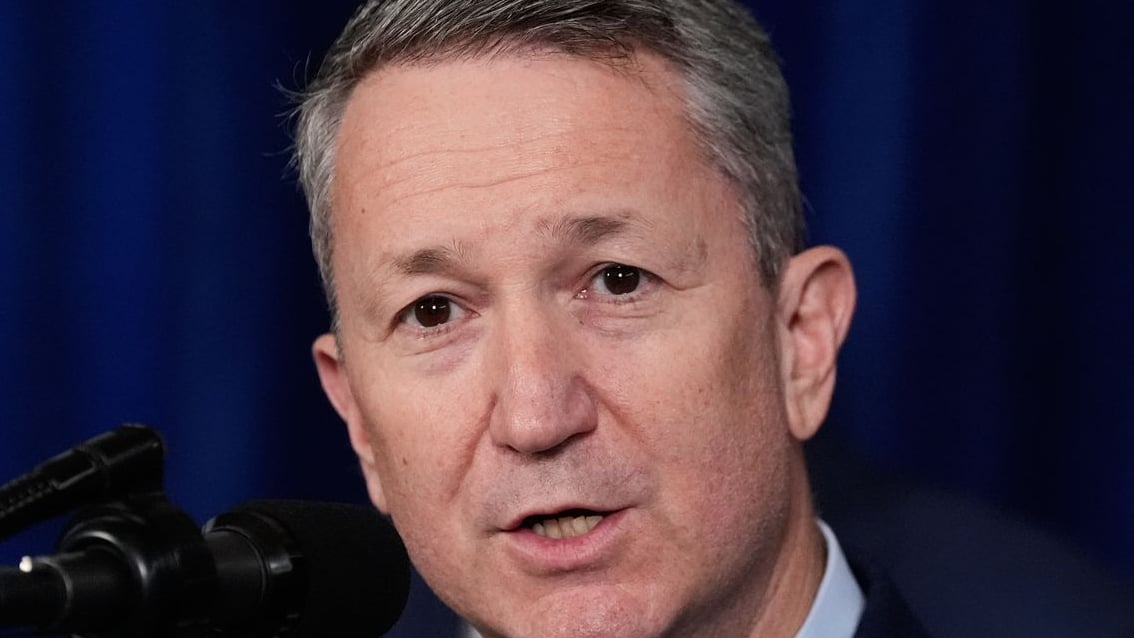
The U.S. military’s engagement in Iran, which commenced on February 28th, has been characterized by a series of airstrikes and naval operations aimed at degrading Iran’s military capabilities and deterring its regional influence. However, recent internal discussions within the Pentagon indicate a divergence of opinion regarding the long-term effectiveness of these measures. General Caine, a key figure in the U.S. military command structure, is reportedly leading confidential discussions with senior administration officials, including CIA Director John Ratcliffe, Secretary of State Marco Rubio, and Vice President JD Vance, to explore pathways for disengagement from the conflict.
Sources close to the matter describe Caine’s efforts as a proactive measure to protect the military’s resources and personnel, suggesting that he believes Trump’s stated war aims—which have remained somewhat fluid but generally encompass de-escalation of regional tensions and curtailment of Iran’s nuclear program—cannot be fully realized through air power alone. This assessment implies a need for a more comprehensive strategy, potentially involving diplomatic overtures or a reassessment of the operational objectives themselves.

The background to this internal deliberation is rooted in the escalating tensions between the United States and Iran, which have been simmering for years and were significantly inflamed by a series of incidents in late 2025 and early 2026. These included alleged Iranian provocations against international shipping in the Strait of Hormuz, retaliatory U.S. drone strikes on Iranian military targets, and a broader regional proxy conflict involving Houthi rebels in Yemen and Saudi Arabia. The initial decision to escalate military action against Iran was reportedly driven by intelligence assessments suggesting an imminent Iranian nuclear weapons capability, a claim that has been met with skepticism by some international observers.
Escalating Tensions and Diplomatic Maneuvers
The current military engagement is a culmination of a long period of diplomatic friction and sporadic confrontations. In the lead-up to the current conflict, the U.S. had been implementing a policy of "maximum pressure" on Iran, characterized by stringent economic sanctions aimed at crippling its economy and forcing concessions. However, these sanctions, while impacting Iran’s financial resources, did not deter its regional activities or its pursuit of advanced military technologies.
The reported discussions led by General Caine suggest a potential shift in U.S. strategy, moving from a purely military-centric approach towards a more nuanced strategy that incorporates diplomatic solutions. This aligns with recent reports of indirect negotiations between Iran and Oman concerning the safe passage of vessels through the Strait of Hormuz. Iran, through its Foreign Ministry, has indicated that it is "very close" to an agreement with Oman on a new shipping route, contingent on unspecified conditions related to U.S. actions. The Iranian Revolutionary Guard Corps has, however, cautioned that the reopening of the Strait of Hormuz is dependent on U.S. compliance with Iranian demands and has stated that the U.S. should refrain from interfering in the negotiations between Iran and Oman.
The Strategic Importance of the Strait of Hormuz
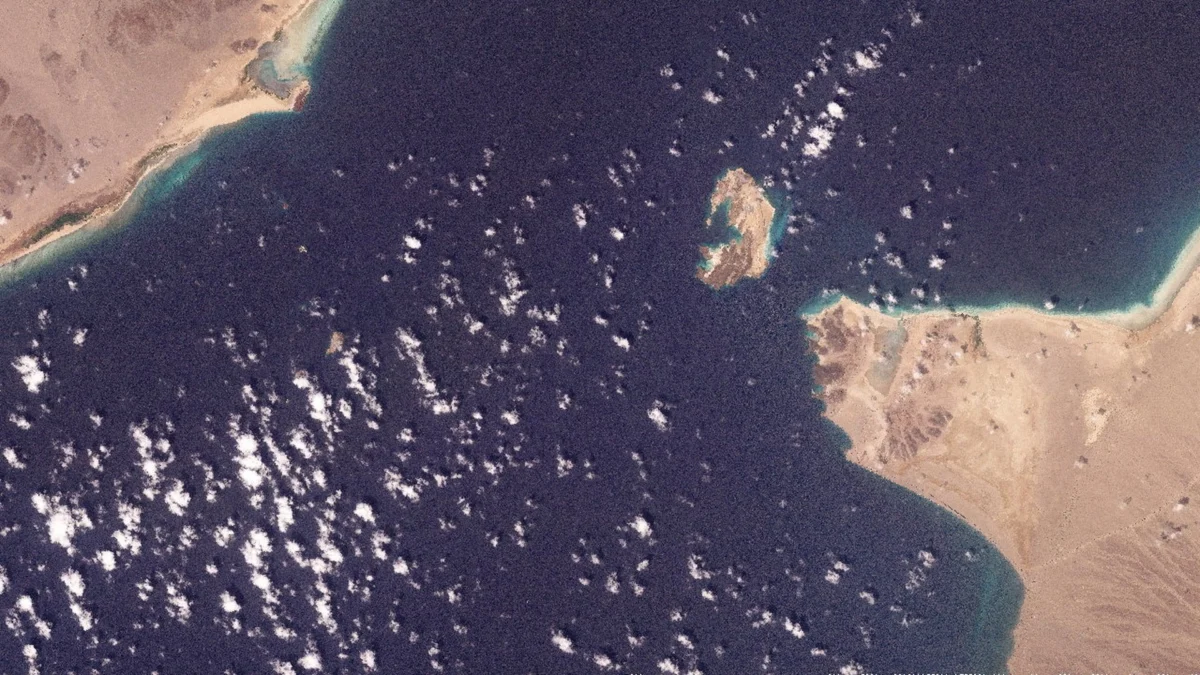
The Strait of Hormuz, a narrow waterway connecting the Persian Gulf to the Gulf of Oman, is a critical chokepoint for global energy supplies. Approximately 20-30% of the world’s oil and liquefied natural gas (LNG) passes through this vital passage. Any disruption to shipping in this region can have immediate and significant repercussions on global energy markets, leading to price volatility and potential supply shortages.
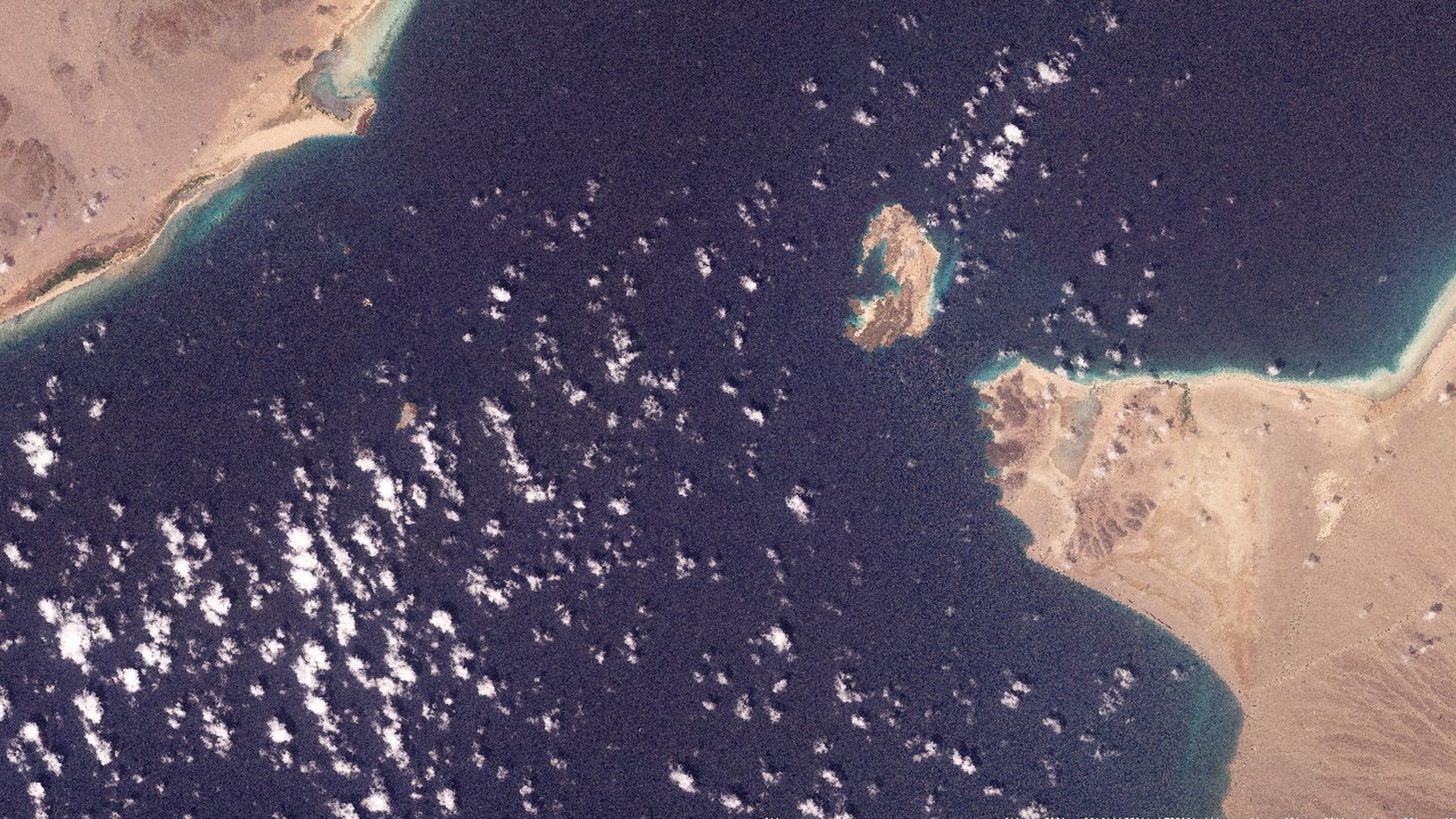
In recent weeks, data from the analysis firm Kpler has indicated a substantial decline in maritime traffic through the Strait of Hormuz and the Bab al-Mandab strait. For instance, between Monday and Thursday of one week, only 33 ships passed through the Strait of Hormuz, a significant decrease from the usual 130-140 vessels that transit the passage under normal circumstances. This dramatic reduction underscores the heightened risk perception among shipping companies and the impact of ongoing regional tensions on international trade.
The implications of these disruptions extend beyond energy markets. The World Trade Organization (WTO) has warned that sustained disruptions to maritime trade routes could lead to a global economic slowdown, impacting supply chains and increasing inflationary pressures worldwide. The Bundesverband der Deutschen Industrie (BDI), a German industry association, has projected that the Iran war could reduce global economic growth by nearly half a percentage point, bringing it down to 3%.
Internal Military Assessments and the Question of War Aims
General Caine’s reported assessment that airstrikes alone are insufficient to achieve Trump’s war aims is a critical point of contention. The original objectives of the U.S. military intervention are understood to include preventing Iran from acquiring nuclear weapons, curbing its ballistic missile program, and diminishing its support for regional proxy groups like the Houthi rebels. Achieving these goals typically requires a multi-faceted approach involving diplomacy, economic pressure, and, if necessary, targeted military action.
The CNN report suggests that Caine’s discussions have included the possibility of a complete withdrawal from the conflict. This would represent a significant policy reversal for the Trump administration, which has consistently advocated for a robust stance against Iran. However, the growing awareness of the potential for prolonged and costly engagement, coupled with the human cost of war, may be influencing strategic thinking at the highest levels of the U.S. military.

The conflict has also raised concerns about the long-term health of U.S. service members. Reports indicate that nearly 700 American military personnel have sustained injuries, primarily traumatic brain injuries (TBIs), as a result of drone and missile attacks on bases in the Middle East and other combat-related incidents. While the Pentagon has downplayed the severity of many of these injuries, classifying them as "mild concussions," concerns remain about the potential for chronic long-term health issues.
Regional Reactions and Broader Implications
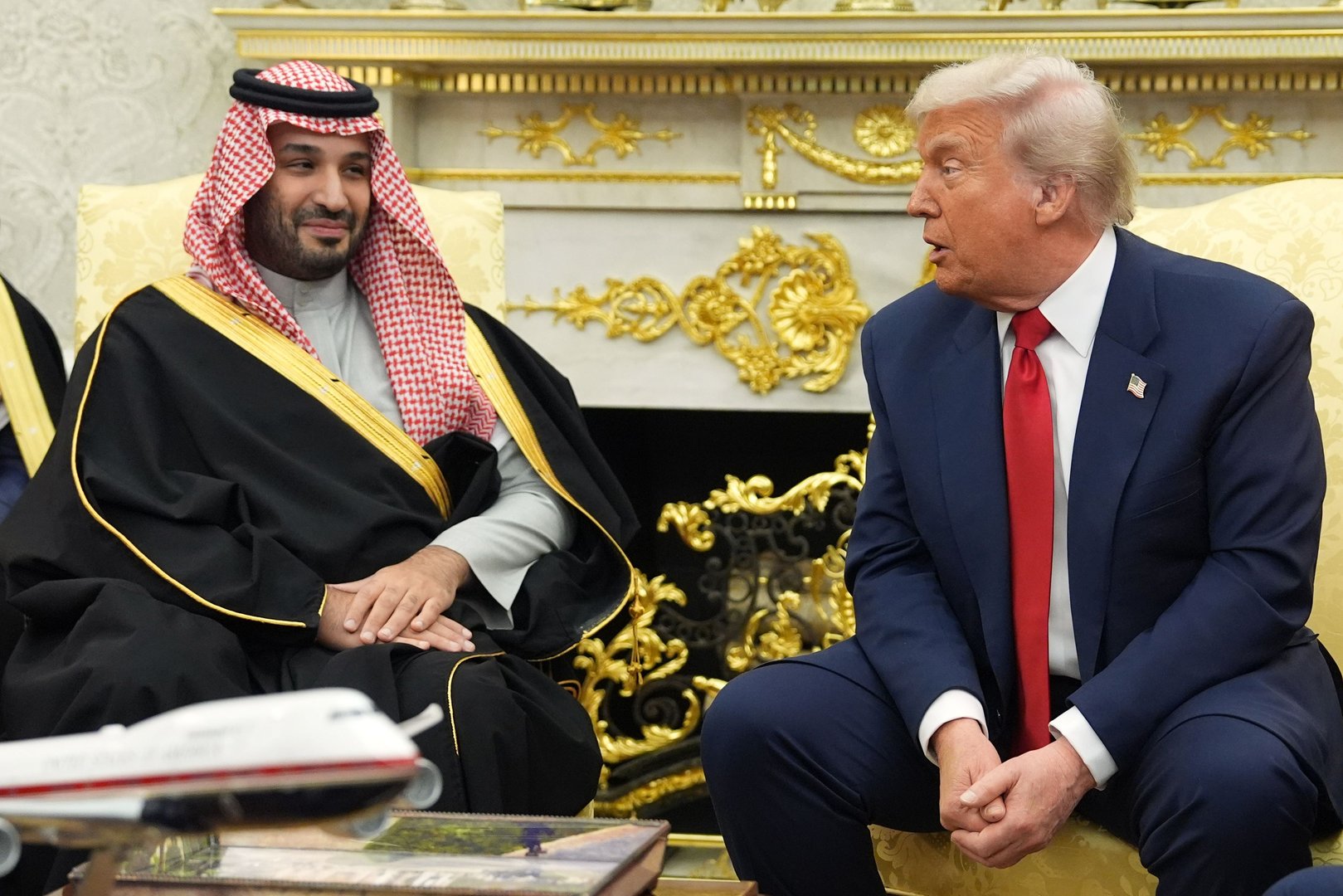
The escalating conflict has drawn reactions from various regional and international actors. The United Nations Security Council has condemned the Houthi attacks on Saudi Arabia and commercial shipping, highlighting the threat to regional security and freedom of navigation. Meanwhile, Saudi Arabia, Turkey, and Pakistan have reportedly formed a defense pact aimed at strengthening collective deterrence, indicating a growing regional alignment in response to perceived threats.

The diplomatic efforts surrounding the Strait of Hormuz are particularly significant. While Iran and Oman are reportedly close to an agreement, the U.S. has stated that any temporary arrangements for passage through the Strait will be toll-free and require no permits. This stance reflects the U.S. position that the Strait of Hormuz is an international waterway. However, industry insiders have expressed concerns that a proposed toll system by Iran and Oman could be difficult to implement due to U.S. sanctions and restrictive insurance clauses, potentially creating further complications for the global shipping industry.
The ongoing conflict also risks exacerbating existing regional disputes. The conflict between Saudi Arabia and the Houthi rebels, which has been fueled by Iranian support for the Houthis, could be further intensified, potentially expanding the conflict into another theater. This could also increase pressure on the U.S. and Saudi Arabia to retaliate militarily against Houthi attacks on shipping.

The Economic Impact of the Iran War
The economic ramifications of the Iran war are far-reaching. Beyond the immediate impact on energy prices and maritime trade, the conflict poses a significant threat to global economic growth. The BDI’s projection of a nearly half a percentage point reduction in global growth highlights the substantial negative impact of sustained conflict and trade disruptions. Inflationary pressures are also expected to rise, with the BDI predicting a global inflation rate of over 4.5%.
For individual nations, the consequences can be severe. Germany, for example, is expected to see its economic growth tempered by the conflict, despite a seemingly strong performance in the second quarter. If the disruptions in the Strait of Hormuz continue, the global economic outlook could worsen considerably.

Conclusion: A Crossroads in U.S. Foreign Policy
The reported internal deliberations within the U.S. military, spearheaded by General Caine, signal a critical juncture in U.S. foreign policy regarding Iran. The acknowledgment of limitations in current military strategies and the exploration of diplomatic avenues suggest a potential recalibration of U.S. objectives. The coming weeks and months will be crucial in determining whether the Trump administration will pivot towards a more diplomatic resolution or continue on its current military trajectory. The complex interplay of regional alliances, international economic stability, and the human cost of prolonged conflict will undoubtedly shape the ultimate outcome. The search for an "off-ramp" from the Iran war is not merely a military consideration but a profound strategic decision with far-reaching implications for global peace and prosperity.
