

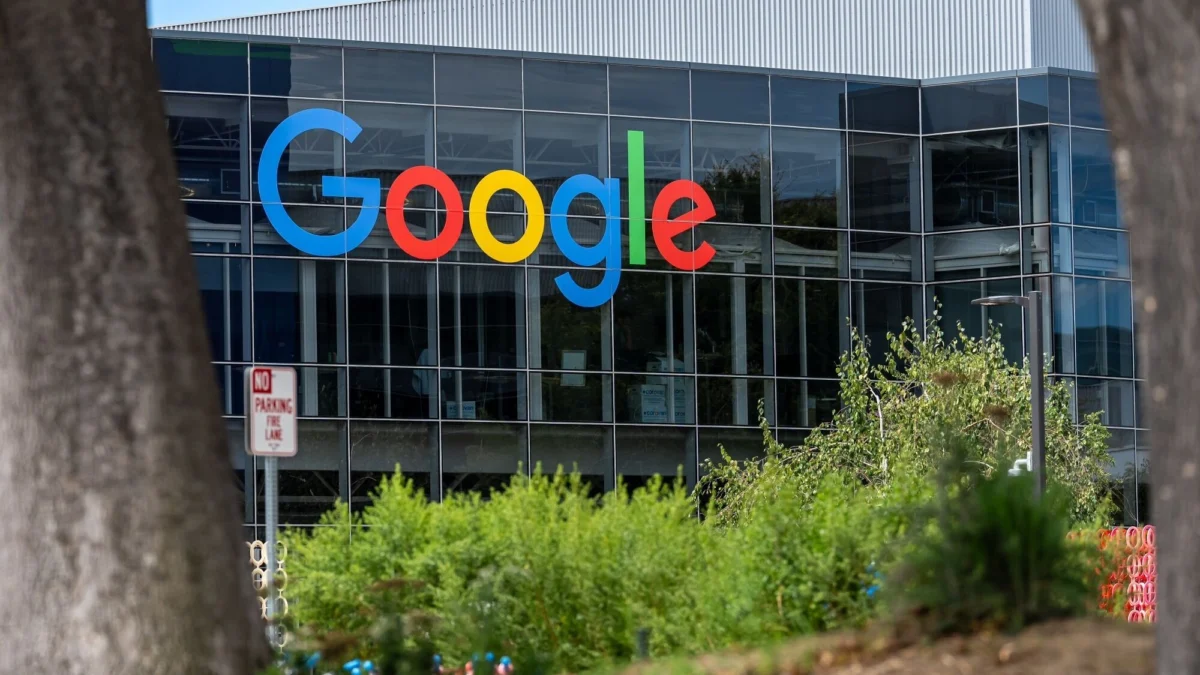
New York – In a pivotal moment for the ongoing antitrust battle surrounding the digital advertising landscape, Google has achieved a substantial legal victory. A federal judge on Wednesday rejected a request from antitrust enforcers to force the sale of Google’s AdX, the company’s powerful advertising exchange. Instead, the court has mandated changes to Google’s business practices, a ruling that averts a potential breakup of a core component of the tech giant’s advertising empire.
The decision by U.S. District Judge Leonie Brinkema marks a critical juncture in the Department of Justice’s (DOJ) antitrust lawsuit, which has targeted Google’s dominance in the online advertising market. The DOJ had sought the divestiture of AdX, a platform that orchestrates real-time auctions for digital advertisements. These ads are displayed to users almost instantaneously as they navigate websites, with advertisers bidding for placement and typically paying a 20% fee to AdX for facilitating these transactions.
Background: The Antitrust Scrutiny of Google’s Ad Tech Dominance
Google’s digital advertising business has been under intense scrutiny from regulators worldwide for years. The company occupies a unique and powerful position across multiple facets of the online ad ecosystem, acting as a seller of ad space on its own platforms (like YouTube and Google Search), a broker for publishers seeking to sell ad space on their websites, and an operator of ad exchanges where these transactions occur. This multifaceted role has raised concerns that Google may be leveraging its control over one part of the market to gain an unfair advantage in others.
The DOJ’s lawsuit, filed in January 2023, is a landmark antitrust case that seeks to dismantle what prosecutors describe as Google’s monopolistic grip on digital advertising. The complaint alleges that Google has maintained and expanded its monopoly power through a series of anticompetitive practices, including its acquisitions of DoubleClick and AdMob, and its control over ad exchange technologies. The core of the DOJ’s argument has been that Google’s integrated approach stifles competition, increases costs for advertisers, and deprives publishers of fair compensation for their ad inventory.
The AdX platform, central to this case, is a sophisticated programmatic advertising system. It enables advertisers to bid on ad impressions in real-time as a user visits a webpage. This process, often referred to as "ad tech," is incredibly fast, with auctions concluding in milliseconds. Google’s ownership and operation of AdX places it at the nexus of numerous advertising transactions, giving it unparalleled visibility and influence over the flow of digital ad spending. The DOJ argued that this position, combined with Google’s other ad tech holdings, created an insurmountable competitive advantage, effectively allowing Google to control both sides of the market and extract exorbitant fees.
The Court’s Decision: A Mandate for Interoperability, Not Divestiture
Judge Brinkema’s ruling, initially kept under seal before a redacted version is expected later this month, sidestepped the DOJ’s most drastic demand: the forced sale of AdX. This outcome represents a significant reprieve for Google, as breaking up such a core business unit would have had profound implications for its operations and revenue streams. Instead of a divestiture, the judge ordered changes to Google’s business practices, focusing on ensuring that its advertising technology works seamlessly with those of its competitors.
This mandate for interoperability suggests that the court believes Google can maintain its AdX business while still fostering a more competitive environment. The specific nature of these mandated changes remains undisclosed in the unsealed portions of the ruling, but they are expected to address how Google’s ad tech interacts with other platforms and services in the market. The goal would be to prevent Google from using its AdX platform to unfairly disadvantage rivals or to steer advertisers and publishers towards its own services.
The DOJ’s request for a forced sale was seen by many as an attempt to fundamentally alter the structure of Google’s advertising business, akin to previous antitrust actions that led to the breakup of large corporations. By rejecting this request, Judge Brinkema has indicated a preference for regulatory intervention that aims to modify Google’s conduct rather than dismantle its assets.
Timeline of Events Leading to the Ruling
The antitrust investigation into Google’s ad tech practices has been a protracted affair, involving multiple agencies and jurisdictions.
- March 2021: The U.S. Department of Justice (DOJ) files a lawsuit alleging Google engaged in monopolistic practices in the online advertising market.
- January 2023: The DOJ amends its complaint, specifically targeting Google’s AdX platform and requesting its divestiture as a remedy.
- Ongoing throughout 2023 and early 2024: Legal proceedings, including discovery, motions, and hearings, take place in the U.S. District Court for the Eastern District of Virginia, presided over by Judge Leonie Brinkema.
- Wednesday, [Date of Article – assumed to be recent]: Judge Brinkema issues her ruling, rejecting the DOJ’s request for AdX divestiture and ordering modifications to Google’s business practices.
This timeline highlights the deliberate and comprehensive nature of the legal process, culminating in a decision that carries significant weight for the future of digital advertising.
Supporting Data and Market Context
Google’s dominance in the digital advertising market is well-documented. While specific market share figures can fluctuate and are often contested, industry reports consistently place Google at the forefront. For instance, prior to this ruling, estimates suggested that Google controlled a significant portion of the digital ad spending in the U.S., with some analyses indicating a share exceeding 25% of the total market. The company’s revenue from advertising is a cornerstone of its financial success, contributing billions of dollars annually.
The AdX platform is a crucial component of this revenue stream. Its ability to facilitate real-time bidding for ad space means that it is involved in a vast number of transactions daily. The 20% fee that advertisers pay to AdX, as mentioned in the article, represents a substantial income for Google. This fee structure has been a point of contention, with critics arguing that it is inflated due to Google’s market power.
The broader digital advertising market is characterized by immense complexity. It involves publishers who want to monetize their content, advertisers seeking to reach specific audiences, and a multitude of technology providers that facilitate these connections. The rise of programmatic advertising, where automated systems handle the buying and selling of ad space, has revolutionized the industry. However, this automation has also created opportunities for dominant players to exert control.
Reactions from Stakeholders
The ruling has elicited strong reactions from the involved parties. Google, naturally, expressed its satisfaction with the outcome. Lee-Anne Mulholland, Google’s Vice President for Regulatory Affairs, stated, "We are very pleased that the court rejected the Department of Justice’s proposal to break up tools that help small businesses reach and grow new customers." This statement underscores Google’s narrative that its advertising technologies are essential for businesses of all sizes to connect with consumers, framing the DOJ’s action as detrimental to economic growth.
The Department of Justice, on the other hand, is likely to be disappointed with the rejection of its divestiture request. While the ruling is a setback for their aggressive approach, the order for changes in business practices still represents a form of regulatory intervention. The DOJ may seek to appeal the decision or focus its efforts on enforcing the mandated operational changes to ensure a more competitive market. Their argument has consistently been that Google’s current practices create an unfair playing field, and they will likely continue to pursue avenues to address this perceived imbalance.
Publishers and advertisers, the ultimate beneficiaries and participants in the ad ecosystem, have a range of perspectives. Some may welcome any measure that promises to increase competition and potentially lower costs. Others, particularly those heavily reliant on Google’s platforms, might be apprehensive about disruptions to their existing workflows. The effectiveness of the mandated business practice changes will be closely watched by these groups.
Implications and Future Outlook
This ruling has several significant implications for Google and the broader digital advertising industry:
- Google’s Ad Tech Structure Remains Intact: The most immediate implication is that Google will not be forced to sell off AdX. This preserves the integrated nature of its advertising technology stack, which the company argues provides efficiencies and benefits to its users.
- Focus Shifts to Business Practices: The court’s decision pivots the focus from structural remedies to behavioral remedies. This means that the success of the DOJ’s case will now depend on how effectively Google implements the mandated changes and whether these changes genuinely foster competition.
- Precedent for Future Antitrust Cases: This ruling could set a precedent for how courts approach antitrust challenges to large tech companies. It suggests a potential judicial preference for modifying business practices over forcing divestitures in certain circumstances, particularly when the technology involved is complex and integrated.
- Continued Regulatory Scrutiny: While Google has won this battle, the war against its perceived monopolistic practices is far from over. Other antitrust lawsuits, both from government agencies and private entities, are ongoing in various jurisdictions, and regulators in Europe and elsewhere continue to examine Google’s market power.
- Impact on Market Dynamics: If the mandated changes lead to greater interoperability and reduced barriers to entry for competing ad tech providers, it could foster a more dynamic and competitive digital advertising market. This could potentially lead to lower costs for advertisers and better revenue opportunities for publishers. Conversely, if the changes are perceived as insufficient, the debate over Google’s market dominance will undoubtedly continue.
The redacted version of Judge Brinkema’s decision, expected this month, will provide crucial details about the specific business practice changes Google is required to implement. The enforcement and long-term impact of these changes will be critical in determining whether this ruling truly leads to a more equitable digital advertising landscape. For now, Google has successfully navigated a significant hurdle in the ongoing antitrust narrative, but the evolving regulatory environment suggests that continued vigilance and adaptation will be necessary for the tech giant.
