

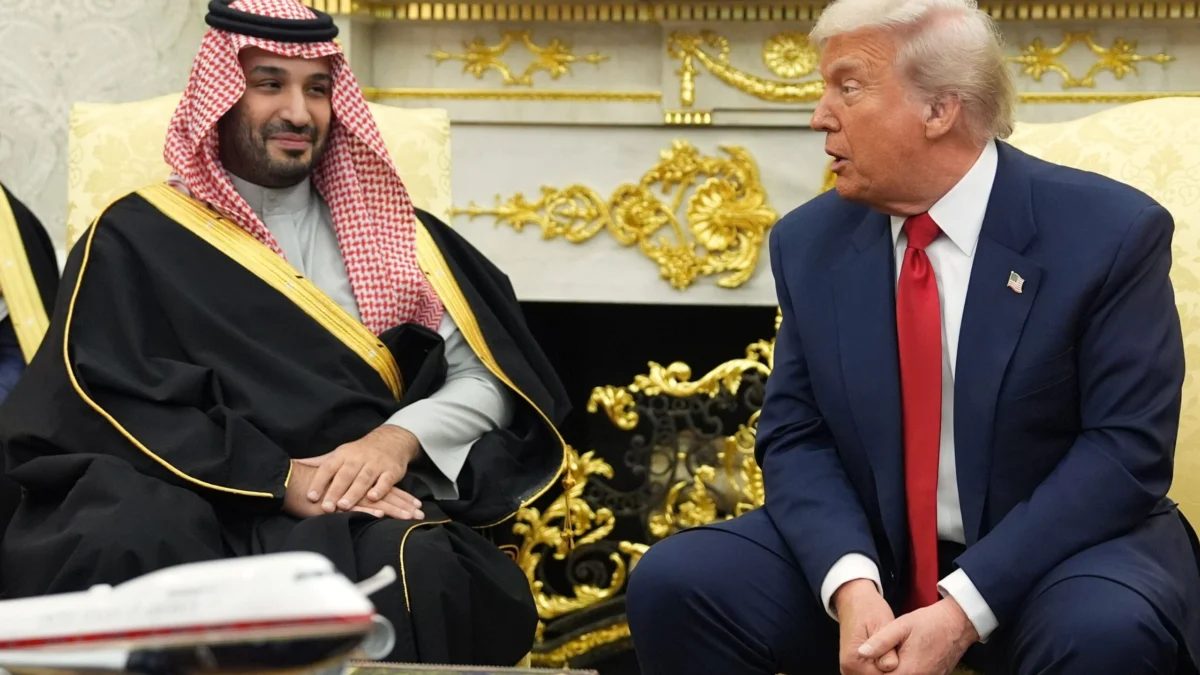
In a significant development that could reshape regional dynamics, the United States government has granted approval for a civilian nuclear cooperation agreement with Saudi Arabia. This decision, confirmed through official channels, allows American companies to engage in the development of Saudi Arabia’s burgeoning nuclear energy program. The agreement signifies a strategic partnership aimed at fostering peaceful nuclear technology transfer, with a stated focus on energy production and scientific advancement.

The accord was finalized following a period of intensive negotiations and reviews, underscoring the complex geopolitical landscape in which such agreements are brokered. The US Department of Energy, along with the State Department, played pivotal roles in overseeing the technical and security aspects of the deal, ensuring adherence to international non-proliferation standards. The primary signatories, U.S. Energy Secretary Chris Wright and Saudi Arabian Minister of Energy Prince Abdulaziz bin Salman, formally endorsed the agreement in Washington D.C., marking a new chapter in bilateral relations.
Background and Context: A Growing Need for Energy

Saudi Arabia, a nation heavily reliant on oil exports, has been actively pursuing diversification of its economy and energy sources. The ambitious Vision 2030 plan, spearheaded by Crown Prince Mohammed bin Salman, includes substantial investments in renewable energy and nuclear power as key pillars for future development. The kingdom aims to construct a number of nuclear reactors by 2030 to meet its growing electricity demands and reduce its dependence on fossil fuels for domestic consumption, thereby freeing up more oil for export.
The Kingdom’s nuclear ambitions are not new. In 2008, Saudi Arabia signed a cooperation agreement with South Korea for the construction of its first two nuclear power reactors. More recently, the nation has engaged with several international partners, including Russia, France, and China, in exploring options for its ambitious nuclear energy expansion. The US entry into this arena, however, carries particular weight due to Washington’s stringent non-proliferation policies and its established expertise in nuclear technology.

Key Provisions and Security Assurances
The approved deal facilitates the transfer of "special nuclear material, facilities, and information" between the two countries for "peaceful purposes." This encompasses a broad range of activities, including the design, construction, and operation of nuclear power plants, as well as research and development in nuclear science and technology. A crucial element of the agreement involves robust safeguards and oversight mechanisms to prevent the diversion of nuclear materials for military applications.
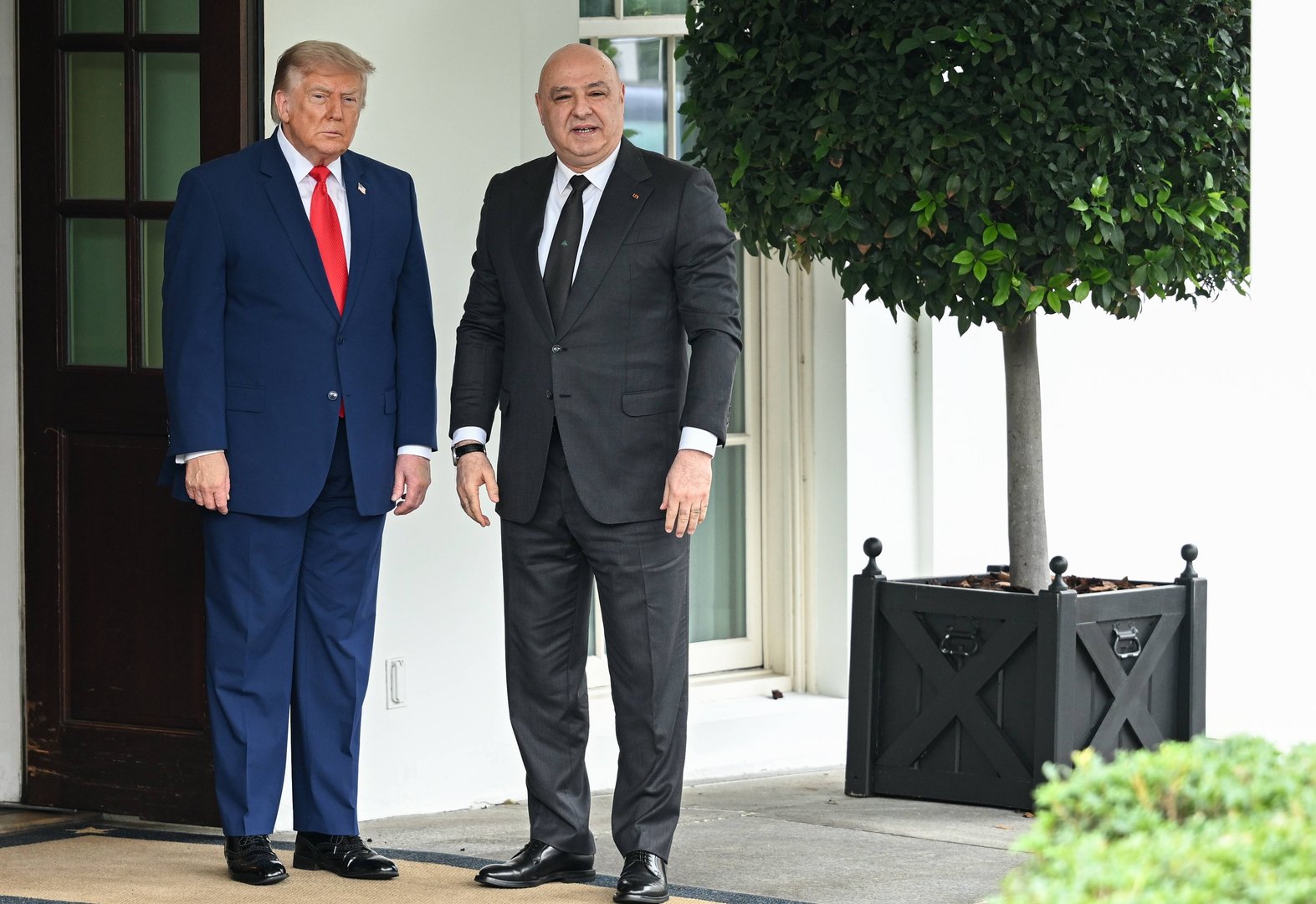
Under the terms of the agreement, Saudi Arabia has committed to adhering to the International Atomic Energy Agency’s (IAEA) comprehensive safeguards system. This includes allowing for inspections and monitoring by IAEA officials to ensure that all nuclear activities remain exclusively peaceful. Furthermore, the agreement likely includes provisions for the responsible management of nuclear waste and the security of nuclear facilities, reflecting international best practices in nuclear safety.
The US administration, under President Donald Trump, has emphasized that the deal includes significant protections to prevent the proliferation of nuclear weapons. This stance comes amidst ongoing concerns about the region’s nuclear landscape, particularly in relation to Iran’s nuclear program. The US has sought to present its cooperation with Saudi Arabia as a stabilizing force, promoting a framework of responsible nuclear energy development that aligns with global security objectives.
Timeline of Negotiations and Approval
The path to this agreement has been a lengthy one, marked by several stages of negotiation and review. Discussions between U.S. and Saudi officials regarding nuclear cooperation have been ongoing for several years, with initial talks gaining momentum in the wake of Saudi Arabia’s Vision 2030.
- Early 2017: Reports emerged of increased U.S.-Saudi dialogue on nuclear energy cooperation, following the signing of a Memorandum of Understanding (MOU) on energy, industry, and advanced technologies.
- 2018-2019: Negotiations intensified, with U.S. officials emphasizing the importance of strong non-proliferation safeguards. The Trump administration signaled its willingness to engage in such cooperation, provided that Saudi Arabia adhered to stringent international protocols.
- 2020-2021: While specific details remained confidential, progress was reportedly made on key aspects of the agreement, including the scope of cooperation and security assurances.
- Late 2021 – Early 2022: The U.S. government formally reviewed the proposed agreement, involving multiple agencies and a thorough assessment of potential security implications.
- Present: The U.S. government has now officially approved the civilian nuclear cooperation agreement, paving the way for American companies to participate in Saudi Arabia’s nuclear sector.
Official Responses and Reactions
The announcement of the approved deal has been met with a mix of anticipation and caution.

- U.S. Government Officials: Proponents of the agreement highlight its potential to bolster U.S. economic interests through lucrative contracts for American firms and to promote a stable, energy-secure future for Saudi Arabia. They reiterate their commitment to non-proliferation and emphasize the robust safeguards embedded within the agreement.
- Saudi Arabian Government Officials: Saudi officials have welcomed the agreement as a testament to the strong bilateral relationship and a crucial step towards achieving the Kingdom’s energy diversification goals. They have consistently affirmed their commitment to the peaceful use of nuclear technology.
- International Watchdog Organizations: Non-proliferation advocates and organizations such as the Arms Control Association have expressed reservations, urging transparency and vigilance in monitoring Saudi Arabia’s nuclear activities. While acknowledging the importance of peaceful nuclear energy, they stress the need for continuous oversight to prevent any potential misuse of technology.
- Industry Representatives: American companies in the nuclear energy sector have expressed optimism, viewing the agreement as a significant business opportunity. They are likely to engage closely with both governments to navigate the regulatory landscape and secure potential contracts for reactor construction and related services.
Broader Impact and Implications
The U.S.-Saudi nuclear deal carries significant implications for regional and global security, as well as for the international nuclear energy market.
- Regional Stability: By fostering a framework for peaceful nuclear energy development, the agreement could contribute to regional stability by providing a viable alternative to the reliance on fossil fuels. However, it also raises questions about the broader nuclear landscape in the Middle East, particularly in relation to Iran’s nuclear program. The U.S. has positioned this agreement as part of a strategy to ensure that regional nuclear ambitions are channeled towards peaceful civilian purposes.
- Economic Opportunities: For U.S. companies, this deal represents a substantial economic opportunity. The construction and maintenance of nuclear power plants are multi-billion dollar projects, and American firms could stand to gain significantly. This could also spur job creation and technological innovation within the U.S. nuclear industry.
- Global Energy Market: As Saudi Arabia diversifies its energy sources, its reliance on oil for domestic consumption may decrease, potentially influencing global oil markets. The expansion of nuclear power capacity in the Kingdom could also contribute to global efforts to decarbonize the energy sector.
- Non-Proliferation Concerns: The primary challenge remains ensuring that the transferred nuclear technology is used exclusively for peaceful purposes. While the agreement includes robust safeguards, ongoing monitoring and verification by the IAEA will be critical. Any perceived deviation or violation could have severe consequences for regional and international security.
The approval of the U.S.-Saudi nuclear deal marks a pivotal moment in the Kingdom’s energy trajectory and in U.S.-Saudi relations. As the partnership moves forward, the international community will be closely watching the implementation of the agreement and the adherence to its non-proliferation commitments. The success of this endeavor hinges on continued transparency, robust oversight, and a shared commitment to the peaceful advancement of nuclear technology.
