

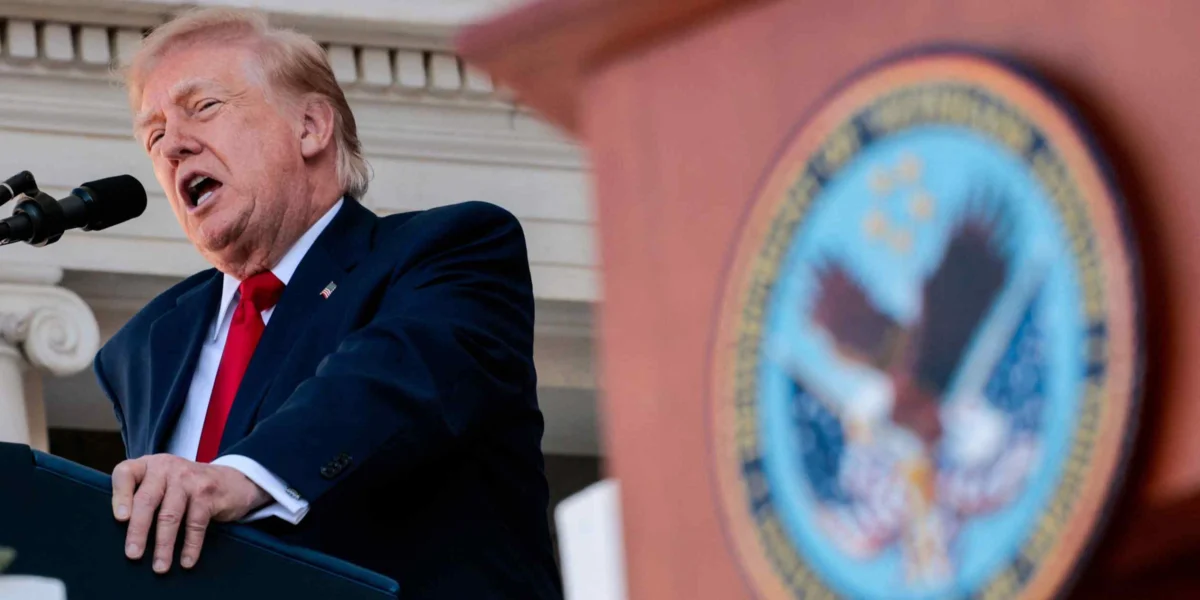
MANILA — U.S. President Donald Trump is poised to engage in his most significant diplomatic undertaking since the recent midterm congressional elections, participating in a groundbreaking three-way summit with the leaders of China and Russia. This pivotal meeting, scheduled to take place in the Philippines, marks an unprecedented convergence of three of the world’s most influential powers, particularly in the wake of evolving geopolitical dynamics and shifting alliances. The summit, the first of its kind involving these three nations at the presidential level, is expected to address a complex array of pressing global issues, ranging from international security and trade to climate change and the future of global governance.
Background and Significance of the Summit
The decision to convene such a high-stakes meeting in Manila underscores the Philippines’ strategic importance in the Indo-Pacific region. Historically, the Philippines has served as a crucial geopolitical fulcrum, balancing relationships with major global powers. The choice of venue also signals an attempt to foster a more inclusive and multilateral approach to international diplomacy, potentially offering a new platform for dialogue amidst growing tensions and a perceived fragmentation of the global order.
This summit arrives at a critical juncture. The United States, under President Trump’s leadership, has pursued an "America First" foreign policy, which has led to both recalibration of existing alliances and a more assertive stance in international trade negotiations. China, meanwhile, continues its ascent as a global economic and military power, actively shaping international norms and institutions through initiatives like the Belt and Road Initiative. Russia, under President Vladimir Putin, has sought to reassert its influence on the global stage, often through strategic partnerships and a more confrontational posture towards Western-led international frameworks.
The timing of this summit, occurring shortly after significant electoral shifts in the U.S. Congress, adds another layer of complexity. The outcome of these elections will undoubtedly influence President Trump’s domestic political standing and, consequently, his leverage in international negotiations. The administration’s ability to navigate these challenges will be closely watched by allies and adversaries alike.
Anticipated Agenda and Key Discussion Points
While the official agenda has not been fully disclosed, informed sources and diplomatic analysts suggest a broad spectrum of critical issues will be on the table:
- Global Security and Arms Control: The escalating tensions surrounding nuclear proliferation, particularly in North Korea, are likely to be a paramount concern. Discussions may encompass strategies for de-escalation, verification mechanisms, and potential joint approaches to regional stability. The future of arms control treaties, some of which have come under strain in recent years, could also be a significant topic.
- International Trade and Economic Cooperation: The current global trade landscape is characterized by protectionist measures and ongoing disputes. A dialogue between the leaders of the world’s two largest economies, the U.S. and China, alongside a significant global player like Russia, could explore avenues for greater economic stability and cooperation. Discussions might touch upon market access, intellectual property rights, and the future of multilateral trade organizations.
- Climate Change and Environmental Policy: As the world grapples with the existential threat of climate change, this summit presents an opportunity for these three major emitters to discuss their commitments to international climate agreements and explore collaborative efforts in developing sustainable energy solutions and adapting to environmental challenges.
- Cybersecurity and Digital Governance: The increasing reliance on digital infrastructure and the growing threat of cyber warfare necessitate a coordinated approach. Discussions could focus on establishing norms of behavior in cyberspace, preventing state-sponsored cyberattacks, and ensuring the secure development of digital technologies.
- Regional Stability and Geopolitical Hotspots: Beyond specific issue areas, the leaders are expected to address ongoing conflicts and areas of geopolitical friction, potentially including the situation in the Middle East, the ongoing crisis in Eastern Europe, and maritime security in contested waters.
Chronology of Diplomatic Engagement Leading to the Summit
The path to this unprecedented summit has been marked by a series of complex and often indirect diplomatic engagements. While formal trilateral meetings at this level are rare, the groundwork has been laid through various bilateral discussions and participation in multilateral forums.
- Early 2026: Initial exploratory discussions regarding a potential high-level meeting between U.S. and Chinese officials began, driven by a desire to manage escalating trade tensions and address shared security concerns.
- Mid-2026: Russia, observing these evolving dynamics, expressed interest in participating in a broader dialogue that would encompass its strategic interests and concerns regarding global security. This marked the genesis of the idea for a trilateral summit.
- Late Summer/Early Autumn 2026: Diplomatic channels were activated to gauge the feasibility and willingness of all three parties to convene. The Philippines, with its established diplomatic infrastructure and neutral stance, emerged as a preferred venue.
- October 2026: Following a series of intense back-channel communications and preparatory meetings at the ministerial level, an agreement in principle was reached for the summit to take place in November. The exact dates were finalized, and logistics were coordinated.
- November 2026: The U.S. President, Donald Trump, is scheduled to arrive in Manila for the historic summit, marking the culmination of months of intricate diplomatic maneuvering.
Supporting Data and Geopolitical Context
The significance of this summit can be further understood through key data points:
- Economic Powerhouses: The United States and China are the world’s two largest economies, with a combined GDP exceeding $40 trillion. Their trade relationship is deeply intertwined, yet also marked by significant friction. Russia, while smaller in economic scale, is a major global energy supplier and a significant military power.
- Military Capabilities: All three nations possess substantial military capabilities, including nuclear arsenals. Their respective defense budgets are among the highest globally, underscoring their influence on international security. For example, in 2025, U.S. defense spending was projected to be over $800 billion, China’s around $290 billion, and Russia’s over $60 billion.
- Global Influence: Collectively, these three nations hold considerable sway in international organizations such as the United Nations Security Council, where they possess veto power. Their policy decisions have far-reaching implications for global trade, security, and diplomatic norms.
Official Responses and Reactions
While official statements have been carefully worded and generally positive, the underlying sentiment among various stakeholders is one of cautious optimism mixed with significant anticipation.
- United States: The White House has framed the summit as an opportunity to "advance American interests and promote a more stable and prosperous world." President Trump has often expressed his belief in the power of direct negotiation with world leaders, and this summit aligns with that approach. However, domestic political considerations following the midterm elections will likely shape the administration’s negotiating stance.
- China: Beijing has emphasized the importance of "dialogue and cooperation to address common challenges." China’s Foreign Ministry has stated that the summit provides a platform for "mutual understanding and finding solutions that benefit all." The success of the summit could bolster China’s image as a responsible global power.
- Russia: The Kremlin has described the meeting as a chance to "discuss key issues of international security and stability." President Putin has consistently advocated for a multipolar world order, and this summit could be seen as a step towards that objective. Russia’s participation is likely aimed at securing its strategic interests and countering perceived Western dominance.
- Philippines: As the host nation, the Philippines has expressed its commitment to facilitating constructive dialogue. President Ferdinand "Bongbong" Marcos Jr.’s administration views the summit as a significant opportunity to enhance its regional standing and contribute to global peace and stability.
Broader Impact and Implications
The outcomes of this three-way summit could have profound and far-reaching implications for the global landscape:
- De-escalation of Tensions: A successful summit could pave the way for a de-escalation of existing geopolitical tensions, particularly concerning issues like nuclear proliferation and regional conflicts. It might foster a more predictable and cooperative international environment.
- Reshaping Global Trade: Any agreements or understandings reached on trade could significantly impact global economic flows, potentially leading to new partnerships or a recalibration of existing trade relationships.
- Strengthening or Weakening Multilateralism: The summit’s success or failure will be closely scrutinized for its impact on the future of multilateralism. A constructive dialogue could revitalize international cooperation, while a breakdown in talks might further fragment the global order.
- Influence on Future Diplomacy: The precedent set by this unprecedented three-way summit could influence the nature of future high-level diplomatic engagements, potentially encouraging more direct and inclusive dialogue among major powers.
- Impact on Regional Alliances: The dynamics between the U.S., China, and Russia will inevitably affect regional alliances and partnerships in the Indo-Pacific and beyond. Allies will be closely watching the outcomes to assess their own strategic positioning.
The Manila summit represents a high-stakes gamble on the power of diplomacy in an increasingly complex world. The ability of President Trump, President Xi Jinping, and President Vladimir Putin to find common ground and forge a path towards greater cooperation will be a defining moment in contemporary international relations. The world watches with bated breath as these three leaders convene, tasked with navigating a labyrinth of challenges and opportunities that will shape the geopolitical and economic trajectory for years to come.
