

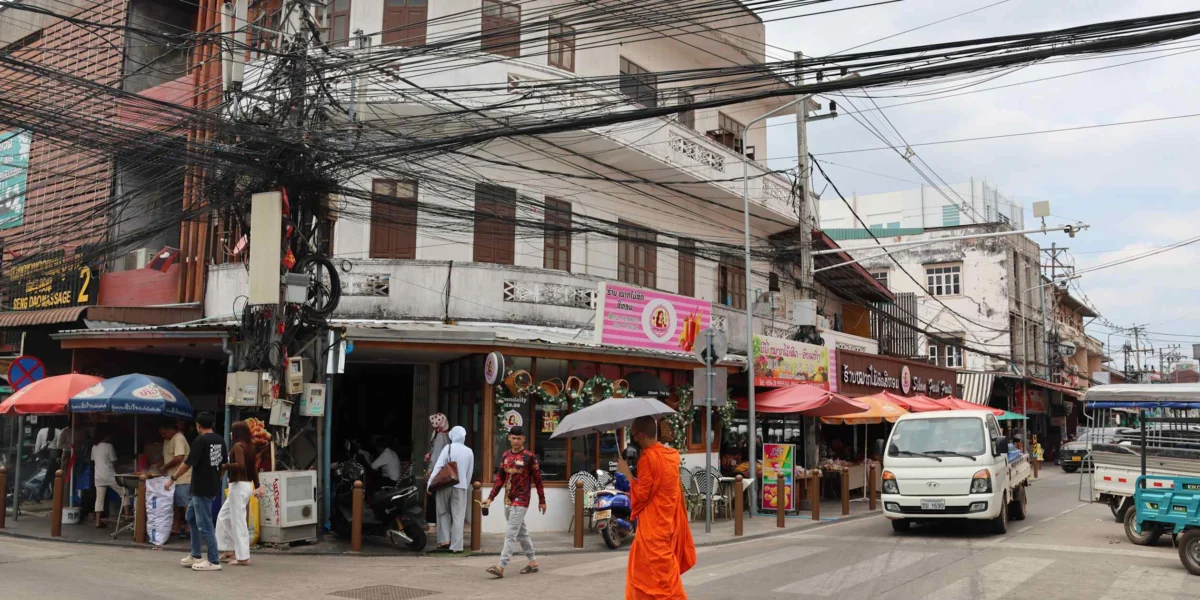
A Tranquil Introduction to Laos: Exploring Vientiane’s Enduring Charm
Vientiane, the capital of Laos, offers a unique blend of serene spirituality, revolutionary history, and a relaxed pace of life that stands in stark contrast to the bustling metropolises of Southeast Asia. For the discerning traveler seeking an authentic and unhurried experience, a two-day sojourn in this riverside city provides ample opportunity to immerse oneself in its distinct cultural tapestry. From the glittering spires of ancient Buddhist temples to the vibrant energy of its night markets and the breathtaking spectacle of sunsets over the mighty Mekong River, Vientiane presents a compelling case for its enduring appeal.
The city’s character is deeply rooted in its history as a former French colonial outpost and, more significantly, as the seat of the Lao People’s Revolutionary Party. This dual heritage is subtly woven into its urban fabric, evident in the architecture and the ingrained respect for tradition. Unlike many of its regional counterparts, Vientiane has largely resisted rapid, large-scale modernization, preserving a sense of intimacy and accessibility that allows visitors to connect with its essence without feeling overwhelmed. The Mekong River, a lifeblood for the nation, acts as a constant, tranquil backdrop, its slow-moving currents mirroring the unhurried rhythm of life in the capital.
Historical Echoes and Spiritual Sanctuaries
Vientiane’s spiritual heart beats strongest within its numerous Buddhist temples, or wats. The most iconic of these is Pha That Luang, a colossal golden stupa that is considered the national symbol of Laos. Its construction dates back to the 16th century, although its current form is largely the result of a reconstruction in the 1930s after being destroyed by Siamese invaders. Pha That Luang is not merely a tourist attraction; it is a site of profound religious significance, drawing pilgrims from across the country, particularly during the annual That Luang Festival in November. The sheer scale and intricate detail of its gilded facade, particularly when illuminated by the sun, are awe-inspiring. Surrounding the main stupa are numerous smaller temples and courtyards, offering spaces for quiet contemplation and observation of local Buddhist practices.
Another significant religious landmark is Wat Si Saket, renowned for its unique cloister housing thousands of Buddha images. Unlike most Lao temples, its tiered roofs are in the Siamese style, a testament to historical influences. The cloister’s walls are lined with niches, each containing a small Buddha statue, creating a mesmerizing panorama of devotion. In the central sanctuary, a large, serene Buddha image presides, exuding an aura of peace. Adjacent to Wat Si Saket is the Presidential Palace, a neoclassical building that was once the French Governor-General’s residence, showcasing the lingering architectural imprint of the colonial era.
The legacy of Laos’ revolutionary past is prominently displayed at the Patuxai, often referred to as the "Victory Gate." Built between 1957 and 1968, it is inspired by the Arc de Triomphe in Paris but is adorned with Lao motifs and carvings depicting Buddhist mythology and scenes of Lao life. It commemorates Laos’ independence from French rule. Visitors can ascend to the top of the monument for panoramic views of Vientiane, offering a different perspective on the city’s layout and its verdant surroundings. While the monument is a symbol of national pride, it also serves as a poignant reminder of the turbulent history that shaped modern Laos.
The Pulse of the City: Markets and Riverside Life
As dusk descends, Vientiane’s vibrant night market comes alive. Stretching along the Mekong’s embankment, this bustling bazaar is a sensory delight, offering a wide array of local handicrafts, textiles, jewelry, and souvenirs. The air is filled with the aroma of street food, from grilled meats and spicy salads to sweet crepes and refreshing fruit shakes. It is an ideal place to practice gentle bartering and to witness the convivial atmosphere of local life. The market is not just a commercial hub; it is a social gathering point, where families and friends come together to eat, shop, and socialize.
The riverside promenade itself is a focal point of Vientiane’s social life. In the early mornings, it is a popular spot for locals to engage in tai chi or simply enjoy the cool air. As the day progresses, it becomes a place for leisurely strolls, cycling, and observing the gentle rhythm of life along the Mekong. The river’s expanse offers a sense of vastness and natural beauty that is a welcome counterpoint to the urban environment. The sunsets over the Mekong are legendary, painting the sky in hues of orange, pink, and purple, a daily spectacle that draws both residents and visitors to its banks. Several riverside restaurants and cafes offer prime viewing locations, allowing patrons to savor a meal or a drink while immersed in this natural artistry.
A Culinary Journey Through Vientiane
Vientiane’s culinary scene is a reflection of its diverse influences, blending traditional Lao flavors with French colonial touches and hints of neighboring Thai and Vietnamese cuisine. The national dish, laap, a finely minced meat salad seasoned with herbs, chili, and lime, is a must-try. Another staple is tam mak hoong, a spicy green papaya salad, often prepared with variations depending on regional preferences. Sticky rice (khao niao) is the cornerstone of Lao meals, served in small bamboo baskets and meant to be eaten with the hands.
Beyond local eateries, Vientiane boasts a growing number of restaurants offering international cuisine, particularly French fare, a nod to its colonial past. Bakeries and cafes serve excellent baguettes, croissants, and strong Lao coffee. Exploring the local markets provides an opportunity to sample an array of street food, from savory skewers of grilled chicken or pork to sweet coconut pancakes. The availability of fresh, local ingredients ensures that even simple dishes are bursting with flavor.
Supporting Data and Context
Laos, a landlocked country in Southeast Asia, has an estimated population of approximately 7.5 million people. Vientiane, with an estimated population of around 900,000, is the nation’s largest city and administrative center. The country’s economy is primarily based on agriculture, with a growing emphasis on tourism and hydropower. According to the Lao National Tourism Administration, tourist arrivals in Laos have seen a steady increase in recent years, with a significant portion of visitors passing through or spending time in Vientiane.
The city’s infrastructure has seen gradual development, with improvements to transportation networks and accommodation options. However, it maintains a character that prioritizes a slower pace of life over hyper-modernization, a conscious choice that contributes to its unique appeal. The Mekong River, which forms a significant part of Laos’ border with Thailand, plays a crucial role in transportation, trade, and sustenance for communities along its banks. Its consistent flow and abundant fish stocks have historically supported the region’s population.
Timeline of Key Vientiane Landmarks
- 16th Century: Construction of the original Pha That Luang, though much of its current form dates from later periods.
- 19th Century: French colonization begins, influencing Vientiane’s architecture and urban planning.
- 1957-1968: Construction of the Patuxai, symbolizing Lao independence.
- Post-1975: Vientiane becomes the capital of the Lao People’s Democratic Republic.
- Ongoing: Continuous preservation and restoration efforts for historical and religious sites, alongside gradual modernization of infrastructure.
Broader Impact and Implications
Vientiane’s unhurried charm presents a unique proposition in a region often characterized by rapid development and burgeoning economies. This tranquility, while appealing to a niche of travelers seeking authentic experiences, also presents economic challenges. The city’s ability to attract and retain investment and skilled labor is influenced by its current pace. However, the preservation of its cultural heritage and natural beauty is also a significant asset, driving a sustainable tourism model.
The city’s proximity to Thailand, separated by the Mekong River, facilitates cultural exchange and economic ties. The ongoing development of infrastructure, including bridges and improved transportation links, is likely to further integrate Vientiane into regional economic flows, while potentially testing its ability to maintain its characteristic serenity. The balance between modernization and preservation remains a critical factor in shaping Vientiane’s future trajectory. The city’s enduring appeal lies in its ability to offer a respite from the frenetic pace of modern life, providing a glimpse into a more contemplative and culturally rich Southeast Asia. The commitment to preserving its gilded temples, its revolutionary narratives, and the simple beauty of its riverside setting ensures that Vientiane will continue to captivate those who seek a deeper, more meaningful travel experience.
