

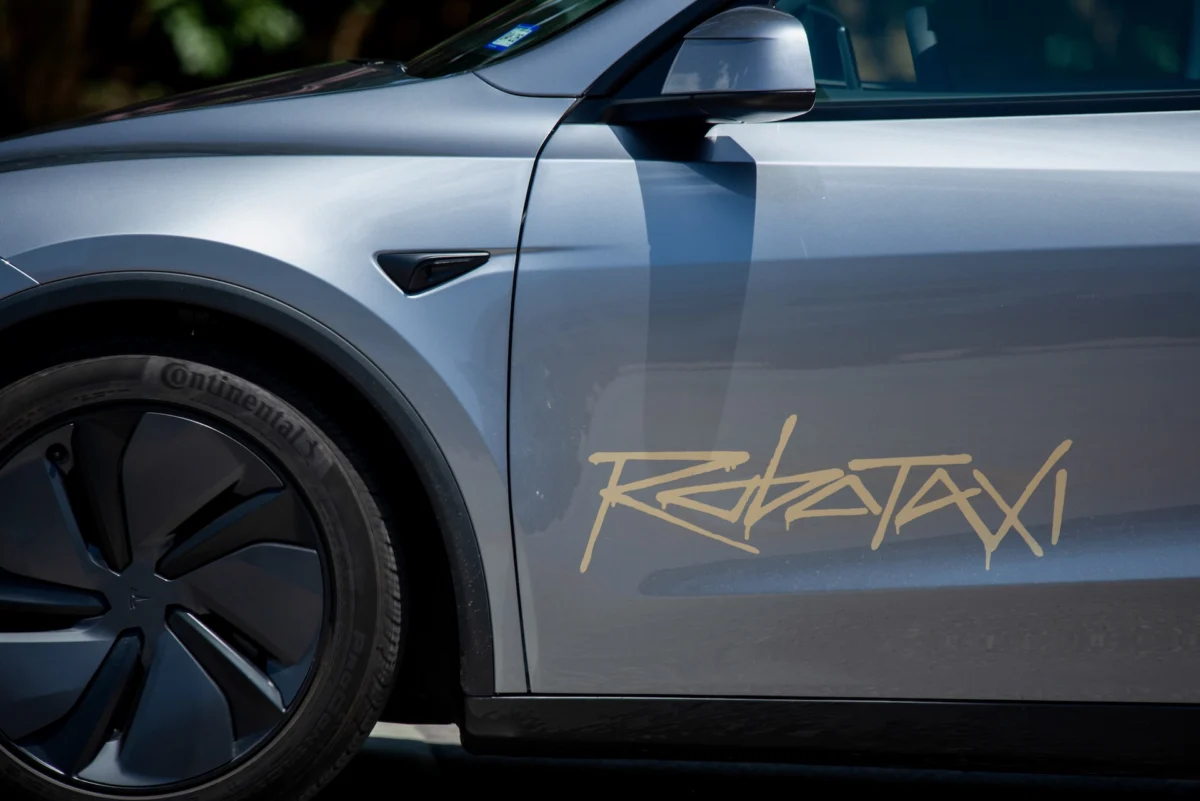
The Nevada Transportation Authority (NTA) has unanimously approved three pivotal permits, paving the way for Tesla, Uber, and Waymo to launch commercial robotaxi services across Clark County, the vibrant heart of which is Las Vegas. This landmark decision, made on Thursday, sets the stage for a potential deployment of up to 8,000 autonomous vehicles (AVs) within the next 12 months, signaling a monumental shift in the region’s transportation landscape. The move solidifies Las Vegas’s position as a burgeoning epicenter for autonomous technology, igniting both excitement for innovation and significant apprehension among traditional transport providers.
A New Era of Mobility in Clark County
The NTA’s approval marks a significant milestone in the evolution of autonomous transportation. Tesla received authorization to deploy up to 5,000 robotaxis, while Waymo and Uber (through its strategic partnerships) were each granted permits for up to 1,000 autonomous vehicles over the coming year. Uber’s operation will leverage collaborations with Motional, a joint venture between Hyundai and Aptiv, and Zoox, an Amazon subsidiary. Zoox itself already possesses an autonomous vehicle network company permit allowing it to operate 100 robotaxis, underscoring its established presence in the region. This combined authorization signifies one of the most substantial greenlights for commercial AV expansion seen to date in the United States, concentrating a formidable array of industry leaders in a single, high-stakes market.
Clark County, with its bustling tourism industry, high demand for on-demand transportation, and relatively predictable road networks, presents an ideal proving ground for these advanced mobility services. The concentration of resorts, entertainment venues, and the McCarran International Airport within a compact urban core makes efficient, reliable transportation a critical component of the local economy. The potential for thousands of robotaxis to service this demand promises to revolutionize how millions of visitors and residents navigate the metropolitan area.
The Realities of Deployment: Ambition Versus Practicality
While the NTA’s approved numbers paint a picture of rapid, large-scale deployment, the actual pace of rollout may be more measured. Testimony from the companies themselves during the NTA meeting suggested a more cautious approach to scaling. Eric Early, Tesla’s Cybercab chief engineer, tempered expectations regarding their ambitious 5,000-vehicle ceiling. "The 5,000 has always been a ceiling for us," Early stated. "I don’t think we’ll be in a position by this time next year to deploy 5,000 vehicles, and it’s not [because of] the technology… I think we would be extremely happy and satisfied if we could get ourselves up to 2,500, maybe a bit higher than that in the next year."
This candid assessment from a key Tesla representative highlights the complex challenges inherent in scaling autonomous fleets, even for companies at the forefront of the technology. These challenges extend beyond mere technological readiness to encompass regulatory hurdles, robust testing requirements, the establishment of comprehensive maintenance and charging infrastructure, and the intricacies of public acceptance. Even if these three companies collectively deploy only half of their permitted totals, Clark County, and Las Vegas specifically, is undeniably poised to become a major robotaxi battleground. Tesla, Uber (via Motional and Zoox), and Waymo will fiercely compete for market share, offering consumers a diverse — and perhaps initially confusing — array of autonomous ride options.
Background and Chronology of Autonomous Vehicle Development in Nevada
Nevada has long been a trailblazer in the autonomous vehicle space. In 2011, it became the first U.S. state to pass legislation authorizing the testing of autonomous cars on public roads. This forward-thinking regulatory environment attracted numerous AV developers, establishing the state, and particularly Las Vegas, as an early hub for self-driving technology research and development. Early permits focused on testing and validation, allowing companies to gather crucial data in a real-world setting.
Over the past decade, AV companies have conducted extensive testing in various parts of Clark County, including the highly trafficked "Golden Triangle" — the area encompassing the airport, Las Vegas Boulevard, and surrounding tourist corridors. Motional, for instance, has been actively testing not only in the Golden Triangle but also in the downtown area and the Town Square shopping district, steadily accumulating millions of miles of autonomous driving experience. This long-term commitment to testing and a progressive regulatory stance have culminated in the NTA’s recent decision, moving the state from a testing ground to a commercial deployment zone. The approval follows years of legislative discussions, pilot programs, and public discourse, indicating a carefully considered progression towards integrating AVs into the commercial transportation fabric.
The Competitive Landscape: Strategies of the Robotaxi Giants
The entry of these three major players into the Las Vegas market underscores divergent strategies in the autonomous vehicle industry.
Waymo, a subsidiary of Alphabet, boasts one of the most extensive and mature autonomous driving programs globally. With over a decade of development, Waymo has accumulated billions of simulated miles and millions of real-world miles, operating fully driverless services in Phoenix, Arizona, and more recently expanding its operations in San Francisco, California. Waymo’s approach emphasizes a meticulously developed, purpose-built autonomous driving system (ADS) with a focus on safety and reliability, often utilizing custom-designed vehicles or highly integrated platforms. Their expansion into Las Vegas signifies a strategic move to capture a major tourist market and solidify their leadership in commercial robotaxi services.
Tesla’s strategy, while equally ambitious, differs significantly. Rather than operating a dedicated robotaxi service with custom vehicles from the outset, Tesla has focused on developing its "Full Self-Driving" (FSD) software, which it offers as an add-on to consumer vehicles. The vision for "Cybercab" involves potentially leveraging a network of owner-operated Teslas equipped with FSD, allowing them to earn revenue by dispatching their vehicles as robotaxis when not in use. This model presents a unique scaling opportunity but also introduces complexities related to vehicle ownership, maintenance, and fleet management that differ from Waymo’s and Zoox’s dedicated fleet models. Tesla’s permit for 5,000 vehicles, even if initially aspirational, reflects the sheer volume of FSD-capable vehicles potentially available for such a network.
Uber’s journey into autonomous vehicles has seen several strategic shifts. After initially pursuing in-house AV development through its Advanced Technologies Group, Uber divested this unit, pivoting to a partnership-centric model. Its approved operations in Clark County are a testament to this strategy, leveraging Motional (Hyundai/Aptiv) and Zoox (Amazon). Motional brings extensive experience in developing and deploying SAE Level 4 autonomous vehicles, having accumulated significant testing miles and operating pilot programs in various cities. Zoox, on the other hand, distinguishes itself with its custom-built, bidirectional, purpose-designed robotaxi, optimized for urban environments and ride-hailing services. Uber’s "Goldilocks" approach, advocating for a hybrid model where ride-hailing networks comprise both human drivers and robotaxis, positions it uniquely. The company has actively lobbied for systems that require robotaxis to operate within such hybrid networks, a stance that places it at odds with the pure-play autonomous ambitions of Waymo and, to some extent, Tesla. Uber’s pitch during the NTA meeting highlighted that a hybrid approach would allow cities to integrate AVs gradually, meeting peak demand without overwhelming existing infrastructure or workforce, thus serving as a hedge against its partners’ autonomous ambitions falling short or facing unforeseen regulatory challenges.
Stakeholder Concerns: Oversaturation, Congestion, and Workforce Impact
The prospect of thousands of robotaxis flooding Las Vegas’s streets has not been met with universal acclaim. Representatives from the Livery Operators Association and local taxi companies voiced strong opposition to the permits, arguing that the approvals move "too far, too fast." Kimberly Maxson-Rushton, a lawyer representing the Livery Operators Association, articulated two primary concerns at the hearing: "One deals with the oversaturation of the commercial transportation industry as a whole in Nevada. And the second one deals with the overcrowding of the roadways, and specifically the Golden Triangle."
The "Golden Triangle," a critical artery connecting the airport to the iconic Las Vegas Boulevard, is already notoriously congested, particularly during peak tourist seasons and major conventions. The introduction of potentially thousands of additional vehicles, even autonomous ones, raises legitimate questions about exacerbating traffic woes. While proponents argue that AVs, with their optimized routing and smoother driving patterns, could ultimately reduce congestion, this long-term benefit is contingent on numerous factors, including fleet utilization rates, public adoption, and smart city infrastructure integration. In the short to medium term, a rapid increase in vehicle density could indeed strain existing infrastructure.
Beyond congestion, the impact on the workforce is a paramount concern. The commercial transportation industry in Las Vegas, comprising thousands of taxi drivers, limousine operators, and rideshare drivers, forms a significant portion of the local economy. Depending on who you ask, these companies will either usher in a whole new category of jobs — roles designed to maintain, charge, clean, and remotely monitor these autonomous fleets — or will effectively decimate an entire category of workers: human taxi and gig drivers. Studies on the economic impact of autonomous vehicles vary widely, with some predicting significant job displacement in the driving sector, while others forecast the creation of new, albeit different, jobs in the AV ecosystem. For a city like Las Vegas, heavily reliant on service industries, this transition presents a complex socioeconomic challenge that will require proactive policy and workforce retraining initiatives.
Broader Economic and Societal Implications
The large-scale deployment of robotaxis in Las Vegas carries profound economic and societal implications beyond immediate job impacts and traffic concerns.
Economic Boost and Tourism Enhancement: The introduction of AVs could enhance the tourist experience by offering more reliable, efficient, and potentially more affordable transportation options. Reduced wait times for rides, seamless navigation through the city, and a novel technological experience could further burnish Las Vegas’s reputation as a cutting-edge destination. This could, in turn, drive increased tourism, benefiting the hospitality sector, entertainment venues, and overall local economy. The city’s status as a major convention hub also stands to benefit from advanced, on-demand mobility solutions.
Infrastructure Demands: Scaling thousands of robotaxis will necessitate significant investments in supporting infrastructure. This includes the development of robust charging networks, especially for electric AVs, as well as maintenance and cleaning depots. The need for high-bandwidth connectivity for vehicle-to-everything (V2X) communication and remote monitoring will also place demands on existing telecommunications infrastructure. Smart city initiatives, integrating traffic management systems with AV fleet operations, will become increasingly critical.
Regulatory Evolution and Safety: Nevada’s NTA will play a continuous role in overseeing the safety and operational parameters of these robotaxi fleets. As the technology matures and deployment scales, regulators will need to adapt, refining rules around operational design domains (ODDs), performance metrics, incident reporting, and cybersecurity. Public perception of AV safety remains a critical factor, and any incidents, however minor, can significantly impact trust and adoption rates. The NTA’s ongoing monitoring and proactive adjustments will be crucial in ensuring public confidence and the safe integration of these advanced systems.
Urban Planning and Future Mobility: The long-term presence of robotaxis could influence urban planning decisions. Reduced demand for parking spaces, potential shifts in public transit usage, and the redesign of streetscapes to accommodate AV flow are all possibilities. The competition among Waymo, Tesla, and Uber’s partners in Las Vegas will also serve as a crucial real-world laboratory, providing invaluable data and insights that will inform the future development and deployment of autonomous vehicles in urban environments worldwide.
In conclusion, the NTA’s approval marks a pivotal moment for Las Vegas and the broader autonomous vehicle industry. While the exact scale and speed of deployment remain subject to operational realities and market dynamics, Clark County is undoubtedly on the cusp of a profound transformation in its transportation infrastructure. This bold step forward will not only test the technological readiness of leading AV companies but also challenge policymakers, urban planners, and the community to navigate the complex economic, social, and regulatory implications of a future driven by robots. The "robotaxi battleground" of Las Vegas is set to offer a compelling glimpse into the future of urban mobility.
